
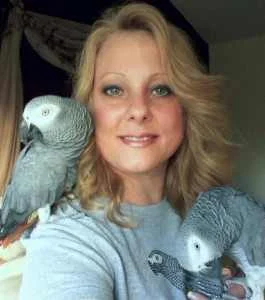
The American Federation of Aviculture (AFA) recently concluded its 52nd Annual Educational Conference in St. Louis, Missouri, marking another milestone in the organization’s long-standing commitment to the welfare, conservation, and ethical husbandry of exotic birds. To distill the vast array of presentations, workshops, and networking sessions held during this gathering, avian expert and Certified Parrot Behavior Consultant (CPBC) Lisa Bono is scheduled to host an exclusive recap webinar on Friday, September 4, 2026, at 12:00 p.m. PDT. This session, presented under the auspices of "The Grey Way" series, aims to bridge the gap between the physical conference floor and the global avian community, offering insights into the latest advancements in bird care and conservation science.
The Significance of the AFA Annual Conference
The American Federation of Aviculture stands as one of the most prominent organizations dedicated to the interests of bird owners, breeders, and conservationists in the United States. Since its inception, the annual conference has functioned as a central hub for the exchange of veterinary research, captive breeding strategies, and legislative advocacy. The 52nd installment in St. Louis provided a platform for professionals to discuss the evolving challenges of avian health in a post-pandemic world, where the demand for specialized care and evidence-based husbandry has grown significantly.
The conference serves as a barometer for the state of aviculture. Historically, these meetings have been the birthplace of significant breakthroughs in avian nutrition, preventative medicine, and behavioral management. By gathering experts from diverse backgrounds—including avian veterinarians, university researchers, and private sector conservationists—the AFA creates an environment where practical, hands-on experience meets rigorous scientific methodology.
The Role of Lisa Bono in Avian Education
Lisa Bono, CPBC, has established herself as a trusted voice in the avian community. Known for her capacity to synthesize complex behavioral theories into actionable advice for parrot owners, Bono’s role as a "roving reporter" for Lafeber at the AFA conference is designed to translate high-level academic discourse into accessible knowledge.
In the upcoming webinar, Bono is expected to provide a comprehensive breakdown of the conference’s most impactful sessions. Given her background as a certified behaviorist, attendees can anticipate a specific focus on the psychological well-being of psittacines and the mitigation of common behavioral issues that often lead to bird surrenders. Her reports are frequently characterized by a blend of technical accuracy and narrative storytelling, ensuring that participants not only learn the latest techniques but also feel connected to the broader culture of the aviculture community.
Chronology of the AFA 52nd Annual Event
The St. Louis conference spanned several days of intensive programming, beginning with plenary sessions focused on global conservation efforts and ending with collaborative roundtables. The following timeline outlines the thematic progression of the event:
- Day One: Legislative and Conservation Updates: The opening sessions typically address the legal landscape surrounding bird ownership, including federal regulations, international trade treaties (CITES), and local zoning laws that impact aviaries.
- Day Two: Advances in Avian Medicine: Veterinary professionals presented new data on common ailments, diagnostic tools, and the role of specialized nutrition in managing chronic conditions in captive birds.
- Day Three: Behavioral Management and Enrichment: This section of the conference focused on the intersection of neuroscience and avian behavior. Discussions included the efficacy of positive reinforcement training and the importance of environmental complexity.
- Day Four: Community and Future Outlook: The final day was dedicated to organizational growth, networking among breeders and hobbyists, and setting goals for the AFA’s educational outreach programs for the coming year.
Supporting Data and Industry Trends
Current trends in aviculture point toward a significant shift in focus from mere propagation to comprehensive long-term care. Data from the pet industry suggests that while the total number of birds kept as pets has remained relatively stable, the expenditure per bird on veterinary care, specialized diets, and enrichment products has increased by approximately 15% over the last five years.
This shift is largely driven by a more informed consumer base. The AFA conference plays a critical role in this ecosystem by setting the standards for what constitutes "gold-standard" care. During the conference, experts presented preliminary findings on the long-term benefits of formulated diets versus seed-based diets, with data indicating a marked decrease in metabolic diseases among parrots provided with nutritionally complete pellets. Furthermore, discussions on captive breeding programs for endangered species highlighted the importance of genetic diversity, emphasizing that ethical aviculture is now intrinsically linked to global conservation efforts.
The Intersection of Husbandry and Conservation
A central pillar of the AFA’s mission is the preservation of species through responsible captive management. The St. Louis conference featured several sessions on the role of private breeders in maintaining a "safety net" for species that are currently threatened or extinct in the wild. Analysis from conference speakers suggests that the future of many psittacine species relies on a dual-track strategy: habitat preservation in their native ranges and the maintenance of healthy, genetically diverse populations in human care.
This perspective is highly relevant to the general pet-owning public. As Lisa Bono often highlights in her educational series, the distinction between a "pet owner" and a "steward" is knowledge. By attending the recap webinar, participants gain access to the same information that top-tier professionals use to manage their flocks, thereby elevating the standard of care in the domestic sphere.
Official Responses and Community Impact
While the AFA has not yet released the formal post-conference white paper, preliminary statements from the board of directors emphasize the success of the St. Louis event in fostering collaboration. "The exchange of ideas between the scientific community and the hobbyist community is the lifeblood of our organization," noted an AFA spokesperson. The sentiment among attendees has been overwhelmingly positive, with many citing the networking opportunities and the direct access to leading avian veterinarians as the primary benefits of the in-person format.
The impact of such gatherings extends beyond the days of the event itself. By disseminating this information via digital platforms like the Lafeber webinar, the AFA ensures that the benefits of the conference reach those who were unable to travel to Missouri. This digital expansion is a critical component of modern aviculture education, allowing for the rapid spread of best practices that can immediately improve the quality of life for thousands of birds worldwide.
Implications for the Future of Aviculture
The 52nd AFA conference has set a high bar for future educational endeavors. The emphasis on data-driven husbandry and ethical stewardship suggests that the hobby is moving toward a more professionalized and regulated future. This transition is not without its challenges; practitioners must navigate an increasingly complex landscape of environmental regulations and animal welfare scrutiny.
However, the consensus from the conference is clear: education is the most effective tool for long-term sustainability. As Lisa Bono prepares to present her findings, the focus remains on empowering the individual. Whether one is a professional breeder, a veterinarian, or a devoted companion bird owner, the insights shared during the AFA conference—and subsequently through this webinar—serve as an essential roadmap for navigating the complexities of modern bird care.
Participants interested in attending the recap are encouraged to register through the official portal. As the industry continues to evolve, staying informed through verified, peer-reviewed, and expert-led channels remains the most effective way to ensure the health and longevity of avian companions. The upcoming session with Lisa Bono is not merely a summary of events, but an opportunity to participate in the ongoing conversation that defines the future of aviculture.
