
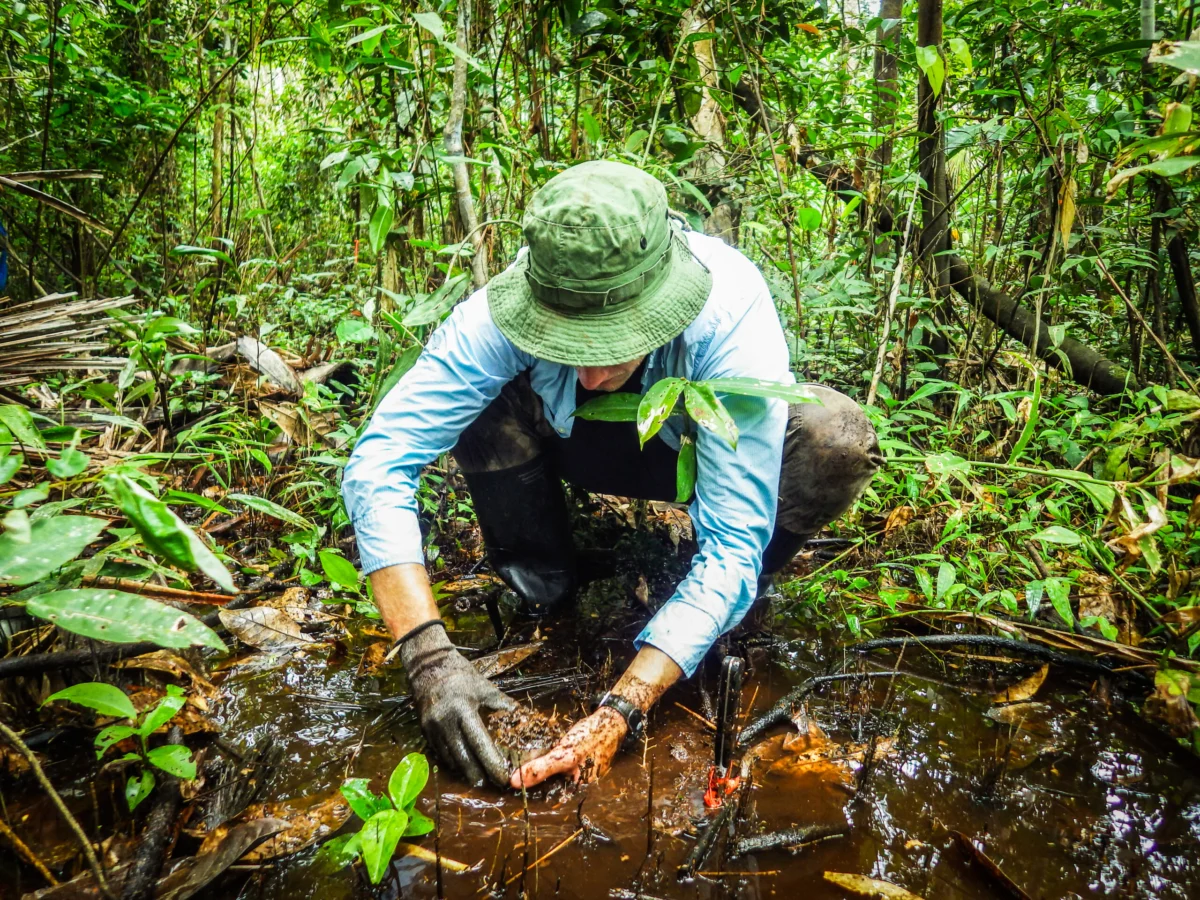
Brazil is charting a significant course towards becoming a Champion Country of the Peatland Breakthrough, a landmark global initiative aimed at bolstering the conservation, restoration, and sustainable management of peatlands worldwide. This pivotal development, officially launched at the COP30 climate conference in Belém, underscores Brazil’s growing commitment to recognizing and safeguarding these critical carbon-rich ecosystems. The recommendation from Brazil’s National Committee for Wetlands (CNZU) for the Ministry of the Environment (MMA) to formally endorse the Peatland Breakthrough and explore the Champion Country role marks a crucial step in integrating peatland governance into the nation’s broader environmental strategy. Elevating peatlands within the CNZU’s agenda signals a national prioritization of these vital ecosystems for climate action, biodiversity preservation, and ensuring water security.
The Peatland Breakthrough represents a concerted global effort to address the escalating threats to peatlands, which are among the most effective natural carbon sinks on the planet. Launched at COP30, the initiative builds upon the understanding that peatlands, while covering a mere 3-4% of Earth’s land surface, store an astonishing one-third of all global soil organic carbon, more than twice the amount stored in all the world’s forests combined. This vast carbon reservoir, if degraded or disturbed, can release substantial amounts of greenhouse gases, exacerbating climate change. Conversely, intact and restored peatlands can act as powerful carbon sinks, contributing significantly to global climate mitigation goals.
Eva Hernandez, Programme Head for Peatlands at Wetlands International, highlighted the immense potential for Brazil to lead by example. "Brazil is home to some of the world’s most extensive and carbon-rich tropical peatlands, part of the Amazon or the Cerrado regions," she stated. "The country has a unique opportunity to demonstrate how protecting these ecosystems can simultaneously advance climate change mitigation and adaptation, biodiversity conservation, water security, and sustainable development. Championing the Peatland Breakthrough would send a powerful signal: that peatlands belong at the heart of national and international climate agendas, as much as forests do. We look forward to working with Brazil to unlock the full potential of its peatlands for people, nature, and climate."
Brazil’s vast peatland territories, estimated to cover approximately 226,000 square kilometers, are spread across diverse biomes including the Amazon, Cerrado, Pantanal, Atlantic Forest, Pampa, and coastal regions. Despite this immense ecological significance, peatlands have historically been overlooked in Brazil’s environmental legislation, greenhouse gas reporting frameworks, and national climate policies. The current recommendation by the CNZU is a direct response to a growing awareness of this deficit and the urgent need for proactive conservation measures.
The momentum towards this endorsement was significantly fueled by the intense discussions and collaborations that occurred during COP30 in Belém. Dr. Franziska Tanneberger, Director of the Greifswald Mire Centre, who was invited to the National Committee for Wetlands meeting, expressed her optimism. "This is great news for the global peatland community – catalysed by the climate conference COP30 in Belém, exchange with peatland scientists and conservationists in Brazil intensified, and we are excited and very grateful for the country’s interest and commitment to join global peatland action," she remarked. Her presence and participation underscored the international scientific community’s keen interest in Brazil’s peatland landscape and its potential for global climate action.
The scientific community in Brazil has been increasingly vocal in advocating for stronger peatland protection. An open letter, signed by 53 Brazilian researchers, urged policymakers to elevate peatlands to priority ecosystem status. The letter called for the development of a national peatland program, enhanced mapping and monitoring capabilities, the integration of peatlands into climate policies, and the expansion of restoration and rewetting initiatives. These calls to action resonate strongly with the objectives of the Peatland Breakthrough, particularly its Science-based Framework for Global Peatland Targets and Guiding Principles, which was also launched at COP30. This framework outlines global targets for halting peatland loss, restoring degraded areas, and promoting sustainable use, all while emphasizing peatlands’ crucial role in climate mitigation, biodiversity protection, and supporting resilient livelihoods.
A Deeper Dive into Brazil’s Peatland Significance
Brazil’s peatlands are not merely carbon repositories; they are vital hydrological regulators and biodiversity hotspots. These unique ecosystems, characterized by waterlogged conditions that slow decomposition and lead to the accumulation of partially decayed organic matter (peat), play an indispensable role in maintaining regional water cycles. They act as natural sponges, absorbing excess water during rainy seasons and slowly releasing it during drier periods, thus ensuring a more consistent water supply and mitigating both floods and droughts. Furthermore, the specialized conditions within peatlands support a unique array of flora and fauna, many of which are endemic and adapted to these specific environments.
The potential consequences of peatland degradation in Brazil are profound. Drainage for agriculture, infrastructure development, and unsustainable land-use practices can lead to the rapid oxidation of peat, releasing vast quantities of carbon dioxide and methane – potent greenhouse gases. This not only contributes to global warming but can also lead to land subsidence, increased flood risk, and the loss of invaluable biodiversity. Fires, often exacerbated by dry conditions resulting from drainage, pose a particularly severe threat, rapidly burning through peat layers and releasing stored carbon.
Chronology of Engagement and Advocacy
The journey towards Brazil’s potential Champion Country status for the Peatland Breakthrough has been a culmination of scientific advocacy, international dialogue, and evolving policy considerations. While the formal recommendation from the CNZU is a recent development, the groundwork has been laid over several years through research and engagement by Brazilian scientists and international organizations.

- Pre-COP30 Advocacy: Prior to the COP30 climate conference, a growing body of research highlighted the critical role of Brazil’s peatlands and the urgent need for their inclusion in national climate strategies. International organizations like Wetlands International and the Greifswald Mire Centre actively engaged with Brazilian stakeholders, sharing knowledge and best practices in peatland conservation and restoration.
- COP30 Catalysis: The hosting of COP30 in Belém provided a unique and timely platform to elevate the peatland agenda. The conference facilitated direct engagement between Brazilian policymakers, scientists, and international experts, creating a fertile ground for discussions that led to the Peatland Breakthrough’s launch and Brazil’s increased consideration of a leadership role.
- CNZU Recommendation: Following COP30, the National Committee for Wetlands (CNZU) convened to deliberate on peatland conservation strategies. The committee’s subsequent recommendation to the Ministry of the Environment (MMA) signifies a crucial turning point, demonstrating a formal recognition of peatlands as a national priority.
- Formal Endorsement and Champion Country Exploration: The next phase involves the MMA formally endorsing the Peatland Breakthrough and Brazil actively exploring the responsibilities and opportunities associated with becoming a Champion Country. This would likely involve developing a national action plan, allocating resources, and engaging in international collaborations.
Supporting Data and Global Context
The global significance of peatlands cannot be overstated. According to the Global Peatlands Initiative, peatlands store an estimated 500-600 billion tonnes of carbon. This is equivalent to approximately two-thirds of the carbon currently present in the Earth’s atmosphere. The rate of carbon accumulation in peatlands is also remarkable; they can sequester carbon at rates of up to 1 tonne of carbon per hectare per year under optimal conditions.
However, an estimated 35% of global peatlands have already been degraded, primarily due to drainage for agriculture, forestry, and peat extraction. This degradation releases an estimated 1.3 to 2.0 billion tonnes of CO2 equivalent per year, making peatland emissions a significant contributor to global greenhouse gas inventories. In comparison, global annual emissions from fossil fuels are around 36 billion tonnes of CO2.
Brazil’s peatlands, estimated to hold billions of tonnes of carbon, represent a substantial portion of this global carbon store. The potential for both significant emissions if degraded and substantial carbon sequestration if protected and restored makes their conservation a strategic imperative for Brazil’s climate commitments.
Official Responses and International Perspectives
The recommendation from the CNZU has been met with enthusiasm by conservation bodies and international partners. Dr. Suelma Ribeiro Silva from the Chico Mendes Institute for Biodiversity Conservation (ICMBio), a federal agency under Brazil’s Ministry of the Environment, emphasized the strategic importance of this step. "The recommendation issued by the National Committee for Wetlands reflects Brazil’s growing recognition of peatlands as strategic ecosystems for climate regulation, biodiversity conservation, and water security," she stated. "The Peatland Breakthrough provides an important opportunity to strengthen international cooperation, mobilize technical expertise, and support the development of national actions for the protection and restoration of Brazilian peatlands."
Brazil’s potential leadership role would align it with other countries that have already embraced the Peatland Breakthrough, including Peru, Uganda, and Germany. These Champion Countries are instrumental in driving global momentum, sharing their experiences, and advocating for peatland conservation on the international stage.
Broader Impact and Implications for Brazil and the World
Brazil’s commitment to the Peatland Breakthrough and the potential assumption of a Champion Country role carries significant implications:
- Enhanced Climate Mitigation and Adaptation: By protecting its vast peatland carbon stores, Brazil will make a substantial contribution to global climate change mitigation efforts. Furthermore, maintaining healthy peatlands will bolster the country’s resilience to climate impacts by safeguarding water resources and mitigating flood risks.
- Biodiversity Conservation: Brazil’s peatlands harbor unique and often endemic biodiversity. Their conservation will directly contribute to preserving these valuable natural assets, many of which are still not fully understood or documented.
- Economic Opportunities: Sustainable management of peatlands can create opportunities for eco-tourism, research, and the development of bio-economy initiatives that are compatible with ecosystem health. Restoration efforts can also generate employment.
- International Cooperation and Knowledge Exchange: As a Champion Country, Brazil will play a key role in fostering international collaboration, sharing its expertise in tropical peatland management, and learning from other nations’ experiences. This will be crucial for developing effective and context-specific solutions.
- Strengthening National Environmental Governance: Integrating peatlands into national policies and legislation will strengthen Brazil’s overall environmental governance framework, ensuring a more holistic approach to natural resource management.
The Peatland Breakthrough itself is guided by three overarching global targets:
- Halting Peatland Loss: Preventing further degradation and conversion of intact peatlands.
- Restoring Degraded Peatlands: Actively undertaking measures to rehabilitate peatlands that have been damaged.
- Enabling Sustainable Use: Promoting land-use practices that are compatible with peatland ecosystem functions and long-term health.
Achieving these targets is essential for peatlands to transition from being sources of emissions to becoming significant carbon sinks, thereby supporting global climate goals. To facilitate this transition, the initiative emphasizes the critical need for substantial and accessible finance. The target is to mobilize at least 100 billion USD by 2030 for peatland conservation and restoration, coupled with robust national strategies for mapping, monitoring, and managing these vital ecosystems before irreversible damage occurs.
Brazil’s potential ascent as a Champion Country for the Peatland Breakthrough is a testament to the growing global recognition of these invaluable ecosystems. It signifies a critical shift in environmental policy and a proactive stance towards addressing the interconnected challenges of climate change, biodiversity loss, and water security. The commitment, if fully realized, will not only benefit Brazil but will also contribute significantly to the global effort to safeguard the planet’s natural heritage and secure a sustainable future.
