
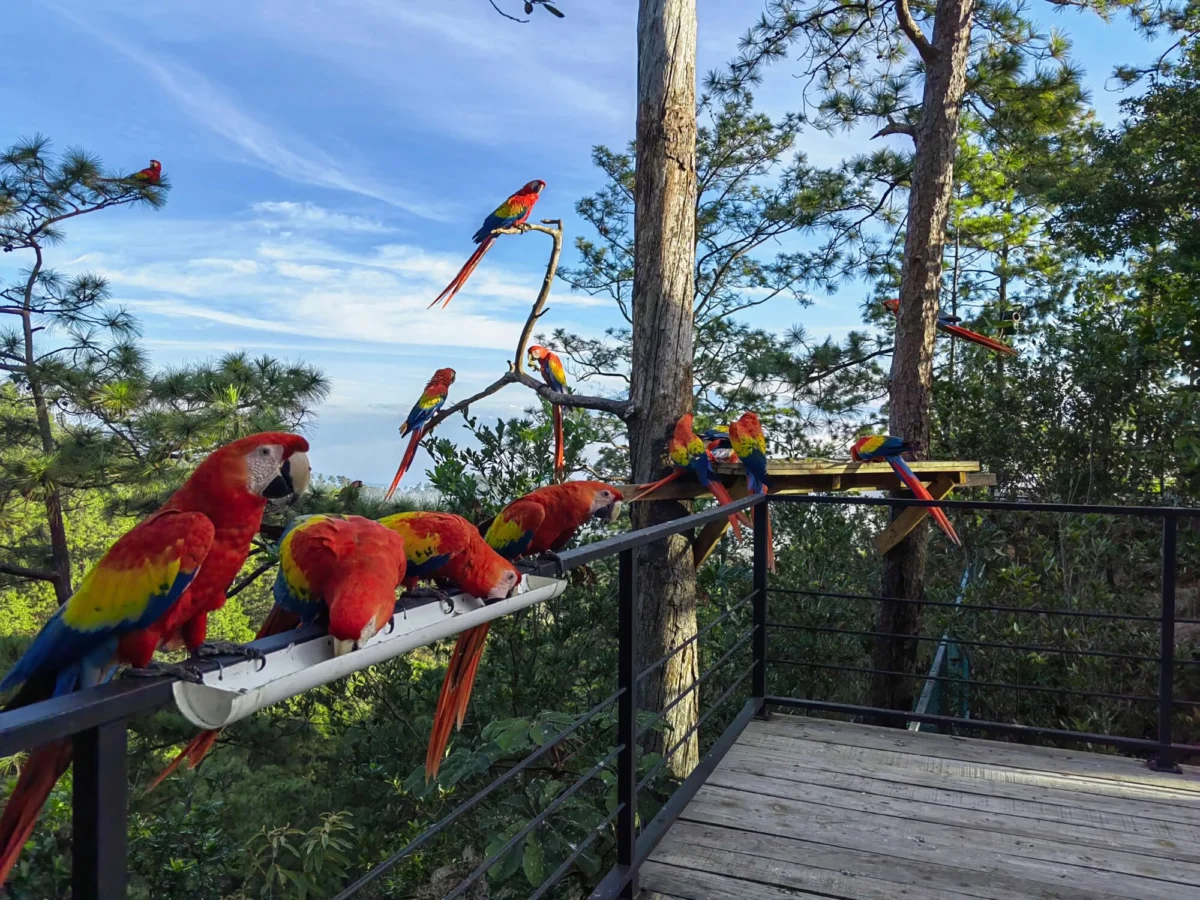
In 2018, a breathtaking spectacle of scarlet, yellow, and blue painted the skies above Esquipulas, a Guatemalan municipality situated near the Honduran border. The vibrant colors belonged to a scarlet macaw (Ara macao), a majestic bird likely on an exploratory flight from the celebrated reintroduction programs flourishing in Copán Ruinas, Honduras. For the family fortunate enough to witness this fleeting encounter, it was a moment of profound awe. However, for many in the local community, the appearance of this wild creature was perceived as a novelty, prompting immediate attempts by residents to capture the bird and keep it as a pet. Fortunately, the macaw evaded its pursuers and did not return to that particular area. This singular incident served as a potent catalyst, underscoring a crucial conservation truth: while human-drawn borders are impermeable, the imperative for survival knows no such boundaries. Today, a dedicated, volunteer-driven initiative is actively working within Guatemala to cultivate a network of protective communities, ensuring that when these magnificent avian travelers traverse the border, they are met with understanding and sanctuary, not with the threat of cages and slingshots.
The Copán Success Story and the Border Conundrum
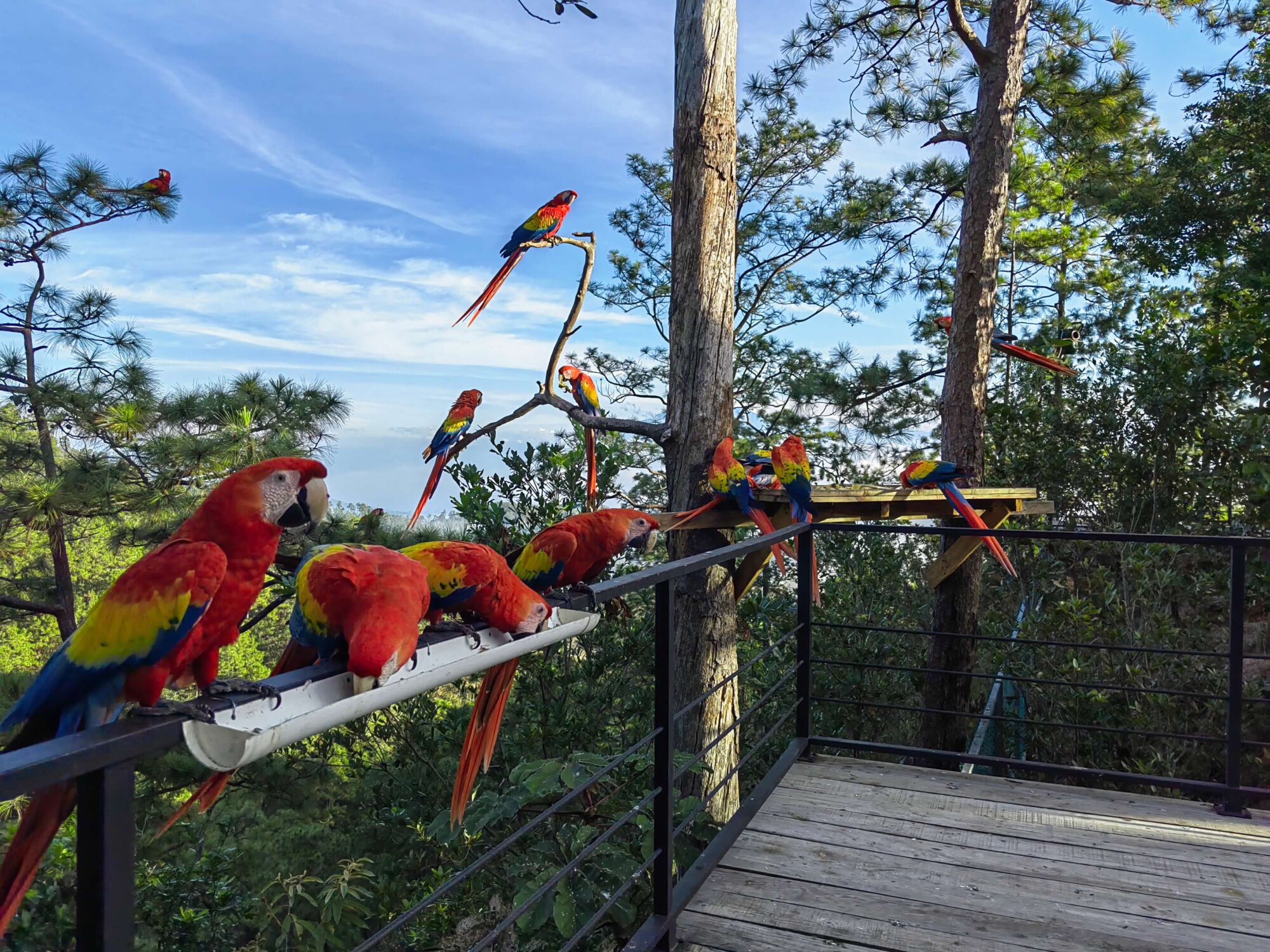
A mere fifteen-minute drive from the Guatemalan frontier lies Copán Ruinas, Honduras, the home of Macaw Mountain and its affiliated non-governmental organization, PRO ALAS. This collaborative effort has orchestrated a remarkably successful program encompassing reproduction, rehabilitation, and the reintroduction of scarlet macaws into the wild, a testament to their dedication with over 150 birds now soaring freely. The genesis of this program can be traced back to the early 2000s when the scarlet macaw population in the region had dwindled to critically low numbers due to habitat loss and poaching. Recognizing the dire situation, a coalition of local conservationists and international partners, including the organization One Earth Conservation, initiated efforts to establish a sanctuary and breeding facility. Macaw Mountain officially opened its doors in 2001, commencing its ambitious mission to repopulate the skies with these iconic birds.
However, as the macaw population in Honduras rebounds and expands, an increasing number of these birds are venturing across the international border into Guatemala. On this side of the border, they encounter immediate and significant dangers. Reports of children pelting them with stones and adults attempting to capture them for the lucrative illegal pet trade are distressingly common. This stark reality highlights a critical challenge: the profound success of Copán’s environmental education programs must be mirrored and expanded upon in Guatemala to ensure the long-term survival of these transboundary avian populations. The implications of this cross-border migration are substantial, indicating that conservation efforts in one nation can have a direct and vital impact on the success of such endeavors in neighboring countries, necessitating a coordinated and collaborative approach to wildlife protection.
Fostering a New Generation of Guardians: Apples, Coloring Books, and Community Pride
Fueled by the pressing need to address these threats, Christian Chinchilla, a young and passionate Guatemalan biologist, has forged a vital partnership with the Parrot Conservation Corps of One Earth Conservation (OEC). Equipped with specialized training acquired through OEC’s comprehensive courses and a modest initial grant, a grassroots initiative has taken root. Operating entirely on the dedication of volunteers, Christian and his girlfriend have embarked on a mission to fundamentally shift perceptions within Caparjá, a border village in Guatemala.
Prior to engaging directly with the youngest members of the community, the team meticulously cultivated a foundation of profound respect and trust. Collaborating with Plan Trifinio, a tri-national governmental development agency, and the Municipality of Camotán, they orchestrated a pivotal field trip. This initiative brought local village leaders and primary school teachers directly to Macaw Mountain, providing them with an immersive experience to witness firsthand the breathtaking beauty and undeniable ecological significance of the scarlet macaws. This strategic approach ensured that community influencers were equipped with firsthand knowledge and a personal connection to the cause, thereby amplifying the project’s reach and credibility.
With the unwavering endorsement and blessing of the community, the project was then introduced into the classrooms. The educational materials were designed to be engaging and accessible, incorporating elements that resonated with the children’s daily lives. This included the distribution of apples as a tangible reward for participation, and the provision of coloring books adorned with vibrant illustrations of macaws and their natural habitat. These simple yet effective tools served a dual purpose: they made learning fun and memorable for the children, while simultaneously reinforcing the visual appeal and cultural importance of the macaws.
The response from the children was overwhelmingly enthusiastic. They were not merely absorbing abstract biological facts; they were learning about the very birds they had observed soaring above their own homes. This direct connection fostered a powerful sense of ownership and responsibility. The educational program effectively transformed the children from potential threats to the macaws into enthusiastic advocates and future guardians, instilling in them a deep appreciation for their natural heritage. The impact of this approach extends beyond individual learning, laying the groundwork for a broader societal shift in attitude towards wildlife conservation.
Reclaiming a Living Mayan Legacy: Connecting with Ancient Roots
This crucial conservation work is intrinsically interwoven with the cultural identity of the region. The border area is home to the indigenous Chorti Maya population, a people whose ancestral lands have spanned both sides of this geographical divide for generations. Inscriptions, statues, and intricate sculptures found at the nearby Copán Ruinas archaeological site—a testament to the ingenuity of the Chorti ancestors—are adorned with numerous depictions of macaws. For centuries, these magnificent birds were revered as potent symbols representing the sun, the sky, and the spiritual realm. By educating the Chorti children in Guatemala about the macaws, this project transcends the mere transmission of scientific knowledge. It serves as a profound mechanism for a community to re-establish a tangible connection with a living, breathing element of its own rich history and cultural heritage. This endeavor acknowledges and celebrates the enduring legacy of the Maya, recognizing the scarlet macaw not just as a species in need of protection, but as a vital cultural icon that holds deep historical and spiritual significance for the people of the region. The project’s success in fostering this connection can lead to a more profound and sustainable approach to conservation, rooted in cultural pride and ancestral wisdom.
Navigating Challenges: Running on Fumes, but Hope on the Horizon
Despite the resounding success of the initial school visits and the tangible shift in community attitudes, the project encountered a predictable and frustrating hurdle: the depletion of its initial course funding. Currently, the entire conservation campaign is sustained solely by the extraordinary dedication of Christian and his girlfriend, who are selflessly volunteering their time to maintain community engagement and momentum. Their tireless efforts, however, have not gone unnoticed and have begun to capture the attention of the highest echelons of government.
Through the persistent advocacy of Plan Trifinio, the Vice President of Guatemala, Dr. Karin Herrera, personally undertook a visit to Macaw Mountain. Dr. Herrera expressed profound delight at the project’s innovative, border-bridging vision and pledged government support, which the team eagerly anticipates will materialize in the coming months. This high-level endorsement signifies a potential turning point for the initiative, offering the promise of sustainable funding and broader governmental backing for conservation efforts in the region. The potential implications of this governmental support are far-reaching, potentially enabling the expansion of educational programs, the establishment of protected areas, and the implementation of long-term strategies for macaw conservation and habitat restoration.
Building a Safe Haven: How You Can Contribute to the Future
While the prospect of long-term governmental aid offers a beacon of hope, the scarlet macaws continue to traverse the border daily, facing the same immediate threats. Urgent bridge funding is critically needed at this juncture to re-initiate the vital school visits and complete the primary education campaign across all remaining border villages. Once the promised government funding is disbursed, the team plans to strategically redirect these substantial institutional resources towards critical initiatives such as habitat protection, nesting monitoring, and community-led reforestation efforts, working in close collaboration with the local villagers.
By contributing to this initiative, individuals can play a direct role in ensuring that when a scarlet macaw takes flight from Honduras into Guatemala, it is met not with peril, but with a safe haven, a welcoming community, and a generation of children empowered to become its staunchest protectors. This is more than just a conservation project; it is an investment in the future of biodiversity, cultural heritage, and transboundary cooperation.
This month, Lafeber’s donation will be directed towards bolstering further educational programs in Guatemala. The dedicated individuals involved in this project are striving to achieve conservation outcomes comparable to those successfully implemented by the scarlet macaw project just across the border in Honduras. We extend our sincere gratitude to One Earth Conservation for their instrumental role in launching this initiative and for their continued, invaluable support. The collaborative spirit and unwavering commitment of all involved are forging a path towards a brighter future for these magnificent birds and the communities that share their environment.
