
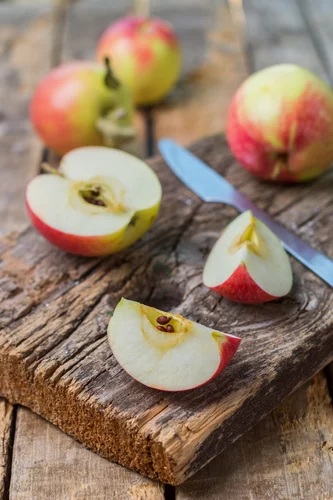
Apples are a common dietary supplement for backyard poultry, providing essential vitamins and fiber, yet their integration into a chicken’s diet requires specific preparation to mitigate potential health risks associated with the fruit’s seeds. While the flesh and skin of the apple are highly beneficial to avian health, the seeds contain amygdalin, a chemical compound that converts to hydrogen cyanide when ingested and metabolized. Understanding the chemical composition of these fruits and implementing proper handling techniques is essential for poultry keepers aiming to maintain the health and longevity of their flocks.
The Nutritional Profile of Apples in Avian Diets
Apples are considered a nutrient-dense treat that, when provided in moderation, can supplement the nutritional requirements of a balanced layer feed. They are an excellent source of dietary fiber, which aids in digestive health, and they contain various antioxidants, including quercetin and vitamin C, which help combat oxidative stress in poultry. When consumed as part of a varied diet, apples can provide a psychological enrichment benefit for chickens, particularly when served in ways that encourage natural foraging behaviors, such as slicing them or suspending them for the birds to peck at.

However, nutritional experts in the field of poultry science emphasize that treats should never account for more than 10% of a chicken’s total daily caloric intake. This equates to approximately one to two tablespoons of fruit per bird per day. Over-reliance on supplemental treats can lead to nutritional imbalances, as treats often lack the fortified proteins, calcium, and amino acids found in high-quality commercial layer pellets.
The Toxicity of Cyanide: A Biochemical Overview
The primary concern regarding feeding apples to poultry lies within the seeds, which house the compound amygdalin. When a chicken consumes whole, crushed, or chewed apple seeds, the amygdalin interacts with enzymes in the digestive tract to release hydrogen cyanide. This toxin functions by inhibiting cytochrome c oxidase, a critical enzyme in the cellular respiration chain. By blocking this enzyme, cyanide prevents cells from utilizing oxygen, effectively causing internal suffocation at the cellular level.
While the concentration of amygdalin in a single apple seed is relatively low, and a healthy, mature chicken may be able to process small, accidental amounts without showing immediate signs of distress, the risk is cumulative and particularly dangerous for vulnerable members of the flock. Younger chicks, geriatric birds, or chickens suffering from underlying health conditions or weakened immune systems are at a significantly higher risk of experiencing adverse reactions.

The clinical presentation of cyanide poisoning in poultry is rapid and severe. Owners should monitor for symptoms such as respiratory distress, characterized by panting or labored breathing, a blue-tinted or darkened comb, lethargy, loss of coordination, rapid heart rate, and in extreme cases, cardiac arrest, coma, or sudden death. Because the onset of these symptoms is swift, prevention through rigorous preparation remains the only effective management strategy.
Chronology of Orchard-to-Coop Integration
The practice of supplementing poultry diets with fruit has evolved alongside the rise of the modern backyard chicken movement. Historically, homesteaders utilized surplus crops—including fallen orchard fruit—as a cost-effective way to supplement feed. However, the formalization of "treat guidelines" has only become standard practice over the last two decades as urban and suburban poultry keeping has gained professional oversight.
- Early 2000s: As the backyard poultry industry expanded, veterinarians began documenting cases of digestive distress and unexplained lethargy in backyard flocks, often linked to the ingestion of improperly prepared garden waste.
- 2010–2015: Increased research into avian toxicology led to the widespread identification of cyanogenic glycosides in common garden plants, including the pits of stone fruits (cherries, peaches, plums) and the seeds of pomaceous fruits (apples, pears).
- 2016–Present: Veterinary associations and poultry experts have standardized the recommendation that any fruit containing seeds or pits must be processed before being offered to a flock. This shift reflects a broader commitment to "bio-secure" homesteading, where environmental stressors are intentionally mitigated by the keeper.
Comparative Risk: Pomaceous vs. Stone Fruits
The danger inherent in apple seeds is shared by other common fruits frequently found in gardens. Stone fruits—such as cherries, apricots, peaches, and plums—contain pits that also harbor cyanogenic compounds. While it is statistically unlikely for a chicken to possess the beak strength required to crack open a hard stone fruit pit to access the cyanide-rich kernel inside, the risk remains a significant consideration for flock managers.

The current industry standard for the safe administration of these fruits involves a three-step protocol:
- Inspection: Ensure the fruit is free of mold, pesticide residue, or signs of fermentation, which can lead to alcohol poisoning or mycotoxin ingestion.
- Coring and Pitting: The core of the apple, including all seeds, must be removed using a standard coring tool or knife. For stone fruits, the pit must be completely removed.
- Portioning: Fruits should be sliced into bite-sized pieces to prevent choking hazards and to ensure equitable distribution among the flock, preventing dominant birds from over-consuming the treat.
Implications for Flock Management and Bio-Security
The inclusion of fruits like apples in a chicken’s diet has implications for both the individual health of the bird and the broader economic stability of the flock. For instance, in commercial or high-value egg-production settings, diet consistency is strictly regulated to ensure egg quality and shell thickness. While backyard keepers have more flexibility, they must balance the psychological benefits of "treats" against the physiological requirements of their birds.
From a behavioral perspective, providing apples can reduce instances of feather pecking and aggressive social behavior by providing a constructive outlet for foraging. When an apple is hung from the top of a coop, the chickens are forced to jump and peck, which provides physical exercise and mental stimulation. However, if the apple is not properly cored, this activity could inadvertently expose the flock to a concentrated dose of toxic seeds as the fruit is broken apart during play.

Expert Guidance and Best Practices
Industry experts, including those with extensive backgrounds in poultry husbandry, advocate for a "safety-first" approach. This includes maintaining a strictly verified list of safe and toxic foods. Many toxic substances are commonly found in the landscape, such as nightshades (tomatoes, peppers, potatoes) that are not fully ripe, or plants like rhubarb and azaleas, which are highly toxic to poultry.
When introducing any new treat, keepers are encouraged to follow the "slow introduction" method. Start with a small amount to observe how the flock reacts and to ensure there are no negative digestive consequences. If the birds display signs of crop impaction, diarrhea, or lethargy, the treat should be removed immediately.
Furthermore, sanitation is critical. Any fruit remnants left in the run that are not consumed within a few hours should be removed. Decomposing fruit attracts rodents, flies, and other pests that act as vectors for avian diseases, such as Coccidiosis or Marek’s disease. By treating the coop environment with the same level of caution as a commercial facility, backyard keepers can significantly increase the health outcomes of their birds.

Conclusion: A Balanced Approach to Nutrition
Apples, when prepared with diligence and served as a controlled component of a broader nutritional plan, are an excellent treat for chickens. They offer a unique combination of hydration, vitamins, and entertainment. However, the presence of cyanide-producing compounds in the seeds necessitates a mandatory coring process. By removing the core and providing the fruit in measured, appropriate quantities, owners can enhance the lives of their poultry without exposing them to unnecessary chemical risks. The responsibility rests with the keeper to remain informed, to prioritize the removal of known toxins, and to adhere to the standard of "everything in moderation." As the practice of backyard poultry keeping continues to grow, such informed management remains the cornerstone of sustainable and ethical bird husbandry.
