
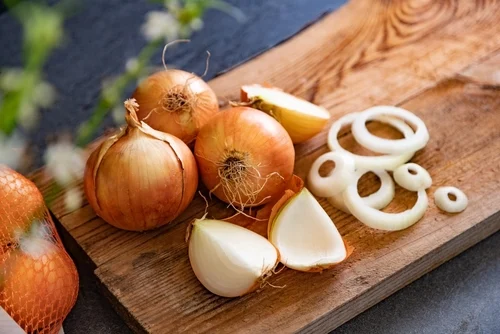
The health and longevity of a backyard poultry flock depend heavily on nutritional management, yet many owners remain unaware of the significant risks posed by common household vegetables, specifically those in the Allium genus. While kitchen scraps are frequently repurposed as supplemental feed for chickens, onions (Allium cepa) and their close relatives represent a physiological hazard that can lead to severe anemia, internal organ failure, and in acute cases, mortality. Understanding the biological mechanisms behind this toxicity is essential for any poultry keeper aiming to maintain a healthy environment for their birds.
The Biological Basis of Allium Toxicity
The primary concern regarding the ingestion of onions by avian species is the presence of sulfur-containing compounds, most notably N-propyl disulfide and thiosulphate. When these compounds are ingested, they act as potent oxidizing agents. In a healthy chicken, red blood cells are responsible for the vital transport of oxygen throughout the body. The ingestion of thiosulphate causes oxidative damage to these red blood cells, specifically targeting the cell membrane and hemoglobin.

This process results in the formation of Heinz bodies—small, insoluble aggregates of denatured hemoglobin. As these damaged cells circulate, the avian spleen identifies them as defective and removes them from the bloodstream. When the rate of red blood cell destruction exceeds the bird’s capacity to regenerate them through hematopoiesis, the chicken develops hemolytic anemia. This condition deprives vital tissues of oxygen, leading to secondary complications such as jaundice, lethargy, and cardiovascular strain.
Identifying the Symptoms of Toxicity
The clinical presentation of thiosulphate poisoning in poultry is often progressive. Initial signs are frequently subtle, making early detection difficult for owners who do not monitor their flocks closely. As the concentration of toxins increases, the following symptoms may manifest:
- Respiratory Distress: Because the blood is less capable of transporting oxygen, chickens may exhibit rapid breathing or gasping, even when at rest.
- Lethargy and Weakness: A significant reduction in hemoglobin levels leads to extreme fatigue. Birds may isolate themselves from the flock and exhibit a lack of interest in normal foraging behaviors.
- Gastrointestinal Disturbance: Diarrhea and digestive discomfort are common, as the body struggles to process the toxic compounds.
- Jaundice: In more severe, advanced stages of toxicity, the skin, mucous membranes, or even the egg yolks may take on a yellowish hue due to the breakdown of red blood cells.
It is important to note that the sensitivity to thiosulphate varies among individual birds based on age, body weight, and the volume of consumption. However, there is no known "safe" threshold for onions in a chicken’s diet, and veterinary consensus dictates that these should be excluded entirely from feed programs.

The Broader Allium Family and Associated Risks
The risk associated with onions extends to other members of the Allium genus. Many owners assume that if an item is safe for human consumption, it is safe for livestock; however, this is a dangerous misconception. The following vegetables share the same chemical profile as onions and should be strictly avoided:
- Shallots: Highly concentrated levels of sulfur compounds.
- Chives: Often overlooked as a garden garnish, these contain the same toxic agents.
- Leeks: Similar in toxicity profile to onions.
- Scallions (Green Onions): Particularly dangerous due to the ease with which chickens can consume the entire plant.
While garlic is also an allium, its clinical profile differs significantly. Research suggests that while fresh garlic contains thiosulphate, it is present in significantly lower concentrations than in onions. Furthermore, the processing of garlic—such as drying and powdering—further reduces these compounds. Many agricultural experts argue that in controlled, small doses, garlic may offer immune-supportive benefits. However, this distinction remains a subject of debate, and any supplementation should be approached with extreme caution and professional guidance.
Historical Context and Veterinary Perspectives
For decades, the standard practice in backyard farming relied on "scraps-based" feeding, where any leftover food from the human kitchen was diverted to the chicken coop. It was only with the professionalization of backyard poultry keeping and the rise of veterinary research into avian medicine that the specific dangers of common vegetables were quantified. Organizations like ChickenDVM and various agricultural extension services have worked to standardize the list of "toxic treats," moving the hobby away from traditional, anecdotal methods toward science-based husbandry.

Veterinarians generally categorize onion poisoning as an preventable condition. Unlike environmental pathogens or unpredictable predation, toxic ingestion is almost entirely under the control of the owner. The historical transition from viewing chickens as "garbage disposals" to "livestock" has been instrumental in reducing the incidence of these avoidable medical emergencies.
Data-Driven Analysis of Nutritional Safety
Data from avian toxicology studies indicate that the cumulative effect of low-dose, long-term exposure is just as concerning as a single large ingestion. Chronic exposure to smaller amounts of thiosulphate can lead to sub-clinical anemia, which may not kill the bird immediately but will drastically reduce its productivity, immune response, and overall longevity.
In terms of flock management, the implications are clear: the cost of providing a balanced, species-appropriate feed is significantly lower than the costs associated with veterinary treatment or the loss of a bird. Nutritional standards for poultry are designed to ensure that the caloric and mineral intake supports egg production and physical maintenance without introducing unnecessary metabolic stress.

Best Practices for Responsible Flock Management
To maintain a healthy flock, owners should adhere to the following protocols regarding dietary supplementation:
- Strict Avoidance of Kitchen Scraps: Unless an owner can verify every ingredient in a leftover meal, it is safest to exclude kitchen scraps entirely from the chickens’ diet.
- Verified Feed Sources: Use commercially prepared feed that is formulated specifically for the age and breed of the poultry. These products are rigorously tested to ensure they are free of toxins.
- Education and Documentation: Keep a current, verified list of toxic foods—including onions, chocolate, dried beans, and avocados—posted in the coop or feed storage area.
- Monitoring Health Markers: Regularly inspect the flock for signs of illness. If a bird is suspected of having ingested a toxic substance, it should be isolated immediately, and a veterinarian specializing in avian health should be consulted.
Implications for the Future of Backyard Poultry
As the popularity of backyard chicken keeping continues to rise, the dissemination of accurate, science-based information is more critical than ever. The internet has allowed for the rapid spread of both helpful advice and dangerous myths. The myth that "chickens can eat anything" is perhaps the most pervasive and damaging of these inaccuracies.
The move toward standardized, evidence-based care has improved the standard of living for countless flocks. By treating nutrition as a precise science rather than a convenient waste-management strategy, owners can ensure that their chickens lead longer, more productive, and pain-free lives. The exclusion of onions and other alliums from the poultry diet is a fundamental component of this modern, responsible approach to animal husbandry. Owners who prioritize these standards contribute to a broader culture of animal welfare that benefits both the birds and the families that raise them.
