
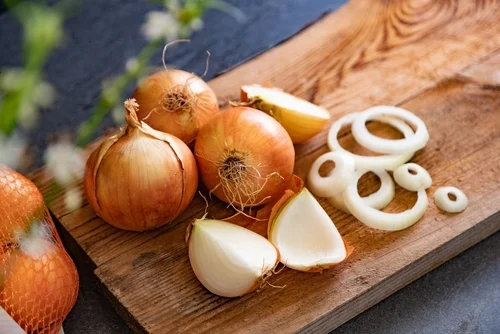
The health and longevity of a backyard chicken flock rely heavily on the nutritional management of the birds, yet common kitchen scraps often pose hidden risks to avian health. Among the most frequently debated items in poultry nutrition is the onion, a staple in human diets that carries significant toxicological risks for chickens. Veterinary science and poultry health experts have established a consensus that onions, along with other members of the Allium genus, should be strictly excluded from the diet of domestic poultry due to the presence of the organosulfur compound thiosulphate.
The Toxicological Profile of Allium Vegetables
The primary concern regarding the ingestion of onions—including red, yellow, white, and spring onions—is their high concentration of thiosulphate. While this compound is a natural defense mechanism for the plant against herbivores and soil-borne pathogens, it is highly detrimental to the physiological processes of various animal species, including chickens, dogs, and cats.

When a chicken ingests thiosulphate, the compound acts as an oxidizing agent within the bloodstream. It disrupts the integrity of the red blood cell membranes, leading to a condition known as oxidative hemolysis. Essentially, the toxin destroys red blood cells faster than the bird’s bone marrow can produce new ones. Because red blood cells are responsible for transporting oxygen throughout the body, their destruction leads to hypoxia at the cellular level. When the blood can no longer effectively carry oxygen, the avian respiratory and circulatory systems suffer, which can lead to severe anemia, jaundice, and, in high-exposure cases, fatality.
Chronology of Poultry Nutritional Safety Awareness
The understanding of botanical toxicity in poultry has evolved significantly over the last several decades as backyard chicken keeping has moved from a rural necessity to a mainstream hobby. Historically, anecdotal evidence from long-time keepers often suggested that "anything from the garden" was suitable for chickens. However, as veterinary research into avian medicine advanced in the late 20th and early 21st centuries, specific toxicity thresholds for common garden plants were identified.
In the 1990s and 2000s, standardized poultry health protocols began incorporating botanical toxicity assessments. Veterinary resources, such as the Chicken DVM database and various agricultural extension services, formalized the classification of Alliums as "toxic" to ensure that the rapid rise in urban and suburban chicken keeping did not result in widespread, avoidable flock mortality. This shift in knowledge has led to a more standardized approach to feed safety, where poultry owners are now encouraged to consult lists of toxic versus non-toxic botanicals before supplementing their birds’ diets with kitchen waste.

Symptoms and Clinical Presentation of Toxicity
The clinical symptoms of onion toxicity in chickens do not always manifest immediately, often depending on the quantity ingested and the size of the bird. Poultry owners must be vigilant for signs of hemolytic anemia. Initial symptoms are often non-specific and may be mistaken for other common poultry ailments such as respiratory infections or heat stress.
Key indicators of thiosulphate poisoning include:
- Lethargy and Weakness: Affected birds often isolate themselves from the flock, showing a lack of interest in movement or foraging.
- Respiratory Distress: Because the blood is failing to transport oxygen, the birds may pant or show signs of labored breathing even in the absence of heat.
- Gastrointestinal Distress: Diarrhea and a loss of appetite are common as the bird’s systemic health deteriorates.
- Discoloration: In advanced cases, the mucous membranes and the comb may appear pale or yellowish, signaling severe anemia or jaundice.
Because these symptoms are common to many diseases, diagnosis often requires a history of potential exposure. If a flock is suspected of having consumed onions, immediate removal of the source is required, followed by supportive care provided by an avian veterinarian.

Comparative Analysis: The Garlic Exception
One of the most nuanced aspects of poultry nutrition is the status of garlic. While garlic is taxonomically related to the onion as part of the Allium family, its biochemical profile differs significantly in terms of thiosulphate concentration. Veterinary nutritionists have noted that the level of thiosulphate in garlic is substantially lower than that found in onions.
When garlic is processed—specifically when it is dried, powdered, or infused into liquids—the levels of thiosulphate become negligible. Consequently, many poultry experts support the controlled use of garlic as a natural supplement. Garlic is recognized for its potential immune-boosting, antimicrobial, and respiratory-supportive properties. Provided that the garlic is administered in recommended, small doses—typically via high-quality commercial garlic powder or properly diluted fresh infusions—it is widely considered safe. The key distinction lies in the dosage; while a small amount of onion might cause harm, it would take an impractical, high volume of garlic to induce the same oxidative damage in a healthy bird.
Broader Impact on Flock Management Practices
The classification of onions as a toxic food item highlights the broader importance of "biosecurity" within the context of nutrition. Poultry health is not merely about preventing infectious diseases but about ensuring that the metabolic environment of the bird is not compromised by environmental toxins.

From an industry perspective, commercial poultry feed is formulated to be complete and balanced. The introduction of "treats" or "scraps" disrupts this balance and introduces risks. Educational outreach from organizations like the American Poultry Association and various local 4-H programs has increasingly emphasized the need for "safe scraps" lists. By differentiating between safe organic matter (such as leafy greens, squash, and berries) and dangerous botanicals (such as onions, raw beans, and rhubarb leaves), the community has successfully reduced the frequency of accidental poisoning.
Implications for Future Poultry Nutrition
As the popularity of backyard chicken keeping continues to rise, the need for standardized nutritional literacy becomes paramount. The accidental poisoning of flocks via kitchen waste is a preventable tragedy that underscores the need for ongoing education.
The primary takeaway for flock owners is a precautionary approach: if there is any uncertainty regarding the safety of a particular food item, it should be excluded from the diet. The goal of any nutritional program should be to provide nutrients that enhance the bird’s natural vitality, not to dispose of human kitchen waste at the expense of the flock’s wellbeing. By adhering to science-based feeding guidelines—prioritizing high-quality, formulated feeds and ensuring that any supplemental treats are verified as safe—owners can significantly improve the health outcomes for their birds.

Ultimately, while the onion remains a foundational ingredient in human culinary history, it must be viewed as an incompatible element in the avian diet. The physiological vulnerability of chickens to thiosulphate is a clear biological boundary. Respecting this boundary is an essential component of responsible animal stewardship. The shift toward evidence-based feeding practices marks a maturation in the hobby, moving away from "scraps-based" feeding toward a more informed, health-centric model that views the flock as a living organism with specific and sensitive dietary requirements. As research continues to refine our understanding of avian physiology, the guidance provided to backyard keepers will only become more precise, further protecting flocks from preventable toxicological events.
