
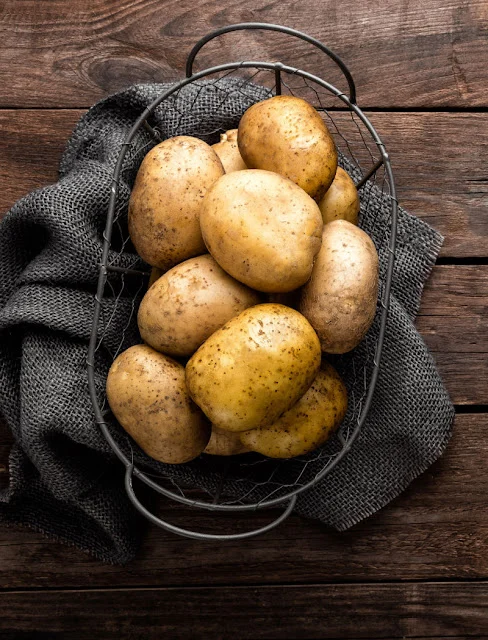
For backyard chicken keepers, the question of whether to include potatoes in a flock’s diet is a common subject of debate that hinges on botanical classification and chemical composition. While many novice keepers assume that because potatoes are a staple of the human diet, they must be safe for poultry, agricultural science and veterinary observations suggest a more nuanced approach. The safety of feeding potatoes to chickens depends entirely on the specific variety, the state of the vegetable, and the preparation method employed.

The confusion often stems from the loose categorization of tubers and root vegetables. To understand the risks, one must distinguish between the nightshade family, to which the common white potato belongs, and the morning glory family, which includes the sweet potato. This distinction is the primary factor in determining whether a specific kitchen scrap is a nutritious treat or a potential health hazard for a bird’s digestive system.
The Botanical Divide and the Risk of Solanine
White potatoes, including red and yellow varieties, are members of the Solanaceae, or nightshade, family. This family also encompasses tomatoes, peppers, and eggplants. The biological defense mechanism of these plants is the production of solanine, a glycoalkaloid that functions as a natural pesticide. In the wild, this toxin serves to protect the plant from insects and fungal infections.

For chickens, the ingestion of solanine can be problematic. While modern agricultural breeding has significantly reduced the levels of toxins in the potatoes consumed by humans, the concentration of solanine remains high in certain parts of the plant. The skin, the "eyes" of the tuber, and particularly the leaves and vines contain the highest concentrations of this neurotoxin. When a chicken consumes these parts, the cumulative effect can lead to gastrointestinal distress, neurological symptoms, and, in severe cases, metabolic impairment.
From a toxicological standpoint, solanine acts as a cholinesterase inhibitor. By interfering with the breakdown of neurotransmitters, it can disrupt the nervous system. While a single ingestion of a small amount may not result in immediate mortality, the toxin is known for its ability to accumulate in the body’s fatty tissues over time. This leads to chronic health issues that may not manifest until the bird’s organ function begins to degrade.

Limitations of Thermal Processing
A persistent myth in the poultry-keeping community is that boiling or baking potatoes neutralizes all toxins. While high-heat processing—typically above 400 degrees Fahrenheit—can partially degrade solanine, standard boiling is largely ineffective at removing the chemical from the tuber. Consequently, feeding boiled potato skins to a flock does not eliminate the risk of exposure.
Furthermore, many keepers fail to account for the "green" potato. When potatoes are exposed to light, they produce chlorophyll, which is harmless, but the process often occurs alongside an increase in solanine production. A green tinge on a potato is a visual indicator that the concentration of solanine has reached levels that are potentially dangerous to livestock. Due to the difficulty of ensuring the complete removal of all potentially toxic components, agricultural experts generally advise against including white potatoes in a standard poultry diet.

Sweet Potatoes: A Nutritional Alternative
In contrast to the white potato, the sweet potato (Ipomoea batatas) belongs to the Convolvulaceae, or morning glory family. Despite the shared name, there is no botanical overlap between the two. Sweet potatoes are widely considered safe for consumption by chickens in all forms: raw, cooked, peeled, or with the skin intact.
From a nutritional perspective, sweet potatoes offer significant benefits. They are rich in beta-carotene—a precursor to Vitamin A—as well as potassium, fiber, and manganese. For laying hens, these nutrients support immune function and reproductive health. Furthermore, the lower glycemic index of sweet potatoes compared to white potatoes makes them a more stable energy source for birds.

The inclusion of sweet potato vines and leaves in a diet is also supported by nutritional research. In many tropical regions, sweet potato foliage is utilized as a high-protein supplement for poultry, providing essential amino acids that are often lacking in grain-heavy commercial feeds.
The Role of Yams in Poultry Diets
Yams, which are often confused with sweet potatoes in North American supermarkets, are tubers belonging to the Dioscoreaceae family. Unlike sweet potatoes, yams are not inherently toxic, but they do require specific preparation. Raw yams contain naturally occurring proteins and compounds, such as oxalates, that can be difficult for a chicken to digest.

Oxalic acid, when ingested in high quantities, can bind to calcium in the bird’s bloodstream. This is a critical concern for chicken keepers because calcium is the primary building block of eggshells. A diet high in oxalates can lead to a deficiency, resulting in thin or soft-shelled eggs and potential skeletal issues for the hen. Therefore, the industry standard for feeding yams is to ensure they are thoroughly cooked and served in moderation to prevent nutritional imbalances.
Historical Context and Modern Best Practices
The evolution of backyard poultry keeping over the past two decades has led to a greater emphasis on "natural" diets. While this movement has encouraged keepers to utilize garden waste, it has also necessitated a more scientific approach to what is considered "safe."

In the early 2000s, it was common for hobbyists to feed kitchen scraps indiscriminately. However, as the popularity of backyard flocks surged, veterinary reporting on avian nutrition began to highlight the long-term impact of improper diet. Data from agricultural extension offices now consistently categorizes white potato scraps as a "cautionary" item.
The standard guideline for treats, regardless of their safety, remains the 10 percent rule: treats should account for no more than 10 percent of a bird’s total daily caloric intake. This ensures that the bird maintains a balanced diet from its primary layer feed, which is formulated with the necessary vitamins, minerals, and proteins to sustain health and production.

Implications for Flock Management
For the average flock owner, the implication of these findings is clear: the risk-to-reward ratio of feeding white potatoes is unfavorable. Given the availability of safer, more nutrient-dense alternatives like sweet potatoes, pumpkins, or leafy greens, there is little incentive to incorporate nightshade tubers into a feeding program.
Furthermore, the issue of mold must be addressed. Any tuber—whether a sweet potato or a white potato—that exhibits signs of mold or rot should be strictly discarded. Mycotoxins, which are produced by various fungi, are significantly more dangerous to poultry than the trace amounts of solanine found in a potato skin. These toxins can cause rapid liver damage and are often fatal.

Conclusion: A Strategic Approach to Feeding
The decision to feed potatoes to a flock should be informed by a clear understanding of plant biology. White potatoes pose a lingering risk due to solanine, a neurotoxin that can cause both acute and chronic health issues. While they are unlikely to cause immediate death, they do not offer the nutritional value required to justify the potential risk to the bird’s internal organs.
Sweet potatoes and yams, provided they are managed correctly, serve as excellent supplemental foods. They provide a spectrum of vitamins and minerals that can enhance the health of the flock. By prioritizing these alternatives, poultry keepers can ensure that their birds receive the benefits of a varied diet without the risks associated with the nightshade family.

Ultimately, the goal of any feeding strategy should be the long-term health and productivity of the bird. In the context of backyard poultry, this means favoring nutrient-dense, non-toxic food sources and treating all kitchen scraps with the scrutiny they deserve. Through careful selection and preparation, owners can provide their flocks with safe, high-quality nutrition that supports a long and healthy life.
