
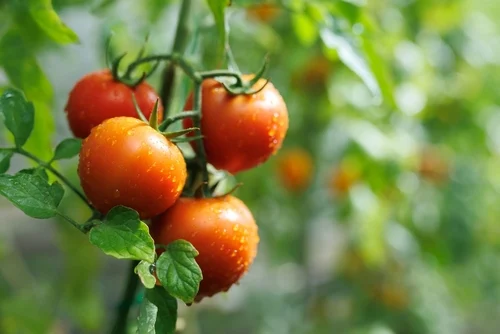
The inclusion of tomatoes in the diet of backyard poultry has long been a subject of debate among agricultural experts and hobbyist farmers. While the fruit of the tomato plant offers a profile of beneficial nutrients, the biological reality of the Solanaceae, or nightshade, family presents specific physiological risks that chicken keepers must navigate. Understanding the chemical composition of these plants—specifically the presence of glycoalkaloids—is essential for maintaining the health and longevity of a backyard flock.
The Biological Context of Nightshade Toxicity
The Solanaceae family, which encompasses tomatoes, peppers, eggplants, and potatoes, is characterized by the production of naturally occurring defensive compounds. These compounds, primarily solanine and tomatine, serve as a biological defense mechanism for the plant, protecting it against herbivores and fungal pathogens. In agricultural science, these substances are classified as glycoalkaloids.

When a tomato plant is in its developmental stage, the concentration of these toxins is at its highest in the foliage, stems, and unripe fruit. As the fruit reaches physiological maturity—evidenced by a transition in color from green to red, yellow, or purple—the concentration of these alkaloids drops significantly. However, the leaves and stems of the plant maintain high levels of these toxins throughout their entire life cycle. For poultry, ingestion of these parts can lead to varying degrees of toxicosis.
Clinical Implications of Glycoalkaloid Poisoning
The physiological impact of solanine and tomatine on avian species is well-documented in veterinary toxicology. Solanine acts primarily as a cholinesterase inhibitor, interfering with the transmission of nerve impulses. Clinical symptoms of solanine poisoning in chickens include, but are not limited to, a noticeable decrease in pulse rate, localized abdominal pain, diarrhea, and a reduction in body temperature. In more severe cases, birds may exhibit signs of central nervous system depression or respiratory distress.
Tomatine, the specific glycoalkaloid found in higher concentrations in green, immature tomatoes, primarily targets the gastrointestinal tract. Ingestion typically results in acute nausea, abdominal cramping, and severe diarrhea. Because a chicken’s digestive system is highly efficient but sensitive to chemical changes, even small, consistent doses of these toxins can lead to chronic health issues, potentially weakening the bird’s immune response and predisposing it to secondary infections.

Nutritional Profile and Moderation Strategies
Despite the inherent risks associated with the nightshade family, ripe tomatoes are not without nutritional merit. When provided in strict moderation to healthy, adult birds, they offer a dense array of micronutrients. Tomatoes are rich in carotenoids—such as lycopene—which are precursors to vitamin A, essential for maintaining ocular health and vibrant plumage in poultry. Furthermore, they contain significant concentrations of potassium, which aids in electrolyte balance, and vitamins C and K, which support skeletal integrity and immune function.
The consensus among poultry nutritionists is that any "treat," including tomatoes, should not exceed 10% of a chicken’s total daily caloric intake. For an average-sized laying hen, this equates to roughly one to two tablespoons per day. Overfeeding, even of safe, ripe fruit, can lead to nutritional imbalances, as the high water content of the tomato may cause the birds to consume less of their nutritionally complete formulated feed.
Comparative Chronology of Toxic Exposure
The risk profile for chickens changes throughout the growth cycle of the tomato plant. During the spring planting season, the risk is highest due to the presence of young seedlings and pruned foliage. Poultry allowed to forage in vegetable gardens during this time are at the greatest risk of accidental ingestion of stems and leaves.

In the mid-summer months, as plants begin to fruit, the risk shifts toward immature green tomatoes. Many backyard keepers make the error of allowing chickens to clear out "cull" piles—discarded green fruit from the end of the season. In the fall, as the garden is cleared, the danger returns to the foliage and stems of the plant, which often remain in the garden soil. Expert agricultural practices dictate that these plants be removed and composted away from the reach of the flock to prevent late-season toxicosis.
Demographic Vulnerability: Age and Health Status
The severity of glycoalkaloid toxicosis is intrinsically linked to the age and health status of the individual bird. Baby chicks, which have developing immune and digestive systems, are significantly more susceptible to the effects of solanine. The toxic threshold for a young chick is exponentially lower than that of an adult hen, making it imperative to strictly exclude any nightshade plant matter from the brooding area.
Similarly, birds suffering from underlying health conditions or those under environmental stress—such as extreme heat or cold—are less capable of processing these toxins. For this demographic, even a minor intake of tomato leaves or green fruit can be the catalyst for a systemic health crisis.

Industry Standards and Best Practices
To maintain a healthy flock, poultry keepers should adhere to a set of standardized, evidence-based practices regarding garden waste and dietary supplementation:
- Strict Exclusion: Never intentionally feed chickens the leaves, stems, or green, unripe fruit of the tomato, pepper, or eggplant plant.
- Ripeness Verification: Only provide fully ripened, red or mature-colored tomatoes. If a tomato is partially green or exhibits signs of being "hard" or immature, it should be discarded rather than fed to the birds.
- Quantity Control: Implement a strict 10% rule for all supplemental treats. If the flock is showing signs of digestive upset, all supplemental feeding should cease immediately to allow the digestive tract to recover.
- Garden Management: Utilize physical barriers, such as fencing or wire mesh, to prevent chickens from accessing vegetable patches during the growing season. This prevents accidental grazing on toxic foliage.
- Compost Security: Ensure that garden waste is placed in secure, lidded compost bins. Chickens are opportunistic foragers and will readily consume discarded stems if given the opportunity.
Analysis of Broader Implications
The trend toward "backyard-to-table" food production has increased the necessity for rigorous, science-based husbandry education. As more individuals take on the responsibility of raising poultry, the risk of accidental exposure to common household plant toxins increases. While the tomato is a staple of the human diet, its classification as a nightshade requires a nuanced understanding of its botanical properties.
The implications of improper dietary management extend beyond the health of the individual bird; they impact the overall efficiency of the backyard farm and the quality of the eggs produced. A flock that is suffering from chronic, low-level toxicosis will exhibit reduced egg production, poor shell quality, and a lackluster appearance. By applying established toxicological data to daily feeding routines, keepers can mitigate these risks effectively.

Conclusion
In summary, while tomatoes are not inherently "poisonous" to chickens when managed correctly, the risk of solanine and tomatine exposure is a legitimate concern that requires vigilance. The decision to feed tomatoes to a flock should be predicated on the maturity of the fruit, the age of the birds, and a strict adherence to volume limitations. By prioritizing the health of the flock through informed feeding, poultry owners can safely enjoy the benefits of garden-grown produce without compromising the welfare of their animals. Scientific caution remains the most effective tool in the pursuit of sustainable and humane backyard poultry management.
