
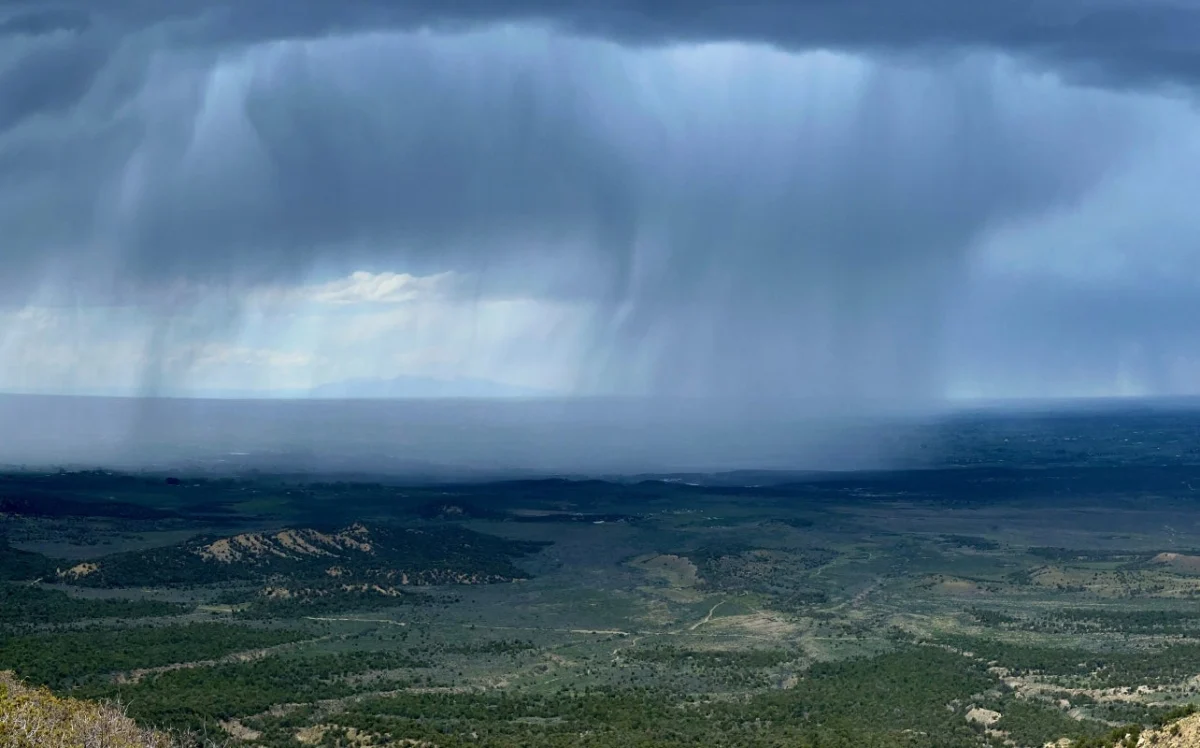
Drought in Colorado is no longer a theoretical concern; it is a palpable force actively shaping critical decisions across the state, from the intricate network of headwater streams to the vast expanse of its major reservoirs. This year, the environmental signals are undeniably stark, prompting a heightened sense of urgency and sensitivity in public discourse surrounding water resources, particularly anything that touches upon water availability. This intensified focus underscores precisely why the terminology and understanding of "ecological drought" have become so profoundly significant.
This concept is not a novel introduction but rather a more precise, scientifically informed framework for describing the profound alterations already unfolding across Colorado’s rivers, diverse landscapes, and interdependent communities. It represents a critical evolution in how experts and the public alike perceive and discuss the multifaceted impacts of water scarcity.
The Colorado River Basin Under Extreme Hydrologic Pressure
The Colorado River Basin is currently entering a water year characterized by extreme hydrologic pressure, a condition exacerbated by a confluence of adverse climatic factors. Snowpack across the Upper Basin has plummeted to record or near-record lows, a critical indicator given its role as the primary natural reservoir for the region. By early April, snow water equivalent (SWE) in many vital areas had dwindled to a mere fraction of its normal levels, marking the lowest snow cover observed within the extensive satellite record. This alarming reduction in snowpack was compounded by one of the warmest winters on record, with average temperatures consistently exceeding historical norms. Such elevated temperatures not only curtailed snow accumulation during the winter months but also accelerated the melt process prematurely in spring, leading to increased evaporative losses directly from the snowpack and saturated soils. These patterns are unequivocally consistent with the documented impacts of anthropogenic climate change across the Colorado River Basin, where rising temperatures are systematically diminishing snowpack reliability and concurrently reducing overall runoff efficiency into the river system.
These dire conditions are now starkly reflected in current hydrological forecasts. Runoff across the Upper Basin watersheds is projected to be among the lowest on record, signaling sharply reduced inflows into Lake Powell, one of the two foundational reservoirs of the Colorado River system. Both Lake Powell and Lake Mead, the other colossal reservoir downstream, continue to hover precariously near their historic low elevations. For instance, Lake Powell’s elevation has consistently remained close to its record low levels observed in 2022, hovering around 35-40% of its total capacity. Similarly, Lake Mead, critical for the Lower Basin states, also languishes at historically low levels, providing very little buffer within a system already under immense strain. Even localized spring storms, while offering temporary visual relief, have largely failed to alleviate the underlying, persistent water deficit. Dry soil conditions, persistently warm temperatures, and the reduced snowpack collectively mean that significantly less water ultimately infiltrates the ground or reaches the rivers and streams, contributing to the systemic deficit. This is not merely a single dry year; it is indicative of a complex system operating under compounding, long-term stress.
Defining Ecological Drought: A Paradigm Shift
The concept of ecological drought is instrumental in elucidating what these challenging conditions signify on the ground for natural systems. Scientifically defined, it is "an episodic deficit in water availability that pushes ecosystems beyond their thresholds—impacting ecosystem services and triggering feedbacks in both natural and human systems." This comprehensive definition represents a crucial expansion in how we conceptualize and respond to drought.
Unlike traditional meteorological or hydrological drought, which primarily focuses on precipitation deficits or streamflow reductions, ecological drought broadens the scope to encompass the systemic impacts within ecosystems. It acknowledges that drought is not solely about the lack of rain or snow; it’s about how that water deficit propagates through an entire ecological system. This includes the availability of soil moisture for plants, the health of riparian zones, the persistence of wetlands, and the overall functionality of aquatic and terrestrial habitats. Modern droughts, critically, are also exhibiting new characteristics: they are becoming hotter, longer in duration, and more widespread geographically. Their impacts are profoundly amplified by both the overarching climate conditions and intensified human water use, creating a dangerous feedback loop that further stresses natural and managed systems.
The ramifications of ecological drought are not contained within isolated natural areas. When ecosystems cross critical thresholds—such as the loss of vital wetland functions, dramatic shifts in dominant vegetation types, or widespread degradation of essential habitats—these changes invariably feed back into the broader water supply system. This has far-reaching implications for sectors like agriculture, significantly escalating wildfire risk across expansive landscapes, and ultimately undermining community stability by impacting water reliability and local economies.
Historical Context and Climate Change Drivers
The Colorado River Basin has a long history of variability, but the current era marks a significant departure from historical norms. The early 21st century has seen the basin gripped by what many scientists refer to as a "megadrought," a period of prolonged aridity unlike anything recorded in over 1,200 years. This contemporary drought, however, is distinct from past natural dry spells. Research from institutions like NASA’s Earth Observatory and academic journals consistently highlights that human-caused climate change is intensifying the severity and duration of current droughts. Rising global temperatures mean that even when precipitation occurs, a greater proportion of it is lost to evaporation, and snowpack melts earlier, reducing its efficacy as a natural water reservoir.
The Colorado River Compact of 1922, the foundational document governing water allocation in the basin, was drafted during a relatively wet period, leading to allocations that, in hindsight, overestimated the river’s long-term average flow. This fundamental mismatch between allocated rights and actual water availability has become increasingly problematic in a warmer, drier climate. Over the decades, the basin states and tribes have relied on complex operational agreements, but these are increasingly challenged by the persistent aridification. The current operating guidelines, established to manage the reservoirs and allocations, are set to expire, necessitating crucial renegotiations at a time when the system is under unprecedented stress. This historical context underscores that the present crisis is not an anomaly but rather the culmination of long-term climate trends colliding with established water management practices.
What Ecological Drought Looks Like in Colorado Right Now
In Colorado, the manifestations of ecological drought are evident as profound shifts in the timing, duration, and connectivity of water across the landscape. Even with intermittent recent moisture events, the underlying ecological impacts persist and accumulate:
- Earlier drying of high-elevation meadows and wetlands: Critical water sources that once sustained ecosystems well into summer are now receding weeks ahead of schedule.
- Reduced flows in headwater streams: The very genesis points of Colorado’s rivers are experiencing diminished volumes, impacting downstream flows and water availability for all users.
- Disrupted hydrologic connectivity: The natural flow pathways that connect wetlands, rivers, and floodplains are being severed more frequently and for longer periods, isolating habitats and disrupting ecological processes.
- Stressed vegetation and increased fire risk: Drier soils and hotter conditions weaken plants, making them more susceptible to disease and significantly increasing the fuel load for wildfires, extending the fire season.
These are not always dramatic, immediately visible changes, but their cumulative effects are profound, especially when they occur in consecutive years, drastically reducing the time ecosystems have to recover. This signifies a critical shift: drought is no longer merely an episodic event. It is becoming increasingly persistent, with ecosystems spending less time in crucial recovery phases and more time enduring chronic stress.
Birds as Early Indicators of Systemic Stress
For migratory and resident bird species, these hydrological shifts have immediate and often devastating consequences. Migratory birds depend on a network of wetlands that function as vital stepping stones across vast landscapes, providing essential resting, feeding, and breeding grounds. When these wetlands shrink drastically or disappear earlier in the season, available habitat becomes compressed, forcing birds into smaller, more competitive areas, or leaving them without critical resources during arduous journeys.
Riparian birds, such as the vibrant Northern Yellow Warbler and the ubiquitous Song Sparrow, rely heavily on the dense, water-supported vegetation found along riverbanks and stream corridors during their breeding seasons. Earlier drying directly reduces both the protective cover these species need from predators and the availability of their insect food sources. Wetland-dependent species, including the elegant American Avocet, the distinctive White-faced Ibis, and the majestic Sandhill Crane, are acutely sensitive to the contraction of shallow-water habitats, which are crucial for their foraging and nesting activities. The loss of these habitats can lead to reduced breeding success and population declines.
Beneath the surface, these hydrological changes trigger fundamental shifts in aquatic food webs. The emergence patterns of aquatic insects, a primary food source for many bird species and other wildlife, are altered under drier conditions. This creates a critical mismatch with the nesting cycles of birds, meaning that even if birds arrive, their food sources may have already emerged and disappeared, or may be significantly diminished. Birds are often among the first organisms to signal these environmental changes, acting as sensitive barometers of ecological health. However, their struggles are merely symptomatic of broader systemic disruptions that ultimately affect all components of the ecosystem.
People Are Integral to This Connected System
Ecological drought unequivocally demonstrates a crucial truth: the natural environment and human society are not separate entities but rather a single, profoundly connected system responding together to water availability. The very same hydrological processes that sculpt vital habitats for wildlife also directly influence outcomes for human populations. For instance, soil moisture levels are a primary determinant of forage conditions for agricultural livestock and crop production, directly impacting the livelihoods of farmers and ranchers. The timing and overall availability of water directly affect the reliability of municipal supplies for communities, dictating urban planning and economic development. Robust river flows are essential for supporting recreational activities such such as rafting, fishing, and kayaking, which in turn bolster local economies through tourism. Moreover, healthy, connected floodplains play a critical role in mitigating flood risks and supporting ecological recovery after natural disturbances like wildfires or extreme weather events.
These myriad benefits that people derive from functioning natural systems are collectively known as ecosystem services. When these natural systems are subjected to chronic strain or begin to break down under the pressure of ecological drought, the provision of these essential services inevitably declines. This decline has cascading economic, social, and environmental consequences, impacting everything from food security and public health to cultural practices and overall quality of life.
Implications for the Colorado River Basin and Future Management
The scientific evidence is increasingly pointing towards a conclusion far greater than the impact of any single dry year. The Colorado River Basin is progressively operating within a fundamentally warmer, drier climatic regime, characterized by less reliable snowpack and significantly higher variability in water availability. Recent conditions eerily mirror some of the most consequential low-flow years in recorded history, and critically, such extreme events are becoming more frequent, transforming what was once an anomaly into a new normal.
Compounding this environmental reality is the imminent expiration of current operating guidelines for the Colorado River, necessitating a comprehensive renegotiation. The decisions made in the coming months and years will profoundly shape how the entire system responds to these evolving and challenging conditions. What is urgently needed is a fundamental paradigm shift in water management. This shift must move beyond reactive, year-to-year crisis management towards the implementation of more durable and flexible operational strategies. It demands a transition from short-term, stop-gap fixes to sustained, strategic investments in long-term resilience for both natural and human systems. Furthermore, fragmented efforts must give way to stronger alignment and collaboration across states, Tribal nations, and diverse water users throughout the basin.
There is a growing and widespread recognition that viable solutions must encompass a multifaceted approach, integrating aggressive conservation measures, enhanced water efficiency across all sectors, strategic infrastructure improvements, and robust investments in watershed health. This includes critical restoration efforts aimed at improving how water is naturally stored and functions across the landscape, enhancing natural filtration, and recharging groundwater. Without this kind of comprehensive alignment and concerted action, the risks will continue to compound—ecologically, economically, and socially—threatening the long-term sustainability of one of North America’s most vital water resources.
A Clearer Lens for What Lies Ahead
Ecological drought is not merely a new item on the environmental agenda; it represents a sophisticated and essential framework for understanding the intricate mechanisms of drought in today’s rapidly changing world. It elucidates precisely how water shortages propagate through complex ecosystems, how their impacts cascade across various natural and human domains, and ultimately, how these impacts invariably reach and affect people.
This concept inherently connects the health of snowpack to the vitality of rivers, the integrity of rivers to the resilience of habitats, and the stability of habitats to the well-being of communities. It underscores an essential, undeniable truth: when ecosystems are pushed beyond their intrinsic limits, the consequences do not remain confined to the ecological sphere; they inevitably become systemic, permeating every aspect of the human-environment interaction.
This profound understanding of ecological drought is why its relevance is paramount now. The critical question confronting decision-makers and communities is not simply how to react to the immediate challenges of this year’s drought. Rather, it is whether we are collectively building a resilient system—one that can function effectively, both ecologically and socially—under the increasingly harsh and variable conditions that are not merely approaching, but are, in many respects, already here. This complex, interconnected challenge represents the conversation that demands our utmost attention and collaborative effort to resolve effectively.
