
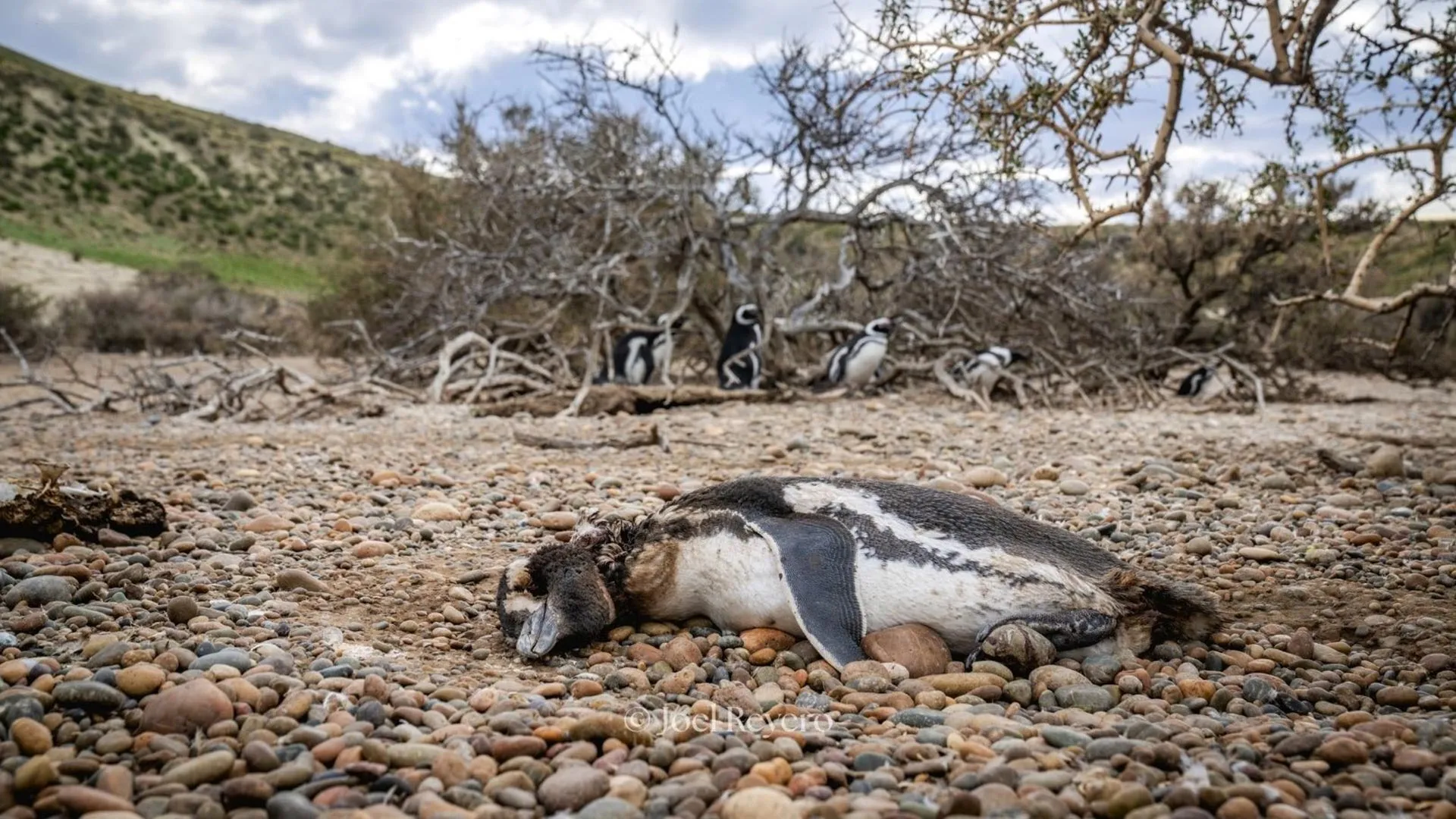
A profound ecological question is emerging at Monte Leon National Park on Argentina’s Patagonian coast: should conservation efforts prioritize the protection of an iconic apex predator, the puma, even when its resurgence poses a significant threat to a vulnerable prey species, the Magellanic penguin, particularly in ecosystems still reeling from past human disturbances? This complex dilemma lies at the heart of a recent study, revealing that while puma predation is substantial, the long-term survival of the penguin colony is more critically influenced by broader environmental stressors, especially those exacerbated by climate change. The findings underscore the intricate challenges inherent in restoring landscapes previously altered by human activity, where the return of one native species can inadvertently create new pressures on another.
The Rewilding of Patagonia: Pumas Reclaim Their Ancestral Lands
For decades, the vast, windswept plains of Patagonia bore the heavy imprint of human settlement and agricultural practices. Specifically, in southern Argentina, extensive cattle ranching operations dominated the landscape until the early 1990s. This industrial-scale grazing dramatically altered the native ecosystems, leading to habitat degradation, overgrazing, and critically, the systematic persecution of large carnivores, primarily pumas (Puma concolor). Known also as cougars or mountain lions, pumas are the largest terrestrial predators in the Americas, boasting an extraordinary adaptability that allows them to thrive in diverse habitats from Canadian forests to Patagonian steppes. However, human expansion and livestock protection measures had severely curtailed their populations and restricted their historical range across much of the continent.
With the cessation of large-scale cattle ranching in southern Argentina around 1990, a slow but steady process of ecological recovery began. As human pressure receded, the resilient puma populations, often surviving in fragmented pockets of wilderness, gradually commenced reclaiming their ancestral territories. This natural rewilding process is often hailed as a conservation success story, demonstrating the capacity of ecosystems to heal when human interference is minimized. The return of an apex predator like the puma is vital for maintaining ecological balance, regulating herbivore populations, and fostering healthier, more robust ecosystems. However, this natural return also brought unforeseen consequences, particularly as these recovering predators encountered species that had, in their absence, adapted to a world without them.
Magellanic Penguins: A Coastal Sanctuary Under New Threat
Magellanic penguins (Spheniscus magellanicus) are a charismatic species endemic to the coasts of South America, known for their distinctive black-and-white plumage and their migratory journeys across the South Atlantic. For centuries, these penguins primarily established their vast breeding colonies on offshore islands, a natural defense mechanism against land-based predators. The harsh mainland environments, historically roamed by native carnivores like pumas and foxes, presented too great a risk. However, during the period when puma populations were severely depleted or absent from the Patagonian mainland due to human activity, a significant ecological shift occurred. Sensing the reduced threat, Magellanic penguins began to establish new colonies directly on the mainland, taking advantage of more accessible nesting sites and potentially richer local food sources.
This adaptation, born of a temporary ecological vacuum, rendered them uniquely vulnerable upon the return of their natural predators. Unlike their island-dwelling ancestors, these mainland colonies had evolved with few intrinsic defenses against large terrestrial carnivores. Their waddling gait and relative slowness on land, coupled with their dense nesting aggregations, made them easy targets once pumas reappeared. Globally, Magellanic penguins already face a multitude of conservation challenges. Their population has seen significant declines over recent decades, primarily due to climate change impacting their food supply (sardines and anchovies), oil spills from shipping traffic along their migratory routes, and entanglement in fishing nets. The added pressure of a resurgent apex predator on their breeding grounds represents a novel and escalating threat to a species already teetering on the edge.
Monte Leon National Park: A Crucial Ecological Frontier
Monte Leon National Park, established in 2004, is a pivotal conservation area along Argentina’s Patagonian coast. Spanning approximately 62,000 hectares (about 153,000 acres) of terrestrial and marine environments, it represents a pristine example of the Patagonian steppe meeting the Atlantic Ocean. The park was created to protect a rich biodiversity, including significant colonies of seabirds and marine mammals, as well as the unique coastal steppe ecosystem. It is home to one of Argentina’s largest mainland Magellanic penguin colonies, alongside other iconic species such as guanacos, sea lions, and a diverse array of coastal birds. The park’s establishment was a landmark moment for Argentine conservation, signifying a commitment to preserving this unique and fragile environment.
However, the very success of rewilding within the park’s boundaries has created this unprecedented ecological challenge. The park’s management is tasked not only with protecting the charismatic penguin colonies but also with fostering a healthy, balanced ecosystem where native predators can thrive. The return of pumas to Monte Leon, while a testament to the park’s restorative capacity, directly pitted the interests of two iconic species against each other, creating a complex management dilemma that requires careful scientific understanding.
Unveiling the Interaction: A Decade of Dedicated Monitoring
Understanding the dynamics of this novel predator-prey interaction required rigorous, long-term scientific investigation. Since Monte Leon National Park’s inception in 2004, researchers from the Centro de Investigaciones de Puerto Deseado (CIPD) of the Universidad Nacional de la Patagonia Austral have been meticulously observing the penguin colonies. Working hand-in-hand with dedicated park rangers, these local scientists initiated a systematic monitoring program designed to track population trends, breeding success, and, critically, instances of predation.
A key phase of this extensive monitoring effort spanned a four-year period from 2007 to 2010. During this time, field teams meticulously recorded every penguin carcass found within the colony, carefully documenting signs of puma attacks. This data collection was painstaking, requiring daily patrols across challenging terrain, often in harsh weather conditions typical of the Patagonian coast. The initial findings hinted at a significant problem, but the true scale and long-term implications remained unclear.
To gain a deeper, more comprehensive understanding, the CIPD team subsequently forged a crucial partnership with researchers from Oxford University’s Wildlife Conservation Research Unit (WildCRU). This collaboration brought together local ecological expertise with advanced analytical capabilities, allowing for a robust assessment of the accumulated data. Postgraduate student Melisa Lera, lead author of the recent study, spearheaded the detailed analysis, applying sophisticated ecological models to the long-term datasets to decipher the true impact of puma predation on the Monte Leon penguin colony. This international scientific collaboration underscores the global importance of addressing such complex conservation dilemmas.
Thousands Lost: The Startling Scale of Predation
The results of the collaborative study were stark and initially alarming. Through careful analysis of carcass counts recorded between 2007 and 2010, researchers estimated that more than 7,000 adult Magellanic penguins were killed by pumas during that four-year period alone. To put this into perspective, this figure represents approximately 7.6% of the park’s adult penguin population, which stands at around 93,000 individuals. This is a substantial annual mortality rate attributable to a single predator, raising immediate concerns about the colony’s viability.
What made these findings particularly intriguing and concerning was the observation that many of the birds were only partially eaten, or, in a significant number of cases, not eaten at all. This pattern is characteristic of what ecologists term "surplus killing," or sometimes "superfluous killing." It occurs when predators kill more prey than they can immediately consume, often when prey are abundant, easily accessible, or particularly vulnerable. Melisa Lera explained, "The number of carcasses showing signs of predation we found in the colony is overwhelming, and the fact that they were left uneaten means pumas were killing more penguins than they required for food. This is consistent with what ecologists describe as ‘surplus killing’."
Lera further elaborated on the behavior, drawing parallels to domestic cats, which are known to exhibit similar behaviors when presented with an abundance of vulnerable prey. "Ease of capture can lead to cats hunting more birds, even when they do not end up actually eating them. We needed to understand if the penguin colony’s persistence could be threatened due to this behavior." Surplus killing, while seemingly wasteful, can have several ecological drivers, including instinctual responses to hunting opportunities, practice for younger predators, or even a form of caching, though in the case of Monte Leon, the lack of consumption suggested a strong "opportunity" component. The sheer volume of uneaten carcasses underscored the unprecedented nature of this interaction and its potential to destabilize the penguin population.
Beyond Predation: A Multifaceted Threat to Survival
Despite the alarming number of penguin deaths attributed to pumas, the population models applied by the research team revealed a more nuanced picture. When all the data were fed into sophisticated demographic models designed to project population trends, the results indicated that puma predation alone, at the observed levels, was unlikely to drive the Monte Leon penguin colony to extinction. This conclusion offered a degree of relief, suggesting that the system, while under stress, possessed a certain resilience.
Instead, the models pointed to other factors as far more influential in determining the long-term fate of the colony. Paramount among these were breeding success—the number of chicks successfully fledged per breeding pair—and, crucially, the survival rate of juvenile penguins. Extinction was only projected in hypothetical, extreme scenarios where very low juvenile survival occurred, specifically if around 20% of juveniles failed to reach adulthood, combined with extremely poor reproductive output limited to a maximum of one chick per pair. In these dire hypothetical cases, high levels of puma predation certainly exacerbated the situation, pushing the colony closer to the brink, but they were not identified as the primary, standalone cause of collapse.
Study co-author Dr. Jorgelina Marino, also from WildCRU, Oxford University, underscored the significance of these findings: "This study captures an emerging conservation challenge, where recovering carnivores are encountering novel prey. Understanding how these dietary shifts affect both predators and prey is essential to inform conservation." Her statement highlights the fact that as rewilding efforts continue globally, and ecosystems adjust to the return of long-absent species, such novel interactions are likely to become more common, requiring new frameworks for conservation management. The research emphasizes that while the immediate impact of puma predation is visible and dramatic, the underlying health and resilience of the penguin population, particularly its ability to reproduce and ensure juvenile survival, are the ultimate determinants of its long-term viability.
The Shadow of Climate Change: Amplifying Vulnerabilities
The critical role played by breeding success and juvenile mortality in the population stability of Magellanic penguins brings into sharp focus the overarching and increasingly pervasive threat of climate change. The researchers emphatically stressed the urgent need to better understand how environmental conditions, heavily influenced by global climate shifts, directly affect penguin reproduction and survival.
Magellanic penguins, like many seabirds, are highly sensitive to changes in oceanographic conditions. Factors such as nutrient availability, the abundance and distribution of their primary food sources (small pelagic fish like anchovies and sardines), and sea surface temperatures are all known to be profoundly impacted by climate change. Warmer ocean temperatures can alter currents, reduce upwelling of nutrient-rich waters, and shift fish populations away from traditional feeding grounds, forcing penguins to travel farther for food. This increased foraging effort can lead to reduced chick provisioning, lower chick survival rates, and even starvation.
Furthermore, extreme weather events, which are becoming more frequent and intense due due to climate change, pose direct threats to breeding colonies. Intense rainfall and flooding can devastate nests and drown chicks, while heatwaves can cause heat stress and mortality among both adults and young. These climate-induced stressors weaken the population’s baseline resilience, making it far more susceptible to additional pressures, including predation. When a penguin colony is already struggling with food scarcity and poor breeding seasons, even a moderate level of predation can have a disproportionately severe impact. Thus, while pumas may not be the sole cause of potential extinction, climate change acts as a powerful amplifier, making the colony’s future increasingly precarious and its ability to absorb additional mortality much lower. The study, therefore, serves as a crucial reminder that conservation challenges are rarely isolated; they are almost always interconnected with the larger tapestry of global environmental change.
A Global Challenge: Similar Ecological Shifts and Novel Interactions
The ecological conundrum unfolding at Monte Leon National Park is not an isolated incident but rather a microcosm of a broader, global trend. As conservation efforts succeed in restoring populations of apex predators and as human land-use patterns shift, similar challenges are emerging elsewhere, particularly where terrestrial predators are moving into coastal environments that were previously predator-free or had a different suite of predators.
One compelling example can be found along the Georgia coast in the USA, where non-native feral hogs (Sus scrofa) have become major predators of loggerhead sea turtle (Caretta caretta) eggs. These invasive omnivores, with their powerful snouts and opportunistic feeding habits, can devastate turtle nests, significantly impacting the reproductive success of an already endangered species. The absence of natural predators for hogs in many of these coastal areas, combined with their rapid reproductive rate, allows their populations to boom, creating immense pressure on vulnerable coastal fauna.
Similarly, in eastern North America, coyotes (Canis latrans) have been expanding their range, increasingly colonizing coastal barrier islands. These islands often serve as critical nesting grounds for various seabirds and shorebirds, which have evolved in environments with limited mammalian predation. The arrival of coyotes introduces a novel and highly effective predator into these sensitive ecosystems, altering food webs and potentially threatening the reproductive success of ground-nesting birds.
These examples underscore a fundamental principle of ecosystem restoration: reintroducing or allowing the return of one component often triggers cascading effects throughout the food web, sometimes with unforeseen and complex outcomes. The Monte Leon study provides critical data and insights into how such novel predator-prey dynamics unfold, emphasizing the need for proactive research and adaptive management strategies in a rapidly changing world. The interconnectedness of species and the fluidity of ecosystems demand a holistic approach to conservation that considers not just individual species but the entire web of life and the environmental pressures that influence it.
Navigating the Future: Adaptive Management and Continued Vigilance
The findings from Monte Leon National Park present a formidable challenge for conservation authorities. On one hand, the successful return of pumas is a triumph of rewilding, signaling a healthier, more complete ecosystem. On the other, the significant predation on Magellanic penguins highlights a potential conflict that requires careful management. The authors of the study stress that ongoing monitoring is absolutely essential to detect early signs of population decline in the penguin colony and to guide management decisions before serious, irreversible ecological damage occurs.
For Monte Leon National Park, this means maintaining the meticulous tracking of both puma and penguin populations. This includes not only carcass counts but also monitoring puma movements, diet composition through scat analysis, and assessing the overall health and reproductive success of the penguin colony. Park authorities, in collaboration with scientific partners, must develop adaptive management strategies. These could range from non-lethal deterrents around penguin colonies, habitat modifications to create safer nesting areas, or even, in extreme future scenarios, considering targeted interventions if penguin populations show steep declines directly attributable to predation. However, any intervention would need to be carefully weighed against the park’s broader mandate to restore natural processes and maintain a balanced ecosystem.
Dr. Ricardo Sáenz, a representative from Argentina’s National Parks Administration (APN), though not directly quoted in the original study, would likely echo the commitment to a science-driven approach. "Our mandate is to protect Argentina’s natural heritage in its entirety. The return of the puma is a testament to the resilience of Patagonia, and the health of the penguin colony is equally vital. We are committed to using the best available science to inform our management decisions, ensuring the long-term viability of both these iconic species within Monte Leon. This requires constant vigilance, research, and a flexible approach to conservation that adapts to the dynamic nature of these ecosystems."
The Monte Leon case study serves as a powerful reminder that conservation in the 21st century is rarely straightforward. It is a continuous process of learning, adapting, and making difficult decisions in the face of complex ecological interactions and pervasive global change. The interplay between recovering predators, vulnerable prey, and the amplifying effects of climate change demands a sophisticated, interdisciplinary approach to ensure that the triumphs of rewilding do not inadvertently lead to new conservation crises. The future of Monte Leon’s penguins and pumas hinges on this continued vigilance and adaptive management, ensuring that Patagonia’s wild heart continues to beat strong.
