
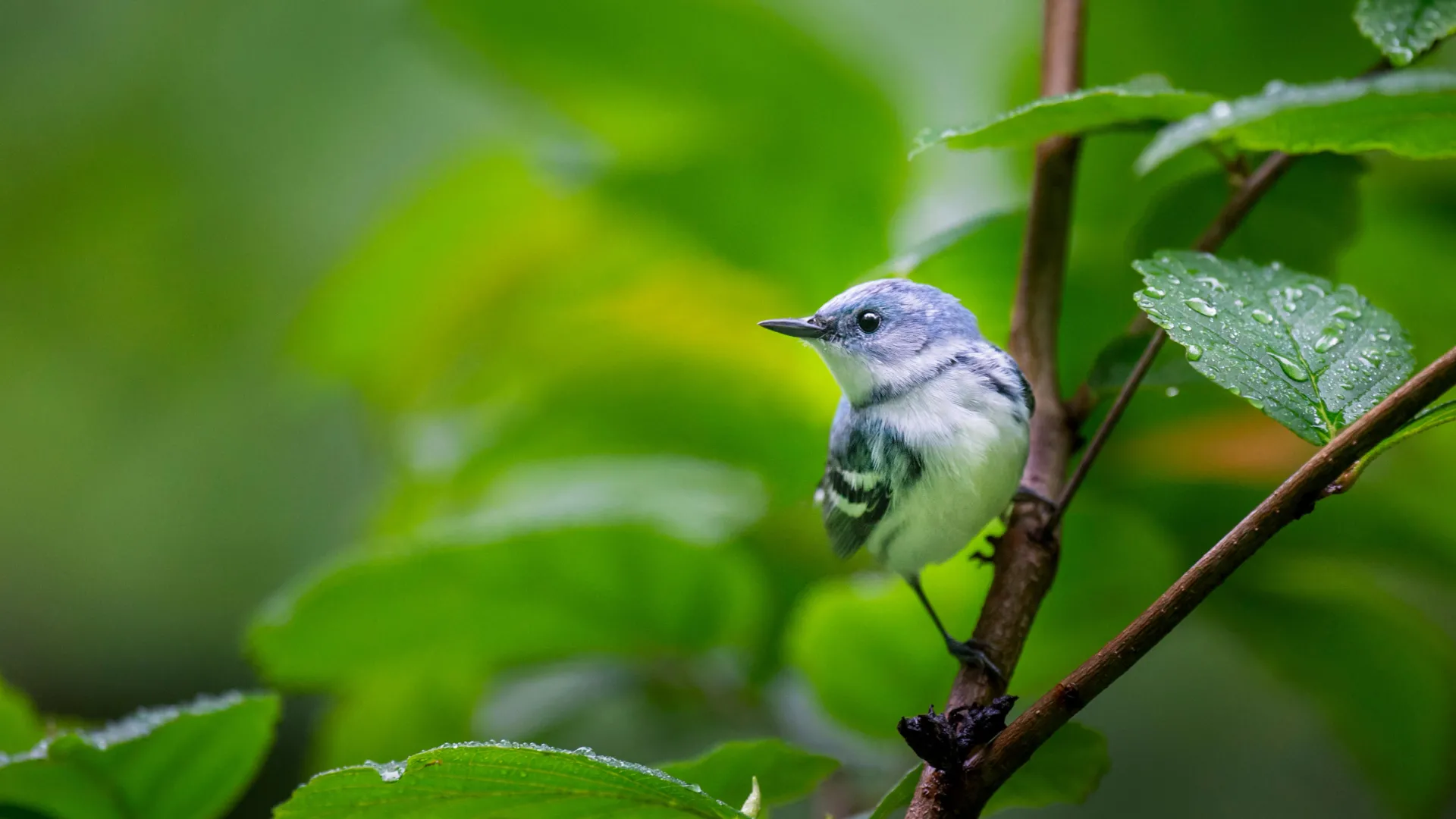
Every spring, the familiar songs of Wood Thrushes and warblers drift back into parks and neighborhoods across eastern North America, signaling the vibrant return of life. Few people realize that these birds spend most of their lives much farther south, relying on the lush and often remote forests of Central America to survive the rest of the year. A recent groundbreaking study, spearheaded by the Wildlife Conservation Society (WCS) and the Cornell Lab of Ornithology (Cornell Lab) and published in the peer-reviewed journal Biological Conservation, has unveiled the critical, often underappreciated role that the "Five Great Forests" of Central America play in sustaining these iconic migratory species. These vast ecological strongholds, stretching from southern Mexico all the way to northern Colombia, are not merely tropical wildernesses; they are indispensable wintering grounds and migratory stopovers, forging an undeniable biological link between two continents.
A Hemispheric Connection: The Study’s Unveiling of Critical Habitats
The research utilized an unprecedented wealth of detailed information on weekly bird distribution, made possible by millions of citizen science sightings meticulously submitted to the Cornell Lab’s global eBird platform. This massive dataset allowed scientists to map the precise movements and concentrations of migratory species with a granularity previously unattainable. What they discovered was startling: these five contiguous forest blocks collectively provide essential habitat for a significant portion—between one-tenth and nearly one-half—of the global populations of 40 different migratory species. Many of these species, including the melodious Wood Thrush, the brilliantly colored Magnolia Warbler, and the elusive Kentucky Warbler, are among the fastest declining bird populations in North America, facing pressures from habitat loss and other threats on both ends of their migratory journey.
"What happens in Central America directly affects the birds we love in the United States and Canada," explained Anna Lello-Smith, lead author of the study and a conservation scientist at WCS. Her statement underscores the profound interconnectedness of ecosystems across thousands of miles. "These forests aren’t just tropical wilderness—they’re at the heart of migration, sustaining many of our birds for more than half the year. They provide the food and shelter that allow Wood Thrushes, Magnolia Warblers, and so many others to return north to fill our spring with song and color." The study’s findings serve as a stark reminder that conservation efforts must transcend national borders, recognizing the shared responsibility for these migratory marvels.
The Five Great Forests: An Ecological Corridor Under Threat
The "Five Great Forests" are not merely isolated patches of trees but form a continuous ecological corridor of immense biodiversity. These regions include:
- Selva Maya: Spanning parts of Guatemala, Mexico, and Belize, it is the largest tropical forest in Mesoamerica.
- Moskitia: Located primarily in Honduras and Nicaragua, characterized by extensive wetlands and pine savannas.
- Indio Maíz-Tortuguero: A crucial transboundary corridor between Nicaragua and Costa Rica, famed for its rich biodiversity and turtle nesting sites.
- La Amistad: Extending across Costa Rica and Panama, a World Heritage Site renowned for its cloud forests and high endemism.
- Darién: Covering eastern Panama and northwestern Colombia, a wild, roadless expanse connecting Central and South America.
Together, these five regions encompass an area roughly the size of the U.S. state of Virginia. This vast expanse shelters not only the myriad migratory songbirds that travel thousands of miles each year but also charismatic megafauna such as jaguars, Baird’s tapirs, and vibrant scarlet macaws. For birds undertaking monumental journeys, these forests serve as indispensable resting, refueling, and wintering grounds, offering vital sustenance in the form of insects, fruits, and shelter from predators.
Viviana Ruiz-Gutierrez, director of Conservation Science at the Cornell Lab of Ornithology and co-author of the study, highlighted the sheer concentration of avian life. "Every fall, billions of birds pour south through the narrow land bridge of Central America. The density of migratory warblers, flycatchers, and vireos crowded into these five forests is astounding, and means that each hectare protected there safeguards a disproportionate number of birds." This bottleneck effect makes the integrity of these forests all the more critical, as habitat loss in these concentrated areas has a magnified negative impact on global bird populations.
Accelerating Deforestation: A Crisis Unfolding
Despite their immense ecological value, these vital forests are disappearing at an alarming and accelerating pace. The primary driver of this destruction is widespread illegal cattle ranching, which has already razed millions of acres of pristine rainforest. The scale of the problem is staggering: in the Moskitia region alone, almost one-third of the forest cover has vanished in a mere two decades. Beyond cattle ranching, other significant threats include agricultural expansion for crops like palm oil and soy, unsustainable logging, infrastructure development, and mining operations, all contributing to a complex web of environmental degradation.
This rapid deforestation is not just an ecological tragedy for Central America; it poses an existential threat to North American bird populations already facing significant declines. A landmark 2019 study published in Science revealed a net loss of 2.9 billion North American birds since 1970, with migratory species disproportionately affected. The loss of critical wintering habitat in Central America exacerbates these existing pressures, pushing vulnerable species closer to the brink.
Jeremy Radachowsky, Regional Director for WCS’s Mesoamerica Program, issued a stark warning: "If we lose the last great forests of Central America—and we are—we lose the birds that define our eastern forests in North America." His words underscore the immediate and tangible consequences of inaction. However, he also offered a glimmer of hope, emphasizing that "by supporting rural communities, governments, and conservation partners on the ground, we can still turn the tide."
Local Communities at the Forefront of Conservation
Amidst the dire warnings, there is a powerful narrative of resilience and proactive conservation emerging from Central America. Across the region, Indigenous and local communities are actively engaged in heroic efforts to restore damaged lands, implement preventative measures against forest fires, and revive traditional, bird-friendly livelihoods. These include sustainable practices such as the cultivation of allspice and cacao, which can provide economic benefits without resorting to destructive land-use changes. These communities often serve as the first and last line of defense for these invaluable ecosystems, possessing generations of ecological knowledge and a deep, intrinsic connection to the land.
However, these efforts are not without significant risks. Environmental defenders in Central America frequently face serious threats, including violence and intimidation, for their work in protecting forests and opposing illegal activities. Despite these dangers, their continued dedication remains absolutely essential for safeguarding the remaining forest habitat. Their traditional land management practices, often rooted in sustainable resource use and biodiversity preservation, offer viable models for long-term conservation.
"Imagine the possibility of linking with those efforts," mused Viviana Ruiz-Gutierrez, envisioning a future where "we can work together across the Americas to bring back our shared migratory birds." This sentiment highlights the immense potential for synergistic conservation, where international support empowers local action, creating a more robust and equitable framework for protecting migratory species.
Mapping Stewardship Connections: The Sister Landscapes Initiative
For years, effective international cooperation in bird conservation has been hampered by a lack of clear, scientifically robust information about precisely how migratory birds connect different habitats and communities throughout their annual cycle. To address this critical data gap and facilitate more targeted, cross-border conservation strategies, researchers leveraged a framework developed by Partners in Flight and the Cornell Lab. This innovative approach allowed them to map "stewardship connections"—identifying specific regions in North America where species heavily dependent on the Five Great Forests gather to breed.
These groundbreaking findings reveal that the Five Great Forests are intimately tied to a network of forest regions across North America. These include the ancient Appalachian Mountains, the fertile Mississippi Delta, the sprawling Great Lakes region, the historic forests of New England, and even the fragmented yet vital landscapes surrounding metropolitan areas like New York City. Researchers have aptly termed these geographically disparate yet biologically linked regions "sister landscapes." This designation signifies that they are bound together by the same migratory bird species at different, crucial points in their annual cycle. For example, a Scarlet Tanager breeding in a forest in the Catskills might spend its winter foraging in the Selva Maya, making the health of both landscapes equally vital for its survival.
Understanding these "sister landscapes" fundamentally transforms the approach to conservation. It means that efforts to protect breeding habitats in North America must be complemented by equally vigorous efforts to protect wintering and stopover habitats in Central America, and vice-versa. Conservationists in New England, for instance, now have a clearer understanding of their shared responsibility with communities protecting forests in Nicaragua or Honduras. This framework provides a tangible blueprint for collaborative action, ensuring that resources and strategies are deployed most effectively across the hemisphere.
Protecting Forests, Preserving a Shared Natural Heritage
In many profound ways, the Five Great Forests of Central America serve as the tropical counterparts to North America’s eastern forests. They shelter the very same suite of forest-loving birds—including the vibrant Scarlet Tanagers, the ground-dwelling Kentucky Warblers, the striking Golden-winged Warblers, and the soaring Broad-winged Hawks—during the crucial months when these species are far from their breeding territories. Safeguarding these indispensable wintering and stopover habitats is not merely an act of environmental preservation; it is a direct investment in ensuring that these beloved birds continue to return north each spring, enriching the biodiversity and cultural fabric of both continents.
The implications of this study are far-reaching, extending beyond avian conservation to encompass broader ecological and even economic benefits. Intact forests provide invaluable ecosystem services, including carbon sequestration, water purification, soil stabilization, and local climate regulation. The destruction of these forests not only imperils birds but also undermines the well-being of human communities that rely on these services. Conversely, the protection of these areas can foster sustainable ecotourism, create opportunities for responsible agriculture, and empower local communities through land stewardship.
"Every hectare we protect in Central America has ripple effects for birds and people across the hemisphere," emphasized Anna Lello-Smith. "The forests that sustain thrushes and warblers also support communities. If you love watching your birds come back each spring, we invite you to discover the tropical forests they call home for most of the year—and help protect them." This powerful call to action highlights the shared destiny of nature and humanity, urging a collective commitment to conserve these vital ecosystems. The future of North America’s migratory birds, and indeed the ecological health of the entire hemisphere, hinges on the urgent and sustained protection of Central America’s last great forests.
