
In a significant recognition of grassroots conservation success, the Stratford Democratic Town Committee has named Corrie Folsom-O’Keefe, Director of Bird Conservation for Audubon Connecticut, as the recipient of the 2026 Terry Backer Environmental Champion Award. The accolade serves as a testament to years of dedicated ecological restoration and community-based environmental advocacy, particularly concerning the fragile coastal ecosystems of Connecticut’s Long Island Sound.
The award, established to honor the legacy of the late Terry Backer—a legendary environmental advocate and long-serving state representative known for his tireless defense of the Sound—highlights individuals who successfully bridge the gap between scientific conservation and public service. Folsom-O’Keefe’s selection underscores a growing national trend: the recognition of local, science-based initiatives as the most effective tools for combating regional habitat loss and biodiversity decline.
A Legacy of Stewardship: The Terry Backer Connection
Terry Backer, who served in the Connecticut House of Representatives from 1993 until his death in 2015, was a towering figure in New England environmental circles. As a professional oysterman and a co-founder of the Long Island Soundkeeper Fund, Backer’s life work was defined by a pragmatic, hands-on approach to water quality and habitat preservation.
By bestowing this award upon Folsom-O’Keefe, the Stratford Democratic Town Committee has signaled that the current environmental crisis requires the same brand of “boots-on-the-ground” leadership that Backer championed. For Folsom-O’Keefe, the award validates a career spent navigating the complex intersections of municipal policy, ecological science, and public engagement.
Chronology of Conservation Success
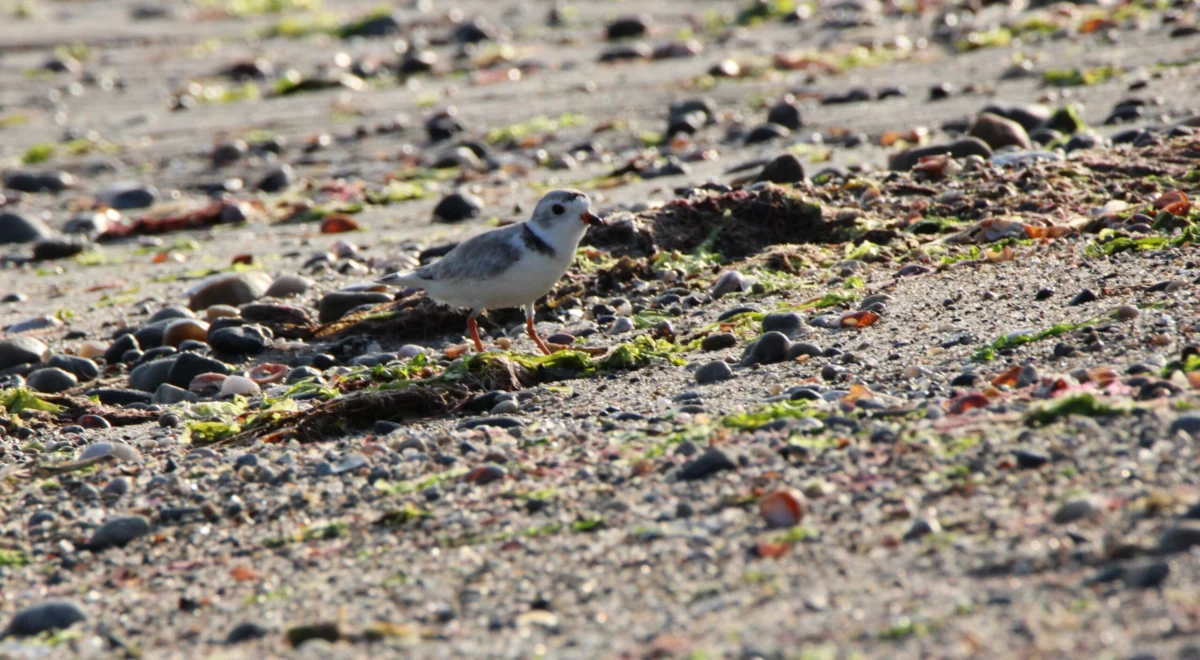
The trajectory of Folsom-O’Keefe’s work in Stratford is best illustrated through the lens of the Piping Plover, a state-endangered shorebird that serves as an indicator species for the health of Connecticut’s beaches.
In 2019, the conservation landscape at Stratford’s Long Beach was dire. That year, the nesting population of Piping Plovers yielded only one fledgling. This single success story highlighted the precarious state of the shoreline, which was being squeezed by climate-driven erosion, human disturbance, and invasive species encroachment.
Over the following seven years, Folsom-O’Keefe spearheaded a comprehensive management strategy. By coordinating protective fencing, educational signage, and community monitoring programs, her team worked to mitigate the factors leading to nest abandonment. The results speak for themselves: in the summer of 2026, the same site supported the growth of approximately 25 thriving chicks. This exponential increase—a 2,400 percent improvement—serves as a primary metric for the success of her methodology.
Beyond the beaches, her work has been instrumental in the multi-year restoration of the Great Meadows Marsh. Spanning 44 acres, this project is part of a larger, state-wide initiative to restore coastal marshes that act as natural storm buffers and essential nurseries for marine life. Her leadership within the Audubon Alliance for Coastal Waterbirds has provided a consistent, regional framework for protecting these sensitive habitats against the increasing threats of sea-level rise and coastal development.
Empowering the Next Generation: The WildLife Guards
Perhaps the most enduring element of Folsom-O’Keefe’s tenure is the creation of the WildLife Guards program. Recognizing that conservation cannot rely on a handful of experts, she initiated a program that hires local high school students to act as stewards of the shoreline.
This program serves a dual purpose: it provides the necessary manpower to monitor shorebird nests during the peak summer months—when human beach traffic is highest—and it cultivates a new generation of environmental professionals. By immersing students in the biological and logistical realities of conservation, the program ensures that the community remains invested in the long-term health of its natural resources. The students, who often serve as the primary point of contact for beachgoers, gain practical experience in conflict resolution, public education, and field biology.
Official Recognition and Political Context
The formal presentation of the award brought together a coalition of local and state leaders who emphasized the importance of bipartisanship in environmental protection. Kathleen Callahan, Chairwoman of the Stratford Democratic Town Committee, noted that Folsom-O’Keefe’s work mirrors the spirit of public service that defined Terry Backer’s career.
“Corrie’s work is not merely about preserving birds; it is about protecting the natural assets that define our town,” Callahan said during the ceremony. “Her leadership in the Stewart B. McKinney National Wildlife Refuge and at Great Meadows Marsh reflects a deep commitment to the community’s future.”
State Representative Joe Gresko, who introduced Folsom-O’Keefe, highlighted the tangible nature of her achievements. "There are people who lead by walking the walk," Gresko stated. "Corrie does not just identify problems; she demonstrates how to solve them. The rebound of the Piping Plover population in Stratford is a direct reflection of her persistent, pragmatic approach to environmental management."
The depth of the recognition was further cemented by a series of high-level acknowledgments, including an Official Citation from the Connecticut General Assembly, Certificates of Special Recognition from U.S. Senator Richard Blumenthal and Representative Rosa DeLauro, and an official statement from Lieutenant Governor Susan Bysiewicz. These commendations suggest that Folsom-O’Keefe’s model of conservation is increasingly viewed by policymakers as a blueprint for statewide environmental strategy.
Analysis: The Broader Impact of Localized Conservation
The success of the conservation efforts in Stratford provides a compelling case study for environmental policy. When conservation is localized—focusing on specific, high-value habitats—the results are often more measurable than broad, unfunded mandates.
The increase in the Piping Plover population is not merely a win for birders; it is a signal that the coastal ecosystem is functioning as intended. Piping Plovers require wide, undisturbed beaches with high prey density to successfully raise their young. By protecting these birds, Folsom-O’Keefe and her team are effectively protecting the entire coastal strip from over-development and degradation, ensuring that the beach remains resilient against storm surges and tidal shifts.
Furthermore, the integration of high school students into the conservation workforce represents a shift in how municipalities view environmental maintenance. Instead of treating conservation as an isolated scientific pursuit, it is treated as a civic responsibility. This community-driven model reduces the social friction often associated with beach closures or restrictions, as the community members themselves are the ones facilitating the protection of the resource.
Looking Toward the Future
As the director of bird conservation for Audubon Connecticut, Folsom-O’Keefe’s work continues to evolve. The challenges ahead are significant, with climate change posing a permanent threat to the low-lying marshes and sandy spits of the Connecticut coastline. However, the 2026 Terry Backer Environmental Champion Award serves as more than just a retrospective honor; it is a signal of confidence in a strategy that prioritizes habitat restoration and youth engagement.
The National Audubon Society, which oversees these initiatives, has long maintained that birds serve as sentinels of environmental health. If the return of the Piping Plovers is any indication, the work led by Folsom-O’Keefe is not only sustaining the current environment but actively improving the ecological integrity of the Connecticut shoreline for years to come.
Through her work at Great Meadows Marsh and her dedication to the WildLife Guards, Folsom-O’Keefe has demonstrated that even in a changing climate, localized, science-driven intervention can yield significant, tangible results. Her career stands as a reminder that environmental protection is not a static goal but a continuous process of stewardship, requiring the same level of grit, community focus, and scientific rigor that defined the life of the man for whom this award is named.
