
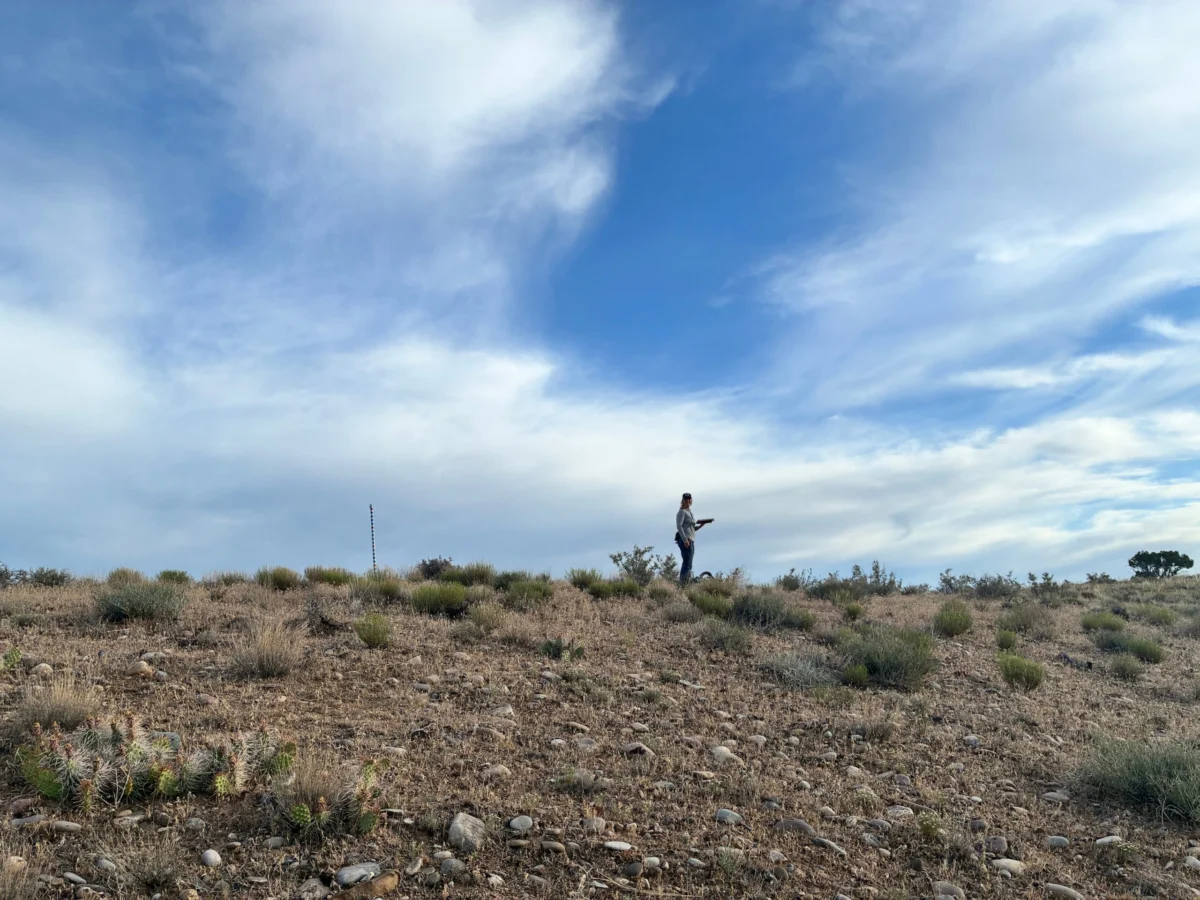
The 2026 avian monitoring season conducted by Audubon Rockies, in collaboration with the biological assessment team at Precision Wildlife Resources, has concluded with a comprehensive dataset detailing the ecological health of over half a million acres of working lands. Throughout the year, researchers traversed 12 distinct ranches certified under the Audubon Conservation Ranching (ACR) initiative, documenting a significant population of avian species that rely on managed rangelands. The initiative, which seeks to prove that agricultural productivity and wildlife conservation are not mutually exclusive, recorded 8,000 individual bird sightings across 136 unique species. This year’s effort serves as a benchmark for long-term ecological monitoring, highlighting the essential role that private working lands play in supporting North America’s migratory and resident bird populations.
A Chronology of the 2026 Field Season
The 2026 field campaign began with the mobilization of survey crews tasked with systematically auditing 493 specific survey points. These points were strategically selected to represent a diverse cross-section of habitat types, ranging from high-desert sagebrush flats and pinyon-juniper woodlands to riparian cottonwood corridors and expansive native grasslands.
Over the course of the spring and summer months, biologists executed 46 planned transects. The logistical undertaking was immense, covering a total footprint of 548,463 acres. The methodology involved both visual identification and auditory monitoring, a standard practice for assessing bird density in complex terrains. By early autumn, the data collected from these transects were synthesized to form a clearer picture of how specific grazing practices—a core component of the Audubon Conservation Ranching program—directly correlate with avian population stability. The season concluded with a data verification phase, ensuring that the observations aligned with historical trends established since the inception of the monitoring program.
Supporting Data and Statistical Findings
The sheer volume of the data collected underscores the significance of the ACR certification program. With 8,000 birds counted and 136 species identified, the survey provided robust evidence of high biodiversity. Among the most frequent sightings were core grassland species that have faced declining population trends across the Great Plains and the Intermountain West. Notable species included the Western Meadowlark, Brewer’s Sparrow, Vesper Sparrow, Lark Bunting, Grasshopper Sparrow, Cassin’s Sparrow, Sagebrush Sparrow, Horned Lark, and Lark Sparrow.
The presence of these "rangeland specialists" is of particular interest to ornithologists. Because these birds are highly sensitive to habitat fragmentation and degradation, their prevalence on certified ranches suggests that the land management strategies employed by participants—such as regenerative grazing, rotational cattle movement, and the preservation of native plant species—are successfully maintaining the structural complexity of the ecosystem.
Beyond the expected grassland birds, the survey recorded several species of high conservation concern. These included the Greater Sage-Grouse, a species currently subject to intense federal and state management scrutiny due to habitat loss. Other notable, and often elusive, species detected included the Burrowing Owl, Ferruginous Hawk, Gray Vireo, Long-billed Curlew, and Upland Sandpiper. The inclusion of migratory wetland and riparian species, such as the Trumpeter Swan and White-faced Ibis, further demonstrates that these ranches serve as vital stopover points and nesting grounds within a broader migratory flyway.
Implications for Land Management and Conservation
The data gathered in 2026 does more than provide a simple head count; it offers a diagnostic tool for land managers. By comparing the results from 2026 against previous years, Audubon Rockies and participating ranchers can identify which management techniques are yielding the best outcomes for specific bird populations.
The implications for rural sustainability are profound. As the agricultural industry faces pressure to address climate change and environmental degradation, models like the Audubon Conservation Ranching program offer a scalable solution. By incentivizing ranchers to manage their property in ways that mimic natural disturbances—such as the historical migration patterns of bison—the program creates a market-based incentive for conservation. In this framework, the rancher acts not only as a producer of food and fiber but as a steward of the landscape.
Wildlife biologists associated with the project have noted that the "party" effect—the tendency for diverse bird life to occupy healthy, well-maintained habitats—is a direct result of the removal of invasive species and the restoration of native vegetation. This biodiversity has a cascading effect: increased insect populations support the birds, which in turn manage pest populations and contribute to the overall health of the soil and plant community.
Official Perspectives and Stakeholder Reactions
While individual ranchers have maintained a focus on operational efficiency, the reception of these annual reports has been overwhelmingly positive within the agricultural community. Stakeholders from the Audubon Society have emphasized that the success of these surveys relies entirely on the cooperation of private landowners.
"The commitment shown by these ranchers is the backbone of our conservation efforts," noted an internal report regarding the 2026 findings. "It is one thing to study birds in a national park or a wildlife refuge; it is another to demonstrate that these same species can flourish in a landscape where cattle are actively grazing and producing food for the nation."
Biologists from Precision Wildlife Resources highlighted the technical rigor of the season, noting that the ability to identify species by sound alone—often in remote, high-wind environments—remains a critical skill for modern field biology. They stressed that the data is not merely a collection of numbers, but a long-term dataset that will become increasingly valuable as climate change shifts the geographic ranges of various bird species over the next decade.
Broader Impact on North American Avian Policy
The 2026 study arrives at a critical juncture for environmental policy. With many North American bird species experiencing significant population declines due to habitat loss, the role of private lands in the United States has never been more relevant. Approximately 70% of land in the lower 48 states is privately owned, and a substantial portion of that land is utilized for agriculture.
If the results from the Audubon Rockies survey can be replicated in other regions, it provides a blueprint for a national strategy that integrates rural economic stability with environmental protection. The 2026 data confirms that when ranchers are provided with the ecological knowledge to make informed decisions about grazing density and timing, the resulting landscape is one that can support both domestic livestock and a rich array of native wildlife.
Looking ahead, the dataset will be used to refine the "Audubon bird-friendly" standards, ensuring that certification requirements remain rooted in the most current biological data. As the program enters its next cycle, the focus will likely shift toward quantifying the long-term trends of "feathered unicorns"—those rare or declining species that are increasingly difficult to locate—to determine if current management practices are sufficient to reverse their downward population trajectories.
In conclusion, the 2026 avian monitoring season stands as a testament to the resilience of working landscapes. Through the integration of scientific monitoring, private land stewardship, and a commitment to habitat restoration, the Audubon Conservation Ranching program has once again demonstrated that economic production and biodiversity are not mutually exclusive, but rather, can be mutually reinforcing components of a sustainable American landscape. The birds have signaled their approval through their return, and for the biologists and ranchers involved, this serves as the strongest possible motivation to continue the work for seasons to come.
