
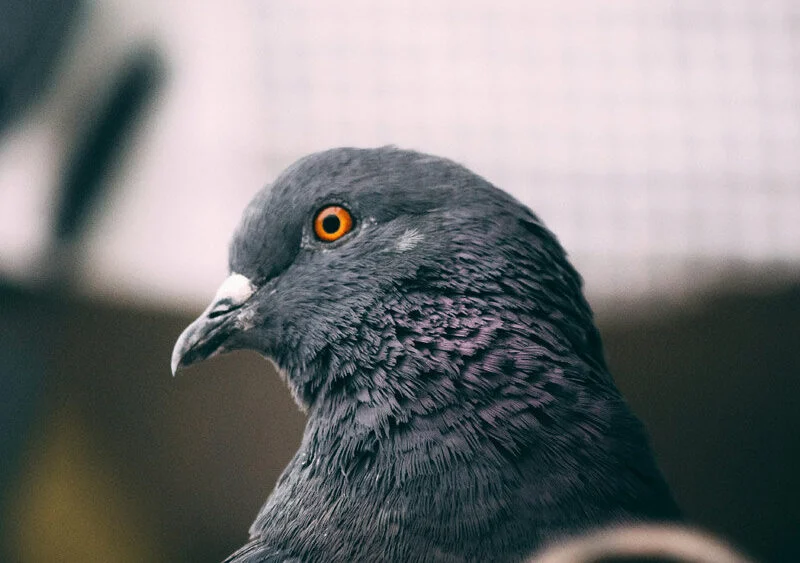
For centuries, the homing pigeon has served as an emblem of avian intelligence and an essential tool in human communication. From the ancient Persian postal systems to the high-stakes battlefields of World War I and II, these birds were prized for their uncanny ability to return to a home loft across hundreds of miles of unfamiliar territory. While historical accounts have frequently documented their valor—such as the famous pigeon "Cher Ami," who saved the lives of 194 soldiers during the Meuse-Argonne Offensive—the biological mechanisms underpinning their internal compass have long remained a subject of scientific debate. Recent research published in the journal Science now suggests that the secret to their navigation may not reside in the brain alone, but in a surprising location: the liver.
Historical Context and the Evolution of Navigation Theory
The study of avian navigation has been dominated by four primary theories for decades. Scientists have long established that pigeons utilize a "map and compass" system. The compass is largely understood to be multi-modal, allowing the bird to orient itself using the position of the sun, the polarization of light, and the Earth’s magnetic field. The "map" component—the bird’s knowledge of its current position relative to its destination—is more elusive.
Historically, navigation research focused on the avian beak or the olfactory bulb. In the late 20th century, researchers identified magnetite-based structures in the upper beaks of pigeons, theorizing that these served as magnetic sensors. However, recent advancements in imaging and molecular biology have forced a shift in focus. The recent findings regarding "superparamagnetic microphages" in the liver represent a paradigm shift in how ornithologists and neurobiologists perceive the interaction between the avian anatomy and geophysical forces.
The Mechanism: Superparamagnetic Microphages
The core of this discovery lies in the role of specialized cells known as superparamagnetic microphages. These cells are unique in their ability to accumulate iron-oxide nanoparticles. These nanoparticles, once ingested and processed by the bird’s biological systems, interact with the Earth’s ambient magnetic field.
The biological process is intricate. Blood proteins transport iron-oxide nanoparticles, which are then sequestered by these liver-based microphages. Because these cells are situated in close proximity to the hepatic nerve fibers, researchers hypothesize that the magnetic force exerted on the iron particles generates a neural signal. This signal is then transmitted to the central nervous system, effectively providing the pigeon with a "heads-up display" of its orientation within the Earth’s magnetic grid. When the sun is obscured by heavy cloud cover—rendering solar navigation impossible—the bird appears to switch to this internal, magnetic-based orientation system.
Chronology of the Recent Experimental Trials
To test the viability of this liver-based navigation hypothesis, a controlled experiment was conducted involving 34 homing pigeons. The study was structured to isolate the liver’s function by manipulating the presence of these microphages under specific atmospheric conditions.
- Training Phase: The test subjects were trained to navigate a consistent flight path spanning 11.8 miles (19 kilometers). This distance provided a controlled environment to ensure the birds were familiar with the route, minimizing the variables of learning or memory.
- Depletion Phase: Prior to the final test, a subset of the birds underwent a process to deplete the iron-oxide microphages in their livers. This allowed researchers to compare the performance of "depleted" pigeons against a control group that maintained normal levels of these magnetic cells.
- The Test Flight: All 34 pigeons were released during a period of heavy overcast, a condition known to disable solar navigation. Each bird was equipped with a miniaturized, internet-connected tracking device to log precise flight paths and arrival times.
- Observation: The results were stark. The pigeons that retained their microphages navigated back to the loft with high accuracy. Conversely, the pigeons that had been depleted of these iron-oxide cells failed to return to their destination, displaying erratic flight patterns that suggested a complete loss of directional orientation.
Supporting Data and Scientific Implications
The failure of the microphage-depleted pigeons provides strong evidence that these cells are not merely auxiliary, but critical to the birds’ navigational survival. Statistically, the disparity in success rates between the control group and the experimental group suggests that the liver is an essential sensory organ in the avian navigational toolkit.
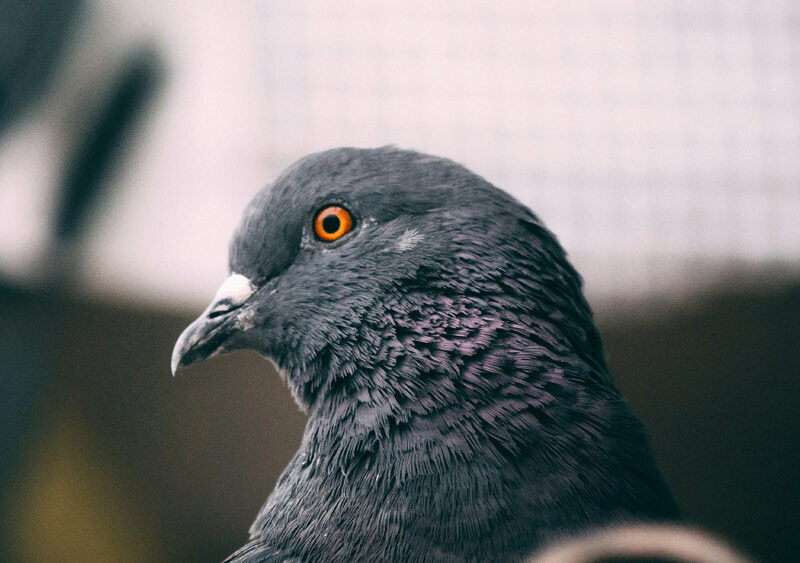
This finding carries significant implications for the field of bio-navigation. For years, the scientific community has looked to the eyes (specifically the protein cryptochrome) and the beak as the primary sites of magnetoreception. The discovery that the liver—a metabolic organ—plays a pivotal role suggests that biological magnetoreception is more systemic and decentralized than previously thought.
Broader Impact on Ornithology and Animal Science
If the liver is indeed a hub for magnetic sensing, this discovery could redefine how we view the physiological health of migratory species. Environmental factors that affect liver function, such as chemical pollutants or changes in diet that alter iron metabolism, could inadvertently disrupt the migration patterns of birds across the globe.
Furthermore, this research opens new avenues for studying other species. Migratory birds, sea turtles, and even certain species of fish are known to traverse thousands of miles with pinpoint accuracy. It is now plausible that these animals utilize similar iron-oxide sequestration methods in various internal organs. Future research will likely focus on whether these microphages are found in the livers of migratory species that cross continents, potentially explaining how they maintain their heading during trans-hemispheric journeys.
Official Responses and the Road Ahead
While the study published in Science has been received with significant interest, the scientific community remains cautious. The authors of the study have noted that these findings do not negate the other three theories of magnetoreception; rather, they suggest that navigation is likely a redundant, robust system where the bird can switch between different sensory inputs depending on environmental demands.
"This is not a ‘silver bullet’ explanation for all avian navigation," noted one independent researcher familiar with the study. "It is, however, a critical piece of the puzzle. We are moving away from the idea of a single ‘compass’ and toward a complex, multi-layered sensory experience."
Ongoing research is now focused on identifying the specific signaling pathways between the hepatic nerve fibers and the brain. If researchers can map the neural activity associated with these magnetic pulses, it may lead to a more profound understanding of how sensory data is synthesized in non-human brains.
Conclusion
The homing pigeon, an animal that has played such a vital role in human history, continues to surprise the scientific world. By looking beyond the brain and into the metabolic functions of the liver, researchers have uncovered a sophisticated biological system that allows these birds to thrive in an invisible magnetic world. As the investigation into the four theories of magnetoreception continues, the humble pigeon serves as a reminder that nature often hides its most advanced technologies in the most unexpected places. Whether through the sun, the stars, or the magnetized cells of their own livers, these birds remain the ultimate navigators of the natural world.
