
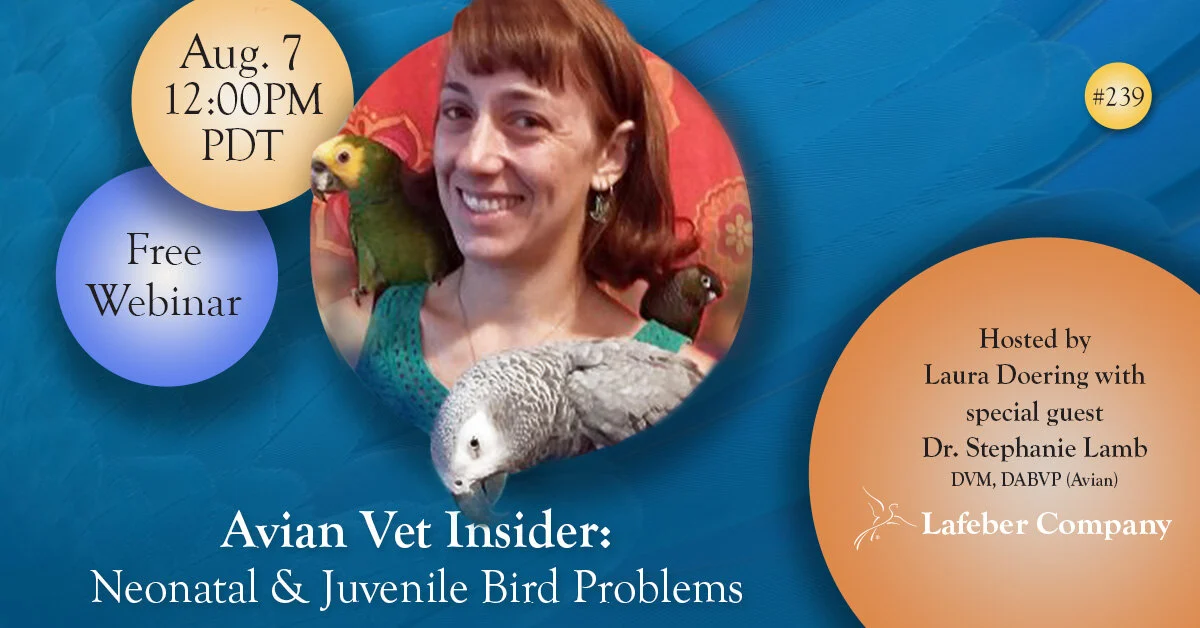
The transition from a vulnerable hatchling to a fully independent juvenile is arguably the most critical period in an avian life cycle. Recognizing the high mortality rates and complex physiological needs inherent in this stage, experts are gathering for an upcoming educational event. On Friday, August 7, 2026, at 12:00 p.m. PDT, Dr. Lamb will host a comprehensive webinar titled "Neonatal & Juvenile Bird Problems." This session is designed to provide avian enthusiasts, breeders, and pet owners with a deep dive into the developmental milestones, common medical ailments, and essential care requirements for young birds. As the pet avian industry continues to evolve, the necessity for evidence-based care protocols has never been more pronounced.
Understanding the Developmental Lifecycle
Avian development is characterized by rapid growth rates that require precise nutritional intake and environmental stability. During the first few weeks of life, a hatchling’s metabolism is primarily dedicated to skeletal development, organ maturation, and the formation of the integumentary system, including the initial growth of down and subsequent feathers.
The neonatal phase, often lasting from hatching until the bird begins to show signs of independence, is a period of extreme physiological sensitivity. During this time, the immune system is still developing, making these birds highly susceptible to bacterial, fungal, and viral infections. Furthermore, the transition to juvenile status—marked by the weaning process and the development of foraging behaviors—introduces new behavioral and nutritional challenges. Failure to meet these developmental milestones can result in long-term health consequences, such as metabolic bone disease, chronic digestive issues, or behavioral disorders that persist into adulthood.
Chronology of Early Avian Development
The growth trajectory of a fledgling is a delicate sequence of biological events. While specific timelines vary significantly across species—ranging from small passerines to larger psittacines—the general stages of early development remain consistent:
- The Hatching Stage: Characterized by complete reliance on parental care (or human intervention in captive breeding scenarios). The primary focus is thermoregulation and hydration.
- The Neonatal Period (Days 1–14): Rapid weight gain is the hallmark of this phase. Nutritional requirements are extremely high, often necessitating frequent feeding intervals.
- The Nestling/Developmental Phase (Weeks 2–6): The emergence of pin feathers and the opening of the eyes signify the start of sensory interaction with the environment. Behavioral development begins as the bird starts to recognize social cues.
- The Fledgling/Juvenile Phase (Weeks 6+): This stage involves the transition to solid foods and the practice of flight or complex motor skills. This is the period where "failure to thrive" or behavioral weaning problems often manifest.
Supporting Data and Health Implications
Current veterinary research indicates that a significant percentage of avian mortality in captive environments occurs before the bird reaches one year of age. Data suggests that improper hand-rearing techniques, suboptimal environmental humidity, and nutritional deficiencies are the leading causes of morbidity in neonatal birds.
According to avian pathology reports, metabolic bone disease—often resulting from improper calcium-to-phosphorus ratios in the diet—remains a prevalent issue in juvenile psittacines. Additionally, crop stasis, a condition where the digestive process slows down or stops, is frequently linked to incorrect feeding temperatures or the introduction of inappropriate food consistencies. Dr. Lamb’s webinar aims to address these specific clinical challenges by offering actionable advice on how to identify the early warning signs of these conditions. By providing caregivers with the knowledge to recognize subtle shifts in behavior or physical condition, the webinar hopes to improve survival rates and long-term health outcomes for young birds.
Expert Perspectives and Clinical Analysis
Industry professionals emphasize that the care of a young bird requires a level of vigilance that far exceeds the maintenance of an adult animal. Dr. Lamb, an expert in avian medicine, has noted in preliminary discussions that many of the chronic health issues observed in adult birds can be traced back to "developmental insults" suffered during the neonatal phase.
"The biological foundation laid during the first weeks of life dictates the health trajectory for the next several decades," notes one veterinary consultant who supports the initiative. "When we discuss neonatal problems, we aren’t just talking about acute illness; we are talking about the long-term metabolic and psychological health of the bird. Providing caregivers with the tools to navigate this window is a public health necessity for the avian community."
The analysis of avian welfare suggests that the surge in popularity of exotic bird ownership has created a knowledge gap. Many new owners are unprepared for the specific environmental and nutritional requirements of a growing bird. By hosting this webinar, the organizers are attempting to bridge this gap, ensuring that the standard of care aligns with modern veterinary practices.
The Broader Impact of Avian Education
The implications of this webinar extend beyond the individual pet owner. Enhanced knowledge of neonatal development has profound effects on conservation efforts and captive breeding programs. For endangered species, where every individual counts, understanding the specific stressors of the juvenile phase is vital for population management.
Furthermore, the integration of technology—such as remote webinars—allows for the global dissemination of specialized avian knowledge. This democratization of information ensures that caregivers in remote locations have access to the same expertise as those in metropolitan areas with access to avian-specialized veterinary hospitals.
Webinar Logistics and Participation
For those interested in the session, the webinar is scheduled for Friday, August 7, 2026, at 12:00 p.m. PDT. Because the session will be conducted live via a digital platform, potential attendees are encouraged to utilize a reliable time zone converter to ensure they do not miss the start time.
Registration is currently open via the official event portal. Participants are encouraged to review their own avian care protocols prior to the webinar to better formulate questions during the interactive Q&A portion of the event. The webinar will cover not only the medical aspects of neonatal care but also the psychological environment, which is often overlooked in traditional care manuals.
By attending this webinar, caregivers will be better equipped to manage the rapid changes associated with avian growth. Whether the goal is to improve the health of a single pet or to enhance the practices of a breeding facility, the information presented by Dr. Lamb is intended to serve as a comprehensive guide to the most vulnerable, yet essential, stages of a bird’s life.
As we look toward the future of avian husbandry, the shift toward proactive, education-based care is a positive development. By prioritizing the neonatal phase, the avian community can ensure that these intelligent, long-lived creatures receive the care necessary to thrive well into adulthood. The August 7 event represents a significant step in that ongoing commitment to avian welfare, providing a structured environment for learning that is accessible to all who have a stake in the health and longevity of pet birds.
