
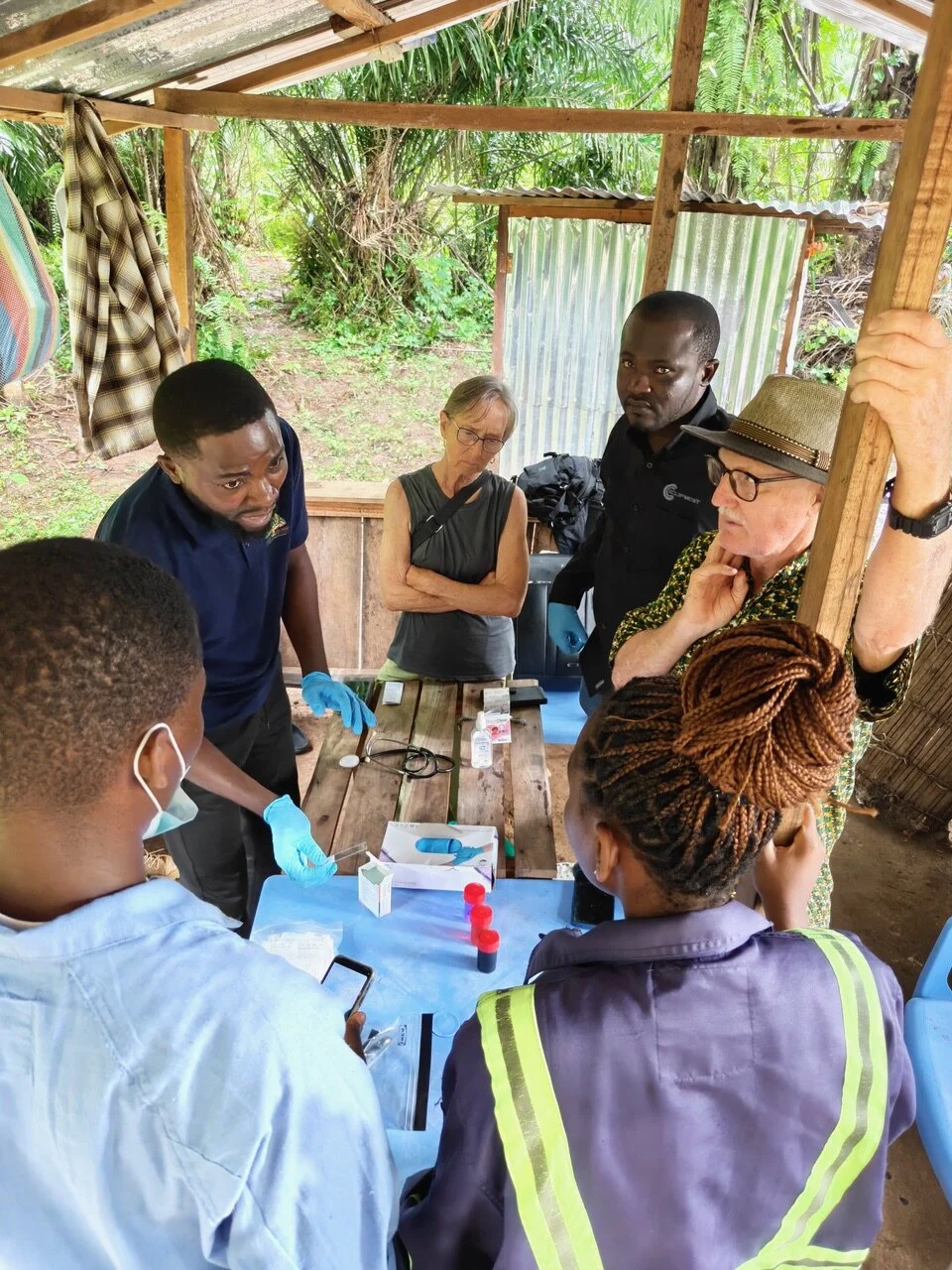
Every year, hundreds of African grey parrots are rescued from the illegal wildlife trade. While getting them out of the hands of traffickers is a major win, the reality that follows is tough. Many birds arrive at rescue centers severely weakened by stress, malnutrition, injury, and disease. Sadly, some do not make it, and without advanced medical tools, it is often impossible to know why. To address this, the World Parrot Trust (WPT) is spearheading a transformative initiative to build lasting veterinary capacity in the regions most impacted by the illicit trade. By focusing on diagnostics, local training, and regional expertise, this effort seeks to shift the paradigm from reactive rescue to proactive, scientific conservation.
The Scale of the Crisis
The African grey parrot (Psittacus erithacus) is widely considered one of the world’s most intelligent avian species. Its ability to mimic human speech and its engaging personality have made it a high-value target for the illegal pet trade. Despite being listed under Appendix I of the Convention on International Trade in Endangered Species of Wild Fauna and Flora (CITES), which strictly prohibits international trade in wild-caught specimens, the species remains under immense pressure.
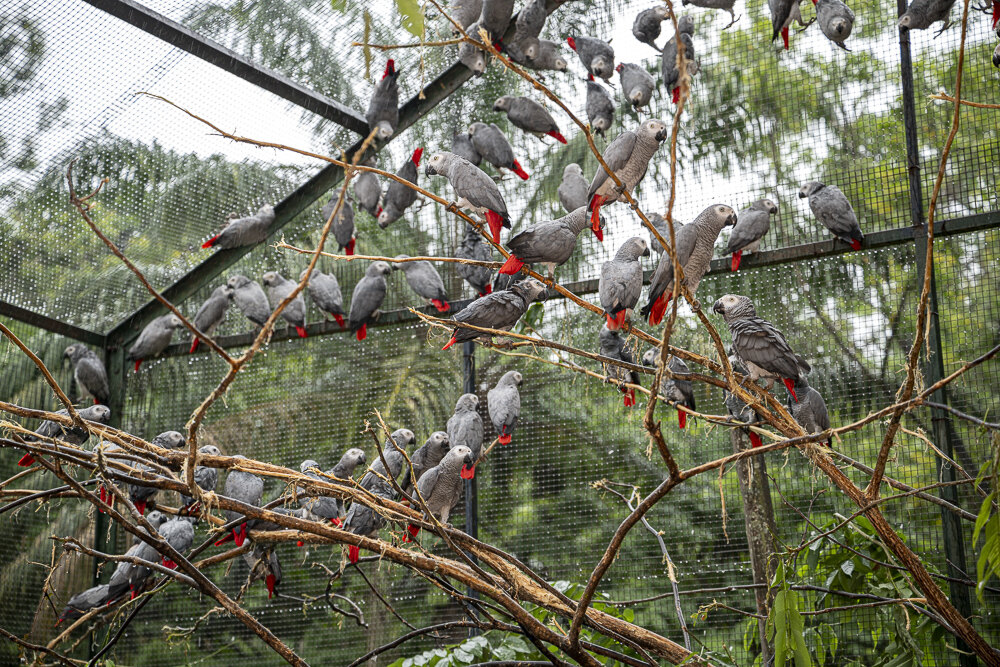
Poaching operations typically involve capturing parrots from the wild using nets or lime sticks, often resulting in high mortality rates even before the birds reach the hands of middlemen. Those that survive the initial capture are frequently subjected to brutal transportation conditions, characterized by cramped, unsanitary, and high-stress environments. Data suggests that for every parrot that reaches a destination market, several others have perished during the transit process. When authorities intercept these shipments, the birds are often in a state of physiological collapse. Rescue centers in countries such as Nigeria and the Democratic Republic of the Congo (DRC) often bear the brunt of these seizures, struggling to provide specialized care for hundreds of birds simultaneously with limited resources.
Advancing Diagnostics: Investigating the Causes of Mortality
A critical challenge in wildlife rehabilitation is the inability to determine the precise cause of death in confiscated birds. Without understanding whether mortality is driven by infectious diseases, severe malnutrition, or chemical poisoning, veterinary staff are often forced to use broad-spectrum treatments that may not be effective.
To rectify this, the World Parrot Trust’s Mobile Veterinary Unit has launched a collaborative research initiative involving Fabien Murhula Bakenga, a Master’s student specializing in avian medicine at the University of Ibadan in Nigeria. By partnering with experts like Dr. Steven Janssen, the project is performing systematic diagnostic investigations on deceased parrots seized in Nigeria and the DRC.
The investigation aims to bridge the gap between anecdotal observations of "failure to thrive" and hard clinical data. By conducting post-mortem examinations and utilizing molecular diagnostic tools, the team is working to identify the specific pathogens that circulate in trafficked populations. Understanding these disease dynamics is essential for developing quarantine protocols, minimizing the risk of cross-contamination between newly seized groups, and identifying potential zoonotic threats. This scientific approach ensures that future interventions are based on empirical evidence rather than guesswork.
Hands-On Training for Frontline Rescue Teams
The efficacy of a rescue operation is only as strong as its weakest link. Recognizing this, the WPT has shifted its focus toward the professional development of local animal-care teams. Providing high-end medical equipment is a necessary first step, but it is insufficient without the skilled personnel to operate it.
The current training curriculum, spearheaded by WPT staff, focuses on a multi-faceted approach to avian care:
- Clinical Assessment: Teaching staff how to conduct thorough physical examinations to detect signs of dehydration, respiratory infections, and parasitic loads.
- Supportive Care: Implementing standardized protocols for fluid therapy, specialized feeding regimens for malnourished birds, and stress-reduction techniques in the aviary.
- Hygiene and Biosecurity: Establishing rigorous sanitation standards to prevent the spread of disease within rescue facilities, a common cause of secondary mortality in groups of parrots.
- Data Collection: Training local staff to maintain detailed health records, which allows for the long-term monitoring of recovery rates and the success of various medical interventions.
This mentoring model is designed to empower local leaders, ensuring that the knowledge gained during these workshops is passed down to subsequent generations of veterinarians and wildlife technicians.
Chronology of Intervention
The current efforts are the result of years of mounting concern regarding the illegal trade of African grey parrots.
- 2016: CITES upgraded the protection status of the African grey parrot to Appendix I, reflecting the severity of the decline in wild populations.
- 2017–2020: Increased law enforcement in West and Central Africa led to several high-profile seizures of large groups of parrots. These events highlighted the lack of regional veterinary infrastructure capable of handling mass confiscations.
- 2023–2024: The World Parrot Trust began formalizing its Mobile Veterinary Unit, recognizing that the "one-off" emergency response model was insufficient.
- 2025–2026: The current partnership with the University of Ibadan and local rescue centers in the DRC has scaled, marking a move toward localized, sustainable veterinary support.
Broader Impact and Conservation Implications
The implications of this initiative extend far beyond the individual birds saved in a single year. By building professional veterinary capacity, the WPT is helping to secure the future of the African grey parrot through a "One Health" approach, which recognizes the interconnectedness of animal health, human health, and the environment.
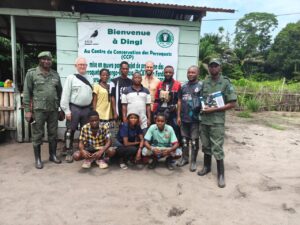
When local veterinarians are trained to recognize and treat wildlife diseases, they become a vital asset for conservation. They can provide data to policymakers, advocate for stronger wildlife protection laws, and serve as a deterrent to traffickers who rely on the lack of enforcement and poor wildlife management to operate. Furthermore, the development of these skills keeps advanced knowledge within the region, reducing dependence on international experts and fostering a culture of local stewardship.
The long-term goal is to transition these birds from rehabilitation to rewilding. While not all birds confiscated from the trade are candidates for release—due to potential disease exposure or psychological damage—a significant portion of those that receive early, high-quality veterinary intervention can eventually be rehabilitated. Returning these parrots to their native habitats is the ultimate objective, as it helps replenish wild populations that have been decimated by decades of poaching.
Supporting the Mission
The success of this program relies on sustained financial and technical support. This month, Lafeber has directed its donation efforts toward the World Parrot Trust’s mission to empower and train local veterinary teams. Such contributions are vital for funding the equipment, travel, and educational resources necessary to keep the Mobile Veterinary Unit operational.
The fight against illegal wildlife trafficking is a complex, ongoing battle. It requires a combination of robust legal enforcement, community education, and—crucially—the veterinary infrastructure to deal with the aftermath of poaching. By focusing on the latter, the World Parrot Trust is ensuring that when a bird is saved from a cage, it is given the highest possible chance of returning to the wild forests where it belongs. Through these efforts, the international community, in partnership with local experts, is taking a significant step toward safeguarding one of nature’s most iconic and intelligent species for future generations.
