
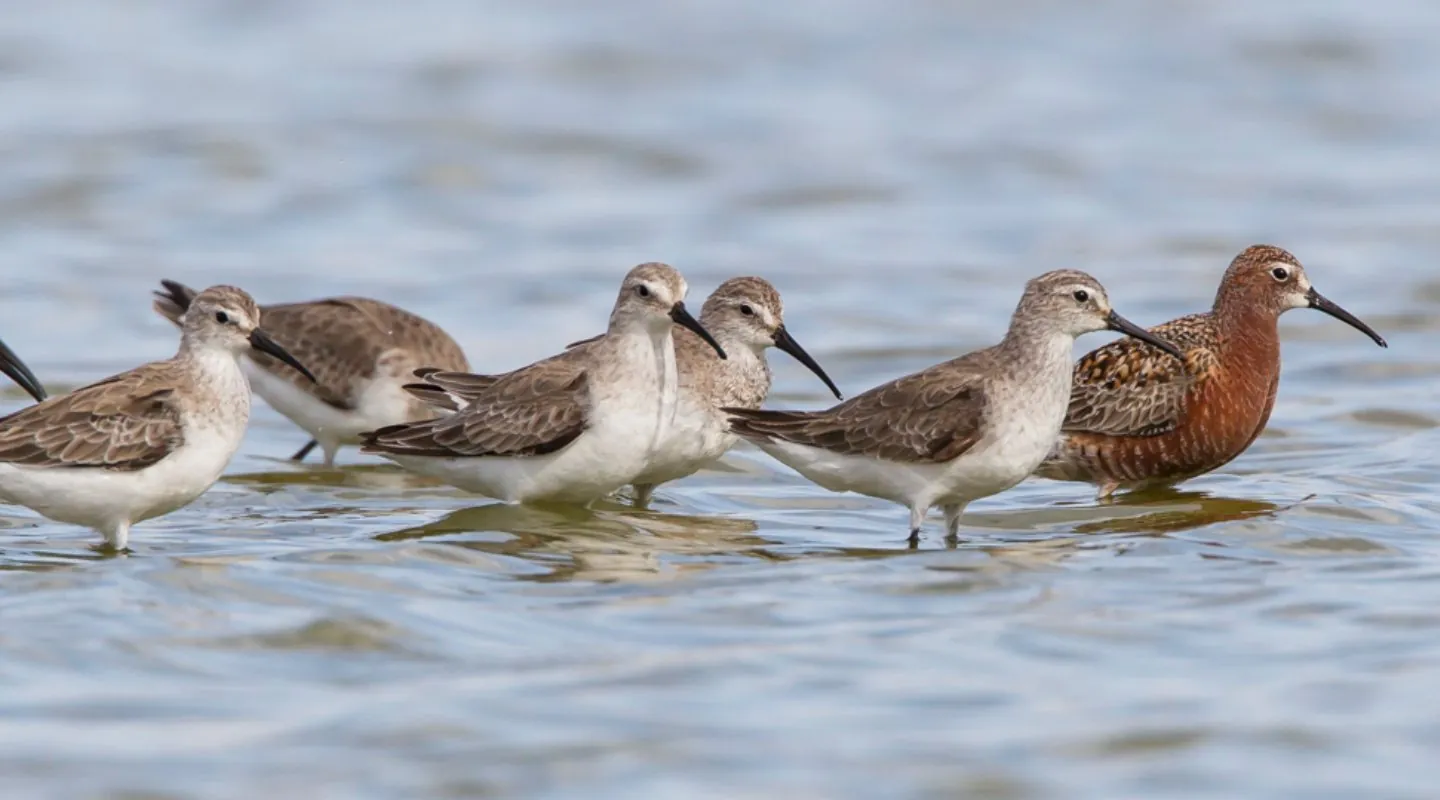
A remarkable feat of avian endurance has captured the attention of ornithologists and conservationists worldwide. A single Curlew Sandpiper, identified by the tracking tag “Delta,” has successfully completed an unprecedented non-stop flight spanning 3,870 kilometers across the African continent, a journey that took an astonishing 60 hours. This extraordinary migration, undertaken by a bird weighing approximately 60 grams, highlights the incredible resilience and navigational prowess of these small shorebirds and underscores the critical importance of wetlands across the African-Eurasian Flyway.
The groundbreaking observation is part of a larger collaborative effort involving Birdlife South Africa and Wetlands International. This initiative is tracking twenty Curlew Sandpipers and three Grey Plovers as they undertake their annual migration from the southern tip of Africa towards their breeding grounds in the Arctic tundra. While the migration of all these birds is considered a significant undertaking, Delta’s individual flight has set a new benchmark for avian endurance and has provided invaluable data for understanding migratory patterns and the ecological corridors these species rely upon.
The Epic Journey of Delta: A Detailed Chronology
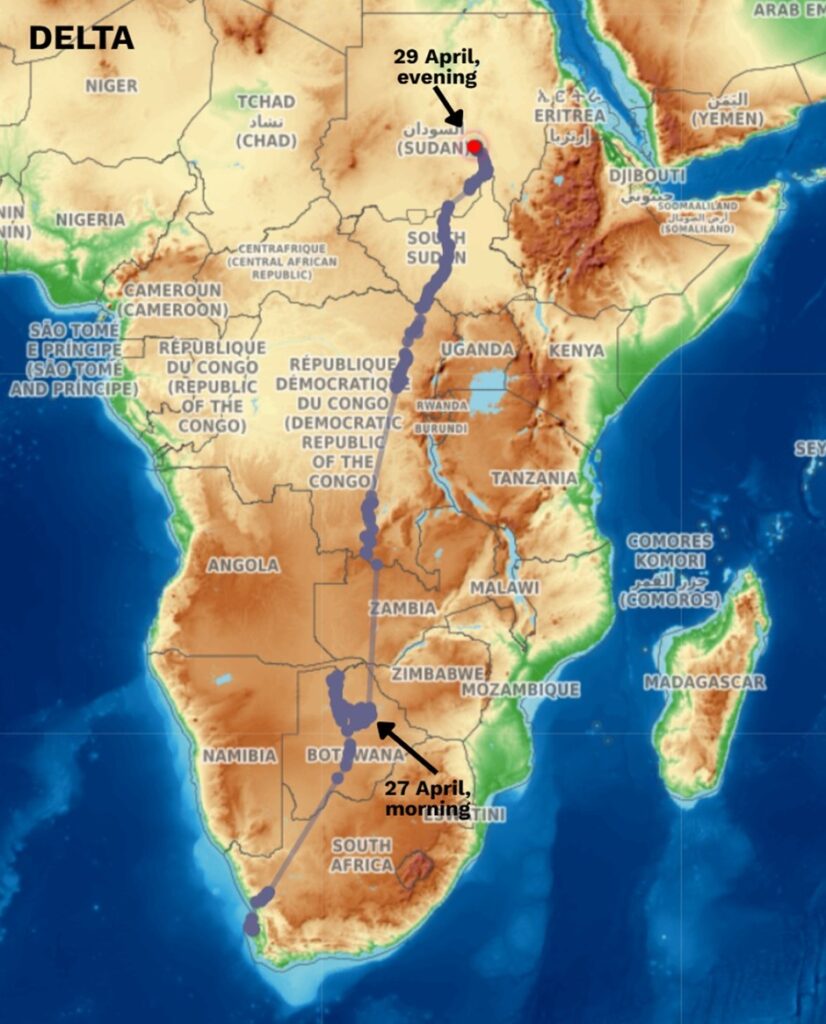
Delta’s remarkable flight began in early March, with the bird spending approximately 1.5 months at the Makgadikgadi Pans in Botswana, a crucial stopover site for many migratory birds. This period likely allowed Delta to build up the necessary fat reserves to undertake such an arduous journey. The departure for its record-breaking flight occurred in the early hours of April 27th, marking the commencement of an epic aerial odyssey.
April 27th: Delta’s journey commenced with an easterly trajectory, heading north over Zimbabwe. By early afternoon, the sandpiper had crossed into Zambia and subsequently entered the Democratic Republic of Congo (DRC). As the day progressed, Delta continued its relentless northward flight, penetrating deep into the DRC by late evening. The intended destination for this leg of the journey was South Sudan.
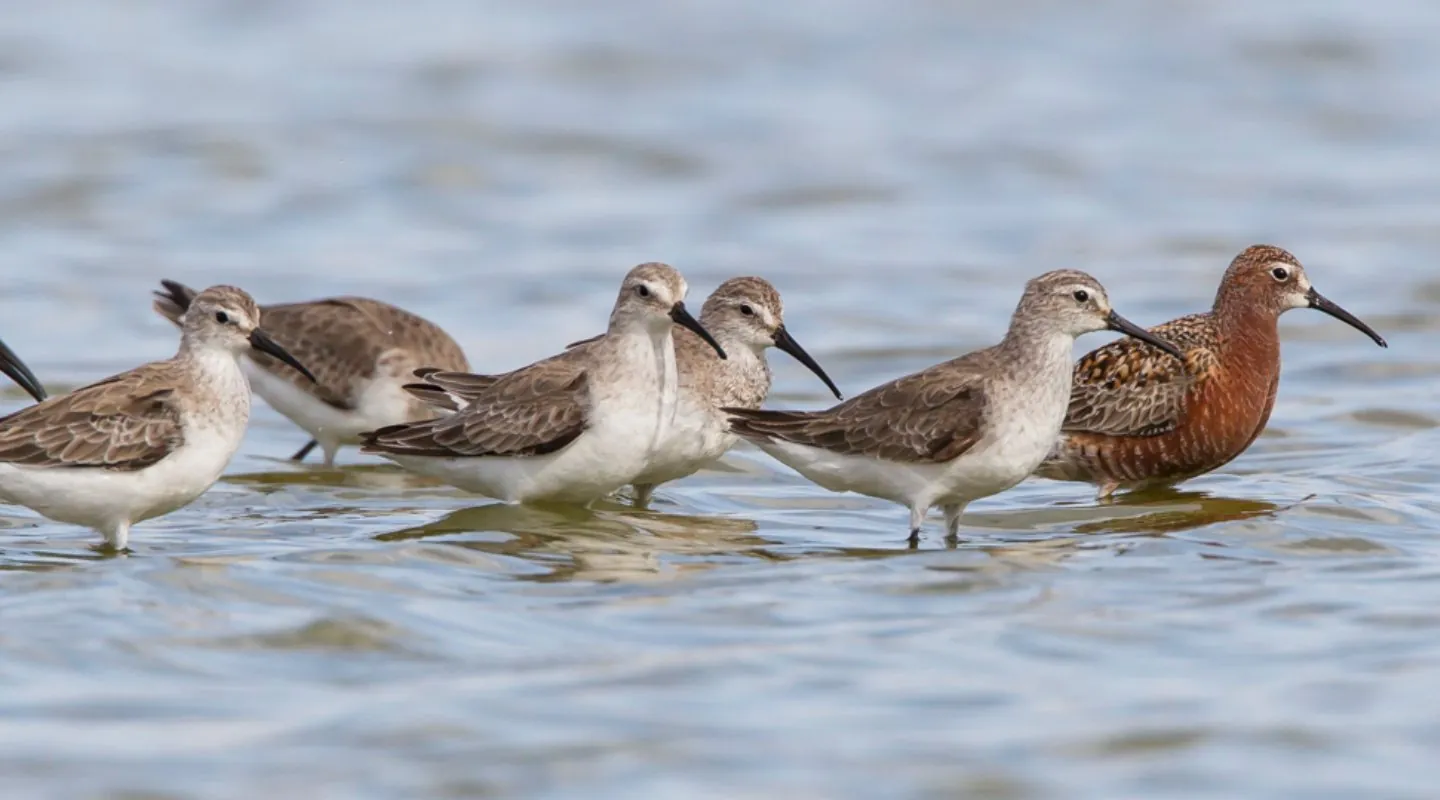
April 28th: The sandpiper continued its flight through the night and into the following day. Early on April 28th, Delta crossed the border into South Sudan. Around midnight, the bird reached the southern reaches of the Sudd Marshes, a vast and ecologically vital wetland system that is a designated Key Biodiversity Area. This region is a known critical refueling point for many migratory birds. While several other tagged Curlew Sandpipers in the study have utilized the Sudd for rest and replenishment, Delta bypassed this opportunity, demonstrating an exceptional drive to continue its journey without pause.
April 29th: By 08:00 AM on April 29th, Delta had already navigated over the expansive Sudd region and was en route through Sudan, making its way towards the White Nile valley. The relentless pace of the flight continued.
Landing: After an unbroken flight of approximately 60 hours, Delta finally landed in Sudan in the early afternoon of April 29th. The total distance covered was an astounding 3,870 kilometers. This translates to an average flight speed of approximately 64.5 kilometers per hour, an astonishing pace for a bird of Delta’s modest size.
Scientific Significance and Conservation Implications
The tracking of Delta and the other 20 Curlew Sandpipers and 3 Grey Plovers is a critical component of the "Connecting Wetlands from South Africa to Siberia" project. This initiative, spearheaded by Birdlife South Africa, involves extensive international collaboration. Key partners include Wetlands International, the Department of Ornithology at the Max Planck Institute for Biological Intelligence in Germany, the FitzPatrick Institute of African Ornithology at the University of Cape Town, and Conserve Eden in Plettenberg Bay. Funding for this vital research has been generously provided by the Royal Society for the Protection of Birds and the Ecological Restoration Fund.
The primary objective of this project is to gain a deeper understanding of the complex migratory routes and the essential wetland habitats that these birds depend on for rest and refueling. These stopover sites are crucial for their survival, allowing them to build the energy reserves necessary for their long-distance flights. By identifying and monitoring these critical areas, conservation efforts can be more effectively targeted to protect these fragile ecosystems.

The exceptional flight of Delta provides invaluable data on the physiological limits of migratory birds and the navigational strategies they employ. Understanding how such long flights are sustained, including the metabolic processes and energy management involved, can inform broader conservation strategies for migratory species facing increasing threats from habitat loss and climate change.
Supporting Data and Avian Migration
Curlew Sandpipers ( Calidris ferruginea) are small waders that breed in the Arctic tundra and undertake extensive migrations to wintering grounds in Africa, Australasia, and southern Asia. Their migratory journeys are among the longest relative to body size of any animal. A 60-gram bird undertaking a 3,870 km flight is equivalent to a human running approximately 1,000 marathons without stopping.
The African-Eurasian Flyway, along which Delta and its congeners migrate, is a vital migratory corridor connecting breeding grounds in the Arctic with wintering areas in Africa and Eurasia. This flyway encompasses a diverse range of habitats, including wetlands, grasslands, and coastal areas, all of which play a role in supporting migratory bird populations. The health and connectivity of these habitats are therefore paramount for the survival of these species.
The Makgadikgadi Pans, where Delta spent time before its epic flight, is one of the largest salt pans in the world and a significant wetland ecosystem. Its importance as a stopover site is well-documented, providing crucial foraging and roosting opportunities for a multitude of bird species. Similarly, the Sudd Marshes in South Sudan represent one of the largest wetland systems in Africa, a biodiversity hotspot that serves as a vital resting and refueling area for migratory birds traversing the continent. The fact that Delta bypassed this renowned stopover highlights an exceptional physiological drive and possibly a specific environmental trigger for its continued flight.
Broader Impact and Future Research
The success of the tracking initiative, particularly the extraordinary flight of Delta, has generated significant interest within the scientific community and among the public. The ability to follow individual birds in near real-time provides unprecedented insights into their behavior and the challenges they face.
Potential Reactions and Inferences:
- Ornithologists: Likely express immense excitement and a renewed appreciation for the capabilities of these small birds. The data from Delta will fuel further research into avian physiology, navigation, and the impact of environmental conditions on migratory success.
- Conservation Organizations: Will use this information to advocate for increased protection of key wetland sites along the African-Eurasian Flyway. The documented success of these migrations underscores the interconnectedness of habitats across vast distances and the need for coordinated international conservation efforts.
- Public: The story of Delta serves as a powerful reminder of the wonders of the natural world and the importance of preserving biodiversity. The accessibility of updates via the WhatsApp channel allows for broader engagement and public awareness.
The implications of Delta’s flight extend beyond simply documenting an impressive feat. It raises questions about the specific factors that might have influenced its decision to fly non-stop: was it an optimal weather window, a lack of suitable foraging conditions at the Sudd, or an individual bird’s exceptional physiological condition? Further analysis of meteorological data and satellite imagery from the time of Delta’s flight will be crucial in addressing these questions.
The project’s use of a WhatsApp channel to provide daily updates is an innovative approach to public engagement and dissemination of scientific findings. This direct line of communication allows a broader audience to follow the journeys of these remarkable birds, fostering a sense of connection and encouraging support for conservation initiatives. The inclusion of a QR code or link to this channel, as seen in the original article, is an effective way to facilitate public access to real-time information.
The Future of Avian Migration Research
The ongoing tracking of Curlew Sandpipers and Grey Plovers represents a significant step forward in our understanding of migratory bird ecology. As technology advances, researchers will be able to gather even more detailed data on factors such as flight altitude, energy expenditure, and the precise environmental cues that guide these incredible journeys.
The conservation of migratory birds is a complex challenge that requires a global perspective. The success of projects like this, which highlight the vital role of wetlands and the extraordinary capabilities of the species they support, is essential for driving effective conservation action. Delta’s 3,870 km non-stop flight is not just a story of individual endurance; it is a testament to the intricate and vital ecological connections that sustain life across our planet, emphasizing the urgent need to protect the natural landscapes that make such journeys possible.
Further research will undoubtedly focus on the genetic and physiological underpinnings of such extreme endurance flights. Understanding the adaptations that allow birds like Delta to sustain such prolonged periods of activity will not only advance our knowledge of avian biology but may also offer insights into fields such as human physiology and endurance sports. The collaborative nature of this project, bridging multiple institutions and countries, serves as a model for tackling complex environmental challenges that transcend national borders. The ongoing monitoring of these birds will continue to provide critical data for informing conservation policy and ensuring the long-term survival of these magnificent migratory species.
