
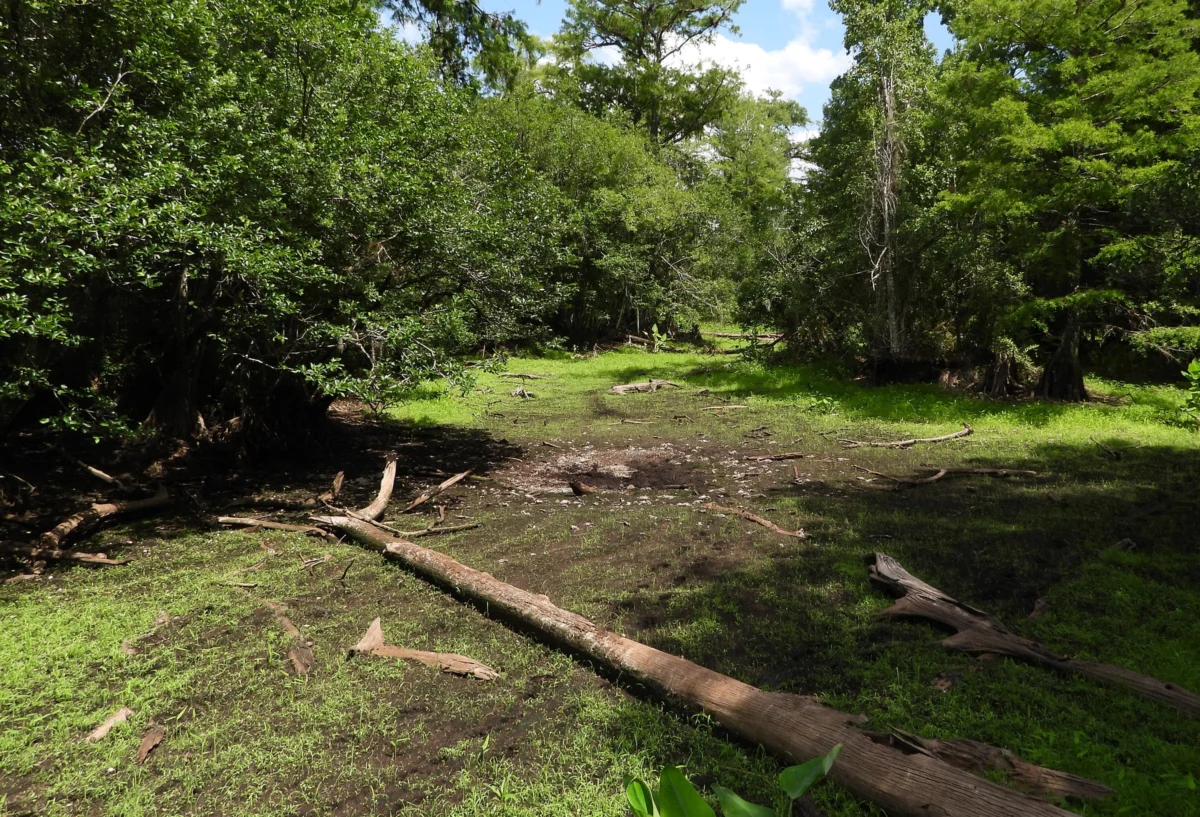
The illusion of recovery in Southwest Florida’s hydrology is deceptive. While mid-September rains have blanketed the region, creating a visual landscape of lush greenery, Audubon’s long-term data at the Corkscrew Swamp Sanctuary reveals a sobering reality: the region remains firmly entrenched in a deep-seated hydrological deficit. Despite the recent frequency of precipitation, the sanctuary is currently grappling with a cumulative rainfall shortfall of 31 inches since November 2022, marking a period where 19 of the last 22 months have failed to meet historical average precipitation levels.
A Chronology of Hydrological Stress
To understand the severity of the current conditions, one must look beyond the immediate weather patterns. The Corkscrew Swamp Sanctuary, a critical component of the Western Everglades, has utilized a water-level staff gauge at North Lettuce Lake since the late 1950s. This gauge serves as a bellwether for the health of the entire cypress slough.
Historically, the cycle of water in this ecosystem is predictable: water levels recede below the ground surface during the winter dry season—typically between March and April—before rising again with the onset of summer rains in July. This year, the pattern deviated significantly. While water levels briefly crested above ground in early July, the reprieve was short-lived. A sudden reduction in rainfall caused the lakes to recede once more, leaving sections of the sanctuary parched for weeks. Although rains returned in early September, the current water levels remain approximately one foot lower than the historical norm for this time of year.
This pattern of volatility is not entirely unprecedented, but it is increasingly concerning. Long-term monitoring indicates that the sanctuary faces similar extreme drying cycles every 10 to 15 years. Previous major drought events, mirroring the current deficit, were recorded in 2007-2008, 1989-1990, 1975-1976, and 1963-1965. However, experts warn that the current iteration of this drought is occurring within a vastly different environmental context than those of the 20th century.
The Multi-Faceted Drivers of Desiccation
The assumption that rainfall is the sole determinant of swamp health is a common misconception. According to hydrologists, the water balance of the Everglades is governed by a complex interplay between precipitation, surface-water retention, and evapotranspiration (ET).
Evapotranspiration—the process by which water is transferred from the land to the atmosphere through evaporation and plant transpiration—is accelerating due to record-breaking regional temperatures. As global temperatures rise, the rate of ET increases, essentially "breathing" water out of the landscape at an unprecedented velocity. Climate models suggest that this phenomenon will become a permanent fixture of Florida’s climate, forcing the sanctuary to lose moisture even during periods of average rainfall.
Furthermore, the drought is exacerbated by long-term structural changes in regional hydrology. Since the early 2000s, land development and drainage infrastructure in surrounding areas have diminished the landscape’s natural ability to retain surface water. This "overdrainage" means that even when significant rainfall occurs, the water flows out of the sanctuary faster than it can infiltrate the aquifer, leading to the near-record-low water levels observed this summer.
Ecological and Biological Implications
The persistence of these dry conditions poses a cascading risk to the sanctuary’s biodiversity. Wading birds, such as the iconic Wood Stork, rely on the seasonal inundation of the swamp to provide foraging grounds. When water levels remain too low, the fish and crayfish populations that these birds depend on for survival do not flourish. The resulting food scarcity can lead to failed nesting attempts and reduced recruitment of young birds.
"The drier conditions have direct negative effects on aquatic life," noted a spokesperson familiar with the sanctuary’s monitoring programs. "These effects ripple upward through the food chain, impacting everything from small amphibians to larger predators like alligators. Even the plant communities, specifically the understory flora along the boardwalk, are showing clear signs of stress and transition in response to the lack of soil moisture."
While the sanctuary managed to escape a major wildfire season this year—a significant victory given the combustible state of the dry vegetation—the underlying vulnerability remains. The shift in plant composition serves as a silent warning that the ecosystem is being pushed toward a threshold that may favor more drought-tolerant, non-native species over the historic cypress and marsh vegetation that defines the Everglades.
Policy Responses and Future Outlook
The outlook for the coming months offers a glimmer of hope. Meteorological forecasts indicate a higher probability of above-average rainfall, partially driven by the influence of a strong El Niño event over the Pacific Ocean. While this influx of water will not immediately correct the 31-inch deficit, it is essential for recharging the aquifer and replenishing the wetlands.
However, researchers caution that while wet conditions are vital for long-term health, they create a double-edged sword for immediate wildlife cycles. A very wet winter, while beneficial for overall water tables, might temporarily suppress the foraging conditions required for a successful Wood Stork nesting season this year. Conversely, it would lay the foundation for a robust nesting season in the subsequent year by ensuring the aquatic prey base is fully replenished.
On the policy front, the South Florida Water Management District (SFWMD) is nearing the completion of the Corkscrew Watershed Initiative. This project is expected to provide a comprehensive roadmap for regional restoration, focusing on structural interventions designed to improve dry-season water retention. These projects are intended to counteract the overdrainage that has plagued the area for the last two decades.
Resilience in a Changing Climate
As Florida continues to experience rapid population growth and urbanization, the role of protected lands like the Corkscrew Swamp Sanctuary and the broader Corkscrew Regional Ecosystem Watershed (CREW) becomes paramount. These areas are no longer just habitats; they are critical infrastructure for water management, flood mitigation, and regional resilience.
The lessons drawn from this year’s data emphasize that the traditional management strategies of the past may be insufficient for the challenges of the future. The combination of increased evapotranspiration and fragmented hydrology requires a more aggressive approach to land management—one that prioritizes water storage over drainage.
"Efforts to hold water in our freshwater wetlands are becoming more important than ever," observed one ecological analyst. "We are managing for a future where rainfall variability will be the norm rather than the exception. The data from Corkscrew tells us that we have to change the way we interact with our landscape if we want to preserve these ecosystems for future generations."
Ultimately, the data recorded at North Lettuce Lake is a barometer for the health of the broader Florida peninsula. As the sanctuary continues to navigate this extended period of water stress, the focus remains on leveraging long-term historical records to inform adaptive management. By understanding the cyclical nature of these droughts and the compounding impacts of climate change, stakeholders hope to transition from a cycle of reactive crisis management to one of proactive restoration, ensuring that the sanctuary remains a bastion of biodiversity in an increasingly dry and volatile landscape.
