
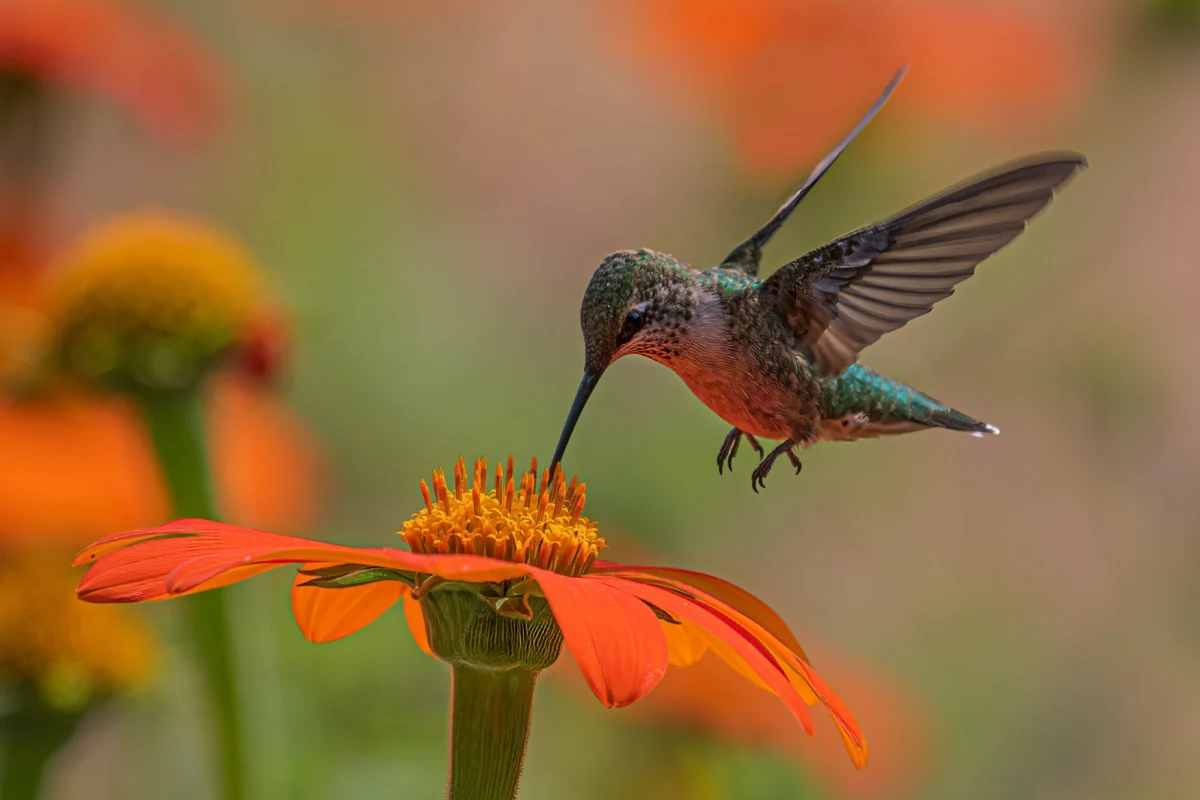
The annual observance of Earth Day, celebrated every April 22nd since 1970, marks a global commitment to acknowledging and protecting our shared planet. This monumental occasion unites people across continents in a collective effort to recognize the intricate web of life that sustains us. Central to this delicate balance are the myriad of fascinating and beautiful animal species, many of whom perform vital ecological roles that often go unnoticed. In commemoration of Earth Day, this article delves into the remarkable contributions of several avian species, highlighting them as unsung environmental heroes whose actions are crucial for the health and resilience of our world.
Hummingbirds: Tiny Wings, Monumental Ecological Impact
Despite their diminutive size, hummingbirds possess an ecological influence far exceeding their physical stature. These specialized nectar feeders are indispensable pollinators, playing a critical role in the reproductive success of countless plant species. As they flit from blossom to blossom, seeking sustenance, hummingbirds inadvertently transfer pollen, facilitating plant reproduction. This function is particularly vital in ecosystems where other pollinators, such as bees and butterflies, may face challenges in surviving due to environmental pressures. The intricate, co-evolved relationships between hummingbirds and specific flora are fundamental to fostering biodiversity and sustaining entire ecosystems. Furthermore, their acute sensitivity to environmental shifts makes them early indicators of climate disruption, providing valuable insights into the planet’s health. For instance, studies have shown that shifts in flowering times and nectar availability, often linked to climate change, can directly impact hummingbird migration patterns and breeding success. A comprehensive report by One Earth underscores the profound impact these small birds have, detailing how their pollination services contribute to the genetic diversity and long-term viability of plant populations, which in turn support a cascade of other species.
The phenomenon of hummingbird pollination is a testament to evolutionary specialization. Their long, slender beaks and specialized tongues are perfectly adapted for reaching nectar deep within flowers, while the fine hairs on their bodies efficiently capture and transport pollen. This mutualistic relationship, honed over millennia, ensures the survival of both the birds and the plants they depend on. The loss of even a single hummingbird species could have cascading effects on the plant communities it pollinates, potentially leading to reduced seed production and the decline of other organisms that rely on those plants for food and shelter. The conservation status of many hummingbird species is a growing concern, with habitat loss and climate change posing significant threats. Understanding their ecological importance is therefore paramount to their continued survival and the health of the ecosystems they inhabit.
Vultures: Nature’s Indispensable Cleanup Crew
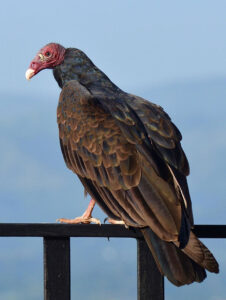
Vultures, often perceived with a mixture of apprehension and revulsion, are in reality Earth’s essential sanitation engineers. These large, purposefully bald birds are instrumental in maintaining environmental hygiene by consuming carcasses, thereby preventing the proliferation of diseases that could otherwise spread rapidly through ecosystems. Their highly acidic digestive systems are remarkably adapted to neutralize dangerous pathogens that would be detrimental to most other organisms. This biological superpower allows them to safely process decaying matter, performing a critical service that safeguards public health and ecological stability.
The World Wildlife Fund (WWF) highlights vultures as "environmental influencers," emphasizing their crucial role in ecosystem balance. Their efficient scavenging prevents the accumulation of dead animals, which can become breeding grounds for bacteria and viruses. In many parts of the world, a decline in vulture populations has been directly linked to an increase in disease outbreaks, underscoring their vital role. For example, in India, the widespread use of diclofenac, a veterinary drug toxic to vultures, led to a catastrophic decline in their numbers. This resulted in an increase in stray dog populations, which then led to a surge in rabies cases among humans. This stark illustration of the interconnectedness of species and their environmental functions demonstrates why the conservation of vulture populations is not merely an act of protecting wildlife but a public health imperative.
The evolutionary adaptations of vultures are truly remarkable. Their keen eyesight allows them to spot carrion from great distances, and their powerful beaks and digestive tracts are equipped to handle tough hides and bones. The lack of feathers on their heads and necks is a practical adaptation that prevents blood and bacteria from adhering to their plumage while feeding, allowing them to maintain hygiene. This "purposefully bald" characteristic is a testament to their specialized niche in the natural world. Their presence in the sky, often seen circling overhead, is not a sign of impending doom but a reassuring indicator of a healthy, functioning ecosystem diligently maintaining its own cleanliness.
Seabirds: Vital Connectors of Terrestrial and Marine Ecosystems
The remarkable ability of flight allows birds to serve as crucial links between disparate ecosystems. Seabirds, in particular, play a significant role in transporting vital nutrients from the oceans to terrestrial environments. Through their droppings, often deposited in large quantities on islands and coastal areas, they enrich soil fertility and stimulate plant growth. This nutrient transfer fosters healthier vegetation, which in turn contributes to habitat stabilization and benefits a wide array of other wildlife. By effectively bridging marine and terrestrial systems, seabirds are instrumental in maintaining the productivity and resilience of entire island ecosystems.
Research published by the American Bird Conservancy (ABC) has provided compelling evidence for the far-reaching benefits of seabird nutrient deposition. Studies have shown that islands with healthy seabird populations exhibit significantly more lush vegetation and greater biodiversity compared to those without. The guano deposited by millions of seabirds acts as a potent natural fertilizer, replenishing essential minerals like nitrogen and phosphorus that are often scarce in island soils. This enrichment supports the growth of native plants, which provide food and shelter for other terrestrial species, including insects, reptiles, and land birds. Furthermore, the increased plant cover helps to prevent soil erosion, stabilizing coastlines and protecting delicate island habitats from the impacts of storms and sea-level rise.
The economic and ecological implications of this nutrient transfer are substantial. For island communities that rely on local resources, the health of their terrestrial ecosystems, supported by seabirds, can directly impact food security and the availability of natural resources. The loss of seabird colonies due to pollution, overfishing, or habitat destruction can have devastating consequences, leading to soil degradation, the decline of plant and animal life, and increased vulnerability to environmental changes. Therefore, the conservation of seabird populations is not only about preserving these magnificent creatures but also about safeguarding the ecological integrity and resilience of coastal and island environments worldwide.
Parrots: The Avian Architects of Forest Regeneration
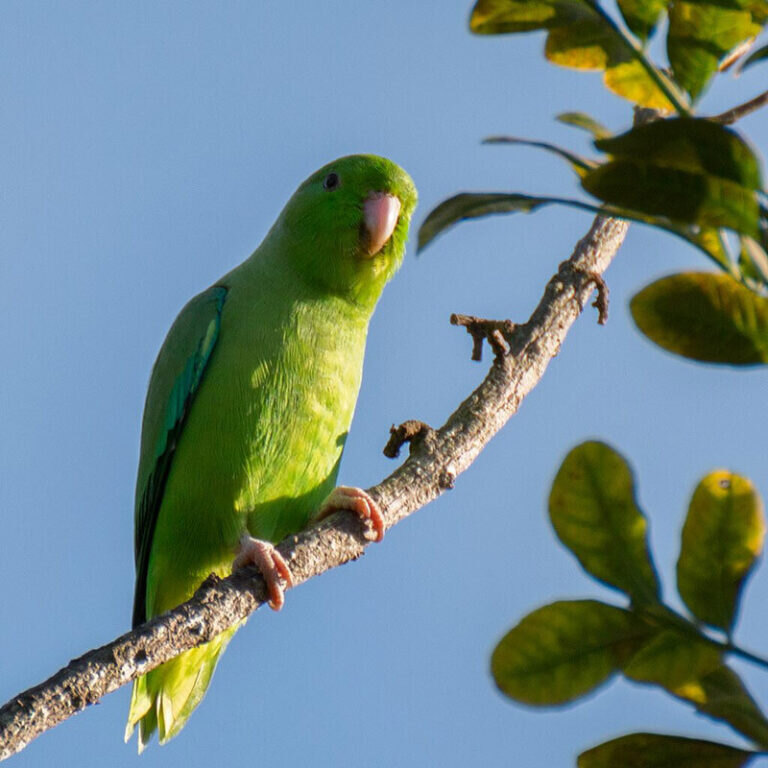
Parrots, often admired for their vibrant plumage and intelligence, are also significant contributors to the health of forest ecosystems, acting as what researchers term "multilinkers." Their ecological roles extend to seed dispersal, plant pollination, and even pest control through their consumption of insects. This multifaceted involvement ensures their widespread positive impact on plant life cycles and overall biodiversity. The movements of parrots across landscapes facilitate the transfer of energy and nutrients between different ecological zones, bolstering plant communities and supporting a more robust and resilient environment.
Scientific studies, including an in-depth investigation published in PMC (PubMed Central), reveal the critical role parrots play in forest regeneration. By consuming fruits and seeds and then dispersing them through their droppings, often over considerable distances, parrots contribute to the genetic diversity and spatial distribution of plant populations. This natural "seeding" process is crucial for the recovery of degraded forests and the establishment of new plant communities. Some parrot species are particularly adept at this, carrying seeds further than other seed dispersers, thus helping to recolonize areas that have been affected by deforestation or other disturbances.
Beyond seed dispersal, parrots’ diets often include insects, thus contributing to the natural regulation of insect populations. This can help prevent outbreaks of pest species that could otherwise damage vegetation. Their role as pollinators, though perhaps less recognized than that of hummingbirds or bees, also contributes to the reproductive success of certain plant species. The combined effect of these activities makes parrots invaluable partners in maintaining healthy, functioning forests. Their presence signifies a thriving ecosystem, and their conservation is essential for the long-term health and sustainability of the world’s forests. The study highlights that understanding these complex interactions is vital for developing effective conservation strategies that recognize the broad ecological services provided by these charismatic birds.
The importance of these avian heroes in the context of Earth Day cannot be overstated. Each species, from the minuscule hummingbird to the robust vulture, plays a distinct and indispensable role in maintaining the delicate equilibrium of our planet. As we commemorate Earth Day, it is an opportune moment to reflect on the profound interconnectedness of life and to renew our commitment to protecting these remarkable creatures and the habitats they call home. Their continued existence is not only a measure of our planet’s health but also a testament to our responsibility as stewards of the natural world. The ongoing research into their ecological functions continues to reveal the depth of their contributions, reinforcing the urgent need for their conservation in the face of mounting environmental challenges. Protecting these unsung heroes is, in essence, protecting ourselves and the future of our planet.
