
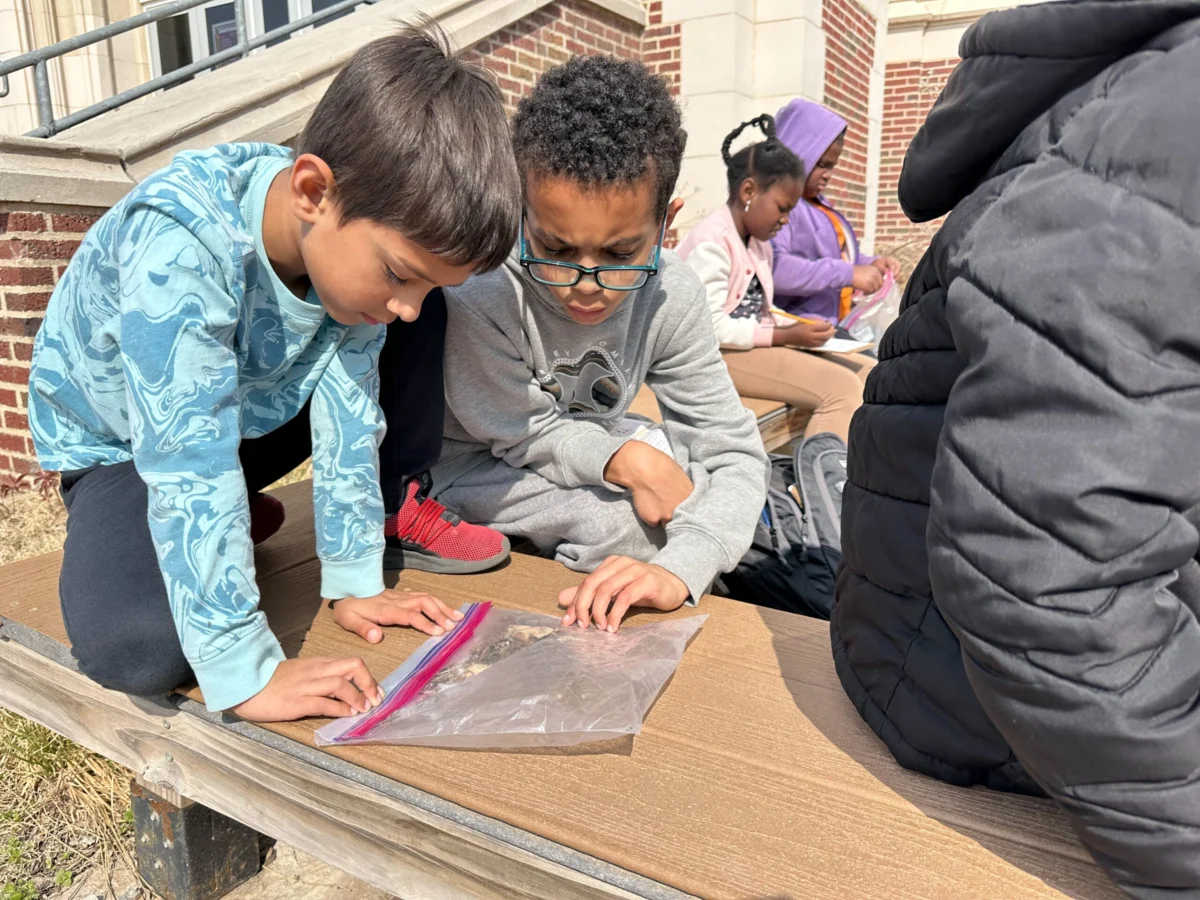
The Wildlife Explorers curriculum is spearheading an innovative educational initiative designed to bring conservation careers vividly to life for students, spanning from elementary after-school programs to comprehensive middle school field experiences. This ambitious program, rooted in hands-on, engaging, and place-based learning methodologies, is systematically introducing young learners to the diverse array of professions and specialized skills essential for safeguarding our planet’s natural heritage. From the intricate study of ornithology and botany to the detailed world of entomology and aquatic science, students are beginning to comprehend that conservation is not a singular path but a multifaceted field offering numerous avenues for professional engagement and impact.
The Genesis of an Idea: Addressing a Critical Need in Environmental Education
The development of the Wildlife Explorers curriculum emerged from a recognized need to bridge the gap between abstract environmental concepts and tangible career opportunities for young people. In an era marked by increasing environmental challenges, including biodiversity loss, climate change, and habitat degradation, the demand for skilled conservation professionals has never been more urgent. However, studies consistently indicate a decline in student interest in STEM (Science, Technology, Engineering, and Mathematics) fields, particularly those related to environmental sciences, if not introduced early and engagingly. Traditional classroom settings often struggle to convey the dynamic and experiential nature of environmental work, leaving many students unaware of the exciting and impactful careers available.
Historically, environmental education has often focused on awareness rather than direct engagement with career pathways. The Wildlife Explorers program seeks to fundamentally alter this paradigm by immersing students in the practical application of scientific principles and problem-solving, directly connecting their classroom learning to real-world conservation efforts. This approach aligns with national educational trends that advocate for experiential learning, interdisciplinary studies, and early career exposure to foster a more informed and capable future workforce. The program’s designers recognized that by making conservation relatable, accessible, and inclusive from an early age, they could inspire a new generation of environmental stewards and scientists.
Cultivating Curiosity: The 3rd-5th Grade After-School Program
The foundational component of the Wildlife Explorers initiative targets 3rd to 5th-grade students through meticulously designed after-school sessions. This phase of the curriculum is characterized by its highly interactive and accessible nature, ensuring that conservation education is not only informative but also deeply personal and relevant to young minds.
Program Design and Implementation: The curriculum is structured around a series of modules, each focusing on a different aspect of conservation science. For instance, in an ornithology module, students might learn about local bird species, practice using binoculars, and conduct simple bird counts in their schoolyards. A botany session could involve identifying native plants, understanding their ecological roles, and even planting seeds in a school garden. Entomological studies often include surveying insect populations using nets and identification guides, fostering an appreciation for the critical role insects play in ecosystems. Through these activities, students are not merely learning facts; they are actively practicing real-world skills employed by professional conservationists. They engage in observation, data collection, critical thinking, and collaborative problem-solving, all while developing a deeper understanding of ecological principles.
Accessibility and Representation as Core Pillars: A paramount strength of the 3rd-5th grade Wildlife Explorers program lies in its unwavering commitment to accessibility and diverse representation. Recognizing that logistical barriers can often hinder participation in enriching educational programs, the initiative operates in close collaboration with the Lincoln Community Learning Centers. This partnership enables the program to be delivered directly at Arnold, Elliott, Norwood Park, and West Lincoln Elementary Schools. By traveling to the students, the program eliminates the common challenges associated with arranging transportation for families, thereby ensuring broader participation across various socio-economic backgrounds.
Furthermore, conducting sessions on school campuses allows the curriculum to highlight local flora and fauna, transforming familiar surroundings into vibrant outdoor classrooms. This place-based learning approach helps students connect with their immediate environment, fostering a sense of ownership and responsibility for their local ecosystems. The emphasis on highlighting diverse career journeys is equally crucial. Educators within the program intentionally showcase conservation professionals from varied backgrounds, demonstrating that the field is open to everyone. This intentional focus on representation ensures that students can see themselves reflected in the conservation community, making a career in environmental protection feel not just aspirational but genuinely attainable and inclusive. As one program coordinator, Sarah Jenkins, noted, "It’s incredibly powerful when a child sees someone who looks like them, or comes from a similar background, working as a scientist. It transforms an abstract idea into a concrete possibility."
These early conversations and hands-on experiences are instrumental in "planting seeds for future stewardship." The program’s impact extends beyond ecological knowledge; it helps young learners connect their personal interests—whether it’s a fascination with birds, bugs, or plants—to potential future careers in conservation. A school administrator from one of the partner elementary schools, Dr. Emily Davis, remarked, "The Wildlife Explorers program is an invaluable extension of our curriculum. It provides our students with unique opportunities to engage with science in a meaningful way, fostering curiosity and a sense of environmental responsibility that we believe will last a lifetime."
Elevating Engagement: The 7th Grade Field Trip Program Pilot
Building upon the success and foundational principles of the after-school program, the Wildlife Explorers initiative has expanded its reach to 7th-grade students through an ambitious field trip program, currently in its pilot phase with Lincoln Public Schools. This progression represents a significant step up in the curriculum’s depth, incorporating more advanced STEM and research components to challenge older students.
Program Evolution and Advanced Curriculum: For 7th graders, the curriculum maintains its hands-on ethos but introduces a more rigorous scientific inquiry. Students are not just observing; they are actively participating in scientific investigations. The program transforms them into "career professionals" for a day, allowing them to explore the tallgrass prairie ecosystem from the perspective of an Ornithologist, Botanist, Entomologist, or Aquatic Scientist. This immersive role-playing is central to the program’s pedagogical approach.
For example, a student assigned the role of an Ornithologist might learn how to use mist nets (without actually handling birds, of course, but observing researchers do so), identify bird calls, and analyze bird migration patterns using real data. A Botanist might conduct transect surveys to identify plant species, understand plant succession, and analyze soil samples. Entomologists delve deeper into insect life cycles, habitat requirements, and the impact of environmental changes on insect populations. Aquatic Scientists might perform water quality tests, identify macroinvertebrates as bioindicators, and learn about watershed health. This role-specific immersion not only deepens their understanding of scientific methodologies but also provides a tangible sense of what these careers entail.
Integrated Learning and Premier Field Sites: The 7th-grade program is meticulously structured to integrate in-classroom activities with high-impact field experiences and follow-up assignments. Prior to the field trip, students engage with in-classroom activities and videos that introduce them to their assigned professional role, key concepts, and the specific tasks they will undertake. This preparatory phase ensures students arrive at the field site ready to engage meaningfully.
The field trips themselves are conducted at premier ecological sites, including Spring Creek Prairie, a vital tallgrass prairie ecosystem, or partner locations such as Pioneers Park Nature Center and the University of Nebraska – Lincoln. These sites offer rich, authentic learning environments where students can apply their knowledge in real-world contexts. A 7th-grade student, Maya Rodriguez, participating in the pilot, shared her excitement: "Being an ‘Aquatic Scientist’ for a day was amazing. We tested the water, found tiny bugs that tell us if the water is clean, and it felt like real science, not just reading from a book."
Following the field experience, students complete follow-up worksheets and activities that build upon their observations and data collection. These assignments are designed to connect their field exploration to broader ecosystem studies, reinforcing scientific concepts and encouraging critical analysis of environmental issues. This comprehensive approach ensures that the learning is sustained and integrated into their overall academic curriculum.
Chronology and Future Horizons: Scaling for Broader Impact
The Wildlife Explorers program has followed a deliberate and phased development, ensuring its efficacy and scalability. The 3rd-5th grade after-school curriculum has been successfully implemented over several years, continuously refined based on student and educator feedback. This consistent success paved the way for the more ambitious 7th-grade pilot.
The pilot phase for 7th-grade students commenced in the past fall and continued through the spring, involving a select number of Lincoln Public Schools. This period allowed program developers to rigorously test the curriculum’s advanced components, assess student engagement, and evaluate logistical feasibility for a broader rollout. The initial feedback from participating schools, students, and educators has been overwhelmingly positive, indicating a high level of engagement and significant learning outcomes.
Based on the successful pilot, the ambitious plan is for the full 7th-grade program to officially launch in the 2026-2027 school year, making it available to all 7th graders across Lincoln Public Schools. This district-wide implementation represents a monumental step, bringing hands-on conservation science and career exploration to thousands of young minds annually. A representative from Lincoln Public Schools, Dr. Robert Chen, Director of Curriculum and Instruction, expressed strong support: "The Wildlife Explorers pilot has demonstrated immense potential in engaging our middle schoolers in STEM, particularly in environmental science. Its alignment with our educational goals and the visible enthusiasm from students makes us confident in its district-wide expansion for the 2026-2027 academic year. It’s an investment in our students’ future and the health of our planet."
Broader Implications and Long-Term Impact
The Wildlife Explorers program represents more than just an educational initiative; it is a strategic investment in the future of environmental stewardship and scientific literacy. Its multifaceted approach carries significant broader implications:
Fostering STEM Engagement and Workforce Development: By providing early and engaging exposure to scientific fields, the program is a powerful tool for promoting STEM interest. Data from various educational studies consistently show that early, positive experiences with science significantly increase the likelihood of students pursuing STEM subjects in higher education and related careers. The immersive career exploration for 7th graders, in particular, serves as a vital pipeline, guiding students towards specific fields like ecology, environmental engineering, wildlife biology, and conservation management, addressing a growing demand for skilled professionals in these areas.
Community Resilience and Local Environmental Awareness: The program’s focus on local flora and fauna and its collaboration with community learning centers strengthen community ties and foster a sense of local environmental responsibility. Students who understand and appreciate their local ecosystems are more likely to become active participants in local conservation efforts, contributing to community resilience and sustainable practices. This grass-roots engagement can lead to tangible local benefits, such as improved park maintenance, habitat restoration projects, and increased civic participation in environmental policy.
Promoting Equity and Inclusivity in Science: By actively addressing barriers to access and emphasizing diverse representation, Wildlife Explorers sets a powerful example for equitable science education. Ensuring that students from all backgrounds have the opportunity to explore conservation careers helps to diversify the scientific workforce, bringing varied perspectives and experiences to critical environmental challenges. This inclusivity is not only socially just but also scientifically beneficial, as diverse teams are often more innovative and effective in problem-solving.
A Model for Educational Innovation: The success and structured scalability of the Wildlife Explorers curriculum position it as a potential model for other school districts and conservation organizations nationwide. Its blend of hands-on learning, place-based relevance, career exploration, and commitment to accessibility offers a blueprint for effective environmental education that extends beyond traditional classroom boundaries. The robust partnerships with schools, community centers, and scientific institutions demonstrate how collaborative efforts can create impactful and sustainable educational programs.
Addressing the Conservation Challenge: Ultimately, the most profound implication of Wildlife Explorers lies in its direct contribution to addressing the global conservation crisis. By inspiring and equipping a new generation with the knowledge, skills, and passion for environmental protection, the program is cultivating the future leaders, scientists, and advocates who will be essential for safeguarding biodiversity, mitigating climate change, and promoting sustainable living. As these "seeds for future stewardship" continue to grow, they promise a more environmentally conscious and capable society, ready to meet the ecological challenges of tomorrow.
The Wildlife Explorers program is not merely teaching students about nature; it is empowering them to imagine their critical role in protecting it, fostering a deep connection to the natural world that will resonate throughout their lives and careers.
