
The movement to restore Europe’s rivers has achieved an unprecedented milestone in 2025, with the dismantling of at least 603 artificial barriers. This record-breaking year not only surpasses all previous efforts but also signifies a profound shift in how European nations are prioritizing the health of their freshwater ecosystems. The removal of these structures has reconnected an astounding 3,740 kilometers of rivers across the continent, yielding significant benefits for climate resilience, water and food security, biodiversity, and the overall recovery of vital freshwater habitats.
This remarkable achievement is detailed in the newly published Dam Removal Europe 2025 report, which highlights the continuous and accelerating growth of river restoration initiatives. For the fifth consecutive year, a new annual record has been set, exceeding the previous high of 542 barrier removals in 2024 by an impressive 11%. This sustained upward trajectory demonstrates a burgeoning commitment to ecological restoration and a growing understanding of the critical role healthy, free-flowing rivers play in supporting both nature and human well-being.
A Decade of Accelerating Restoration
The surge in barrier removals represents a dramatic transformation in European river management. Merijn Hougee, Head of International Landscapes at WWF Netherlands, commented on this remarkable progress: "These achievements show a true European river restoration success story. From just over 100 annual barrier removals six years ago to more than 600 in 2025, shows how rapidly river restoration is becoming mainstream and how the momentum is growing. By removing more barriers, we are able to show how biodiversity bounces back and how we can strengthen resilience against climate change."
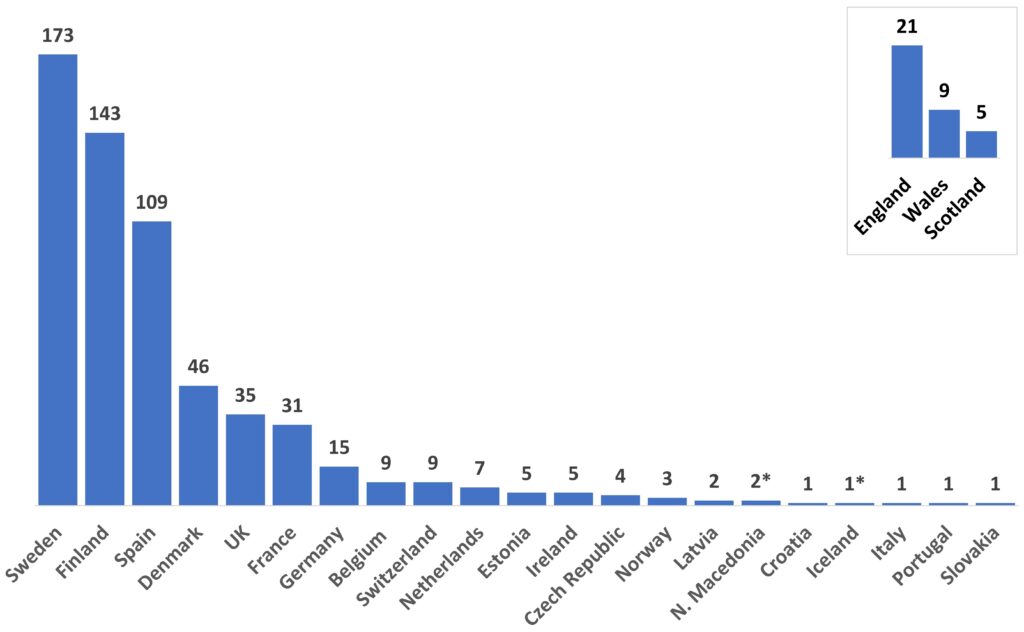
Indeed, the data reveals a sixfold increase in barrier removals since the first continental count was initiated in 2020. This rapid expansion is not only quantitative but also geographical. In 2025, two new countries, Iceland and North Macedonia, officially joined the dam removal movement by dismantling their first river barriers. This brings the total number of participating European nations to 29, underscoring a continent-wide recognition of the necessity and benefits of river restoration.
Sweden Takes the Lead in a Monumental Year
This year, Sweden emerged as a leading force in the dam removal effort, spearheading the continent with an impressive at least 173 barrier removals. This achievement, closely followed by Finland and Spain, exemplifies how concentrated national commitment and coordinated action can significantly accelerate progress. The success in these nations highlights the potential for rapid and impactful restoration when dedicated resources and policy support are mobilized.
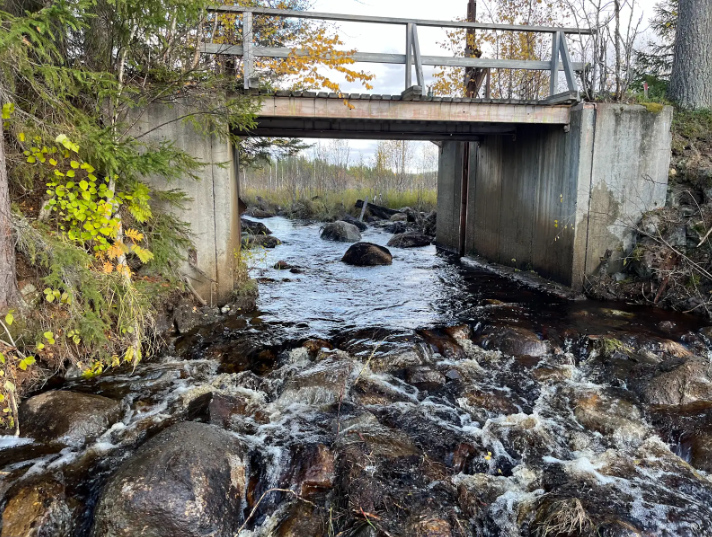
The majority of the barriers removed in 2025 were smaller, often obsolete structures such as culverts and weirs. While individually they may seem insignificant, their cumulative impact when removed at scale is substantial. These removals are frequently highly cost-effective, delivering significant ecological and hydrological benefits without requiring massive infrastructure projects.
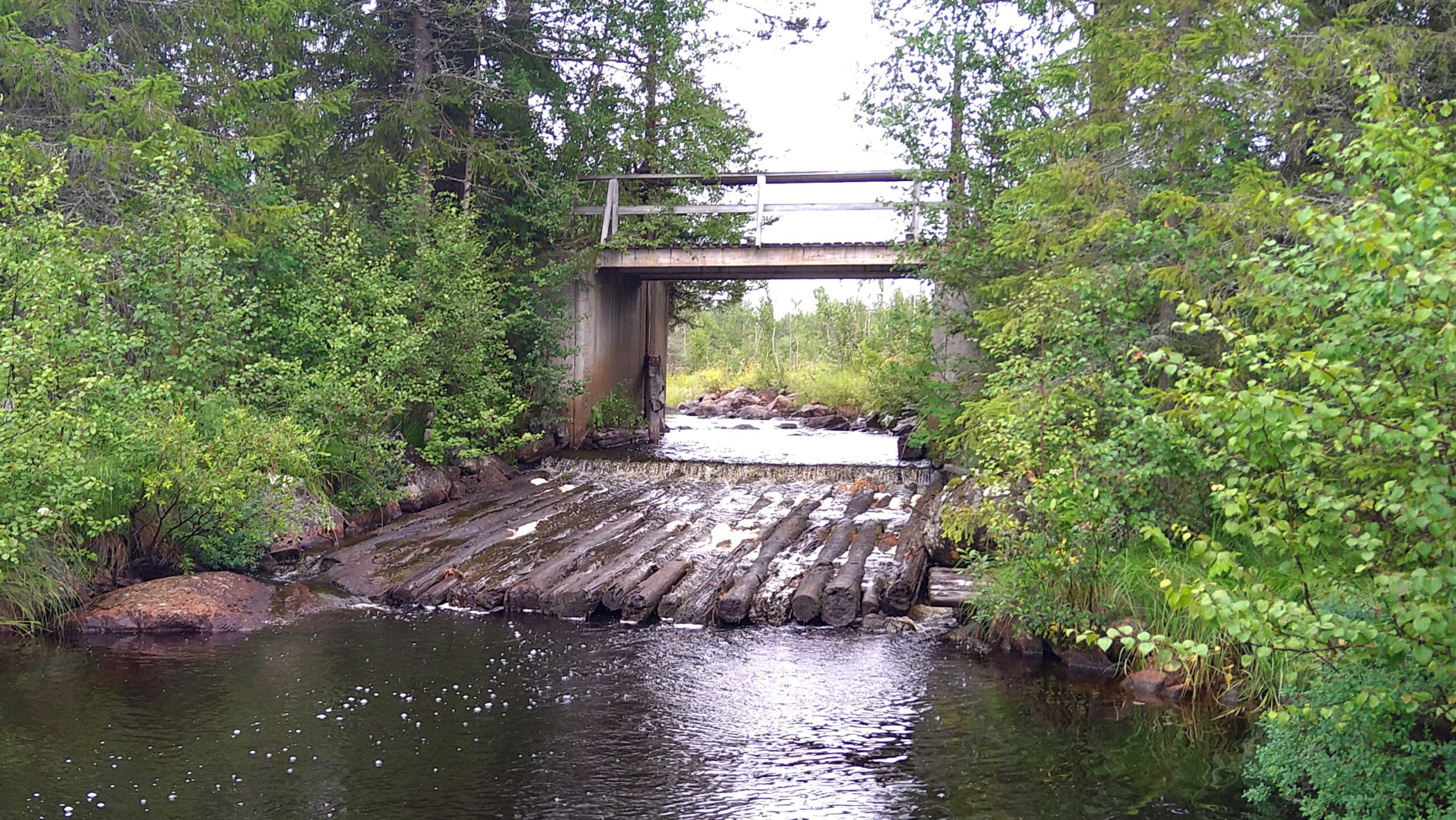
Sweden’s success is particularly notable for the removal of numerous timber dams. These structures are a legacy of the country’s extensive history of industrial-scale forestry, during which many rivers were channelized and dammed to facilitate the floating of logs downstream. The removal of these historical remnants is not just about reconnecting waterways; it’s about reclaiming the natural ecological functions that these rivers once possessed and rectifying the environmental impacts of past industrial practices.

The Urgency of Free-Flowing Rivers
Despite the record-breaking progress, Europe’s rivers remain significantly fragmented. An estimated 1.2 million barriers, including dams, weirs, and culverts, continue to disrupt natural riverine processes across the continent. These structures impede the natural flow of water, the transport of essential sediments and nutrients, and critically, the migratory pathways of aquatic species.
This pervasive fragmentation is a primary driver of severe ecosystem degradation. It has contributed significantly to the alarming decline in freshwater biodiversity, with a recent European Commission report indicating that a staggering 42% of Europe’s freshwater fish species are now classified as threatened with extinction. The continued presence of these barriers, particularly those that are obsolete, represents a daily degradation of river health.
Chris Baker, Director of Wetlands International Europe, emphasized this point: "Europe’s rivers are fragmented by an estimated 1.2 million barriers – and more than 150,000 of them are already considered obsolete. That makes barrier removal one of the biggest ecological ‘easy wins’ available today. These obsolete barriers no longer provide any benefits, yet they continue to degrade rivers every day they remain standing." Baker’s statement underscores the pragmatic and highly effective nature of barrier removal as a conservation strategy.
Broader Implications and Future Prospects
The record number of barrier removals in 2025 has profound implications beyond immediate ecological recovery. It directly contributes to the achievement of broader European environmental goals. The EU Nature Restoration Regulation, which came into effect in 2024, sets an ambitious target of restoring at least 25,000 kilometers of rivers to a free-flowing state by 2030. Barrier removal is unequivocally one of the most effective and direct methods for meeting this critical objective.
Furthermore, these efforts align with global conservation ambitions. The Freshwater Challenge, a global initiative aiming to restore 300,000 kilometers of degraded rivers worldwide by 2030, finds a powerful champion in Europe’s accelerating dam removal movement. Each kilometer of river reconnected in Europe contributes significantly to this overarching global target, demonstrating the continent’s commitment to international environmental stewardship.
The sustained growth in barrier removals signifies a paradigm shift in environmental policy and practice. It reflects a growing understanding that healthy, functioning rivers are not merely aesthetic features but critical natural infrastructure. They provide essential ecosystem services, including flood protection, water security, and vital habitats for a vast array of species, while also bolstering resilience against the impacts of climate change.
The trend indicates that the concept of removing obsolete dams is rapidly moving from niche environmental advocacy to mainstream conservation action. The increasing number of participating countries, the significant year-on-year increases in removals, and the widespread recognition of the benefits all point towards a future where river restoration is a standard component of environmental management across Europe.
The Path Forward: Addressing the Remaining Challenges
While the progress is undeniably encouraging, the sheer scale of river fragmentation in Europe—over 1.2 million barriers—means that there is still a monumental task ahead. Many of these barriers, though obsolete, require dedicated planning and resources for safe and effective removal. Continued investment, policy support, and public engagement will be crucial to maintain and accelerate this momentum.
The Dam Removal Europe report serves as a powerful testament to what can be achieved when collective will and strategic action are aligned. The reconnected rivers of 2025 are not just flowing more freely; they are becoming more resilient, more biodiverse, and more capable of supporting the essential ecological processes that underpin healthy landscapes and thriving human communities. As the movement continues to gain traction, Europe is demonstrating that large-scale ecological restoration is not only a possibility but a tangible reality, well underway across the continent.
