
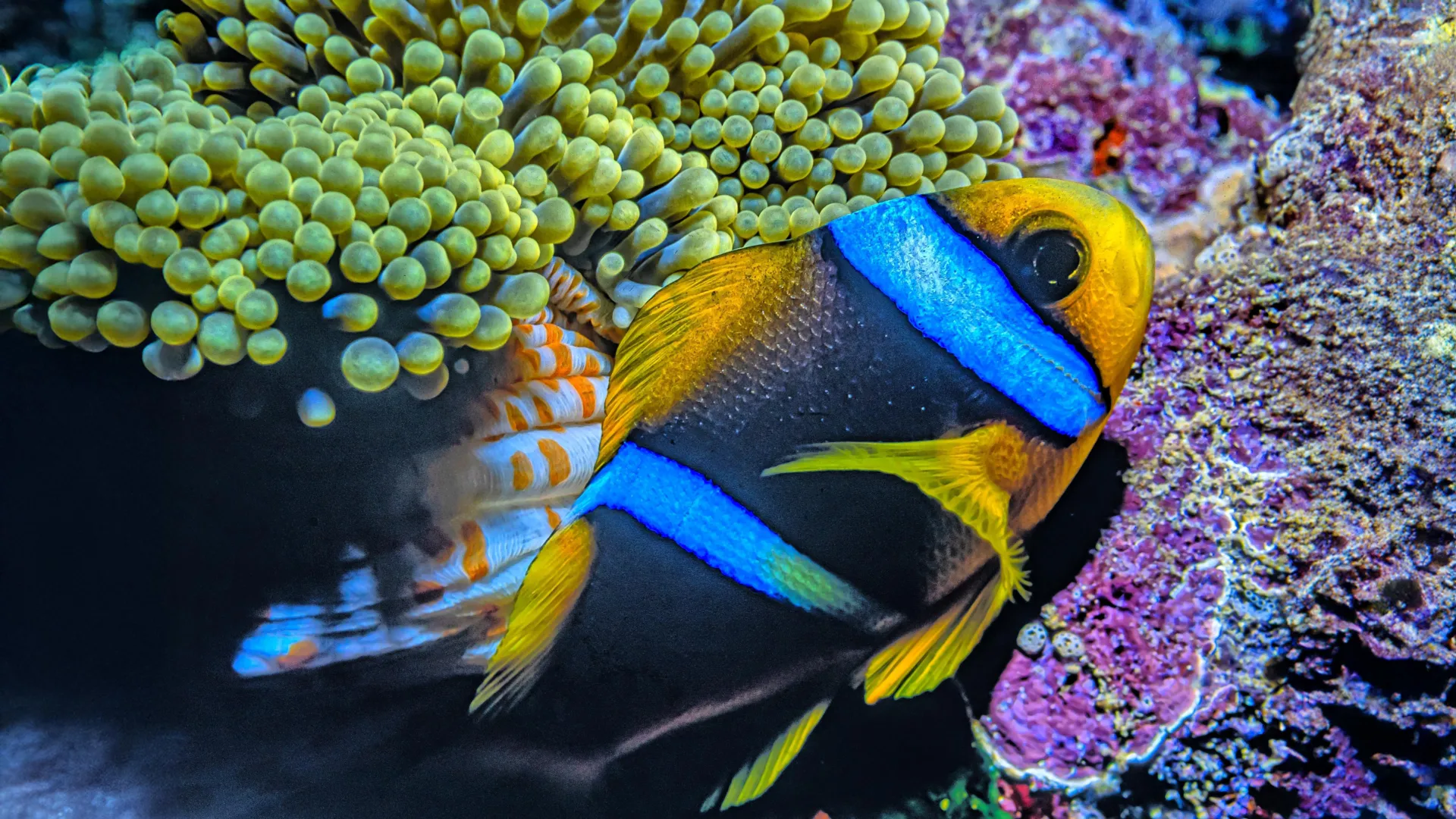
The findings, published on January 28, 2026, in the open-access journal PLOS One, highlight an insidious global crisis reaching even the planet’s most isolated marine environments. Led by Jasha Dehm of the University of the South Pacific, the comprehensive study indicates that approximately one-third of fish residing near Pacific Island Nations and Territories (PICTs) now harbor microplastic particles within their systems, with Fiji exhibiting particularly high contamination levels that significantly surpass global averages.
The Study’s Revelations: Unpacking the Data
The research sought to bridge a critical knowledge gap concerning microplastic presence in fish commonly consumed across the PICTs. Scientists meticulously analyzed data from 878 coastal fish, representing 138 distinct species, which were caught by local fishing communities around four key island nations: Fiji, Tonga, Tuvalu, and Vanuatu. This extensive dataset was supplemented by published records from the Global Information Biodiversity Facility, allowing for a broad yet detailed assessment.
Overall, the study found that roughly one in three fish contained at least one microplastic particle. However, this average masked substantial variations across the sampled islands, revealing localized hotspots of pollution. Fiji emerged as the most severely affected, with a staggering nearly 75% of sampled fish containing microplastics. This figure is considerably higher than the global average of 49% reported in similar studies worldwide, signaling a disproportionate burden on the Fijian marine ecosystem. While microplastics were frequently detected in Fiji’s fish, the actual quantity of plastic found in each individual fish was generally low, suggesting chronic exposure rather than acute, large-scale ingestion. In stark contrast, only about 5% of fish sampled in Vanuatu showed any evidence of microplastic contamination, illustrating the diverse localized impacts within the region.
Beyond overall prevalence, the study identified specific species showing consistent contamination across multiple islands. Two such species, the thumbprint emperor (Lethrinus harak) and the dash-and-dot goatfish (Parupeneus barberinus), were present in catches from all four surveyed countries. Notably, both species exhibited significantly higher contamination levels in Fiji compared to their counterparts in Tonga, Tuvalu, or Vanuatu, further emphasizing Fiji’s heightened exposure to plastic pollution.
Ecological Predictors of Microplastic Ingestion
The research team delved deeper, exploring the ecological factors that predispose certain fish species to microplastic ingestion. By leveraging information from a global database of fish species, they analyzed how various ecological traits, including diet, feeding behavior, and habitat preference, influenced contamination rates. Their analysis revealed clear patterns: fish species associated with coral reefs and those that inhabit the seafloor were significantly more likely to contain microplastics than species found in lagoons, general coastal waters, or the open ocean.
Furthermore, specific feeding habits were strongly linked to increased contamination. Species that primarily feed on invertebrates, forage along the ocean bottom, or employ ambush strategies to capture prey showed higher rates of microplastic presence compared to other fish. This suggests that the proximity to sediment, the consumption of smaller organisms that may have already ingested microplastics, and certain hunting techniques expose these fish to a greater risk of plastic uptake.
Jasha Dehm, the lead researcher, emphasized the implications of these findings: "The consistent pattern of high contamination in reef-associated species across borders confirms ecological traits as key exposure predictors, while national disparities highlight the failure of current waste management systems, or lack thereof, to protect even remote island ecosystems." This statement underscores a dual challenge: the intrinsic vulnerability of certain ecological niches and the extrinsic pressures from human-generated pollution.
Why Pacific Islands Are Particularly Vulnerable
The seemingly paradoxical situation of high microplastic pollution in geographically remote Pacific Island Countries and Territories can be attributed to a confluence of factors. While their remoteness might suggest protection from industrial pollution, PICTs are increasingly exposed due to rapid urban growth coupled with severely limited waste and water management infrastructure. Many islands struggle with inadequate landfill capacity, rudimentary recycling facilities, and often, open burning or unregulated dumping of waste, much of which is plastic. This local mismanagement, exacerbated by prevailing ocean currents that transport plastic debris from distant sources, creates a potent recipe for widespread environmental contamination.
Moreover, the socio-economic and cultural fabric of these nations makes them acutely vulnerable to marine pollution. Coastal communities across the PICTs depend heavily on fish not just as a primary source of protein for sustenance, but also for income through artisanal and commercial fishing, and for deeply ingrained cultural practices and traditions. The potential long-term effects of consuming contaminated seafood thus raise profound concerns about food security, public health, and cultural heritage. This dependence, coupled with major data gaps across the region, makes locally generated evidence, such as this study, absolutely essential for informed policy-making.
Microplastics: A Global Epidemic with Localized Impacts
Microplastics, defined as plastic particles smaller than 5 millimeters, are now recognized as a ubiquitous contaminant in marine environments globally. They originate from a myriad of sources, including the breakdown of larger plastic debris (bottles, bags), microbeads in personal care products, synthetic textile fibers shed during washing, and industrial pellets (nurdles) used in plastic manufacturing. Annually, an estimated 8 to 12 million metric tons of plastic enter the world’s oceans, a significant portion of which degrades into microplastics. These tiny fragments are then ingested by marine organisms at every trophic level, from plankton to whales.
The documented effects on marine ecosystems are extensive and worrying. Ingested microplastics can cause physical blockages in digestive tracts, reduce feeding efficiency, and lead to malnutrition and starvation. Studies have also linked microplastic ingestion to altered behavior, reduced reproductive success, and chronic inflammation in various marine species. Beyond physical harm, microplastics can act as vectors for harmful chemicals, absorbing persistent organic pollutants (POPs) and heavy metals from the surrounding seawater. When ingested, these toxins can leach into the tissues of marine organisms, potentially biomagnifying up the food chain.
While the direct long-term health risks to humans from consuming microplastic-contaminated seafood are still an area of active research, the scientific community expresses growing concern. Potential risks include the transfer of associated toxins, inflammation, and endocrine disruption. The World Health Organization (WHO) has called for more research into the human health impacts, particularly given the widespread exposure.
The Human Dimension: Food Security and Cultural Significance
For Pacific Island communities, the implications of microplastic-laden fish extend far beyond environmental degradation; they strike at the very heart of food security and cultural identity. Fish is not merely a dietary component but a cornerstone of survival, providing essential protein, micronutrients, and livelihoods for millions. Traditional fishing methods, passed down through generations, are integral to the cultural fabric of these islands. The contamination of these vital food sources threatens to disrupt traditional diets, potentially leading to nutritional deficiencies and economic hardship for fishing communities.
Dr. Amanda Ford, a co-author of the study, underscored this critical nexus: "While microplastic levels in Pacific fish are generally lower than in many industrialized regions, Pacific communities rely far more heavily on fish as a primary protein source. Combined with major data gaps across the region, this makes locally generated evidence essential as Global Plastics Treaty negotiations advance and are translated into national policies." Her statement highlights the disproportionate vulnerability of PICTs, where even seemingly lower contamination levels can have profound impacts due to higher consumption rates. The study’s emphasis on reef-associated and bottom-feeding species is particularly alarming, as these are often the most accessible and culturally significant fish for subsistence fishers.
Fiji’s Alarming Levels: A Case Study in Concentrated Risk
Fiji’s exceptionally high contamination rate of nearly 75% serves as a stark warning. The researchers suggest that Fiji’s greater population density, extensive coastal development, and less effective waste management systems, compared to its less populated neighbors like Vanuatu, are likely drivers for this elevated pollution. As Fiji experiences rapid urbanization and increased consumption patterns, the existing waste infrastructure struggles to cope, leading to more plastic waste entering its marine environment. The dominance of fibers in the microplastic samples from Fiji further implicates textile waste and fishing gear as significant contributors to the problem, challenging the often-held assumption that marine litter is solely a visible, large-scale coastal management issue.
Dr. Rufino Varea, another contributing researcher, articulated the gravity of Fiji’s situation: "Beyond the ecological insights, this study delivers a stark warning about the vulnerability of our food systems: we found that the reef-associated and bottom-feeding fish most accessible to our subsistence fishers are acting as reservoirs for synthetic pollution, particularly in Fiji, where nearly three-quarters of sampled individuals contained microplastics. The dominance of fibers in these samples challenges the assumption that marine litter is solely a visible, coastal management issue; it indicates a pervasive infiltration of textile and gear-derived contaminants into the very diet of our communities." This direct link between readily available food sources and pervasive pollution underscores an immediate and tangible threat to local populations.
From Local Data to Global Policy: The Call for a Strong Global Plastics Treaty
The findings from this study arrive at a pivotal moment for global environmental policy. The international community is currently engaged in negotiations for a legally binding Global Plastics Treaty, spearheaded by the United Nations Environment Programme (UNEP). The treaty aims to address the full life cycle of plastics, from production to disposal, with the goal of ending plastic pollution worldwide. The first Intergovernmental Negotiating Committee (INC-1) meeting took place in Punta del Este, Uruguay, in November 2022, followed by INC-2 in Paris in May 2023, and INC-3 in Nairobi in November 2023. These negotiations are slated to conclude by 2025, with subsequent meetings planned to hammer out the details.
This Pacific study provides crucial "evidentiary basis" for these ongoing negotiations. Dr. Varea’s powerful statement that "this data shatters the illusion that our remoteness offers protection and provides the evidentiary basis we need to reject downstream solutions — such as recycling schemes — as insufficient" is a direct call to action for policymakers. He argues that current approaches, often focused on managing waste after it’s produced, are inadequate. Instead, the study compels a demand for a Global Plastics Treaty that "enforces strict caps on primary plastic production and toxic additives, as this is the only viable way to safeguard the health and food security of Pacific peoples." This stance advocates for "upstream" solutions, targeting the source of plastic pollution by reducing overall production and eliminating hazardous chemicals used in plastic manufacturing.
The implications for policymakers are clear: understanding which ecological traits increase exposure can help identify ecosystems and communities most at risk, allowing for targeted interventions. However, the overarching message is that local waste management improvements, while necessary, will not be sufficient to tackle a problem of this scale without simultaneous global efforts to curb plastic production at its source.
Broader Implications and Future Outlook
The pervasive nature of microplastic pollution revealed in this study serves as a stark reminder that no corner of the Earth is immune to human activity. For the PICTs, the findings necessitate a multi-pronged approach. Locally, there is an urgent need for enhanced waste management infrastructure, including improved collection systems, proper sanitary landfills, and investment in sustainable recycling and waste-to-energy initiatives where feasible. Public awareness campaigns are also crucial to educate communities on responsible waste disposal and the impacts of plastic pollution.
Internationally, the study bolsters the argument for robust global policies that address the entire plastic value chain. It highlights the interconnectedness of global consumption patterns and local environmental health, particularly for vulnerable nations. International aid and partnerships will be vital to support PICTs in developing resilient waste management systems and adapting to the challenges posed by marine pollution. Further research is also critical, particularly into the long-term human health impacts of consuming microplastic-contaminated seafood, as well as the efficacy of various mitigation strategies.
Ultimately, the safeguarding of marine biodiversity and human health in the Pacific and beyond hinges on a fundamental shift in how humanity produces, uses, and disposes of plastic. The findings from Dehm’s team underscore the urgency of this transition, demanding immediate and decisive action from both local communities and the international community to protect these vital ecosystems and the livelihoods they sustain.
Funding and Acknowledgements
The groundbreaking study was made possible through crucial funding provided by the Asia Pacific Network for Global Change Research (Grant CRRP2022-05MY-Ford). This support was allocated under the project "Establishing Baselines for Marine Plastics and Bridging Indigenous Knowledge with Ocean Policy to Improve Livelihood Security in the Pacific," awarded to Dr. Amanda K. Ford. It is important to note that while the funders sponsored the project, they maintained complete independence from the study’s design, data collection and analysis, decision to publish, and preparation of the manuscript, ensuring the integrity and objectivity of the research findings.
