
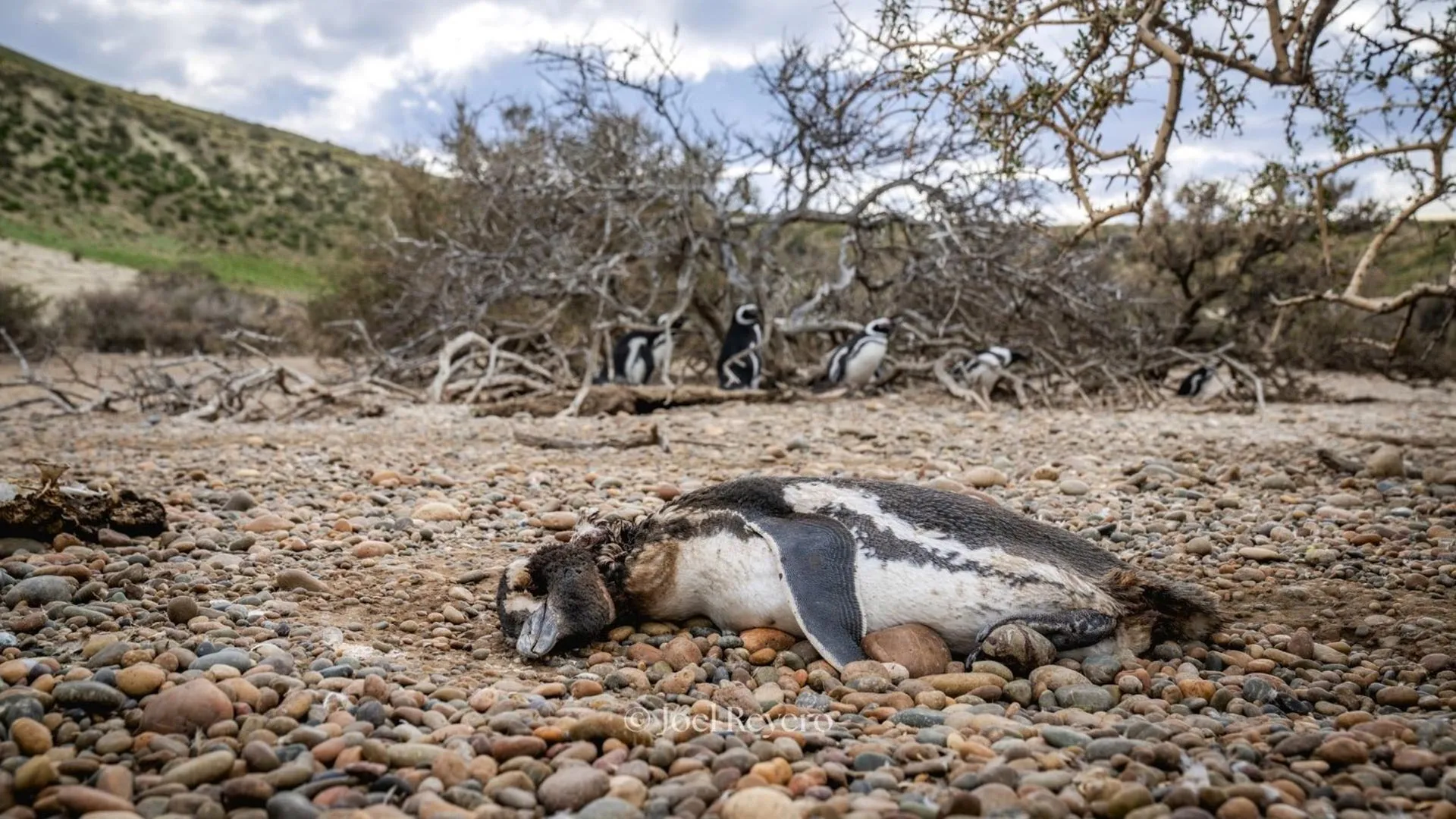
Should conservation efforts focus on protecting one iconic species if that protection may harm another, especially in landscapes still recovering from human activity? This profound question lies at the center of a growing conservation challenge at Monte Leon National Park on Argentina’s Patagonian coast, where the successful resurgence of pumas is creating unforeseen pressures on a vital colony of Magellanic penguins. The situation encapsulates the intricate dilemmas inherent in ecosystem restoration, particularly when historical human interventions have dramatically reshaped ecological interactions, leading to novel challenges as nature reclaims its own.
Monte Leon: A Jewel of Patagonian Conservation
Monte Leon National Park, established in 2004, represents a landmark achievement in Argentinian conservation, becoming the country’s first continental marine national park. Situated approximately 50 kilometers north of Comandante Luis Piedra Buena in Santa Cruz province, the park encompasses a breathtaking stretch of coastline, islands, and a diverse terrestrial landscape. Its creation was spearheaded by the conservation efforts of Tompkins Conservation, a philanthropic organization founded by Douglas and Kris Tompkins, who purchased the land and later donated it to the Argentine state. The park’s primary objective is to protect a unique blend of Patagonian steppe and coastal marine ecosystems, including critical breeding grounds for seabirds and marine mammals, while also preserving archaeological sites and geological formations. Before its designation as a national park, much of the area was used for extensive sheep ranching, an activity that profoundly altered the natural balance of the region for well over a century. The cessation of these activities in the 1990s marked a turning point, initiating a slow but significant ecological recovery process, allowing native flora and fauna to gradually re-establish themselves. This recovery, however, has not been without its complexities, as the rewilding process introduces new dynamics, some of which are only now becoming fully understood.
The Return of the Apex Predator: Pumas Reclaim Their Domain
Pumas (scientific name: Puma concolor), also known as cougars or mountain lions, are the most widely distributed large terrestrial mammals in the Western Hemisphere, ranging from the Canadian Yukon to the southern Andes. As apex predators, they play a crucial role in maintaining the health and balance of ecosystems by regulating prey populations. Historically, pumas were integral to the Patagonian landscape, but their populations suffered drastic declines during the era of extensive ranching, primarily due to persecution by ranchers seeking to protect their livestock. The end of cattle ranching in southern Argentina around 1990 created an opportunity for these resilient carnivores to gradually reclaim their ancestral territories. Their return to Monte Leon and surrounding areas was a celebrated sign of ecological recovery, a testament to nature’s capacity to heal when given the chance.
However, this triumphant return brought pumas into contact with a species they had not historically interacted with in such close proximity on the mainland: the Magellanic penguin (Spheniscus magellanicus). Magellanic penguins, named after Ferdinand Magellan who first sighted them in 1520, are a medium-sized species endemic to the coasts of South America. They are currently listed as "Near Threatened" by the IUCN, facing myriad challenges including oil pollution, overfishing, climate change impacts on food sources, and disturbance at breeding colonies. For generations, these penguins had established large breeding colonies on the mainland coast of Patagonia, including Monte Leon, having moved from offshore islands. This shift was largely facilitated by the historical absence of significant land predators following human-induced declines of pumas and other native carnivores. Without the evolutionary pressure to develop defenses against large terrestrial hunters, these mainland penguin colonies became inadvertently vulnerable targets once pumas returned.
A Decade of Observation: Unveiling a Novel Ecological Interaction
The unfolding situation at Monte Leon presented a unique and challenging scenario for conservationists. Since the park’s establishment in 2004, the penguin colonies within its boundaries have been under close scrutiny by dedicated researchers. The Centro de Investigaciones de Puerto Deseado of the Universidad Nacional de la Patagonia Austral, in collaboration with rangers from Monte Leon National Park, initiated comprehensive monitoring programs. This long-term commitment allowed for the systematic collection of data on penguin population dynamics, including breeding success, chick survival, and instances of predation.
A critical phase of this research focused on the period between 2007 and 2010. During these four years, field teams meticulously recorded penguin carcasses, carefully examining them for signs of puma attacks. This painstaking work laid the foundation for understanding the scale and nature of this newly emerging predator-prey relationship. To gain deeper insights and apply advanced analytical techniques, the research team later forged a crucial partnership with experts from Oxford University’s Wildlife Conservation Research Unit (WildCRU). This collaboration brought together local knowledge and extensive field data with cutting-edge ecological modeling capabilities, allowing for a robust assessment of the long-term implications for the penguin colony. The synergy between local institutions and international academic partners exemplifies the collaborative spirit often required to tackle complex conservation issues.
The Alarming Scale of Predation: A Case of "Surplus Killing"
The findings from the combined research efforts were stark. Analyzing the carcass counts from the 2007-2010 period, the researchers estimated that more than 7,000 adult Magellanic penguins were killed by pumas within the Monte Leon National Park colony. To put this figure into perspective, this represented approximately 7.6% of the estimated adult population of around 93,000 individuals within the study area during that time. While the absolute number was significant, it was the nature of the killings that raised particular ecological questions.
Many of the penguin carcasses showed signs of only partial consumption or were left entirely uneaten. This pattern is characteristic of what ecologists term "surplus killing" or "lust killing," a phenomenon where predators kill more prey than they can immediately consume. This behavior is often observed when prey is abundant, easily accessible, and lacks effective defenses, or when predators are inexperienced. Lead author Melisa Lera, a postgraduate student at WildCRU, Oxford University, highlighted this observation: "The number of carcasses showing signs of predation we found in the colony is overwhelming, and the fact that they were left uneaten means pumas were killing more penguins than they required for food. This is consistent with what ecologists describe as ‘surplus killing’. It is comparable to what is seen in domestic cats when prey are abundant and/or vulnerable: ease of capture can lead to cats hunting more birds, even when they do not end up actually eating them. We needed to understand if the penguin colony’s persistence could be threatened due to this behavior." The analogy to domestic cats is apt in describing the behavioral aspect, but the ecological implications in a wild, recovering ecosystem are far more profound, potentially disrupting population dynamics and raising concerns about the long-term viability of the prey species.
Beyond Predation: The Dominant Influence of Environmental Factors
Despite the alarming number of penguin deaths attributed to pumas, the population models employed by the research team yielded a critical insight: puma predation alone was unlikely to drive the Monte Leon penguin colony to extinction. The sophisticated models, which integrate various demographic parameters such as birth rates, death rates, and age structure, pointed to other factors as far more influential in determining the colony’s long-term survival and stability. Specifically, the models highlighted the paramount importance of breeding success and the survival rates of juvenile penguins.
Extinction of the colony was only projected in highly hypothetical and extreme scenarios. These scenarios envisioned a combination of exceptionally low juvenile survival, with only around 20% of chicks successfully reaching adulthood, coupled with extremely poor reproductive output, limited to a maximum of one chick per breeding pair. In such dire circumstances, the models indicated that high levels of puma predation would certainly exacerbate the situation, accelerating decline, but they were not identified as the primary or sole cause of collapse. This suggests that while puma predation is a significant stressor, the underlying health and resilience of the penguin population are more fundamentally shaped by factors influencing their ability to reproduce and for their young to survive the critical early stages of life.
Dr. Jorgelina Marino, also a study co-author from WildCRU, Oxford University, underscored the broader significance of these findings: "This study captures an emerging conservation challenge, where recovering carnivores are encountering novel prey. Understanding how these dietary shifts affect both predators and prey is essential to inform conservation." Her statement emphasizes that the Monte Leon case is not an isolated incident but a microcosm of a wider global phenomenon, necessitating a comprehensive understanding of these new ecological interactions.
The Shadow of Climate Change and Broader Pressures
The crucial role of breeding success and juvenile mortality in the Monte Leon penguin colony’s stability points directly to the pervasive influence of environmental conditions, particularly those altered by global climate change. Factors such as nutrient availability in the ocean, the abundance and distribution of food sources (like anchovies and sardines, which form a significant part of the Magellanic penguin diet), and ambient temperatures are all known to be profoundly affected by climate change.
Ocean warming, shifts in ocean currents, and increased frequency of extreme weather events can disrupt the marine food web, making it harder for adult penguins to find sufficient food to provision their chicks. Warmer temperatures can also directly impact chick survival, as young penguins are susceptible to heat stress. Furthermore, changes in storm patterns can destroy nests and expose vulnerable eggs and chicks. If these climate-driven pressures intensify, leading to consistently poor breeding seasons and high juvenile mortality, even moderate levels of puma predation could become more significant, pushing the colony closer to a tipping point. The study thus implicitly reinforces the interconnectedness of local ecological dynamics with global environmental changes, suggesting that effective conservation strategies must address both proximate threats and overarching environmental stressors.
The Monte Leon scenario is also emblematic of broader ecological shifts occurring worldwide as landscapes recover and species redistribute. As land predators, once suppressed by human activity, expand back into their historic ranges, they frequently encounter coastal environments and prey species that have evolved in the relative absence of such threats. Examples abound globally:
- Feral Hogs and Sea Turtles: Along the Georgia coast in the USA, non-native feral hogs (Sus scrofa) have become major predators of loggerhead sea turtle (Caretta caretta) eggs, significantly impacting the reproductive success of these endangered marine reptiles.
- Coyotes and Coastal Birds: In eastern North America, coyotes (Canis latrans) are expanding their range onto coastal barrier islands, altering the delicate ecosystems there and posing a new threat to ground-nesting seabirds and other coastal fauna.
- Arctic Foxes and Seabirds: In the Arctic, as sea ice diminishes, Arctic foxes are able to access islands previously protected by ice, increasing predation pressure on vulnerable seabird colonies.
These instances highlight a recurring theme: human activities, whether through direct persecution of predators, habitat alteration, or climate change, create ecological vacuums or novel interactions that challenge traditional conservation paradigms. The reintroduction or natural return of apex predators, while generally a positive sign of ecosystem health, can trigger complex cascading effects, particularly when prey species have lost their evolutionary "memory" of such threats.
The Path Forward: Adaptive Management and Continuous Vigilance
The authors of the Monte Leon study emphatically stress that ongoing, long-term monitoring is not merely a scientific exercise but an essential tool for adaptive management. Continuous observation of both puma and penguin populations is critical to detect early signs of population decline, shifts in behavior, or changes in environmental conditions. Such vigilance allows park authorities and conservation managers to make informed, data-driven decisions before ecological damage becomes irreversible.
While direct intervention to control puma populations is generally considered a last resort in national parks, especially for a recovering native species, adaptive management in Monte Leon could involve a suite of strategies. These might include:
- Habitat Management: Ensuring the integrity of nesting sites and minimizing human disturbance.
- Mitigating Other Threats: Intensifying efforts to combat marine pollution, regulate fishing practices that impact penguin food sources, and address other local stressors.
- Public Education: Raising awareness among visitors about the park’s unique ecological dynamics and the importance of allowing natural processes to unfold, while also emphasizing responsible wildlife viewing.
- Further Research: Expanding studies to understand puma diet breadth, individual puma hunting behaviors, and the precise mechanisms by which climate change impacts penguin breeding success and juvenile survival.
The complex narrative at Monte Leon National Park serves as a powerful reminder that conservation is rarely straightforward. It often involves navigating intricate ecological relationships, historical legacies of human impact, and the accelerating pressures of global climate change. The dilemma of balancing the recovery of one iconic species with the protection of another, particularly when both are native and ecologically significant, underscores the need for nuanced, scientifically informed, and adaptive approaches. The ongoing efforts at Monte Leon are not just about protecting penguins and pumas; they are about understanding the resilience and fragility of ecosystems in a rapidly changing world, offering invaluable lessons for conservation efforts globally.
