
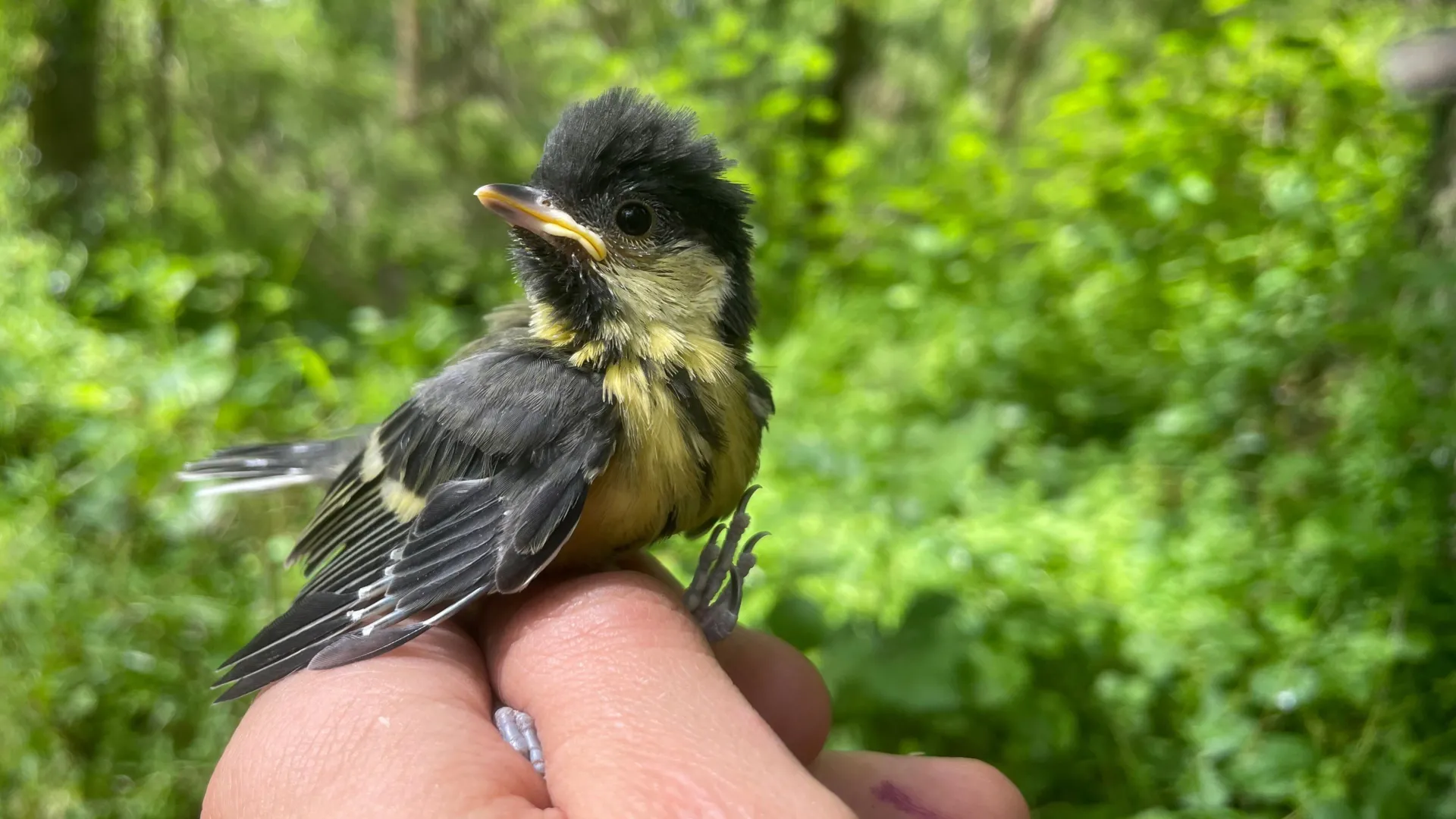
A significant new study from the University of Oxford, published on March 11, has illuminated the complex and often detrimental impacts of sudden cold spells and heavy rainfall on the growth and survival rates of young great tits in the United Kingdom. The research further suggests a crucial adaptive mechanism: birds that commence their breeding cycle earlier in the season may effectively circumvent many of the adverse effects associated with these increasingly frequent weather extremes. This finding offers a glimmer of hope for avian populations grappling with an unpredictable climate, while simultaneously highlighting new vulnerabilities.
The Unprecedented Sixty-Year Dataset: A Window into Avian Ecology
The findings presented by the Oxford researchers are rooted in an extraordinarily comprehensive and long-running ecological dataset. Scientists meticulously analysed six decades of records, encompassing observations on more than 80,000 individual wild great tits (Parus major) residing within Oxford’s ancient Wytham Woods. This wealth of biological information, gathered continuously since the mid-20th century, was then rigorously cross-referenced with highly detailed daily weather records for the region. By precisely identifying the coldest, wettest, and hottest days occurring throughout each breeding season, researchers were able to quantify the frequency of these extreme events during critical stages of chick development. This allowed them to measure how such conditions influenced key metrics like body mass when nestlings ultimately fledged – a crucial indicator widely recognised by ornithologists as a strong predictor of a young bird’s subsequent survival into adulthood.
Wytham Woods, a 385-hectare ancient semi-natural woodland owned and managed by the University of Oxford since 1942, serves as one of the most intensively studied areas of woodland in the world. Its continuous monitoring programmes, particularly the long-term study of great tits and other woodland birds, have provided unparalleled insights into population dynamics, behavioural ecology, and evolutionary processes. The Great Tit Project, initiated in 1947 by David Lack, has become a cornerstone of long-term ecological research, making Wytham an ideal natural laboratory for understanding the subtle and overt impacts of environmental change over extended periods.
Great Tits: An Indicator Species in British Woodlands
The great tit, a common and charismatic songbird found across Europe and Asia, is an excellent model species for ecological studies due to its adaptability, relatively short lifespan, and ease of monitoring in nest boxes. In the UK, great tits are widespread residents, typically inhabiting deciduous and mixed woodlands, parks, and gardens. Their breeding season usually spans from April to July, with females laying between 5 to 12 eggs, typically producing one or two broods per year. Their diet is largely insectivorous, especially during the breeding season when protein-rich caterpillars are essential for feeding rapidly growing chicks. The synchronous emergence of caterpillars with tit hatching dates is a classic example of phenological matching, a delicate balance that is increasingly disrupted by climate change. As an indicator species, changes in great tit populations and breeding success often reflect broader ecological shifts within woodland ecosystems.
The Perils of Early Life: Cold Snaps and Deluges
The Oxford study unequivocally demonstrated that severe cold spells occurring within the first week after hatching are particularly detrimental to great tit nestlings. During this vulnerable period, newly hatched chicks possess underdeveloped thermoregulatory capabilities, lacking the insulating feathers necessary to maintain a stable body temperature. Consequently, a significant portion of their metabolic energy, which would otherwise be directed towards growth and development, must be expended simply to generate and retain body heat. This energy diversion directly impedes their physical development.
As the chicks mature, the primary meteorological threat shifts from cold to heavy rainfall. Both extreme cold and torrential downpours contribute to a measurable reduction in fledging body mass, by as much as 3%. This seemingly small deficit can have profound implications for survival, as lighter fledglings are generally less competitive, less agile, and more susceptible to predation or starvation after leaving the nest.
Beyond the direct physiological stress on chicks, adverse weather conditions significantly impair parental foraging efficiency. Extreme cold and heavy rain restrict how often adult birds can safely and effectively leave the nest to search for food. Furthermore, heavy rainfall has a direct ecological impact on the great tit’s primary food source: caterpillars. Rain can dislodge these crucial larvae from plants, making them less accessible or even washing them away entirely, thereby reducing the available biomass of food that growing chicks critically depend on to meet their exceptionally high energy demands. This double-whammy – reduced parental foraging and diminished food availability – creates a severe nutritional bottleneck for developing nestlings.
The Synergistic Threat: Heat and Heavy Rain
The research uncovered an even more alarming scenario when intense heat coincides with heavy rainfall. Under these combined and often humid conditions, the impact on nestling development becomes dramatically more severe. In such instances, fledging mass can plummet by an astonishing 27%, a reduction that significantly compromises a young bird’s chances of survival. This effect was particularly pronounced for broods that hatched later in the breeding season, suggesting that the cumulative stress of a prolonged season or the specific timing of these combined extremes is especially punishing for later-stage offspring. Such a drastic reduction in body mass indicates severe developmental impairment, making these late-season broods highly vulnerable.
Early Breeding: A Natural Adaptation with New Challenges
Lead researcher Devi Satarkar from the Department of Biology at the University of Oxford, commented on the population’s observed adaptations. "In the Wytham population, great tits have demonstrably adjusted to warmer springs by initiating breeding earlier. This phenological shift is an evolutionary response aimed at tracking the peak abundance of their main prey, caterpillars," Satarkar explained. "This overall earlier laying strategy has proven largely beneficial, acting as a buffer against many of the impacts of extreme weather. However, this adaptation also inadvertently exposes them to cold spells that can still occur early in the season. Even small early-life deficits can have large implications for survival, especially when resources are limited. It will only get tougher for birds to keep up with these shifts as extreme weather increases in frequency and intensity with ongoing climate change."
The concept of "phenological mismatch" is central to understanding this dynamic. As global temperatures rise, spring arrives earlier, causing plants to leaf out sooner and insect life cycles to accelerate. Birds like great tits have evolved to time their breeding to coincide with the peak availability of caterpillars, their primary food source for nestlings. When these timings get out of sync – for example, if caterpillars peak before the eggs hatch – it leads to a mismatch that can starve entire broods. The Wytham great tits have largely managed to track this shift by breeding earlier, demonstrating remarkable plasticity. However, this study reveals the new trade-offs and vulnerabilities introduced by this adaptation, particularly to early-season cold snaps that were previously less impactful.
The Unexpected Benefit of Mild Warmth
One of the study’s more unexpected and intriguing findings was the observation that certain warmer extremes were paradoxically linked to heavier fledging weights during the nestling stage. While high temperatures are typically associated with heat stress and negative physiological consequences for many species, the researchers noted that the warmer periods experienced in Oxfordshire appear to be relatively mild when compared with the genuinely extreme and often lethal heatwaves recorded in regions like southern Europe.
Devi Satarkar elaborated on this nuanced finding: "Extreme weather events are affecting wild bird populations in complex ways, and we must avoid oversimplification. The specific level of warmth we observe during these ‘heat extremes’ in Oxfordshire might actually boost growth. This is likely because moderate warmth can increase insect activity and visibility, making caterpillars easier for foraging parents to find. Simultaneously, it allows parents to forage more efficiently and reduces the nestlings’ own thermoregulatory costs, meaning they expend less energy to stay warm. The high water content in caterpillars also offers a beneficial safeguard against dehydration in mildly warm conditions. This contrasts sharply with hotter regions like the Mediterranean, where similar events can frequently exceed 35°C, causing severe heat stress, dehydration, and ultimately harming nestlings." This highlights the importance of regional context and the precise thresholds at which temperature becomes detrimental versus beneficial.
Temporal Dynamics: Later Broods Face Increased Vulnerability
The research clearly delineated a critical temporal aspect of vulnerability: broods that hatch earlier in the spring season tend to derive greater benefit from occasional warm spells. These periods often coincide with the sustained abundance of caterpillars, and temperatures generally remain within safe, non-stressful limits. Conversely, birds that choose or are forced to breed later in the season face progressively tougher environmental conditions. Their fledglings were found to be approximately one-third lighter on average, even though the warmest days they experienced reached similar temperatures of about 16-17°C. This suggests that the overall environmental context – declining food resources, cumulative stress, or increased pathogen loads later in the season – compounds the impact of weather for later broods, regardless of specific temperature peaks. The resilience gained from early breeding is therefore a multi-faceted advantage.
Long-Term Survival Implications
Over extended periods, the analysis confirmed that extreme cold and heavy rainfall slightly reduce the statistical odds that young great tits will survive to reach adulthood. While not always immediately fatal, the cumulative effects of reduced fledging mass and compromised early development diminish their overall fitness and ability to thrive in a competitive environment. In contrast, the mild warm extremes identified in the study were shown to have small but positive effects on long-term survival rates. Crucially, the overarching finding is that breeding earlier within a given season appears to act as a significant shield, protecting a substantial proportion of the great tit population from the worst consequences of increasingly unpredictable and extreme weather patterns. This temporal adaptation is proving to be a vital survival strategy.
Climate Change Context: Intensifying Extremes in the UK
The findings of this study are set against the backdrop of an undeniable and accelerating trend of climate change in the United Kingdom. Data from the UK Met Office and other climate monitoring bodies consistently show that the UK’s climate is changing, with warmer, wetter winters and hotter, drier summers projected, alongside an increased frequency and intensity of extreme weather events. Over the past few decades, the UK has experienced a noticeable rise in average temperatures, with the ten warmest years on record all occurring since 2002. Rainfall patterns are also becoming more erratic, with more intense downpours in some regions and prolonged dry spells in others.
For example, the Met Office’s latest climate projections indicate an increased likelihood of extreme rainfall events, which can lead to flooding, and heatwaves becoming more frequent and severe. Such shifts directly correlate with the extreme conditions examined in the Oxford study, underscoring the urgency of understanding their ecological impacts. As global emissions continue to rise, the pressure on species like the great tit to adapt to a rapidly changing climate will only intensify. This research provides a critical baseline for monitoring how these changes will unfold and what their ultimate consequences might be for biodiversity.
Conservation Strategies and Future Research
As climate change continues to intensify the frequency and severity of weather extremes, scientists emphasise that it will become increasingly vital to monitor small-scale environmental conditions, such as microclimates and subtle habitat differences within woodland ecosystems. This type of nuanced research, like that conducted in Wytham Woods, can provide invaluable data to guide targeted conservation strategies. Practical applications could include strategic placement of nest boxes in areas offering greater shelter or thermal regulation, or implementing woodland management techniques that foster a diversity of microclimates, such as varied tree densities or canopy structures, to better protect vulnerable chicks during their key developmental stages.
Looking ahead, the researchers are committed to continuing their long-term monitoring of the great tit population in Wytham Woods. This ongoing effort is crucial for understanding how these weather effects may shift, intensify, or even abate in the future as climate patterns evolve. One key question that future research aims to address is whether heatwaves, which currently appear to be moderate and even beneficial in Oxfordshire, could eventually cross a critical threshold and become genuinely harmful as global temperatures continue their upward trajectory. Such predictive insights are essential for proactive conservation.
The Broader Ecological Picture
The implications of this study extend beyond the great tit population alone. Similar phenological mismatches and vulnerabilities to extreme weather are likely affecting numerous other avian species and indeed, a wide array of wildlife across the UK and globally. Understanding how climate change impacts these intricate predator-prey relationships, reproductive success, and ultimately population dynamics is fundamental to safeguarding biodiversity. The Wytham Woods project serves as a powerful testament to the indispensable role of long-term ecological studies in providing the foundational knowledge necessary to address the pressing environmental challenges of our time. By continuously observing and analysing the natural world, scientists can equip conservationists and policymakers with the tools to mitigate the worst impacts of a changing climate, striving to protect vulnerable species and maintain the delicate balance of our ecosystems.
