
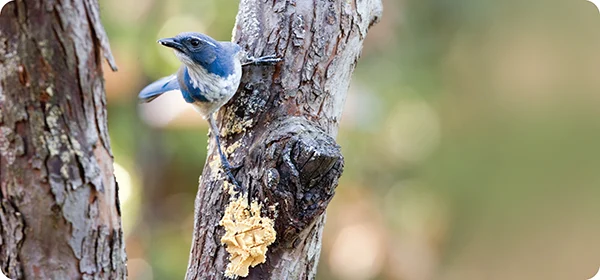
The concept of "feasting," traditionally defined as the consumption of an elaborate meal often accompanied by entertainment to mark a special occasion, finds a unique parallel in the avian world, particularly around the Thanksgiving season. For many, this holiday signifies a gathering of loved ones around a meticulously set table, laden with the finest seasonal fare. Beyond the culinary indulgence, Thanksgiving often encompasses a variety of activities, from games and hikes to watching sports and movies. Increasingly, for a growing segment of the population, observing and interacting with backyard bird feeders has become an integral part of their holiday entertainment. This perspective suggests a novel approach to celebrating: extending the spirit of hospitality and abundance to the local bird population.
Extending the Thanksgiving Spirit to Wildlife
The notion of "feasting with our feathered friends" transcends a simple act of feeding birds. It embodies a conscious decision to integrate wildlife into the celebratory atmosphere of a holiday synonymous with gratitude and sharing. This approach encourages individuals to view their backyard bird feeders not merely as passive recipients of sustenance, but as active participants in the holiday experience. The "table" for these avian guests, much like our own, requires preparation and attention. This involves ensuring feeders are impeccably clean, a constant supply of fresh water is available, and the food offerings are of the highest quality and variety.
The menu for birds, according to experts from Wild Birds Unlimited (WBU), a leading retailer specializing in backyard bird feeding, can be curated to offer a diverse and appealing selection. A foundational offering typically includes high-quality seed blends, suet, and Nyjer® seed, which are known attractants for a wide range of species. To enhance this avian feast, supplementary items such as peanuts, Bark Butter® products, and specialty seed blends like the "Winter SuperBlend®" are recommended. These additions aim to provide a more varied and nutritious diet, akin to the multi-course meals enjoyed by humans during festive occasions. The presence of a diverse array of birds drawn by these offerings can, in turn, provide a dynamic and engaging form of entertainment, often proving to be a highlight of the holiday for many observers.
The Role of Sustainable Practices in Avian Well-being
Beyond the immediate provision of food, the concept of "feasting with our feathered friends" also touches upon broader environmental considerations, particularly concerning the origin of food and its impact on avian habitats. The article highlights the significance of choosing shade-grown, bird-friendly coffee. This seemingly simple beverage choice has profound implications for migratory songbirds. Shade-grown coffee farms preserve the forest canopy, which is crucial for the survival of over 42 species of North American migratory songbirds during their wintering periods in the tropics. By opting for such sustainably sourced products, consumers can contribute to the preservation of vital ecosystems that support these birds, effectively extending the act of "feasting" to encompass a commitment to their long-term well-being. This connection underscores a growing awareness among consumers about the interconnectedness of their choices and the health of the natural world.
Historical Context and the Evolution of Bird Feeding
The practice of intentionally feeding wild birds has a history that spans centuries, evolving from simple acts of kindness to a sophisticated hobby supported by specialized products and scientific understanding. While the exact origins of widespread bird feeding are difficult to pinpoint, its popularity surged in the late 19th and early 20th centuries, coinciding with increasing urbanization and a growing desire among people to connect with nature. Early methods often involved scattering kitchen scraps or seeds, but as knowledge about avian diets and habitats grew, so did the sophistication of bird feeding practices.
The establishment of organizations like Wild Birds Unlimited in the late 1970s marked a significant shift, professionalizing the hobby and making specialized feeders, seeds, and accessories widely accessible. These retailers provided not only products but also crucial educational resources, helping enthusiasts understand the specific needs of different bird species. The "Feasting with Our Feathered Friends" concept, as presented by WBU, represents a contemporary evolution of this practice, framing bird feeding within a cultural context of celebration and gratitude, particularly during a holiday like Thanksgiving.
The timeline of this evolution can be broadly understood as follows:

- Pre-Industrial Era: Sporadic instances of providing food for birds, often driven by tradition or a basic sense of compassion.
- Late 19th – Early 20th Century: Growing popularity of bird feeding as a leisure activity, spurred by increased leisure time and a desire for nature connection in urbanizing environments.
- Mid-20th Century: Development of more specialized feeders and a greater understanding of bird nutrition, though accessibility remained somewhat limited.
- Late 20th Century – Present: Rise of dedicated retailers and franchise systems like Wild Birds Unlimited, making bird feeding a mainstream hobby with a vast array of products and expert advice. This era also sees a greater emphasis on the ecological and conservation aspects of bird feeding.
The current "feasting" narrative fits within this latter period, highlighting the potential for bird feeding to be an enriching, interactive, and even educational component of holiday traditions.
Data and Scientific Insights into Bird Nutrition and Attraction
The efficacy of providing diverse food sources for birds is supported by ornithological research. Different bird species have distinct dietary requirements, and offering a variety of foods can attract a wider array of species and support their health. For instance:
- Seed Blends: These are often formulated with a mix of seeds such as black oil sunflower seeds (a high-fat, high-energy food attractive to many species like cardinals, chickadees, and finches), millet (favored by ground-feeding birds like sparrows and juncos), and cracked corn (appealing to larger birds like blue jays and mourning doves).
- Suet: A high-energy food, particularly important during colder months when natural food sources are scarce. It is a favorite of woodpeckers, nuthatches, chickadees, and wrens. WBU’s Bark Butter® products, often a suet-like mixture, can attract a broad spectrum of birds, including orioles and robins, which might not typically visit traditional feeders.
- Nyjer® Seed (Thistle): Tiny and black, this seed is a particular favorite of small finches, most notably the American Goldfinch, and requires specialized thistle feeders with small ports to prevent waste.
- Peanuts: Offered shelled or unshelled, peanuts are a valuable source of protein and fat, attracting a variety of birds including jays, woodpeckers, titmice, and nuthatches.
The concept of a "menu" for birds, therefore, is grounded in scientific understanding of their nutritional needs and feeding preferences. Providing these varied offerings can lead to increased biodiversity in backyard ecosystems, with studies indicating that well-managed bird feeders can significantly contribute to local bird populations, especially in urban and suburban areas where natural food sources may be limited.
Broader Impact and Implications: Community and Conservation
The idea of "feasting with our feathered friends" extends beyond individual enjoyment and has broader implications for community engagement and conservation efforts. By encouraging people to be more mindful of the wildlife in their surroundings, it fosters a deeper connection with nature. This heightened awareness can, in turn, inspire greater participation in local conservation initiatives.
Wild Birds Unlimited, through its franchise model, actively promotes educational events and resources, aiming to foster a sense of stewardship among its customers. The promotion of bird-friendly products, such as shade-grown coffee, directly links consumer choices to tangible conservation outcomes. This approach empowers individuals to contribute to the preservation of habitats crucial for migratory species.
Furthermore, the WBU Nature Centered Podcast episode, "Feasting with Feathered Friends," is an example of how organizations are leveraging digital platforms to disseminate information and encourage engagement. Such resources provide practical advice on attracting a wider variety of birds, thereby enriching the backyard bird-feeding experience. This educational outreach is vital in building a more informed and engaged public, capable of understanding and supporting conservation efforts.
The implications of this trend are manifold:
- Increased Biodiversity: Well-managed bird feeders can support local bird populations, particularly in areas with declining natural habitats.
- Enhanced Environmental Awareness: Direct interaction with birds can foster a greater appreciation for nature and a stronger commitment to conservation.
- Economic Impact: The bird feeding industry, including retailers, product manufacturers, and related services, represents a significant economic sector.
- Community Building: Bird feeding can become a shared activity, fostering connections among neighbors and within families.
In conclusion, the concept of "feasting with our feathered friends" offers a compelling narrative that blends the joy of holiday traditions with the responsibility of environmental stewardship. By thoughtfully curating offerings for avian visitors and making conscious choices about the products we consume, individuals can not only enrich their own holiday experience but also contribute meaningfully to the well-being of the natural world. This approach underscores the interconnectedness of human activities and the health of ecosystems, transforming a simple act of feeding into a gesture of gratitude and a commitment to conservation.
