
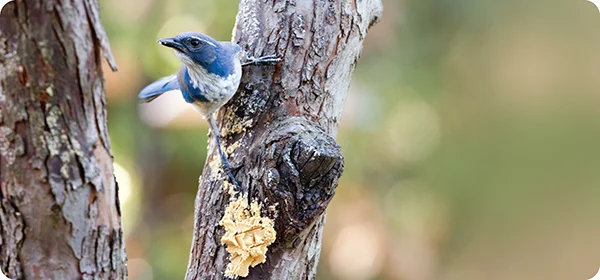
As many households prepare for the celebratory season, a growing trend highlights the desire to extend the spirit of generosity and communal dining beyond human family and friends to the avian inhabitants of our backyards. This concept, termed "Feasting with Our Feathered Friends," reframes traditional holiday gatherings to encompass the act of providing abundant and high-quality sustenance for wild birds, mirroring the elaborate meals enjoyed by humans. This approach not only enriches the natural environment but also offers a unique form of entertainment and connection with nature.
The Essence of a Feathered Feast
The definition of a feast traditionally involves the consumption of an elaborate meal, often accompanied by entertainment, to commemorate a special occasion. This aligns closely with the sentiment of holidays like Thanksgiving, a time when families gather around meticulously set tables laden with seasonal delicacies, sharing food and companionship. While human entertainment might involve games, outdoor activities, or media consumption, the article proposes that observing and supporting backyard bird activity can serve as a significant source of entertainment for many.
Extending this concept to birds means treating them with a similar level of care and consideration during this period of abundance. This involves ensuring their "table" is as impeccable as any human dining setting: clean feeders, a consistent supply of fresh water, and a diverse offering of the finest available food. The goal is to provide a nourishing and appealing spread that attracts a wide variety of bird species, turning backyards into vibrant avian dining halls.
Crafting the Avian Menu: Beyond Basic Sustenance
The foundation of any successful feathered feast begins with high-quality staple offerings. A premium seed blend, rich in essential nutrients, forms the base of the avian menu. This is often supplemented with suet, a high-energy food source particularly beneficial during colder months, and Nyjer® seed, a small, oil-rich seed that is a favorite among finches and other small songbirds.
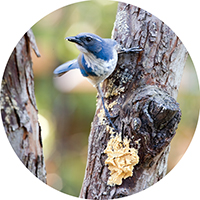
However, to elevate the meal to a true "feast," additional delectable items are recommended. These can include:
- Peanuts: Shelled or unshelled, peanuts are a protein-rich and highly palatable food source for a wide range of birds, from jays and woodpeckers to chickadees and titmice.
- Bark Butter® Products: These specially formulated spreads, often made from peanut butter and cornmeal, are designed to stick to surfaces like tree trunks and feeders, providing a versatile and attractive food source for many species, including insectivorous birds that may not typically visit seed feeders.
- Specialty Seed Blends: Beyond general blends, specific mixes designed for particular seasons or bird preferences can significantly enhance the offering. For instance, a "Winter SuperBlend®" might incorporate ingredients like black oil sunflower seeds, safflower seeds, and white millet, formulated to provide sustained energy throughout the colder months.
The variety and quality of these offerings are crucial. A diverse menu increases the likelihood of attracting a broader spectrum of avian visitors, from common sparrows and finches to more elusive species. This not only enhances the visual spectacle for observers but also ensures that different birds receive the specific nutritional support they require.
The Role of Shade-Grown Coffee in Avian Conservation
An interesting facet of this "feasting" concept is the connection drawn between human holiday indulgences and the well-being of migratory birds. The article suggests pairing a slice of pumpkin or apple pie with a cup of shade-grown, bird-friendly coffee. This recommendation is rooted in a significant conservation principle: the preservation of forest canopies.
Shade-grown coffee farms, unlike their sun-grown counterparts, maintain the natural forest ecosystem. This preserved habitat provides crucial wintering grounds for over 42 species of North American migratory songbirds. By choosing and consuming shade-grown coffee, consumers directly contribute to the survival of these birds during their non-breeding season in the tropics. This linkage transforms a simple beverage choice into an act of conservation, aligning personal enjoyment with ecological responsibility.
The practice of shade-grown coffee cultivation is part of a broader effort to support biodiversity in agricultural landscapes. Studies have shown that shade-grown coffee plantations can host a diversity of bird species comparable to that of natural forests, offering essential food sources, nesting sites, and protection from predators. Conversely, sun-grown coffee farms, which involve clear-cutting forests and monoculture plantations, offer little habitat value and can contribute to habitat loss for migratory birds.

Beyond Food: Simple Actions for Bird Support
The "Feasting with Our Feathered Friends" initiative extends beyond mere food provision. It encourages a holistic approach to supporting bird populations, especially during times when natural food sources may become scarce or when birds are undertaking strenuous migrations. The article points to resources like the Cornell Lab of Ornithology’s "7 Simple Actions" to help birds, suggesting a range of activities that can have a significant positive impact.
These actions can include:
- Providing Clean Water Sources: Beyond feeders, clean bird baths are essential. Birds need water for drinking and bathing, which is crucial for maintaining feather health and regulating body temperature.
- Reducing Pesticide Use: Chemical pesticides can harm birds directly through ingestion or indirectly by eliminating insect food sources. Opting for organic gardening practices or natural pest control methods is vital.
- Creating Habitat: Planting native trees, shrubs, and flowers provides natural food sources (seeds, berries, nectar) and shelter for birds. These plants are also critical for supporting the insect populations that many birds rely on.
- Window Safety: Millions of birds die annually from collisions with windows. Implementing strategies like applying decals, using window films, or installing screens can significantly reduce these fatalities.
- Responsible Pet Ownership: Keeping cats indoors is one of the most impactful ways individuals can protect bird populations, as free-roaming cats are a major predator of birds.
- Supporting Conservation Organizations: Contributing to or volunteering with organizations dedicated to bird conservation amplifies individual efforts and supports larger-scale habitat protection initiatives.
The "Nature Centered" Podcast: Deepening Engagement
To further explore the nuances of attracting and supporting backyard birds, the Wild Birds Unlimited (WBU) Nature Centered Podcast offers an in-depth resource. Episode 79, titled "Feasting with Feathered Friends," features experts John and Brian discussing strategies for maximizing backyard bird diversity and enjoyment. This podcast aims to educate listeners on how to create more engaging and welcoming environments for a wider array of avian visitors.
The podcast likely delves into topics such as:
- Understanding Bird Preferences: Identifying the specific food, water, and shelter needs of various bird species common to different regions.
- Feeder Placement and Design: Optimizing feeder types and locations to attract desired birds while deterring unwanted visitors like squirrels.
- Seasonal Birding Strategies: Adapting feeding and habitat practices to meet the changing needs of birds throughout the year, from nesting season to migration and winter survival.
- The Joys of Birdwatching: Encouraging active observation and appreciation of backyard birdlife as a rewarding hobby that fosters a deeper connection with nature.
By offering such educational platforms, organizations like Wild Birds Unlimited aim to empower individuals to become active participants in local conservation efforts, fostering a greater understanding and appreciation for the natural world.
Wild Birds Unlimited: A Legacy of Connection
Wild Birds Unlimited (WBU) Inc., as the originator and largest franchise system of backyard bird feeding and nature specialty stores, has been at the forefront of bringing people and nature together for decades. With over 350 locations across the United States and Canada, WBU provides not only a comprehensive range of bird feeding products and nature-related items but also invaluable expert advice and educational programming.
The company’s commitment extends to fostering a community of nature enthusiasts who are passionate about supporting local wildlife. Their initiative to promote "Feasting with Our Feathered Friends" is a testament to this commitment, encouraging a mindful and generous approach to sharing the abundance of the season with the avian populations that enrich our lives.
The brand’s dedication to education is evident in its podcast, website resources, and in-store events, all designed to equip individuals with the knowledge and tools to create thriving backyard habitats. The underlying message is clear: by understanding and actively supporting the needs of wild birds, individuals can contribute to broader conservation goals while simultaneously enhancing their own connection to the natural world. This symbiotic relationship between human stewardship and avian well-being forms the core of the "Feasting with Our Feathered Friends" philosophy, transforming a simple act of feeding into a meaningful contribution to ecological health and personal enrichment.
The broader implications of this trend are significant. As more people embrace the idea of extending their celebratory generosity to wildlife, it signals a growing awareness of our interconnectedness with the natural environment. This can lead to more widespread adoption of bird-friendly practices, contributing to the health and resilience of local ecosystems. Furthermore, the act of observing and caring for birds can foster a deeper sense of empathy and responsibility, encouraging individuals to become more engaged environmental stewards in other aspects of their lives. The simple pleasure derived from watching a variety of birds flock to a well-stocked feeder can be a powerful motivator for conservation action, proving that even small, personal gestures can have a far-reaching positive impact.
