
A new comprehensive report from the Congressional Research Service (CRS) has cast a critical spotlight on the ongoing ecological crisis at the Great Salt Lake, providing a detailed background of its challenges and outlining potential policy solutions for congressional consideration. The report, officially titled "The Great Salt Lake: Challenges and Policy Options," arrives at a pivotal moment, amplifying growing national attention on the health of this vital ecosystem and its associated habitats for both human populations and an extraordinary array of migratory birds. This federal analysis coincides with President Biden’s Fiscal Year 2027 Budget request, which notably includes a substantial allocation of $1 billion for a dedicated federal restoration program at the lake, signaling a significant potential escalation in national commitment. Organizations like Audubon, a long-standing champion and leader in conservation efforts at the Great Salt Lake, have swiftly welcomed the report, expressing readiness to collaborate with federal, state, and local partners to forge durable solutions for the lake’s long-term survival. The findings of the CRS report are anticipated to be instrumental in transforming these proposed solutions—and the necessary resources to implement them—into tangible reality.
The Crisis Unfolds: A Shrinking Giant
The Great Salt Lake, a terminal lake and the largest saline lake in the Western Hemisphere, represents an ecological and economic linchpin for Utah and the wider intermountain West. Historically, its vast expanse has provided critical habitat for more than 12 million migratory waterbirds annually, including species uniquely dependent on its hypersaline waters for their life cycles, such as Wilson’s Phalaropes and Eared Grebes. Beyond its immense ecological value, the lake is a formidable economic engine, contributing an estimated $1.9 billion annually to Utah’s economy and sustaining over 7,700 jobs across various sectors, from mineral extraction and brine shrimp harvesting to recreation and tourism. Furthermore, its global significance extends to the aquaculture industry, as it serves as a critical supplier of brine shrimp, a primary food source for farmed fish and shrimp worldwide.
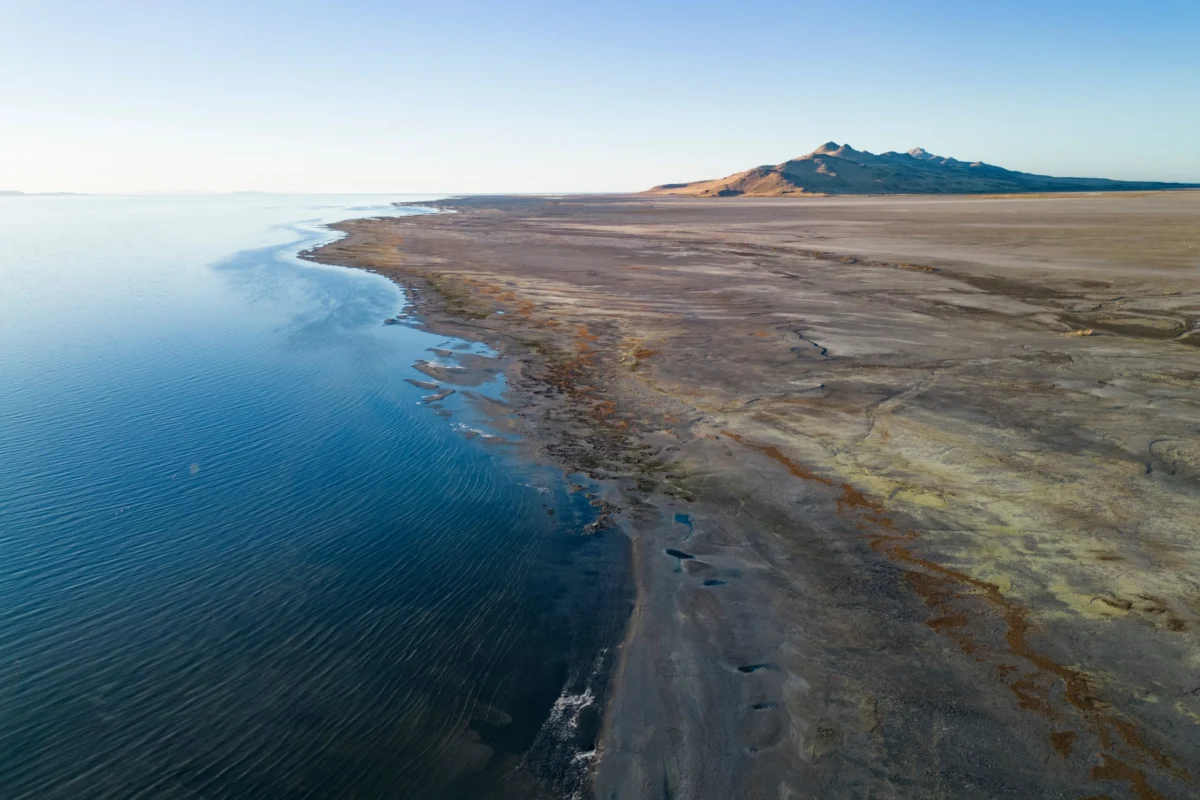
However, this irreplaceable natural wonder has been in severe decline for decades. Chronic water diversions from its tributaries for agriculture, municipal use, and industrial activities, exacerbated by prolonged drought conditions driven by climate change, have progressively diminished the lake’s volume. The crisis reached an alarming crescendo in July 2022, when the Great Salt Lake plunged to its lowest recorded level in history, dropping to an average daily surface elevation of 4,190.1 feet above sea level. This historic low represented a precipitous drop of approximately 19 feet from its historical average, shrinking its surface area by nearly two-thirds and exposing vast tracts of lakebed. The visible recession of the lake’s shoreline served as a stark, undeniable testament to the ecological catastrophe unfolding.
Ecological and Public Health Consequences
The shrinking of the Great Salt Lake carries profound and multi-faceted implications. Ecologically, the dramatic reduction in water levels and the corresponding increase in salinity threaten the delicate balance of the lake’s ecosystem. Brine shrimp and brine flies, the primary food source for millions of migratory birds, are highly sensitive to salinity fluctuations. If the lake becomes too salty, these crucial food sources could collapse, imperiling the entire avian population that relies on the lake as a critical stopover point within the Western Hemisphere Shorebird Reserve Network. Species like the American Avocet, Black-necked Stilt, and Snowy Plover, alongside the aforementioned Phalaropes and Grebes, face existential threats to their migratory success and breeding viability. The loss of wetlands surrounding the lake also reduces critical nesting and foraging grounds.
Beyond the immediate ecological disaster, the exposed lakebed poses a severe public health crisis for the rapidly growing population along the Wasatch Front. The lakebed sediments contain naturally occurring heavy metals like arsenic, along with other industrial pollutants that have accumulated over decades. As these sediments dry out, they become highly susceptible to wind erosion, generating toxic dust storms that can sweep across densely populated areas, including Salt Lake City. Inhaling these fine particulate matters, laden with arsenic and other toxins, poses significant risks for respiratory illnesses, cardiovascular problems, and other chronic health issues, particularly for vulnerable populations such as children and the elderly. The implications for regional air quality and public health underscore the urgent need for comprehensive restoration efforts that go beyond ecological considerations. The economic repercussions are equally dire, with impacts reverberating through the brine shrimp industry, which relies on consistent salinity levels, and the mineral extraction industry, which depends on specific lake chemistry. Tourism and recreation also suffer as the lake becomes less accessible and aesthetically appealing.
Utah’s Proactive Response: A State-Led Foundation
Recognizing the escalating urgency, the state of Utah has taken significant, proactive steps to address the crisis, demonstrating a commitment to preserving the lake for future generations. These state-led initiatives form a crucial foundation upon which broader federal efforts can build. A landmark moment occurred with the unveiling of the Great Salt Lake 2034 Charter, a collaborative commitment from Utah state and federal leaders, business executives, philanthropists, and conservation organizations. This charter outlines a shared vision and ambitious goals for restoring and protecting the lake over the next decade.
The CRS report meticulously details Utah’s substantial planning, funding, and partnership efforts to date. Key legislative and programmatic initiatives include the Great Salt Lake Strategic Plan, which provides a roadmap for management and conservation, and the Great Salt Lake Basin Integrated Plan, designed to optimize water management across the entire watershed. A cornerstone of these efforts is the Great Salt Lake Watershed Enhancement Trust, a groundbreaking public-private partnership established with an initial $40 million allocation from the state of Utah. Audubon, alongside The Nature Conservancy, has played a pivotal leadership role in establishing and guiding the Trust. This innovative mechanism works by acquiring and holding water rights specifically for environmental purposes, allowing water to flow into the lake rather than being diverted. The Trust’s early successes in securing and increasing water flows into the lake exemplify how state-led, collaborative programs are making tangible progress in the face of persistent drought and increased water stress. These initiatives highlight Utah’s determination to lead the charge in protecting its most iconic natural asset.
Federal Engagement: Growing but Disjointed Efforts
While Utah has spearheaded significant efforts, the CRS report critically observes that, unlike other major aquatic ecosystems across the United States, there is no single, dedicated federal program specifically for Great Salt Lake restoration. This contrasts sharply with long-established initiatives like the Great Lakes Restoration Initiative or the Chesapeake Bay Program. Despite this absence of a singular overarching program, multiple federal agencies are indeed involved, albeit through varying programs and activities that indirectly support the lake’s health.
Key federal players include the Bureau of Reclamation (Reclamation), which manages water resources in the West; the U.S. Fish and Wildlife Service (FWS), responsible for protecting migratory birds and endangered species; the U.S. Geological Survey (USGS), a crucial scientific and monitoring agency; the Environmental Protection Agency (EPA), which oversees environmental regulations and water quality; and the U.S. Army Corps of Engineers, involved in water infrastructure and flood control.
Notably, in December 2024, the Bureau of Reclamation announced a significant investment of $50 million specifically for drought mitigation in the Great Salt Lake Basin. This funding is earmarked for ecosystem restoration projects directly impacting the lake, demonstrating a growing federal recognition of the crisis. Additionally, the USGS has been instrumental in advancing scientific understanding through its Saline Lakes Program. Authorized by Congress in 2022, this program is mandated to assess and monitor the hydrology of saline lakes, including the Great Salt Lake, and the migratory birds and other wildlife dependent on these habitats. While not exclusive to the Great Salt Lake, the USGS program has provided essential scientific research and monitoring data, critical for informing management decisions regarding water and salinity levels. These federal efforts, though currently dispersed, underscore a foundational level of engagement that could be significantly amplified through a more coordinated approach.
A Call for Coordinated Federal Action: Lessons from Other Ecosystems
The CRS report implicitly, and President Biden’s budget explicitly, makes a compelling case for a more cohesive and robust federal role, drawing parallels with successful large-scale aquatic ecosystem restoration initiatives across the country. Programs like the Great Lakes Restoration Initiative (GLRI), housed within the EPA, have channeled billions of dollars into a wide array of monitoring, restoration, and voluntary conservation programs across the Great Lakes basin. Similarly, the Chesapeake Bay Program, also under EPA, represents a decades-long partnership involving federal and state governments, academic institutions, and non-profits, dedicated to restoring the health of the nation’s largest estuary. The Comprehensive Everglades Restoration Plan (CERP) in Florida, a unique federal-state partnership, is another example of a massive, multi-decade effort to restore the flow of water and ecological integrity of a vital wetland system.
These models demonstrate that combining significant federal funding and strong leadership with deep state and local insights and support is the most effective pathway to achieving large-scale, durable ecosystem restoration. Such programs provide dedicated funding streams, facilitate interagency coordination, leverage scientific expertise, and foster long-term commitment necessary to tackle complex environmental challenges. The absence of a similar comprehensive framework for the Great Salt Lake has meant that federal contributions, while valuable, have been fragmented and often reactive rather than part of a unified, proactive strategy. The President’s FY2027 budget request of $1 billion for a federal restoration program for the Great Salt Lake represents a potential paradigm shift, aligning the federal government’s commitment with the scale of the crisis and mirroring the comprehensive approaches taken for other national treasures.
Congressional Pathways to Restoration
As Congress deliberates on how best to support Great Salt Lake restoration, the CRS report offers several concrete policy opportunities. These range from directly addressing water flows into the lake and managing air quality and public health concerns stemming from the exposed lakebed, to the ultimate establishment of a dedicated federal restoration initiative with substantial public funding.
One critical area highlighted by the report is the management of water diversions. The Great Salt Lake Watershed Enhancement Trust, in partnership with the state, has already demonstrated success in securing and increasing water flows into the lake through voluntary agreements. The CRS report suggests that Congress could "direct Reclamation to continue or expand its existing efforts to compensate users for temporary or multiyear voluntary reductions in water diversion or consumptive water use." Providing specific appropriations to fund such compensation programs would be a powerful incentive for agricultural and municipal users to conserve water and dedicate more to the lake.
Furthermore, the report emphasizes the indispensable role of robust science and monitoring. The work of the USGS Saline Lakes Program, combined with ongoing scientific efforts by the state of Utah and its partners, is crucial for developing an accurate understanding of water level dynamics, salinity changes, and ecosystem responses. This scientific insight is paramount for guiding effective policy decisions and ensuring that restoration efforts are evidence-based and adaptive. Congress could strengthen these programs by ensuring consistent and adequate funding, thereby enhancing the capacity for data collection, research, and predictive modeling essential for long-term management.
Stakeholder Perspectives and Collaborative Imperatives
Audubon, with its deep historical involvement and expertise in the Great Salt Lake ecosystem, has consistently advocated for a multi-faceted approach. "Solving these water challenges will require collective action, resources, and partnership with the state of Utah and the federal government," stated an Audubon representative, emphasizing the organization’s commitment to ensuring that people, birds, and wildlife can thrive together. The organization’s leadership role within the Great Salt Lake Watershed Enhancement Trust exemplifies its dedication to on-the-ground solutions and collaborative governance.
Utah state officials have consistently underscored the importance of federal partnership to augment their significant state-level investments. Governor Spencer Cox, in various public statements, has highlighted Utah’s proactive measures and has frequently called for robust federal support, recognizing that the scale of the crisis transcends state boundaries and requires a national response. Federal agencies, while acknowledging their existing contributions, are likely to view a more coordinated federal program as an opportunity to maximize the impact of their respective mandates and expertise. The consensus among conservation groups, state officials, and federal agencies points towards the urgent need for a unified strategy that leverages resources and knowledge from all levels of government and civil society.
The Future of the Great Salt Lake: A Critical Juncture
The research and insights provided by the Congressional Research Service report arrive at an exceptionally critical juncture for the Great Salt Lake. It not only chronicles the dire state of the lake but also illuminates an immediate and tangible opportunity to build upon the existing, disparate efforts from federal, state, tribal, local, and private partners across the Great Salt Lake Basin. The path forward demands better coordination, significant investment, and a collective will to implement effective restoration activities that can reverse decades of decline.
The potential for a thriving Great Salt Lake, supporting its unique biodiversity, underpinning regional economic prosperity, and safeguarding public health, hinges on the decisions made today. The combination of Utah’s robust state-led initiatives, growing federal recognition and investment exemplified by the President’s budget request, and the strategic guidance offered by the CRS report, creates an unprecedented opportunity. This convergence of factors presents a clear and urgent imperative for Congress to act decisively, establishing a comprehensive, well-funded, and enduring federal commitment to this irreplaceable natural treasure. The future of the Great Salt Lake, its millions of migratory birds, and the health and prosperity of the surrounding communities depend on immediate and sustained action.
