
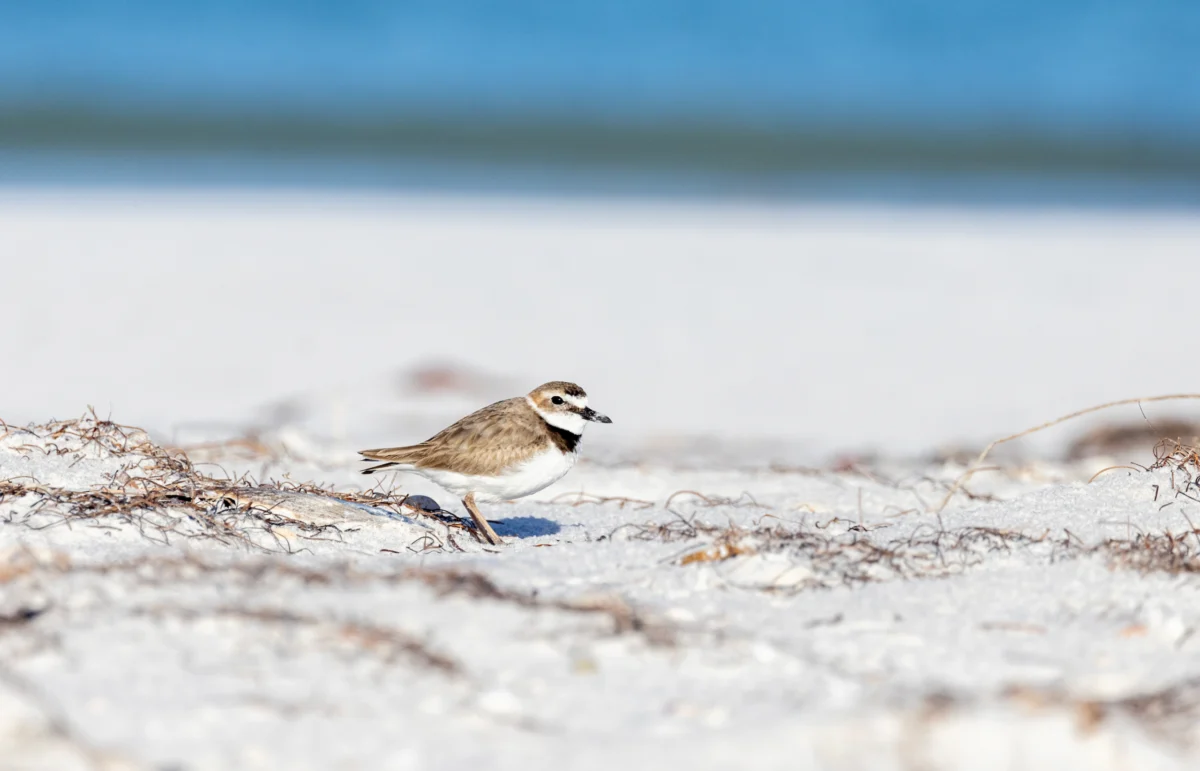
In a remarkable turn of events for Florida’s coastal ecosystems, Wilson’s Plovers experienced an unprecedented nesting season in 2025, yielding record-breaking fledgling numbers across the Gulf Coast. This conservation success story unfolded just as the species secured crucial new protections, with the Florida Fish and Wildlife Conservation Commission (FWC) voting in December 2025 to classify Wilson’s Plovers as a "Candidate Species," a designation that will afford them state-Threatened species protections starting in 2026. This dual victory—ecological resilience coupled with proactive policy—marks a significant milestone in the ongoing efforts to safeguard Florida’s vulnerable beach-nesting birds.
A Habitat Transformed: The Unforeseen Benefits of 2024’s Storms
The genesis of the extraordinary 2025 nesting season can be traced back to the tumultuous hurricane season of 2024. While devastating for human infrastructure, the multiple hurricanes and tropical storms that swept across the Gulf Coast inadvertently created ideal conditions for beach-nesting birds, particularly the Wilson’s Plover. These powerful weather events dramatically reshaped coastal habitats, eroding existing dune lines, inundating vegetated areas, and depositing vast new expanses of bare sand. For species like the Wilson’s Plover, which relies on open, sparsely vegetated sandy beaches and salt flats for nesting, these natural disturbances proved to be a critical ecological reset.
The "rearrangement" of habitats, as described by conservationists, effectively cleared away dense vegetation that can obscure nests from view and provide cover for predators. The newly formed, wide-open sandy flats offered unobstructed sightlines for adult plovers to detect approaching threats, while the reduced vegetation made it easier for their camouflaged eggs and chicks to blend seamlessly into the substrate. Furthermore, these bare sand expanses provided ample foraging opportunities for the plovers, which primarily feed on marine invertebrates found along the wrack line and within the intertidal zone. This natural disturbance, though destructive in the short term, underscored the complex interplay between natural processes and species survival, demonstrating how ecosystems can adapt and even thrive under specific conditions following extreme weather events.
The Sunshine State’s 2025 Nesting Season: A Triumph of Nature and Nurture
Following the intense storm activity of 2024, the subsequent year, 2025, was characterized by a welcome absence of major storms. This period of relative calm allowed the newly formed habitats to stabilize, providing a pristine canvas for beach-nesting birds. Conservation teams across Florida observed encouraging results for a multitude of coastal bird species, but the Wilson’s Plover stood out with particularly impressive gains. This success was not solely attributable to environmental factors; it was also the direct result of the tireless efforts of dedicated shorebird steward staff and an extensive network of volunteers. These individuals form the backbone of Florida’s coastal bird conservation, engaging in critical activities such as monitoring nesting sites, erecting protective fencing, educating beachgoers about sensitive areas, and mitigating human-wildlife conflicts.
The most dramatic success story emerged from the Florida Panhandle, specifically at Tyndall Air Force Base. This restricted access area, which offers significant stretches of undisturbed coastline, became a sanctuary for Wilson’s Plovers in 2025. Here, staff documented an astounding 39 fledglings, a number that shattered previous records for the site and served as a powerful indicator of the species’ potential for recovery when provided with optimal conditions and minimal disturbance. This remarkable productivity at Tyndall underscored the importance of large, protected areas that can act as critical breeding grounds.
Beyond Tyndall, the resurgence of Wilson’s Plover nesting activity was observed across the entire Panhandle region and extended into other parts of the Sunshine State. Reports from Audubon staff and their partners within the Florida Shorebird Alliance detailed newly established pairs in areas where the species had not been recorded nesting in recent memory. This expansion of breeding territory suggests a robust response to the availability of suitable habitat, indicating that the population was not only thriving in established areas but also colonizing new ones.
A prime example of this broader trend was observed at the University of West Florida Research Property on Pensacola Beach. Senior Coordinator of Shorebird Stewardship Brian Cammarano reported a bustling season at this site. "We observed up to five pairs of Wilson’s Plover holding territories and successfully nesting throughout the one-mile stretch of suitable habitat within the University of West Florida Research Property on Pensacola Beach," stated Cammarano. He further elaborated on the meticulous monitoring efforts: "We observed all five pairs with brooding chicks at some point throughout the season and were able to confirm at least two successfully fledged chicks." This detailed observation provides valuable insight into the reproductive success rates at specific sites and the intensity of the monitoring required to track such imperiled species. While two confirmed fledglings per site might seem modest compared to Tyndall’s numbers, the presence of multiple successful pairs across new territories signals a widespread positive trend, offering a glimmer of hope for the long-term viability of the species.
Understanding the Wilson’s Plover: An Imperiled Coastal Dweller
The Wilson’s Plover (scientific name: Charadrius wilsonia) is a small, stout-bodied shorebird, typically measuring about 7-8 inches in length. Its plumage is subtly camouflaged, featuring sandy brown upperparts, white underparts, and a distinctive thick, dark bill. Males often display a black band across their chest and a rufous cap during breeding season, while females have a duller brown band. These birds are master camouflagers, a crucial adaptation for their ground-nesting habits on open beaches.
Their diet consists primarily of marine invertebrates, including crabs, mollusks, and various insects, which they forage for along the water’s edge and in tidal flats. They are particularly known for their preference for ghost crabs, which they expertly extract from their burrows.
Wilson’s Plovers are considered "imperiled" throughout much of their range, which stretches along the Atlantic and Gulf Coasts of North America, as well as parts of the Caribbean and South America. The primary threats to their survival are multifaceted:
- Habitat Loss and Degradation: Coastal development, beach renourishment projects, and erosion continually reduce the availability of suitable nesting and foraging grounds.
- Human Disturbance: Unleashed dogs, recreational vehicles, beachgoers approaching nests, and litter can all disrupt breeding activity, lead to nest abandonment, or directly harm eggs and chicks. Their nests, often mere scrapes in the sand, are incredibly vulnerable to being stepped on or run over.
- Predation: Ground predators such as raccoons, foxes, coyotes, and various bird species (gulls, crows) pose a significant threat to eggs and chicks, especially in areas with increased human-subsidized predator populations.
- Climate Change: Rising sea levels exacerbate coastal erosion, while more frequent and intense storms (like those in 2024) can wash out nests and alter critical habitats. However, as seen in 2024-2025, the aftermath of certain storm patterns can sometimes create beneficial conditions, highlighting the complex and sometimes contradictory impacts of climate change.
The imperiled status of Wilson’s Plovers underscores the delicate balance required for their survival and the critical need for targeted conservation interventions.
New Protections: A Landmark Decision for Wilson’s Plovers
The ecological successes of the 2025 nesting season were further bolstered by a pivotal regulatory decision made in December 2025. The Florida Fish and Wildlife Conservation Commission (FWC) voted favorably on a petition submitted by Audubon Florida, agreeing that Wilson’s Plovers warrant imperiled species protections within the state. This decision marked a significant victory for conservation advocates who have long championed greater safeguards for the species.
Effective in 2026, the Wilson’s Plover will officially be considered a "Candidate Species" in Florida. This classification is a critical interim step. While the FWC develops a comprehensive management plan tailored specifically for the Wilson’s Plover, the species and its vital habitats will immediately enjoy the protections afforded to state-Threatened species. This means that activities that could harm individual birds, their nests, or their critical nesting and foraging habitats will be subject to stricter regulations and enforcement. For the first time, this species will have a formal legal framework in Florida designed to ensure its long-term survival, moving beyond voluntary conservation efforts to legally mandated protections.
The FWC’s decision reflects a growing recognition of the vulnerability of Florida’s coastal biodiversity and the necessity of proactive conservation measures. It also highlights the effectiveness of collaborative efforts between non-governmental organizations like Audubon and state agencies. The development of a management plan will involve scientific research, habitat assessment, and stakeholder engagement to identify and implement the most effective strategies for Wilson’s Plover recovery, which will likely include further habitat restoration, increased enforcement against disturbance, and public education campaigns.
Broader Implications and the Path Forward
The record-setting 2025 nesting season for Wilson’s Plovers, coupled with their newly secured "Candidate Species" status, represents a powerful narrative of resilience and the positive impact of concerted conservation efforts. This success story offers valuable insights into several broader implications:
- The Power of Natural Disturbances: The 2024 storm season demonstrated that while often destructive, natural processes like hurricanes can, under certain circumstances, create dynamic habitats essential for the survival of specialized species. Understanding and, where appropriate, allowing for these natural cycles is crucial for ecosystem health.
- The Indispensable Role of Stewardship: The success in 2025 would not have been possible without the "dedication of our incredible shorebird steward staff and volunteers." These individuals are on the front lines, protecting nests, educating the public, and gathering vital data. Their consistent presence and commitment are critical for the survival of species nesting in high-traffic recreational areas.
- Effective Advocacy and Policy Change: Audubon’s successful petition to the FWC underscores the importance of scientific advocacy in translating ecological needs into protective policy. The "Candidate Species" designation provides a legal foundation for conservation that was previously lacking, offering a more robust framework for enforcement and resource allocation.
- Challenges Remain: Despite these positive developments, significant threats persist. Florida’s rapidly growing population continues to exert immense pressure on coastal areas, leading to increased human disturbance and habitat fragmentation. Climate change, with its specter of rising sea levels and more intense storms, remains a long-term challenge that requires ongoing adaptation strategies. The 2024 storms created some beneficial habitat, but future storms could be overwhelmingly destructive.
- A Model for Other Species: The strategies employed for Wilson’s Plovers—habitat protection, targeted monitoring, public education, and policy advocacy—can serve as a valuable model for the conservation of other imperiled beach-nesting species in Florida, such as Least Terns, Snowy Plovers, and Black Skimmers, all of whom face similar threats.
- Economic and Ecological Value: Healthy coastal bird populations are indicators of vibrant coastal ecosystems, which in turn support Florida’s tourism industry, offer natural storm protection, and contribute to the overall biodiversity that makes the state unique. Investing in their conservation is an investment in the state’s natural heritage and economic future.
As Florida moves into 2026 with the Wilson’s Plover under enhanced protection, the focus will shift towards the implementation of the comprehensive management plan. This will involve continued monitoring to track population trends, habitat restoration efforts, and public awareness campaigns to minimize human disturbance. The hope, as expressed by Brian Cammarano, is that the 2025 nesting success is "an early indicator of an upward trend in Wilson’s Plover productivity as we continue to closely monitor this imperiled beach-nesting species." This recent chapter in Florida’s conservation story offers a compelling testament to the power of combining ecological understanding with dedicated human effort and sound policy to protect the state’s precious wildlife.
