
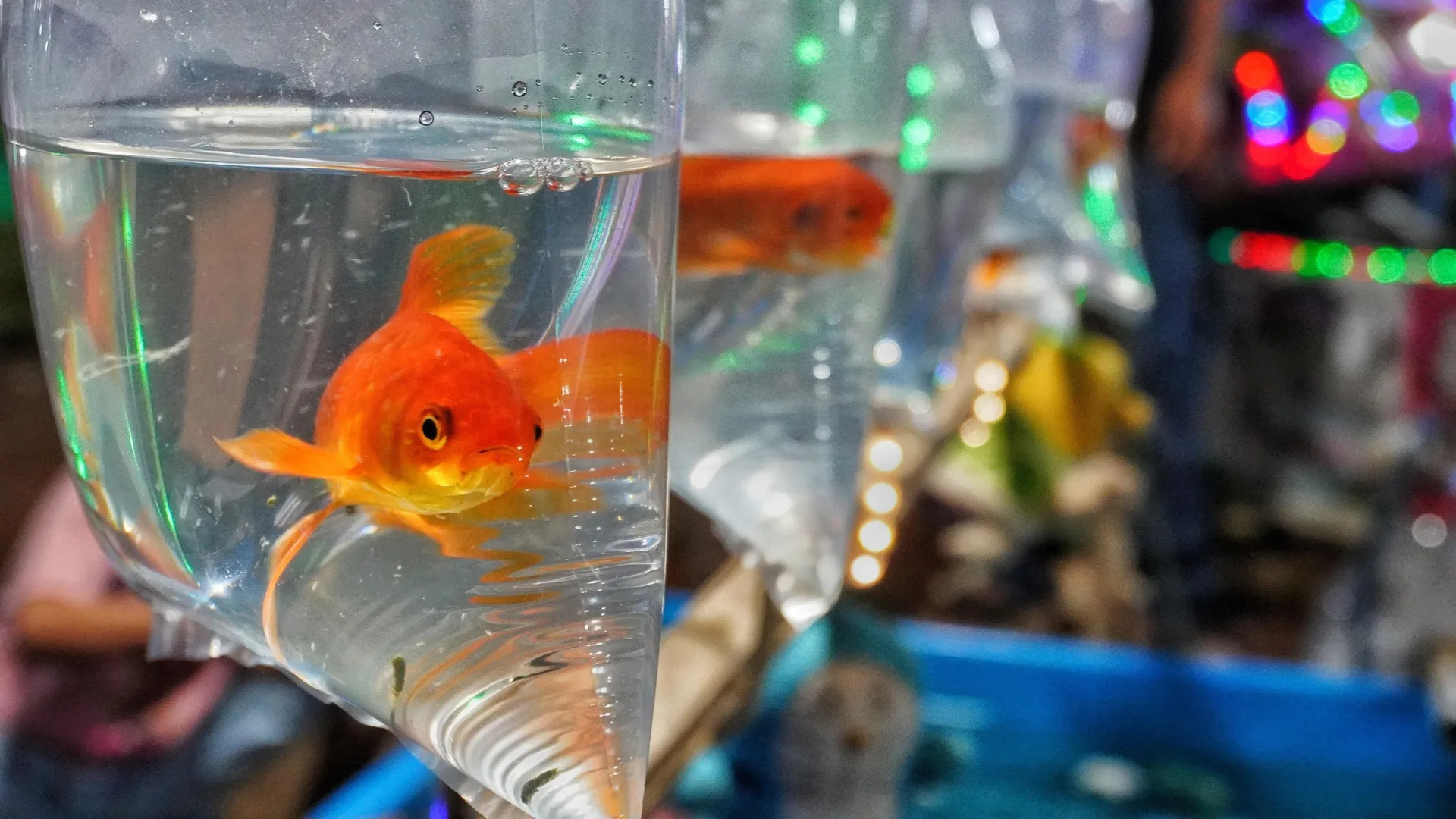
The study unequivocally establishes that the act of releasing a goldfish into a pond, river, or lake, often perceived as a benign gesture of kindness towards an unwanted pet, carries severe and far-reaching ecological consequences. Dr. William Hintz, the lead investigator and an associate professor in The University of Toledo’s Department of Environmental Sciences and Lake Erie Center, underscored the urgency of these findings. "It is critically important to inform the public that their pets can become pests that will harm freshwater ecosystems. The evidence is now clear – releasing a goldfish into the wild might be seen as an act of kindness, but it can turn into a major ecological threat," Dr. Hintz stated, emphasizing the paradigm shift required in public perception regarding these common ornamental fish.
A Deeper Dive into Ecological Disruption: Goldfish Trigger Regime Shifts
The research, titled "Invasive goldfish trigger a regime shift in experimental lake ecosystems of varying trophic state," meticulously utilized large outdoor freshwater mesocosms. These controlled environments were specifically engineered to replicate realistic lake conditions, allowing researchers to introduce goldfish (Carassius auratus) into experimental ecosystems and rigorously monitor their effects over time across different lake types. This experimental approach provides a level of causality that observational studies often cannot achieve, cementing the direct link between goldfish presence and ecological degradation.
The team specifically investigated two prevalent freshwater conditions: nutrient-poor (oligotrophic) waters, characterized by low algal growth and high water clarity, and nutrient-rich (eutrophic) waters, which typically exhibit higher productivity and often suffer from algal blooms. In both these distinct environmental settings, the introduction of goldfish precipitated substantial ecological disruption. The study identified several key impacts that contribute to this disruption, often leading to what scientists term a "regime shift."
Among the most significant findings, which were elaborated upon in the full study, goldfish were found to dramatically increase water turbidity by stirring up bottom sediments as they forage. This action releases nutrients, particularly phosphorus and nitrogen, back into the water column. The elevated nutrient levels then fuel excessive algal growth, leading to widespread algal blooms. These blooms reduce light penetration, harming submerged aquatic vegetation crucial for native fish habitat and food sources. Furthermore, as the algae decompose, they deplete dissolved oxygen levels, creating hypoxic or anoxic conditions that are lethal to many native aquatic species.
Beyond these physical and chemical changes, goldfish directly impact the food web. They consume a wide array of prey, including zooplankton, aquatic insects, and the eggs and larvae of native fish and amphibians. This predation can significantly reduce biodiversity and disrupt the delicate balance of the ecosystem. Their omnivorous diet also includes aquatic plants, further contributing to the loss of critical habitat and food sources for native species. The competitive pressure exerted by large, rapidly growing goldfish on native fish for food and space is another critical factor in their invasive success.
Unpacking the "Regime Shift"
The study’s documentation of a "regime shift" is particularly alarming. A regime shift refers to the point at which an ecosystem crosses a critical threshold and rapidly reorganizes into a fundamentally different, and often degraded, condition. These shifts are characterized by abrupt, large-scale changes in ecosystem structure and function, which are notoriously difficult and expensive to reverse. Once an ecosystem undergoes such a shift, restoring it to its original, healthy state can require decades of intensive management and significant financial investment, with no guarantee of success. For example, a clear-water lake dominated by submerged vegetation and diverse fish populations might shift to a turbid, algal-dominated state with a diminished fish community, a change that profoundly impacts both ecological health and human recreational use.
The Unassuming Threat: Why Goldfish Pose a Problem
The capacity of goldfish to cause such widespread damage stems from a combination of biological traits that make them highly successful invaders. Carassius auratus is among the most widely distributed ornamental fish globally, a testament to its hardiness and adaptability. The burgeoning global pet trade continues to facilitate the movement of aquatic species across continents at unprecedented rates, increasing the risk of new invasions.
When goldfish are released into ponds, rivers, or lakes – either intentionally by pet owners, accidentally during flooding events, or through the improper disposal of baitfish – they often establish invasive populations with alarming speed. Their ability to tolerate a wide range of environmental conditions, including varying temperatures, low oxygen levels, and poor water quality, makes them incredibly resilient.
Rick Relyea, a professor in the University of Missouri College of Agriculture, Food and Natural Resources, director of Mizzou’s Johnny Morris Institute of Fisheries, Wetlands and Aquatic Systems, and co-author of the study, elaborated on their disruptive behavior. "If goldfish are released into the wild, they rapidly grow into very large fish that stir up lake sediments, consume large numbers of prey and compete with native fish," he explained. Instances of "super-sized" goldfish, some exceeding 18 inches in length and weighing several pounds, have been documented in waterways across North America and Australia, far outstripping their typical aquarium size and underscoring their growth potential in natural environments. This rapid growth also means they quickly outgrow many potential predators in their new habitats.
Goldfish Biology: Built for Invasion
Several biological characteristics contribute to the goldfish’s invasive prowess:
- Hardiness and Adaptability: Goldfish are highly tolerant of fluctuating water temperatures, low oxygen concentrations, and high turbidity, allowing them to thrive in degraded environments where native species might struggle.
- Rapid Growth and Large Size: Freed from the confines of an aquarium, goldfish can grow to impressive sizes, making them less susceptible to predation and increasing their impact on sediment disturbance and foraging.
- High Fecundity: Goldfish are prolific breeders, capable of laying thousands of eggs per spawning event, often multiple times a year. This high reproductive output enables them to establish and expand populations rapidly.
- Omnivorous Diet: Their diverse diet allows them to exploit various food sources, including plants, invertebrates, detritus, and the eggs and larvae of other fish, giving them a competitive edge over specialist native species.
- Sediment Bioturbation: Their bottom-feeding behavior, known as bioturbation, constantly stirs up sediments. This action directly increases water turbidity, reduces light penetration for aquatic plants, and releases stored nutrients (phosphorus, nitrogen) from the sediment into the water column, fueling algal blooms and exacerbating eutrophication.
- Disease Transmission: Invasive goldfish can also act as vectors for diseases and parasites, potentially introducing pathogens to native fish populations that have no natural immunity, further weakening ecosystem health.
Methodology: The Strength of Experimental Evidence
The study’s rigor lies in its experimental design. By employing both additive and substitutive experimental designs, researchers were able to meticulously differentiate the specific ecological impacts directly attributable to goldfish from the general effects associated with having a greater overall abundance of fish. This nuanced approach allowed them to conclude that while some changes in aquatic vegetation were indeed linked to total fish abundance, the most severe and detrimental ecological damage was unequivocally and directly connected to the mere presence of goldfish. This distinction is crucial, as it isolates the unique disruptive capacity of Carassius auratus. The use of outdoor freshwater mesocosms, which replicate natural lake conditions more closely than indoor lab experiments, further enhanced the ecological relevance and strength of their findings, making the implications for real-world freshwater ecosystems undeniable.
A Global Phenomenon: The History and Spread of Goldfish
The journey of the goldfish from an ornamental pond fish in ancient China to a global invasive species is a testament to human intervention and the unintended consequences of the pet trade. Originating from selective breeding of Prussian carp (Carassius gibelio) in China over a thousand years ago, goldfish were initially prized for their aesthetic beauty. They were introduced to Japan in the 16th century, Europe in the 17th century, and North America in the 19th century, quickly becoming one of the most popular aquarium and pond fish worldwide.
Historical Context: From Ornamental Pet to Ecological Pest
For decades, anecdotal observations and localized studies have hinted at the problematic nature of feral goldfish populations. Reports from various parts of the world, including large-scale eradication efforts in places like Western Australia and numerous incidents across North America, have highlighted their ability to establish self-sustaining populations and cause localized damage. However, these observations, while concerning, often lacked the controlled experimental rigor to definitively prove causation on a broader ecological scale. This new study fills that critical gap, providing the scientific foundation to elevate goldfish to a high-priority invasive species status.
Beyond the Tank: Pathways of Introduction
The primary pathway for goldfish introduction into natural waterways remains human activity.
- Intentional Release: The most common and often misguided method, where pet owners, no longer wishing to care for their fish, release them into nearby ponds or lakes, believing it to be a humane act.
- Accidental Escape: Goldfish kept in outdoor ponds can escape during periods of heavy rainfall and flooding, making their way into adjacent streams, rivers, and interconnected water bodies.
- Bait Release: While less common for ornamental goldfish, some varieties might be used as live bait, and the intentional or accidental release of unused bait can lead to introductions.
- Religious or Cultural Releases: In some cultures, releasing fish is a practice with spiritual significance, which can inadvertently contribute to invasive species problems.
The Broader Ecological and Economic Toll
The ecological and economic ramifications of invasive species, including goldfish, are staggering. Globally, invasive species are recognized as a leading cause of biodiversity loss, second only to habitat destruction. The financial costs associated with managing and mitigating invasive species impacts run into billions of dollars annually worldwide, affecting agriculture, fisheries, water infrastructure, and public health.
Ripple Effects: Impact on Native Ecosystems and Human Interests
- Biodiversity Loss: By outcompeting native fish for food and habitat, preying on native eggs and larvae, and degrading water quality, invasive goldfish contribute directly to the decline and even extirpation of indigenous aquatic species, including sensitive fish, amphibian, and invertebrate populations.
- Water Quality Degradation: The persistent stirring of sediments and nutrient release by goldfish can accelerate eutrophication, leading to persistent algal blooms, reduced water clarity, and oxygen depletion. This degrades drinking water sources and increases treatment costs.
- Recreational Impact: Turbid waters and diminished native fish populations reduce the aesthetic appeal and recreational value of lakes and rivers for activities such as fishing, swimming, and boating.
- Economic Costs: While specific economic costs directly attributable to invasive goldfish are difficult to isolate from the broader invasive species issue, the cumulative impact includes costs for water quality treatment, fisheries management, and potential restoration efforts. Eradication of established populations is often complex, expensive, and not always successful.
A Call to Action: Prevention and Public Awareness
Given the severe and multifaceted impacts documented by this study, the researchers strongly advocate for treating goldfish as a high-priority invasive species. They recommend that natural resource agencies shift focus towards robust prevention strategies, coupled with efficient early detection and rapid response control efforts. These measures are crucial to prevent the establishment of self-sustaining wild populations, which are far more challenging and costly to manage once entrenched.
The authors also emphasized the urgent need for enhanced public education initiatives. It is imperative that pet owners fully grasp the profound environmental consequences of releasing aquarium animals into natural waterways. "Don’t Let It Loose" campaigns, similar to those targeting other aquatic invasive species, must be widely promoted to foster responsible pet ownership.
Voices from the Field: Expert Perspectives and Agency Responses
The scientific community’s findings are resonating with conservationists and wildlife managers. Environmental advocacy groups have long warned about the general threats posed by the pet trade to native ecosystems, and this study provides concrete experimental data to bolster their calls for action. State and federal wildlife agencies, already grappling with numerous aquatic invasive species, are likely to view these findings as further impetus to update their invasive species management plans, potentially adding Carassius auratus to official lists of prohibited or regulated species in certain jurisdictions.
"This study serves as a stark reminder that even the most common and seemingly harmless pets can harbor significant ecological threats when misplaced," remarked a spokesperson for a national conservation organization, reacting to the study’s implications. "It underscores the critical need for a collaborative approach involving scientists, policymakers, and the public to protect our precious freshwater resources." The pet industry, while advocating for responsible pet ownership, faces the challenge of educating consumers about the potential risks associated with species that can become invasive. Many responsible pet retailers already advise against releasing animals into the wild and offer solutions for unwanted pets.
Responsible Pet Ownership: Alternatives to Release
For individuals who find themselves unable or unwilling to continue caring for their goldfish, the study authors and conservation agencies strongly encourage exploring responsible alternatives to release. These options include:
- Returning the fish to a pet store: Many pet stores have policies for accepting unwanted pets, especially if they are healthy.
- Finding another aquarium owner: Online forums, local fish clubs, and community groups can facilitate the adoption of unwanted fish by experienced hobbyists.
- Contacting local wildlife authorities or humane societies: These organizations can offer guidance on appropriate and humane disposal methods, often involving euthanasia, if no other suitable options are available. This is preferable to releasing the fish into an ecosystem where it will cause harm.
Conclusion: A Shared Responsibility for Freshwater Health
The research from The University of Toledo and the University of Missouri provides irrefutable experimental evidence of the destructive potential of invasive goldfish on freshwater ecosystems. It highlights a critical ecological challenge stemming from human actions, often well-intentioned but ill-informed. The findings necessitate a reevaluation of public attitudes towards pet ownership and a reinforcement of responsible practices. Protecting the health and biodiversity of our freshwater systems requires a collective effort – from individual pet owners making informed decisions, to natural resource managers implementing proactive prevention and control strategies, and policymakers enacting supportive legislation. The future of our lakes and rivers depends on recognizing that a pet goldfish belongs in an aquarium, not in the wild.
About the Study (Expanded Context)
The study, "Invasive goldfish trigger a regime shift in experimental lake ecosystems of varying trophic state," was co-authored by Dr. William Hintz of The University of Toledo, Hannah Barrett, and Dr. Rick Relyea of the University of Missouri. The research was conducted using outdoor freshwater mesocosms, which are controlled experimental units designed to simulate natural lake conditions on a smaller scale, allowing for precise manipulation and observation. The experimental setup involved both additive and substitutive approaches. Additive designs increase the number of goldfish while keeping other fish species constant, while substitutive designs replace native fish with goldfish to maintain total fish biomass, thereby isolating the effects specific to Carassius auratus. The study rigorously evaluated the effects of goldfish across both oligotrophic (nutrient-poor) and eutrophic (nutrient-rich) trophic states, examining impacts on a comprehensive suite of ecological indicators including water quality parameters (e.g., turbidity, nutrient concentrations), phytoplankton communities, invertebrate communities (e.g., zooplankton, benthic invertebrates), the growth and prevalence of filamentous algae, and the condition and survival of native fish species. This thorough and multifaceted assessment allowed the researchers to build a compelling case for the significant and detrimental role of invasive goldfish in freshwater ecosystem degradation.
