
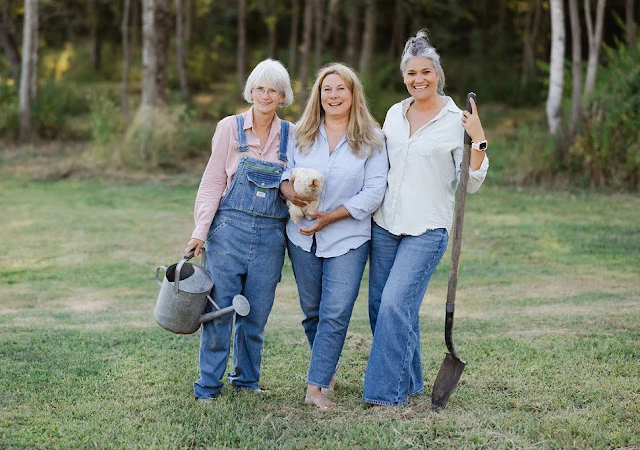
The landscape of backyard agriculture and sustainable living is set to receive a significant update this spring as Lisa Steele, a prominent figure in the poultry-keeping community, prepares to release the 10th Anniversary edition of her seminal work, Gardening with Chickens. Scheduled for publication on March 17, the revised volume represents a comprehensive overhaul of the 2015 original, incorporating a decade of additional expertise gained from a drastic geographical and climatic transition. The upcoming release, published in collaboration with Homestead Living, arrives at a time when interest in self-sufficiency and regenerative gardening has reached a modern zenith.

A Decade of Agricultural Transition and Learning
The genesis of the original Gardening with Chickens occurred during a pivotal moment in Steele’s life—her 2015 relocation from Virginia to Maine. This move was more than a change of scenery; it represented a fundamental shift in agricultural reality. In Virginia, Steele operated within USDA Plant Hardiness Zone 8b, characterized by mild winters and a long, forgiving growing season. Upon moving to Maine, she was thrust into Zone 5a, where winter temperatures frequently plummet below zero degrees Fahrenheit and the growing season is significantly truncated.
The 10th Anniversary edition serves as a testament to the adaptation required when moving between such disparate environments. Steele notes that the past ten years necessitated a complete re-evaluation of her gardening and animal husbandry techniques. The transition from a temperate climate to one defined by deep freezes and heavy snowfall provided the catalyst for much of the new material included in the updated book. This includes specialized strategies for maintaining flock health during harsh winters and optimizing short-season harvests in Northern climates.

Academic Rigor and the Master Gardener Influence
A cornerstone of the revised edition is the integration of formal horticultural education. Shortly after her arrival in Maine, Steele enrolled in the Master Gardener Volunteer program offered by the University of Maine Cooperative Extension Service. This program, which is part of a national network of university-based horticultural training, requires rigorous coursework in soil science, plant pathology, entomology, and sustainable gardening practices.
The influence of this formal training is evident in the updated content of the book. The new edition moves beyond basic advice, offering more technical insights into soil health and the symbiotic relationship between livestock and vegetation. Steele emphasizes the importance of understanding the "expert gardener" perspective, a move that elevates the book from a simple hobbyist guide to a more robust agricultural resource. The inclusion of data-driven gardening methods, such as soil pH management and integrated pest management (IPM) using poultry, reflects this heightened level of expertise.

Expanding the Flock: Beyond Chickens
While the title remains focused on chickens, the 10th Anniversary edition reflects the author’s expanded experience with other waterfowl. Over the last decade, Steele has integrated ducks and geese into her homesteading operations. The new volume includes specific guidance on how these different species interact with a garden environment.
Geese, often referred to as "living lawnmowers," offer unique benefits and challenges compared to chickens. The book explores their role in weed control and their specific dietary and habitat requirements. Similarly, the inclusion of ducks provides readers with information on slug and snail control, as ducks are famously more effective at pest management in damp garden conditions than their gallinaceous counterparts. This holistic approach to the "poultry-integrated garden" provides a more complete picture of modern backyard farming.

Structural Overhaul and Visual Enhancements
The decision to re-issue the book was partially driven by market logistics. The original 2015 edition was nearing the end of its print run, prompting Steele and her publishing partners at Homestead Living to consider a refresh rather than a simple reprint. The collaborative process involved a meticulous review of the original text, with Steele reportedly examining the work "with a fine-toothed comb" to determine which sections remained relevant and which required modernization.
Beyond the text, the book has undergone a complete visual transformation. In a concentrated three-day production period, Steele and a team of photographers and assistants conducted a comprehensive photoshoot to replace the original imagery. The new photographs are designed to highlight not only the practical aspects of gardening and poultry care but also the aesthetic appeal of a well-maintained homestead. The visual narrative now includes established raised beds, complex fenced garden structures, and mature landscaping within chicken runs—infrastructure that has been developed and tested over the author’s ten years in the Northeast.

The Synergy of Poultry and Horticulture
The core philosophy of Gardening with Chickens remains the mutually beneficial relationship between birds and plants. Journalistic analysis of the "chicken-gardening" trend suggests that the integration of livestock into vegetable production is a key component of the regenerative agriculture movement.
Supporting data indicates that poultry manure is one of the most nitrogen-rich organic fertilizers available to home gardeners. However, it requires careful management to avoid "burning" plants or introducing pathogens. The updated book provides detailed protocols for composting manure and timing its application to the garden. Furthermore, the use of chickens for "tilling" and clearing spent crops is a labor-saving technique that reduces the need for fossil-fuel-powered machinery.

Chronology of Development
The timeline of the 10th Anniversary edition highlights the evolution of the project:
- 2012–2014: Steele establishes herself as a leading voice in poultry care through her "Fresh Eggs Daily" platform.
- 2015: The first edition of Gardening with Chickens is published as Steele moves from Virginia to Maine.
- 2016–2018: Steele completes the Master Gardener program and begins implementing cold-climate techniques.
- 2019–2023: Expansion of the homestead to include geese and ducks; development of a mature kitchen herb garden and fenced-in vegetable plots.
- Late 2023: Negotiations begin with Homestead Living to re-issue the book as it nears out-of-print status.
- 2024: A comprehensive rewrite and a three-day intensive photoshoot take place.
- March 17, 2025: Official release of the 10th Anniversary edition.
Market Context and Broader Implications
The release of this book comes at a significant time for the backyard poultry industry. According to data from the American Pet Products Association (APPA) and various agricultural census reports, the number of households keeping chickens has seen a steady increase over the last decade, with a notable surge during the 2020-2022 period. This growth has been fueled by rising egg prices, concerns over food security, and a general shift toward outdoor-oriented hobbies.

However, many new poultry keepers struggle with the logistical challenge of maintaining a garden alongside birds that are naturally inclined to scratch and forage. The "gardening with chickens" methodology addresses a common pain point for suburban and rural homeowners: how to enjoy the benefits of fresh eggs without sacrificing the aesthetic and productive value of their landscapes.
Steele’s transition to Maine also mirrors a broader trend of "climate migration" among small-scale farmers and homesteaders who are moving toward northern latitudes in search of more stable water sources and cooler growing conditions. Her insights into Zone 5a gardening are particularly relevant for this demographic.

Conclusion and Future Outlook
The 10th Anniversary edition of Gardening with Chickens is positioned to be more than a simple manual; it is a reflection of a decade of agricultural trial and error. By combining the "old-timer" methods Steele is known for with modern Master Gardener principles, the book offers a bridge between traditional homesteading and contemporary horticultural science.
As the March 17 release date approaches, the book is available for pre-order through major retailers including Amazon and directly via Homestead Living. For the author, the project represents a full-circle moment—a chance to provide the guidance she wished she had when first facing the sub-zero winters of the North. For the reader, it offers a refined toolkit for creating a sustainable, productive, and harmonious backyard ecosystem. The success of this edition will likely serve as a benchmark for how long-standing instructional titles can be successfully revitalized for a new generation of environmentally conscious readers.
