
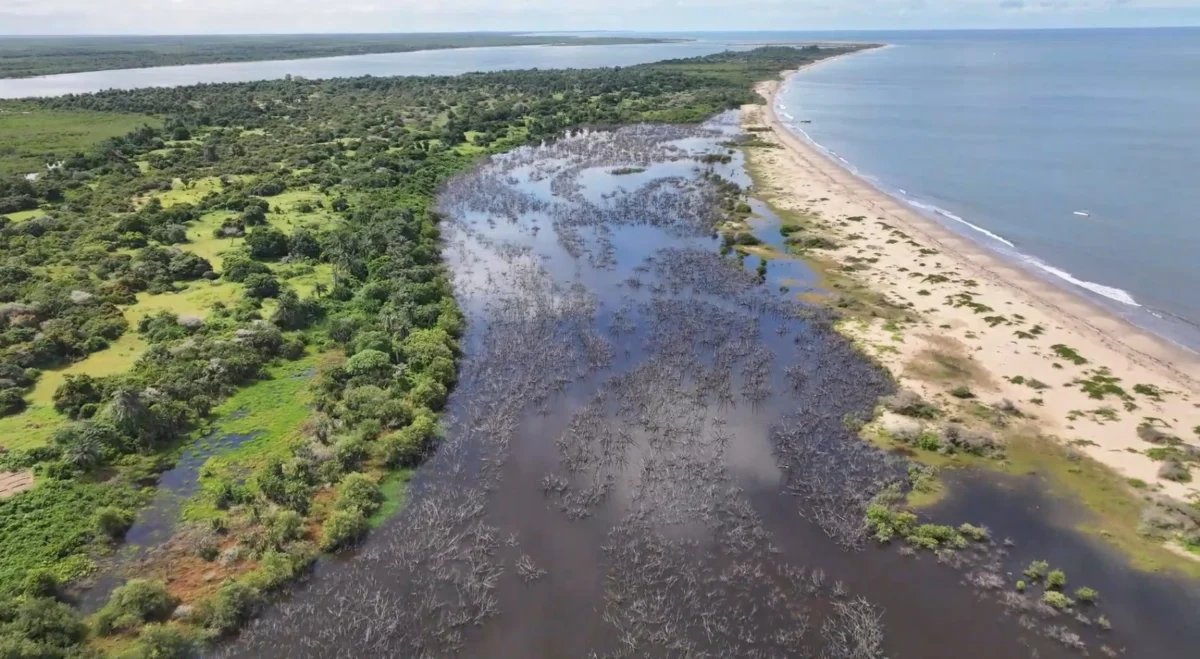
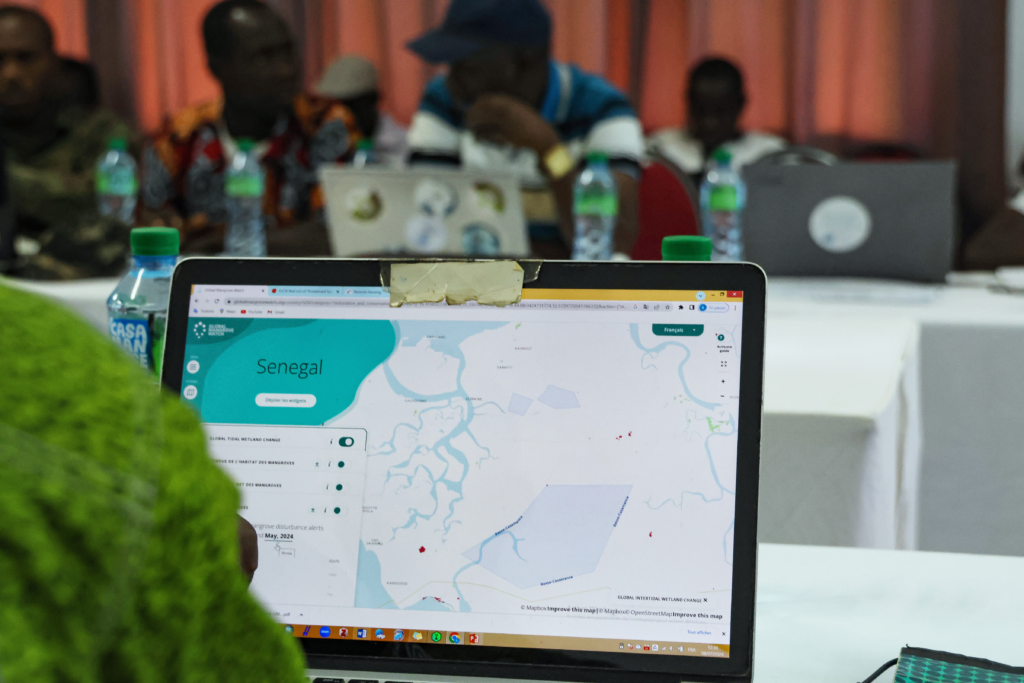
In the tranquil village of Séléki, nestled deep within Senegal’s verdant Casamance region, a silent crisis was unfolding. Mangroves, the region’s natural guardians, were inexplicably vanishing. The threat was not the usual culprit of illegal logging, but a more insidious, less visible menace. It was through the innovative alert functionality of Global Mangrove Watch (GMW), a groundbreaking platform that leverages satellite imagery to monitor mangrove health, that this ecological distress signal was detected. Local conservationists Boubacar Sagna and Khadim Diop, part of a dedicated team on the ground, received notification of a significant mangrove loss – an area spanning two hectares. Their swift response, in collaboration with Capitaine Agustin Sadio, an officer of the Marine Protected Area (MPA) of UKB (Ufoyaal Kassa-Bandial), led them directly to the source of the degradation: a series of man-made dikes.
The Critical Role of Casamance Mangroves
The mangroves of the Casamance are far more than just coastal vegetation; they are indispensable ecological pillars. These intricate forest systems serve as a critical natural buffer against the escalating threats of coastal erosion, flooding, and the relentless rise of sea levels, phenomena increasingly exacerbated by climate change. Their ecological significance is matched by their profound socio-economic importance. For numerous local communities, these mangroves are the bedrock of their livelihoods, providing essential resources such as fish, oysters, and honey, forming a sustainable economic nexus that supports generations. The intricate root systems stabilize coastlines, while the dense canopy offers sanctuary to a rich biodiversity, contributing to the overall health and resilience of the coastal environment.
However, these invaluable ecosystems are perpetually under siege. They face multifaceted pressures, stemming from both human activities and the dynamic forces of nature. The need for effective conservation and restoration strategies is therefore paramount. Yet, the sheer scale of the Casamance region’s Marine Protected Areas presents a formidable challenge. With vast expanses of coastline to monitor, a small contingent of rangers often finds it an insurmountable task to conduct comprehensive patrols and identify degradation hotspots in a timely manner. This is where advanced technological solutions, such as Global Mangrove Watch, become not just beneficial, but essential.
Global Mangrove Watch: A Digital Sentinel for Coastal Defense
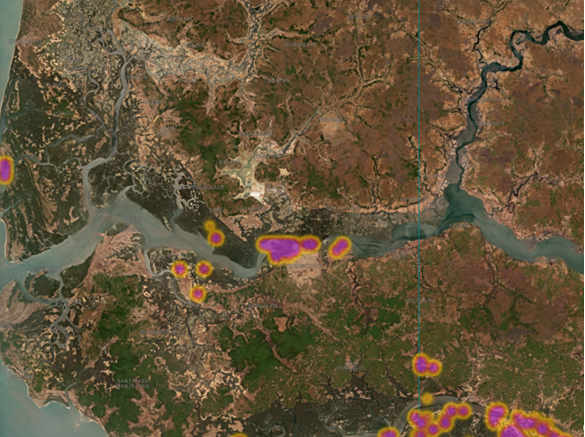
The question that conservationists have long grappled with is how to achieve real-time monitoring of these vital, yet remote, ecosystems. What if advanced satellite technology could provide an unwavering gaze over the mangroves? What if there was a mechanism to receive near-instantaneous updates on areas experiencing degradation, allowing for the precise allocation of limited time and resources? Global Mangrove Watch (GMW) offers precisely this solution. This sophisticated online platform provides a suite of remote sensing data and analytical tools specifically designed for the meticulous monitoring of mangrove ecosystems worldwide.
By delivering high-resolution information on mangrove loss and change, GMW equips Marine Protected Area managers, conservation practitioners, policymakers, and local stakeholders with the crucial evidence needed to take decisive action. This evidence can pinpoint the root causes of localized mangrove decline, whether it be illegal logging, unsustainable development, or natural phenomena. Furthermore, it allows for the tracking of restoration progress, providing a vital feedback loop for adaptive management strategies. The platform’s ability to detect subtle changes and generate timely alerts significantly enhances the efficiency and effectiveness of conservation efforts, transforming reactive responses into proactive interventions.
From Digital Alert to On-the-Ground Action: The Séléki Intervention
The intervention in Séléki serves as a compelling case study of GMW’s impact. Under the auspices of Wetlands International’s "Rooted Resilience" project, generously supported by The Swedish Postcode Lottery Foundation, a comprehensive training program was conducted for various stakeholders in the Casamance region. This initiative specifically targeted local authorities, community leaders, and students, empowering them with the skills to effectively utilize the Global Mangrove Watch platform. The training has yielded tangible results, enabling rangers to monitor their entire operational areas with unprecedented efficiency. This enhanced surveillance capability allows them to redirect their valuable time and energy towards more impactful community engagement, fostering collaborative conservation efforts.
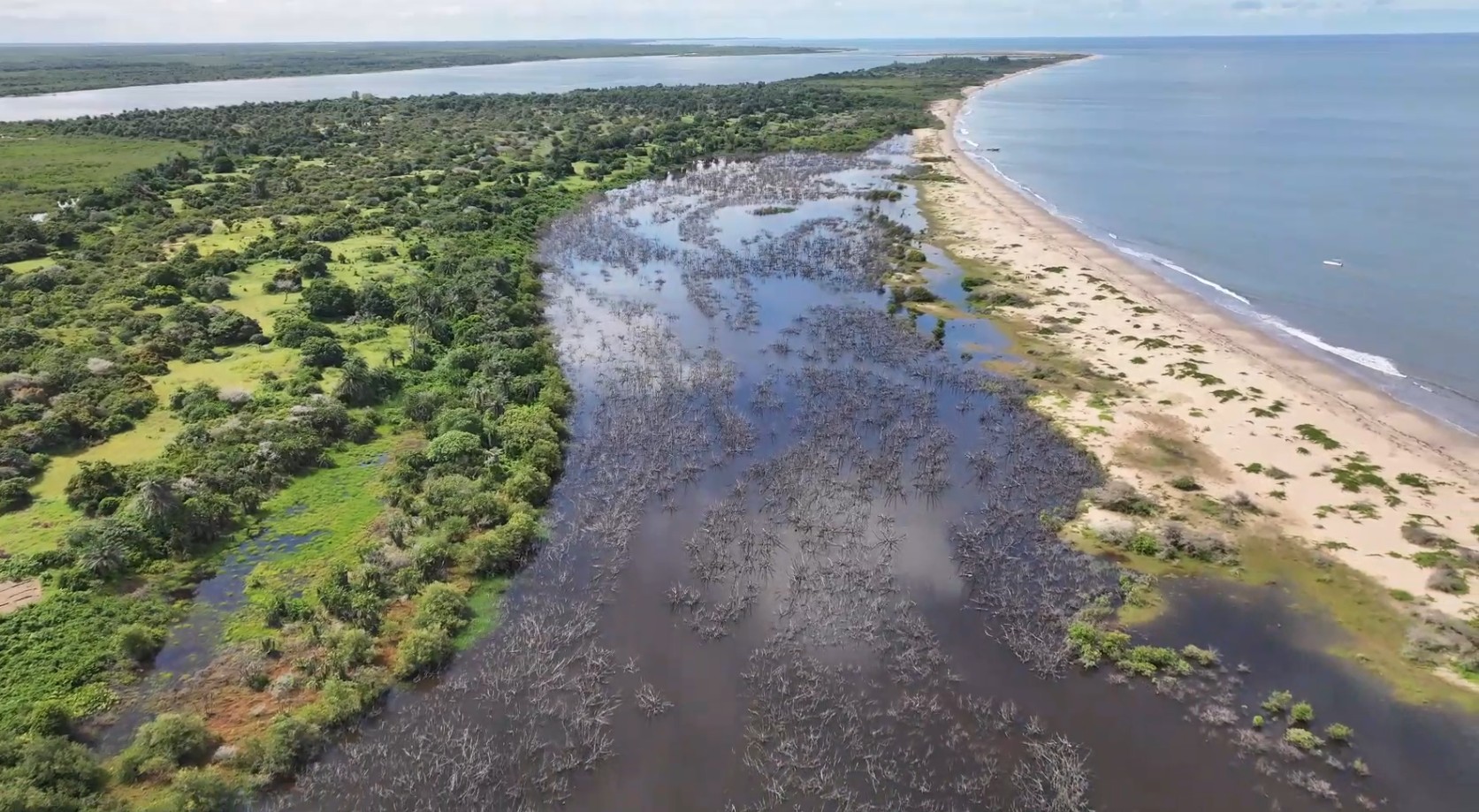
The situation in Séléki, located within the UKB Marine Protected Area, revealed a clear cause for the mangrove distress: dikes constructed for aquaculture. While seemingly a source of economic activity, these structures inadvertently disrupted the natural hydrological balance of the mangrove ecosystem. By impeding the natural ebb and flow of brackish water, the dikes deprived the mangroves of the tidal rhythm essential for their survival. Over time, this ecological disruption led to the gradual wilting and death of these vital coastal forests, affecting an area of approximately two hectares.
Reimagining Livelihoods: Balancing Conservation and Community Needs
The case of Séléki underscores a fundamental principle in conservation: it is intrinsically linked to the well-being and livelihoods of people. Wetlands International Afrique, in its commitment to this holistic approach, is actively facilitating dialogue and collaboration between the Séléki community, the National Aquaculture Agency, and the owner of the dikes. The objective is to collaboratively develop and implement alternative, sustainable livelihood strategies that do not compromise the integrity of the mangrove ecosystem.
This involves identifying and supporting new avenues for food security that are independent of practices that disrupt natural water flows. The long-term goal is to facilitate the dismantling of the dikes, thereby restoring the natural tidal inundation and allowing the mangrove ecosystem to regenerate. The project champions a methodology known as Community-Based Ecological Mangrove Restoration (CBEMR). This approach prioritizes working hand-in-hand with local communities to recreate the environmental conditions necessary for natural mangrove regrowth, fostering both ecological recovery and community empowerment. Alternative income-generating activities, such as the sustainable harvesting of mangrove honey from revitalized areas, are being explored and promoted, offering tangible economic benefits derived directly from a healthy ecosystem.
Addressing Natural Threats: The Kalone-Bliss Kassa Dune Phenomenon
Not all mangrove degradation is a direct result of human intervention. In the KBK Marine Protected Area, also known as Kalone-Bliss Kassa, GMW alerts have identified a different, yet equally significant, threat to the mangrove ecosystem. Here, an extensive area of approximately 16 hectares is experiencing a natural die-off. This phenomenon is attributed to the shifting of a massive sand dune, which has acted as a natural dam, effectively cutting off the vital inflow of seawater upon which the mangrove forest depends.
This occurrence serves as a potent reminder that even within designated protected areas, mangroves remain vulnerable to the dynamic and often unpredictable geological processes shaping coastlines. The shifting dune disrupts the delicate balance of salinity and water availability, leading to the decline of the mangrove stands. This specific area is of particular ecological importance, providing a crucial habitat for various bird species, including cormorants and egrets. The situation necessitates a thorough impact study to evaluate the potential outcomes and feasibility of any intervention strategies aimed at mitigating the effects of the shifting dune and preserving this vital avian sanctuary.
Unraveling the Causes: Niamone-Kalounayes and the Need for Vigilance
A third alert was registered within the Niamone-Kalounayes MPA, indicating a clear instance of mangrove cutting. While the physical evidence of deforestation is apparent, the underlying reasons for these actions remain somewhat ambiguous. The precise legality of these cuttings is yet to be determined, as the specific motivations are not fully understood. However, preliminary assessments suggest potential uses for the timber, such as fencing for vegetable gardens in the vicinity or for product transformation.
The timely alerts generated by Global Mangrove Watch have been instrumental in prompting the MPA authorities to increase patrols in the Niamone-Kalounayes area. This heightened vigilance aims to deter further degradation and to gather more comprehensive information regarding the nature and extent of the logging activities. Continued monitoring and investigation are crucial to understand the drivers behind this deforestation and to implement appropriate enforcement and community outreach measures.
A Synergistic Approach to Coastal Resilience
The ongoing efforts in Senegal’s Casamance region exemplify a powerful synergy between cutting-edge technology and on-the-ground conservation initiatives. By integrating satellite monitoring capabilities with robust community engagement and strategic government partnerships, there is a tangible pathway towards ensuring the long-term resilience of the region’s invaluable mangrove ecosystems. The journey from a digital alert, transmitted from space, to the tangible restoration of a mangrove forest is undeniably complex and often protracted. However, in critical locations like Séléki, the initial steps towards recovery are already underway, rekindling hope for the communities whose lives and livelihoods are inextricably linked to the health and vitality of these vital coastal forests. The success of these integrated approaches is crucial not only for Senegal but also serves as a model for mangrove conservation efforts worldwide, highlighting the power of technology, community, and collaboration in safeguarding our planet’s precious natural resources.
