

Last week, a pivotal gathering in Kenya marked the inception of the Kenya Mangrove Champions Initiative, a groundbreaking effort aimed at bolstering mangrove restoration through science-based, community-driven approaches. The workshop, hosted by Wetlands International and the Global Mangrove Alliance in Kenya, brought together a diverse coalition of mangrove practitioners, esteemed community leaders, passionate youth mangrove champions, technical experts, government partners, and non-governmental organizations. This collaborative forum signals a significant step forward in fostering a connected ecosystem of learning and action, essential for accelerating the adoption of effective, locally tailored mangrove restoration strategies amidst surging global interest and investment in these vital coastal ecosystems.
The urgency for such an initiative is underscored by the escalating recognition of mangroves’ critical role in coastal protection, carbon sequestration, and biodiversity support. Globally, mangrove forests are disappearing at an alarming rate, with estimates suggesting a loss of over 35% since the 1980s. This alarming trend highlights the imperative to move beyond fragmented, short-term restoration efforts towards more sustainable, community-centric models. The Kenya Mangrove Champions Initiative directly addresses this need by prioritizing local leadership, acknowledging that the most effective and enduring restoration projects are those rooted in the intimate knowledge and stewardship of the communities that live alongside these vital ecosystems.
Laying the Foundation for a Connected Community of Practice
The core objective of the Mangrove Champions Initiative is to cultivate a robust and interconnected network of practitioners. This network is envisioned to transcend the limitations of conventional, often disconnected, restoration projects, fostering a paradigm shift towards more sustainable and community-empowered initiatives. The workshop underscored a fundamental truth: each mangrove landscape is a unique entity, demanding restoration approaches that are meticulously adapted to its specific ecological, social, economic, and cultural realities. Participants emphatically articulated that successful mangrove restoration cannot be divorced from the livelihoods, cultural identities, and governance structures of the local communities involved.
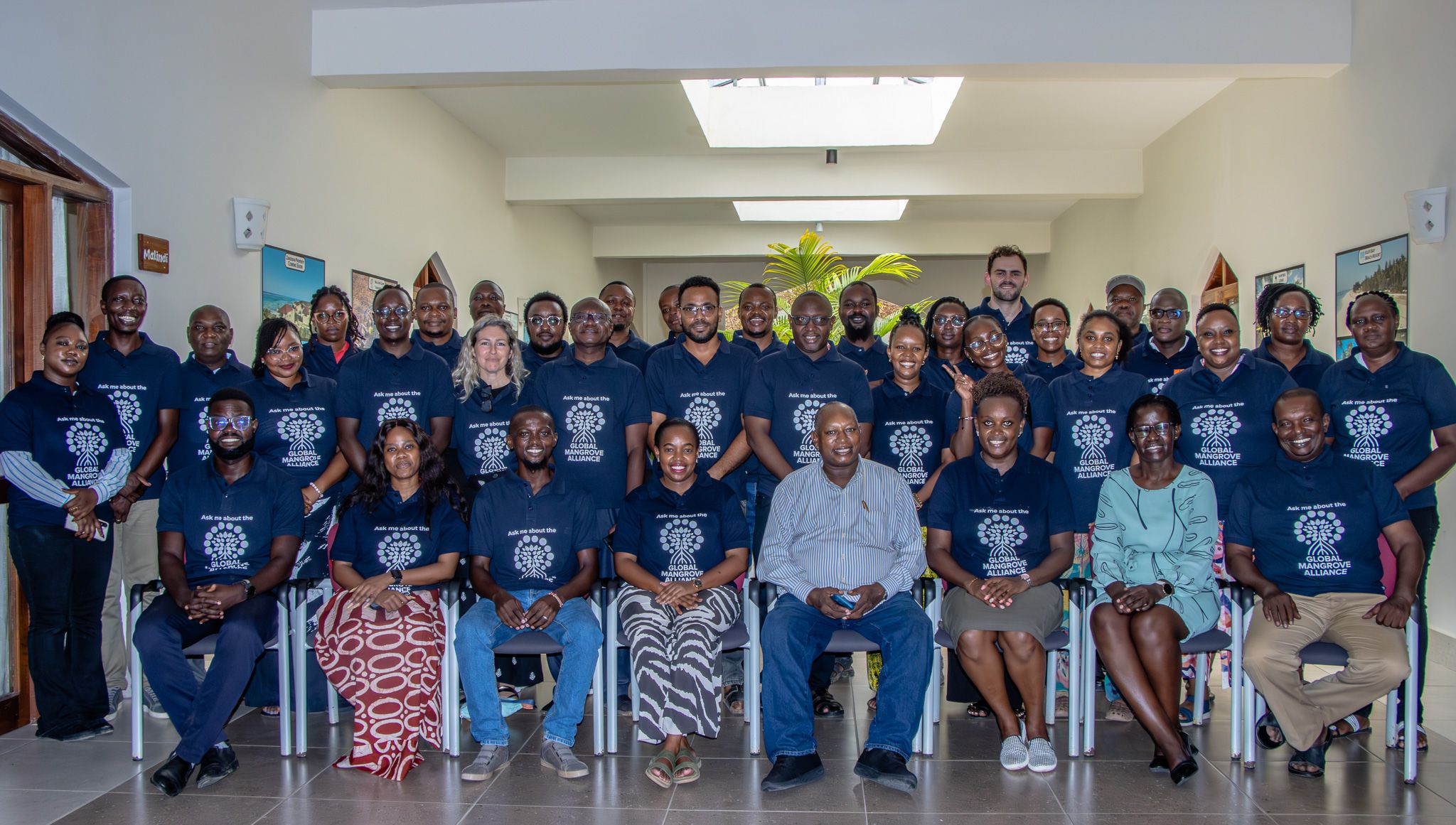
Central to the initiative’s philosophy is the deliberate recognition and empowerment of local champions – individuals who are already at the forefront of driving positive change within their respective mangrove landscapes. These "Mangrove Champions" are invaluable assets, bringing to the table a wealth of lived experience, practical insights, and deep-seated understanding of their environments. This local expertise, when synergized with scientific and technical knowledge, forms the bedrock for designing restoration strategies that are not only effective in the short term but also possess the resilience and sustainability to endure for generations. The inherent challenge, and indeed the profound opportunity, lies in harmonizing these diverse dimensions to achieve impactful and lasting change.
The Global Mangrove Alliance, with its established national chapters worldwide, plays a crucial role in supporting effective mangrove conservation and restoration at national scales. The Kenya chapter, spearheading this initiative, is now strategically convening a broad spectrum of stakeholders to collaboratively learn and implement best practices in mangrove restoration. This collaborative approach aims to forge a connected network of practitioners across various sites, united by a shared commitment to continuous learning, mutual support, and action that is deeply rooted in local contexts.
Elena Roddom of Wetlands International, reflecting on the workshop’s success, stated, "This experience was so valuable, all participants were so committed and keen to learn from each other, and people felt very comfortable to share their local experience and expertise. As a result, established mangrove restoration experts, researchers, and government actors learned from young mangrove champions and community leaders who are testing experimental approaches in the field, and vice versa." This reciprocal exchange of knowledge, bridging the gap between seasoned professionals and grassroots innovators, exemplifies the initiative’s core strength.
Pioneering Locally Grounded Mangrove Restoration Expeditions
A cornerstone of the Kenya Mangrove Champions Initiative is the forthcoming series of locally grounded mangrove restoration expeditions. These immersive, field-based learning experiences are designed to bring theoretical knowledge into practical application within active restoration sites. The inaugural expedition is slated to take place in Kwale County, a region renowned for its critical mangrove ecosystems near Mombasa, commencing next week.

These expeditions will serve as dynamic platforms where Mangrove Champions, technical experts, representatives from NGOs, and government implementation agencies, such as the Kenya Forest Service, will converge at active restoration sites. These sites are already under the stewardship of members of the Global Mangrove Alliance Kenya, who are actively engaged in mangrove rehabilitation efforts. The expeditions are meticulously structured to transform the field into a vibrant classroom, offering highly participatory and immersive learning environments. Within these settings, participants are encouraged to openly discuss challenges, uncertainties, and the invaluable lessons learned from their experiences.
The expeditions will facilitate a collective analysis of ecological conditions, the efficacy of various restoration approaches, and the practical challenges encountered during implementation, all within the real-world context of the restoration landscapes. Furthermore, participants will delve into the critical aspects of working respectfully and effectively with local communities, engaging in joint reflections on local realities. This includes a nuanced examination of power dynamics, the prioritization of community needs, understanding local governance structures, and recognizing the paramount importance of engaging a wide array of stakeholders, extending beyond village leadership.
The overarching aim of these expeditions is to significantly strengthen both ongoing and future mangrove restoration projects in Kenya. Simultaneously, they are intended to contribute to broader systemic changes that enhance the impact of mangrove restoration efforts at scale. Therefore, these expeditions transcend mere knowledge exchange; they are designed to foster behavioral shifts across the restoration sector by elevating the quality of restoration practices, promoting collaborative learning, and embedding field-informed decision-making at every level.
The Genesis of a Scalable Global Effort
Throughout the workshop, participants consistently emphasized the indispensable need for continuous reflection and cross-learning, not only within Kenya but also across projects and international borders. Key questions emerged regarding the methodologies for gathering meaningful data in contexts where baseline information may be scarce, how insights from one expedition can effectively inform another, and the role of compelling storytelling in conveying a broader narrative of impact without sacrificing the intricate nuances of local realities.

The successful workshop in Kenya represents the nascent stage of a much broader, ambitious effort to replicate and scale the Mangrove Champions Initiative across other countries and vital mangrove landscapes globally. The commitment to fostering a globally connected yet locally grounded community of practice is a testament to the understanding that knowledge, when allowed to flow freely across landscapes, can profoundly shape the future of mangrove restoration. This future, it is widely acknowledged, must be as much a product of local experience and leadership as it is of scientific advancement and global ambition. The initiative’s success in Kenya is anticipated to serve as a powerful blueprint for similar endeavors worldwide, catalyzing a more effective and equitable approach to restoring these indispensable coastal ecosystems. The long-term implications of this initiative are substantial, promising to not only enhance the ecological health of coastal regions but also to empower local communities, foster economic resilience, and contribute significantly to global climate change mitigation efforts.
