
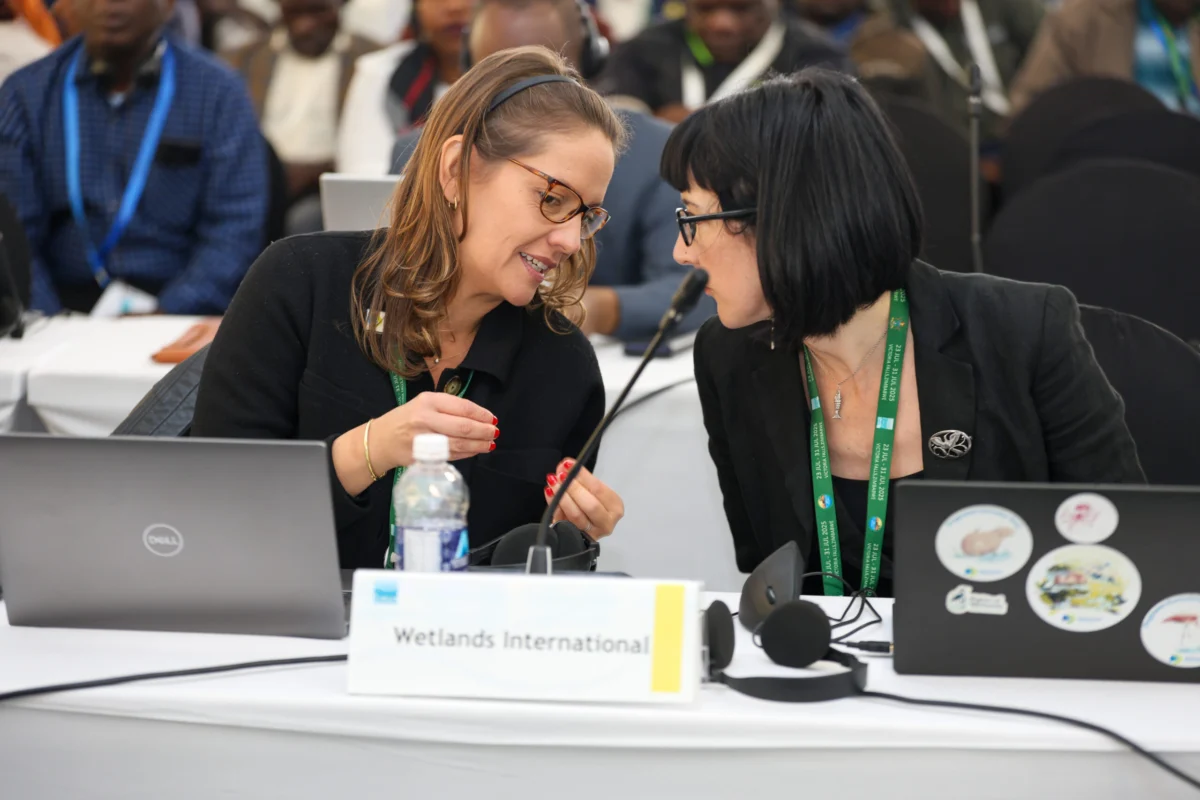
The Standing Committee 67 (SC67) of the Ramsar Convention on Wetlands, held in Switzerland on the shores of Lake Geneva, has marked a significant milestone with the adoption of the Indicator Framework for the Convention’s 5th Strategic Plan (2025-2034). This crucial development, following the COP15 in Zimbabwe, signifies a robust commitment to accelerating wetland protection, restoration, and wise use globally. The meeting, which convened from May 4th to May 7th, 2026, saw active participation from member states and International Organisation Partners (IOPs), including Wetlands International, underscoring the collaborative spirit driving global wetland action.
Key Decisions and Progress at SC67
The adoption of the Indicator Framework is a critical step in operationalizing the ambitious goals set forth at COP15 in Victoria Falls, Zimbabwe. This framework will provide the essential metrics and tools to monitor progress, ensure accountability, and guide national and international efforts in wetland conservation over the next decade. The Strategic Plan itself aims to drive transformative change by addressing the root causes of wetland loss and degradation, reconfiguring human-wetland relationships, and recognizing wetlands as vital components for achieving broader environmental goals.
Wetlands International, a key player among the Ramsar Convention’s IOPs, played a prominent role throughout SC67. Laura MacKenzie, Senior Advocacy Officer for Wetlands International, delivered a powerful statement during the Opening Plenary on behalf of all six IOPs (Birdlife International, IMWI, IUCN, Wetlands International, WWF, and WWT). She articulated three core priorities for concerted action: addressing the financial and economic drivers of wetland destruction, fostering a paradigm shift in human-wetland interactions including the recognition of "Rights of Wetlands," and integrating wetlands as critical connectors across various Multilateral Environmental Agreements (MEAs) and international forums, including the upcoming Rio Convention COPs and the UN Water Conference.
Advancing Technical and Scientific Initiatives
Beyond policy frameworks, SC67 also saw significant progress in crucial technical and scientific initiatives that underpin effective wetland management. The adoption of the Indicator Framework is a testament to the meticulous work undertaken by the Scientific and Technical Review Panel (STRP).
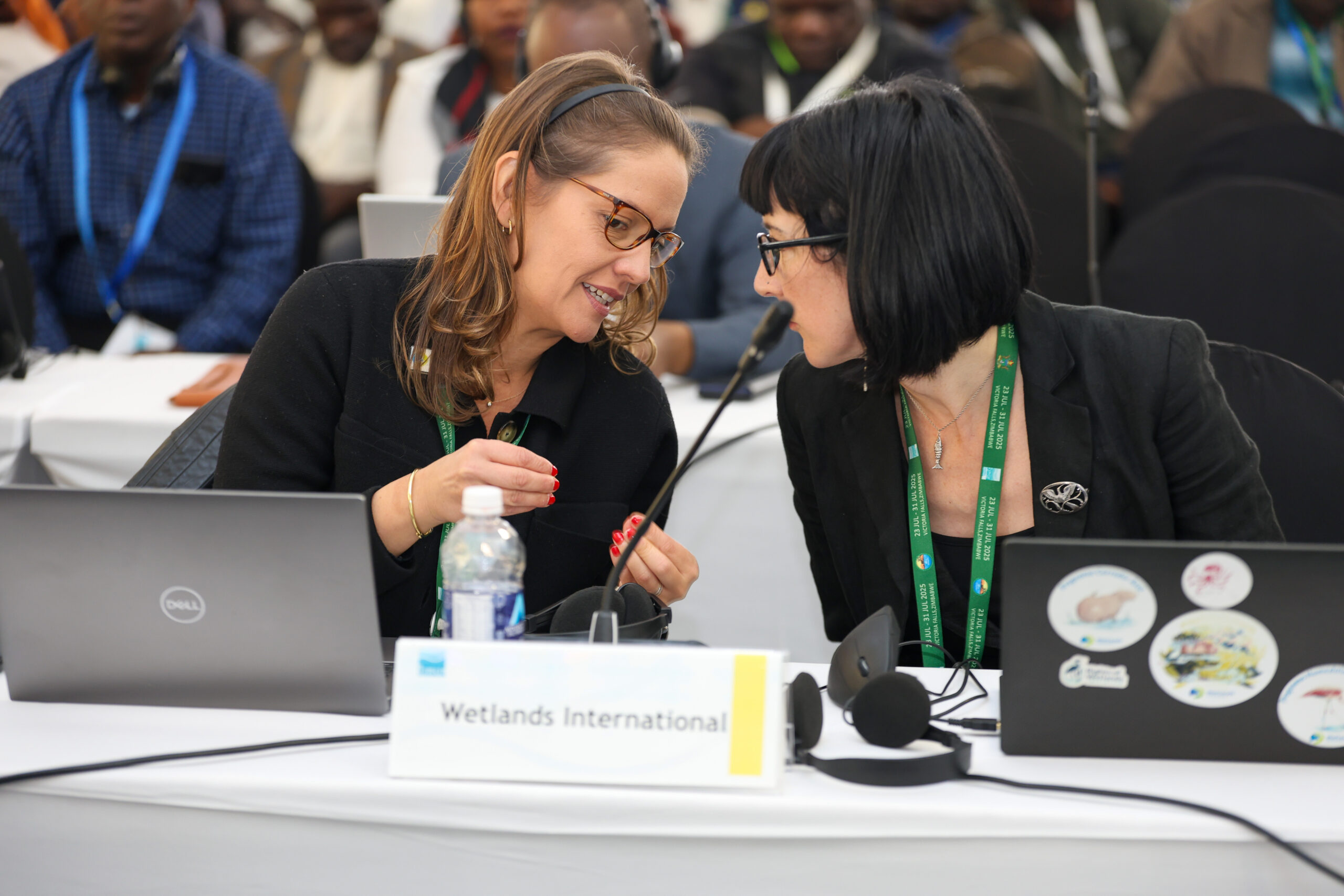
GeoWetlands Initiative: Wetlands International underscored its commitment to the GeoWetlands initiative, a vital program leveraging remote sensing and Earth observation technologies for wetland monitoring and inventory. In their intervention, Wetlands International stated, "Wetlands International regards the Geowetlands work as one of the very many incredibly valuable initiatives of the Convention, tailored to the needs of Parties, and we are honoured to continue to contribute including by coordinating the Geowetlands partnership as we have been doing for recent months, in addition to our national offices working directly with many Parties at national level. We consider it very positive that the 2026-2028 workplan and partnership agreement have been finalised, giving us a framework in which we can collaborate, to progress remote sensing of wetlands in a coordinated way in this triennium, as well as moving forwards on National Wetland Inventories." This collaboration is instrumental in building comprehensive National Wetland Inventories, a fundamental requirement for effective conservation planning.
Global Waterbird Estimates Partnership (GWEP): The SC also received a comprehensive update on the progress of the Global Waterbird Estimates Partnership. Wetlands International expressed its satisfaction with the collaborative efforts, noting the crucial contributions from governments of Australia, Switzerland, and the United Kingdom, alongside Birdlife International and Manomet. "As we work together to deliver 2027 Waterbird Population Estimates, we would like to reiterate how essential the contributions have been… notwithstanding the urgent need to fill the funding gaps," stated Wetlands International. The organization highlighted its role within the interim coordination committee and as the G-WEP secretariat, looking forward to further progress in this vital area. Accurate waterbird population estimates are critical for understanding the health of wetland ecosystems and for identifying key sites that require urgent conservation attention, particularly in the context of migratory flyways.
Momentum Behind Breakthrough Initiatives
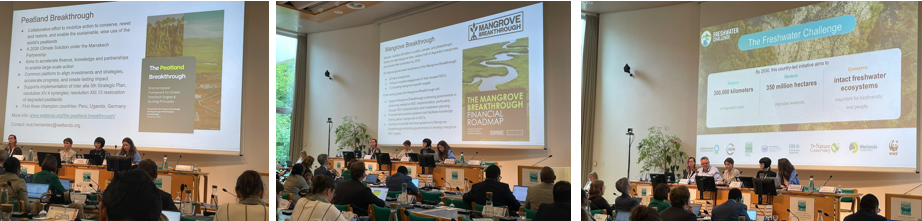
A significant focus of the SC67 discussions was the collective effort of the IOPs in supporting the delivery of the 5th Strategic Plan through voluntary global initiatives. On Wednesday, May 6th, the IOPs presented an update on their collaborative work, emphasizing their support for three key breakthrough initiatives: the Freshwater Challenge, the Mangrove Breakthrough, and the Peatland Breakthrough. These initiatives aim to accelerate the conservation and restoration of critical wetland types, bringing together governments, NGOs, the private sector, and financial institutions.
The Freshwater Challenge, for instance, is a testament to the growing recognition of freshwater ecosystems’ importance. Data from the IUCN indicates that freshwater ecosystems, despite covering only a small percentage of the Earth’s surface, host a disproportionately high number of species. The challenge aims to restore 300 million hectares of degraded freshwater ecosystems by 2030, a target that aligns directly with the Ramsar Strategic Plan and the Kunming-Montreal Global Biodiversity Framework’s 30×30 target.
Addressing Root Causes and Financial Flows
A central theme throughout SC67 was the imperative to address the underlying economic and financial drivers of wetland loss. Wetlands International specifically highlighted the urgent need to integrate the intrinsic value of wetlands into financial and economic policy. Citing reports from IPBES and UNEP, which reveal stark misalignments in investment, with significantly more capital spent on nature destruction than on its protection, Wetlands International stressed the inadequacy of current safeguards.

Examples cited included the recent weakening of laws protecting glacier areas in the High Andes, which exacerbates threats to wetlands and water security from lithium mining, and the proposed dilution of the EU Water Framework Directive. These instances illustrate a persistent challenge where development interests often override the long-term ecological and societal benefits provided by healthy wetlands. The push for incorporating wetland values into economic decision-making is not just an environmental concern but a fundamental requirement for sustainable development and resilient economies.
The "Rights of Wetlands" and Future Aspirations
Building momentum behind innovative approaches, Wetlands International explored support for a potential new draft resolution on the "Rights of Wetlands." This concept, building on the IUCN’s resolution on the rights of rivers adopted in November 2025, represents a paradigm shift in how wetlands are perceived and protected, moving beyond anthropocentric views to recognize their intrinsic ecological value and the rights they possess as living systems.
Looking ahead, the SC67 meeting also provided a glimpse into future Ramsar Convention activities. The Committee anticipated an update from Panama on their preparations to host the Convention on Wetlands COP16 in Panama City in June 2028. Following the successful COP15 in Zimbabwe, which saw a strong emphasis on wetlands by the host nation, Panama faces the challenge of building on this momentum. With Wetlands International having a presence in Panama, there is a strong commitment to supporting the nation in ensuring that COP16 further accelerates global wetland action.
Contextualizing SC67 within the Ramsar Framework
The Ramsar Convention on Wetlands, established in 1971, is an intergovernmental treaty that provides a framework for national action and international cooperation for the conservation and wise use of wetlands and their resources. The Convention’s Conferences of the Parties (COPs) are the supreme governing bodies, meeting typically every three years. COP15, held in Victoria Falls, Zimbabwe, in July 2025, set the stage for the 2025-2034 Strategic Plan, which aims to halt and reverse the decline of wetlands worldwide.
Standing Committee meetings, such as SC67, are crucial intersessional gatherings. Unlike the high-profile COPs, these meetings provide a vital platform for the Standing Committee, elected by the COP, to oversee the implementation of the Convention’s program, review progress, and address urgent issues between COP sessions. Given that the next COP is scheduled for June 2028, SC67’s role in maintaining momentum, ensuring accountability, and fostering partnerships for the effective implementation of the 5th Strategic Plan is paramount.
The geographical location of SC67 in Switzerland, on the shores of Lake Geneva, another designated Wetland of International Importance, served as a fitting backdrop for discussions focused on wetland conservation. This setting underscored the global significance and diverse manifestations of these vital ecosystems.
Broader Implications and Future Outlook
The outcomes of SC67 are poised to have far-reaching implications for global wetland conservation. The adoption of the Indicator Framework provides a clear roadmap for monitoring progress towards the ambitious targets of the 5th Strategic Plan. The emphasis on integrating wetland values into economic policy signals a critical shift towards recognizing the indispensable role wetlands play in climate regulation, water security, and supporting livelihoods.
The continued support for breakthrough initiatives like the Freshwater Challenge, Mangrove Breakthrough, and Peatland Breakthrough, alongside the exploration of concepts like the "Rights of Wetlands," demonstrates a forward-looking approach to conservation that embraces innovative solutions and recognizes the intrinsic value of these ecosystems.
As the international community looks towards the upcoming Rio Convention COPs and the UN Water Conference, the progress made at SC67 reinforces the central role of wetlands in addressing interconnected global challenges. The commitment to multilateralism, as evidenced by the strong collaboration among IOPs and with member states, remains the bedrock for achieving meaningful and lasting conservation outcomes for the world’s wetlands. The success of SC67 in Switzerland lays a strong foundation for continued progress and for the ambitious wetland agenda to be further propelled at COP16 in Panama.
