
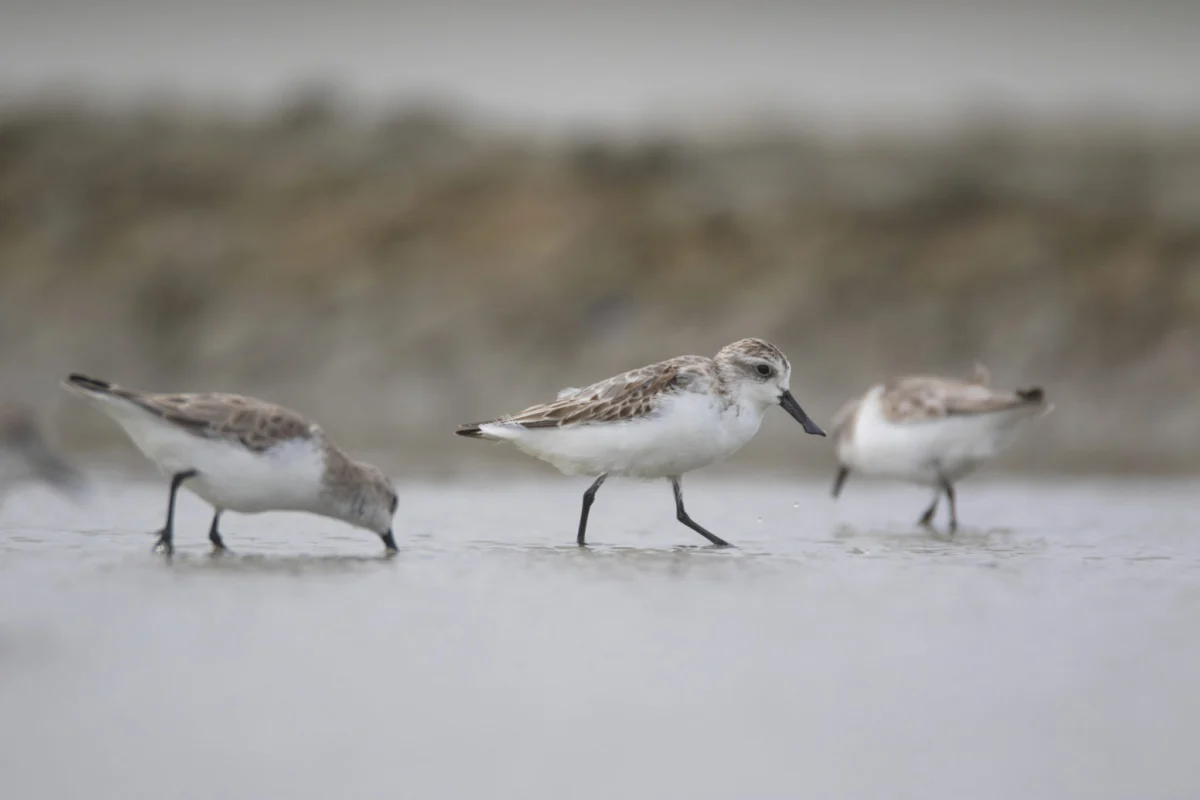
Twice annually, across continents and oceans, an awe-inspiring biological phenomenon unfolds as millions of birds embark on monumental journeys connecting their Arctic breeding grounds to southern wintering quarters. This transcontinental migration, spanning thousands of kilometers across perilous terrain, establishes these avian travelers as some of the most ecologically vital and resilient creatures on Earth. Yet, this ancient rhythm of life is breaking down under the relentless weight of anthropogenic pressures. According to the newly released State of the World’s Birds report by BirdLife International, a staggering 45 percent of the world’s over 2,000 migratory bird species are currently experiencing population declines.
The crisis is most acute among migratory shorebirds, where an alarming 54 percent of species face downward population trajectories. These findings arrive on the heels of another ecological tragedy: the official extinction of the migratory slender-billed curlew, confirmed last year after decades of desperate conservation efforts failed to locate surviving populations. This loss is far from an isolated incident. Global tracking indicates that 11 percent of all migratory bird species are currently threatened with extinction, while at least seven species have been confirmed or strongly suspected lost over the past century and a half. As these populations dwindle, conservationists, ornithologists, and international bodies are sounding the alarm, pointing out that the vanishing wings of migratory birds serve as a glaring indicator of a broader environmental collapse.
Anatomy of a Crisis: Drivers of Avian Decline
The mechanisms driving the precipitous decline of migratory species are thoroughly documented by scientists and universally attributed to human activities. Climate change, pervasive environmental pollution, and unsustainable industrial and urban development are systematically dismantling the ecological safety nets upon which these birds depend.
Changing climatic conditions alter temperature norms and seasonal cues, frequently causing a dangerous mismatch between the arrival of migratory birds and the peak abundance of the insects, seeds, and aquatic invertebrates they rely on for food. Meanwhile, agricultural runoff, heavy metals, and plastic pollution poison vital inland waterways and coastal ecosystems. Unchecked coastal reclamation, port expansions, and infrastructure projects convert natural feeding grounds into concrete industrial zones, leaving weary flocks with nowhere to rest or refuel.
Because migratory birds traverse multiple national jurisdictions and diverse ecosystems throughout their annual cycles, they are uniquely vulnerable to localized policy failures. A disruption in one country can trigger cascading population crashes thousands of miles away, transforming localized habitat destruction into a global conservation emergency.
The Ecological Ripple Effect: Why Migratory Birds Matter
The disappearance of migratory birds extends far beyond a loss of aesthetic beauty or biodiversity; it threatens the fundamental stability of global ecosystems. Migratory species act as vital ecological regulators across the globe. As they traverse vast geographical ranges, they function as primary agents of seed dispersal, transporting plant genetics across fragmented landscapes and helping degraded forests recover. During their breeding and staging periods, they exert critical top-down control over exploding insect populations, acting as natural pest management systems that protect both wild forests and agricultural yields.
When these populations collapse, the resulting ecological void triggers severe disruptions across intricate food webs. The loss of pollination services, pest regulation, and nutrient cycling diminishes overall ecosystem health and resilience.
Furthermore, birds are recognized by conservation biologists as premier bioindicators—sensitive barometers of planetary health. Because their life cycles are intimately tied to the condition of air, water, soil, and vegetation across multiple continents, their declining numbers deliver an empirical warning: Earth’s essential life-support systems are under severe stress. Their silent disappearance portends deeper systemic failures that will eventually impact human food security, water quality, and regional climate resilience.
Lifelines in Peril: The Critical Role of Wetlands
At the heart of the migratory bird crisis lies the degradation and disappearance of the world’s wetlands. Throughout their arduous multi-thousand-kilometer journeys, migratory species depend almost entirely on a chain of high-energy staging sites—coastal mudflats, expansive river deltas, shallow lakes, and peatlands—to recover their energy reserves, molt, and prepare for the next leg of flight.
These dynamic ecosystems form the backbone of major global flyways. The East Atlantic Flyway, stretching from the high Arctic down to the southern tip of Africa, sustains millions of migratory waterbirds, including the critically endangered spoon-billed sandpiper. Similarly, the East Asian-Australasian Flyway spans 22 countries and supports approximately 50 million migratory waterbirds representing more than 210 distinct species. Along this route, the destruction or reclamation of a single tidal mudflat in China can leave tens of thousands of red knots stranded without access to the benthic invertebrates they need to survive, leading to catastrophic mortality events. Further inland, the vast peatlands and high-altitude wetlands of Central Asia and Mongolia provide irreplaceable stopover and breeding sites for the critically threatened Siberian crane as it journeys between Siberian nesting grounds and Chinese wintering areas.
Despite their ecological and economic value, wetlands remain among the most undervalued and misunderstood habitats on Earth. For generations, public policy and industrial planning have treated rivers merely as fluid transport pipes, lakes as convenient industrial sumps to be pumped dry or polluted, and coastal wetlands as wasastelands ripe for drainage and real estate development.
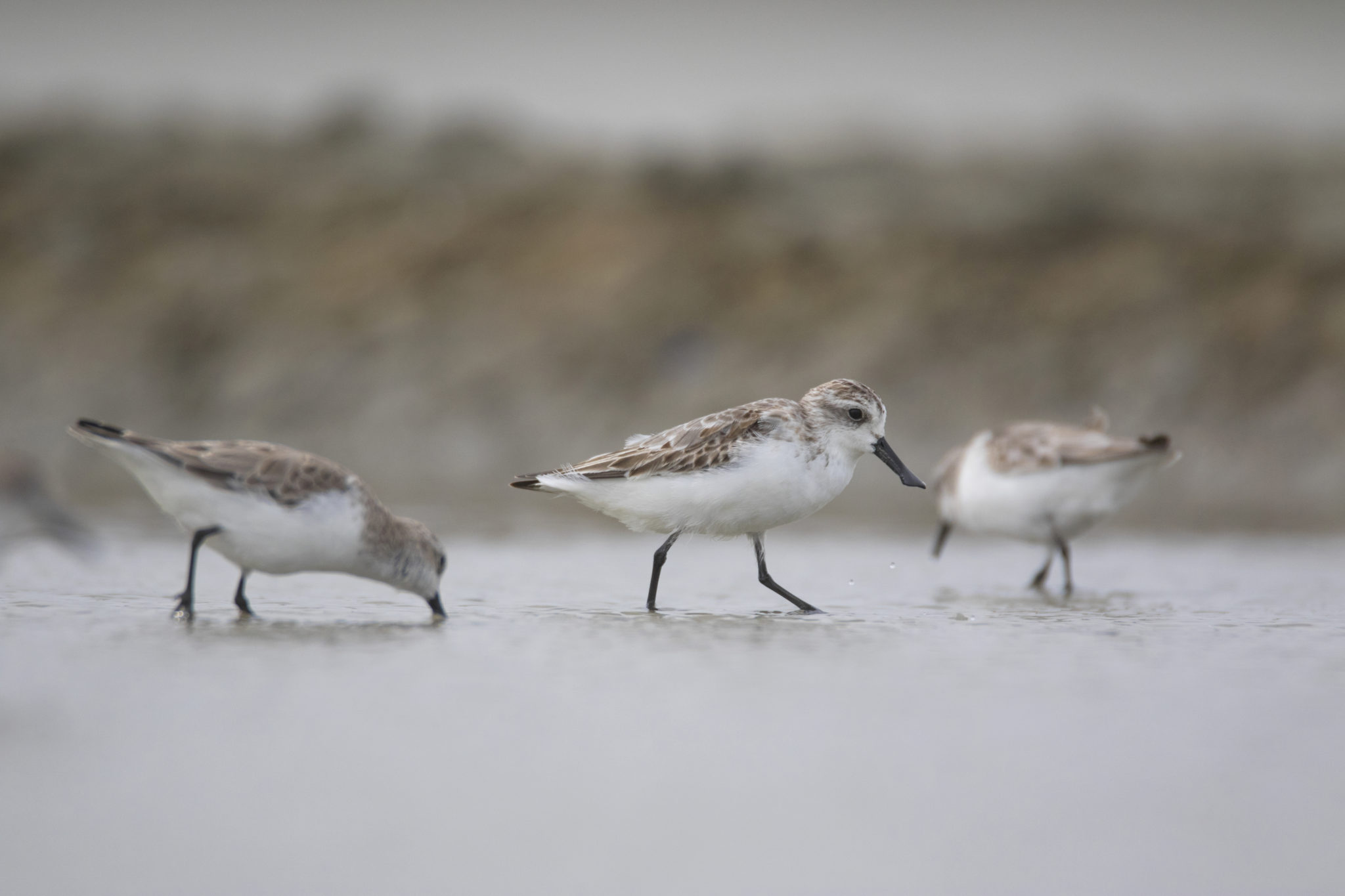
This systematic devaluation has driven a catastrophic loss of approximately 22 percent of the world’s remaining wetlands since 1970. Today, despite increased international awareness, these essential ecosystems continue to be drained, dammed, dredged, and degraded at an unsustainable pace, severing the ecological chains that keep migratory species alive.
Chronology of a Slow-Motion Catastrophe
To understand the scale of the current crisis, conservation scientists trace a multi-decade trajectory of escalating habitat loss and regulatory paralysis:
1970s–1980s: Early warnings emerge as ornithological surveys across North America, Europe, and parts of Asia note consistent downward trends in shorebird and waterfowl counts. The Ramsar Convention on Wetlands gains traction, yet localized drainage of mudflats and inland marshes accelerates to meet agricultural and urban demands.
1990s: Comprehensive flyway-level monitoring initiatives begin to quantify the rapid loss of intertidal mudflats, particularly along the Yellow Sea coast in East Asia, driven by rapid industrialization and coastal land reclamation.
2000s–2010s: Climate change impacts become starkly visible. Arctic warming alters the timing of snowmelt and insect hatches, disrupting breeding success for long-distance migrants. Several high-profile species, including the spoon-billed sandpiper and slender-billed curlew, are pushed to the absolute brink of extinction.
2020s: The formal extinction of the slender-billed curlew is confirmed, providing a sobering benchmark for the failure of international conservation frameworks. Concurrently, the State of the World’s Birds report highlights that 45 percent of all migratory bird species are now in decline, cementing the realization that piecemeal conservation is failing to address systemic habitat destruction.
Expert Reactions and Institutional Warnings
The release of the latest data has prompted urgent responses from conservation leaders worldwide, who emphasize that protecting migratory species requires an immediate, coordinated international shift in how governments value natural infrastructure.
"This loss of the Slender-billed Curlew is another deafening wake-up call," stated Coenraad Krijger, CEO of Wetlands International. "We must urgently accelerate efforts to save the world’s migratory waterbirds and the wetlands they depend on before more species join the lengthening list of those that are gone for good."
International policy analysts note that safeguarding migratory birds is no longer just a wildlife conservation issue, but a critical component of global climate adaptation and food security strategies. Healthy wetlands act as massive natural carbon sinks, buffer coastal communities against severe storms, and purify freshwater supplies. Consequently, restoring these habitats serves a dual purpose: stabilizing collapsing biodiversity while bolstering human resilience against extreme weather events.
A Science-Based Path Forward: Saving Wetlands to Save Birds
While the challenges facing migratory species are immense, conservation organizations emphasize that the solutions are well-understood, scientifically proven, and entirely achievable with adequate political will and financial investment.
Organizations like Wetlands International are actively working across multiple global flyways to reverse the damage. Their strategic approach hinges on three core pillars:
- Restoring degraded wetlands by reconnecting river systems, removing obsolete dams, and rehabilitating hydrological flows in critical marshlands and deltas.
- Protecting intact, healthy wetland ecosystems through robust legal designations, community-based management frameworks, and international conservation agreements.
- Continuously gathering empirical data and conducting rigorous scientific research to track population movements, identify emerging threats, and guide targeted, evidence-based conservation interventions.
Ultimately, the fate of migratory birds serves as a mirror reflecting humanity’s relationship with the natural world. These creatures recognize no political borders, carrying the ecological health of one continent directly to the doorstep of another. Ensuring their survival demands an end to the destruction of the world’s wetlands and a global commitment to preserving the flyways that bind our planet together. Without swift, decisive action to restore these vital landscapes, the silent skies will soon bear permanent witness to what was lost through inaction.
