
As the global sporting community turns its collective attention toward the quadrennial spectacle of the World Cup, football enthusiasts worldwide are gearing up for weeks of intense competition, tactical analysis, and high-stakes match predictions. Even in nations not directly fielding a national squad in the tournament, the cultural resonance of the global game is profound. Costa Rica, a nation celebrated globally for its rich biodiversity and pioneering environmental policies, may not have its national team competing on the pitch in this cycle, but its wildlife conservation community has cleverly engineered a way to harness the planetary enthusiasm of football fans for a vital ecological cause.
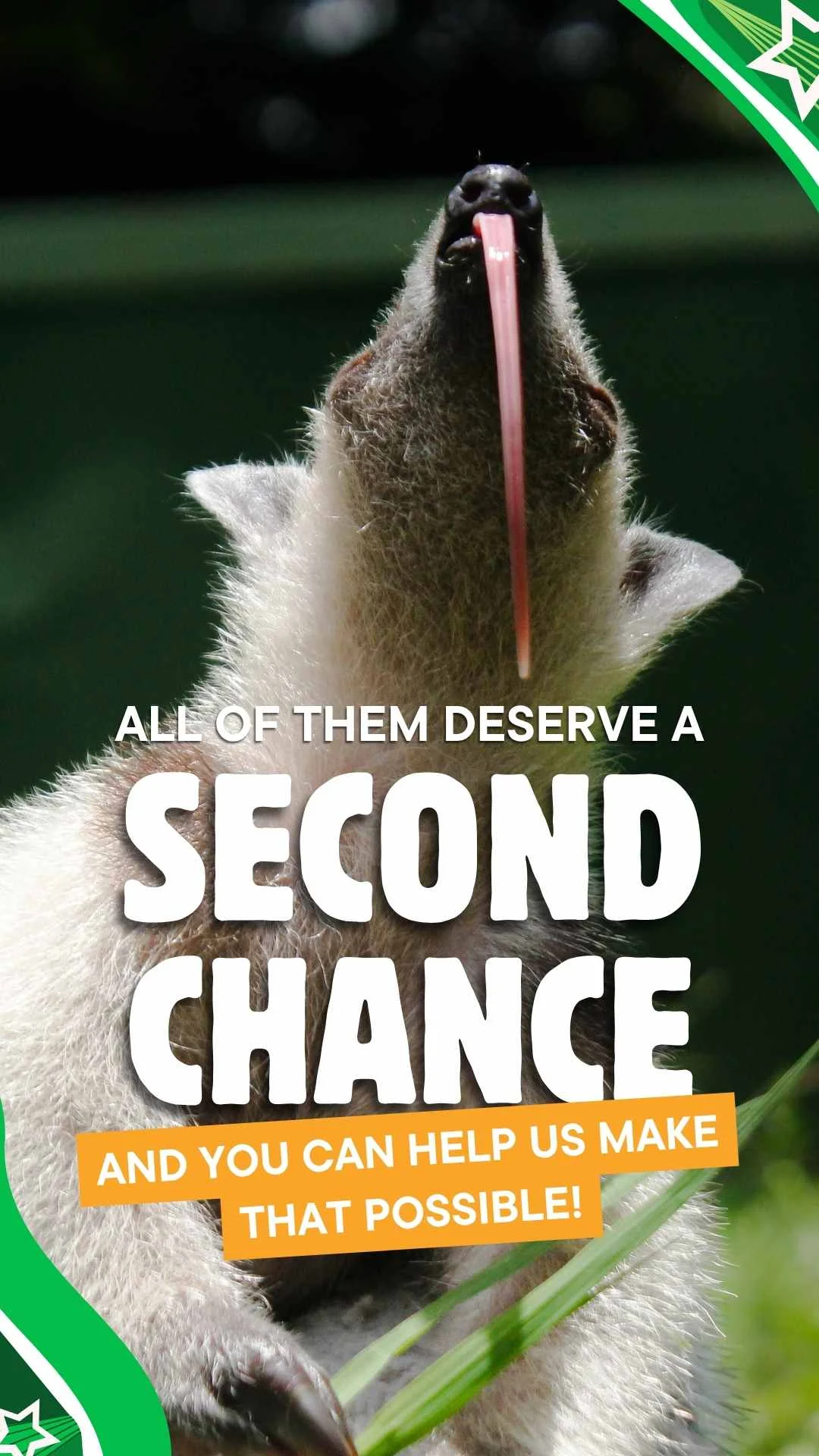
The Toucan Rescue Ranch, one of Costa Rica’s premier wildlife rescue and rehabilitation institutions, has launched an innovative fundraising and engagement initiative titled "Goals for Wildlife." This creative campaign seeks to bridge the gap between sports entertainment and hands-on environmental conservation. By merging the predictive excitement of football brackets with philanthropic support for rescued fauna, the initiative invites participants from across the globe to transform their match predictions into tangible resources for animal care, medical rehabilitation, and eventual reintroduction into the natural habitats of Central America.
Bridging Sports Enthusiasm and Conservation Realities
At its core, "Goals for Wildlife" operates on the premise that collective effort is just as essential in wildlife rehabilitation as it is on the football pitch. In a professional football match, success relies heavily on strategic coordination, specialized training, and unwavering teamwork among players, coaches, and staff. Similarly, the daily operations of a wildlife sanctuary require a tightly coordinated multidisciplinary approach. Veterinarians, animal nutritionists, behavioral specialists, volunteers, and international donors must work in seamless unison to diagnose injuries, nurse orphaned baby animals back to health, construct specialized enclosure environments, and conduct rigorous pre-release conditioning.
The Toucan Rescue Ranch has long stood at the forefront of these efforts in Costa Rica, handling hundreds of cases annually involving sloths, toucans, monkeys, owls, and various other indigenous species affected by habitat fragmentation, illegal wildlife trafficking, electrocutions, and vehicular collisions. However, the financial and logistical demands of running a top-tier rescue facility are relentless. Medical supplies, specialized milk formulas for orphaned neonates, pharmacological treatments, and adequate nutritional diversity represent substantial daily expenditures. By launching "Goals for Wildlife" during a major global tournament, the organization aims to tap into a broader, highly engaged international audience that may not typically contribute to environmental nonprofits, thereby expanding its donor base through gamified philanthropy.
Mechanics of the Challenge: How Participants Engage
The structure of "Goals for Wildlife" has been carefully designed to maximize user engagement while maintaining a transparent and competitive framework. Participation in the initiative follows a streamlined, multi-step process structured to keep supporters invested throughout the entirety of the football tournament.
The journey begins with an entry commitment. Prospective participants make a designated financial contribution through the campaign’s official fundraising platform hosted on Mightycause. This initial donation serves not only as the entry ticket to the predictive challenge but also as immediate, direct financial support for the sanctuary’s ongoing veterinary and rehabilitation programs.
Once registered, participants are randomly assigned to one of six distinct "wildlife teams," each representing a specific species or group of animals under the care of the Toucan Rescue Ranch. This team assignment fosters a sense of camaraderie and collective identity among participants, mirroring the tribal loyalty seen in traditional sports fandom. Throughout the tournament, participants are tasked with completing structured prediction forms for upcoming matches, forecasting group-stage outcomes, knockout progressions, and ultimate tournament winners.
Dual-Path Scoring: Balancing Predictions and Philanthropy
The competitive aspect of "Goals for Wildlife" departs from standard bracket challenges by incorporating a dual-path scoring system. While accurate match predictions are crucial for climbing the tournament leaderboard, philanthropic contributions carry equal, if not greater, weight in determining a team’s overall standing and success.
Points are accumulated through two distinct mechanisms:

- Match Predictions: Participants earn points based on the accuracy of their forecasted match outcomes. Correctly predicting winners, goal margins, or match upsets propels both the individual predictor and their assigned wildlife team upward on the public leaderboard.
- Direct Donations: Additional points—and far greater real-world impact—are secured through ongoing financial contributions made by team members and their supporters throughout the duration of the tournament.
This dual-scoring methodology ensures that engagement remains high even if an individual’s football predictions go awry. If a participant’s favored teams on the pitch are eliminated early in the tournament, their continued support through donations and accurate future match predictions can still drive their assigned wildlife team to victory.
Direct Impact on Resourced Wildlife
While the leaderboard competition and the thrill of the tournament provide immediate entertainment value, the ultimate objective of "Goals for Wildlife" remains deeply rooted in conservation outcomes. Every financial contribution channeled through the campaign goes directly toward the operational pillars of the Toucan Rescue Ranch.
Funds raised are allocated across several critical operational areas:
- Emergency Veterinary Care: Financing surgical interventions, diagnostic imaging, and pharmaceutical treatments for critically injured animals arriving at the facility.
- Specialized Nutrition: Procuring the specific dietary components necessary for diverse species, ranging from specialized milk replacers for infant mammals to fresh produce and live prey items for recovering avian and reptilian predators.
- Habitat Enrichment and Conditioning: Constructing and maintaining large, naturalistic pre-release enclosures designed to encourage natural behaviors, muscular development, and wariness of humans before animals are cleared for reintroduction.
Sanctuary leadership emphasizes that every correct prediction made during the tournament symbolizes a step forward for the animals, while every financial contribution shortens the timeline between rescue and freedom. The campaign reframes the passive act of watching sports into an active, participatory exercise in global environmental stewardship.
Incentives and Recognition: The Tournament Prizes
To heighten the competitive spirit, "Goals for Wildlife" features a structured prize system designed to reward the most successful predictors and top-performing fundraising teams. While organizers consistently highlight that the ultimate prize is the successful rehabilitation and release of Costa Rican wildlife, tangible rewards add an extra layer of excitement to the challenge.
The competition recognizes achievements across multiple tiers:
- First Place (Wildlife Champion): Awarded to the top-performing team and participant combination that successfully balances predictive accuracy with outstanding fundraising contributions. Specific rewards include exclusive sanctuary access opportunities, digital recognition packages, and specialized conservation merchandise.
- Second Place: Acknowledges the runner-up team with comprehensive digital perks and symbolic adoption packages representing the species under their care.
- Third Place: Celebrates the bronze-tier team for their sustained engagement and contribution to the collective conservation pool.
Despite the allure of the prizes, the overarching sentiment among participants and organizers alike is collaborative rather than purely competitive. The shared mission of safeguarding biodiversity unites participants across geographical boundaries, proving that global sports events can serve as powerful catalysts for local ecological preservation.
Broader Implications and Future Outlook
The launch of initiatives like "Goals for Wildlife" reflects a broader evolution in the nonprofit sector regarding donor engagement and campaign marketing. Traditional donation models, while essential, increasingly compete for attention in a saturated digital landscape. By integrating gamification, sports culture, and community-based challenges, organizations can attract younger, digitally native demographics who prefer interactive and community-driven philanthropic experiences.
Furthermore, campaigns of this nature highlight the interconnectedness of global entertainment and localized conservation challenges. As tropical ecosystems face mounting pressures from habitat loss, climate change, and illegal wildlife trade, creative fundraising models are vital for ensuring the financial resilience of rescue and rehabilitation centers.
As the tournament unfolds and the leaderboard shifts with every unexpected match result and subsequent donation, "Goals for Wildlife" demonstrates that passion for a game can transcend the stadium walls. By channeling the competitive energy of millions of sports fans into the protection of vulnerable species, the initiative offers a blueprint for how global cultural events can be harnessed to secure a safer, wilder future for the planet.
