
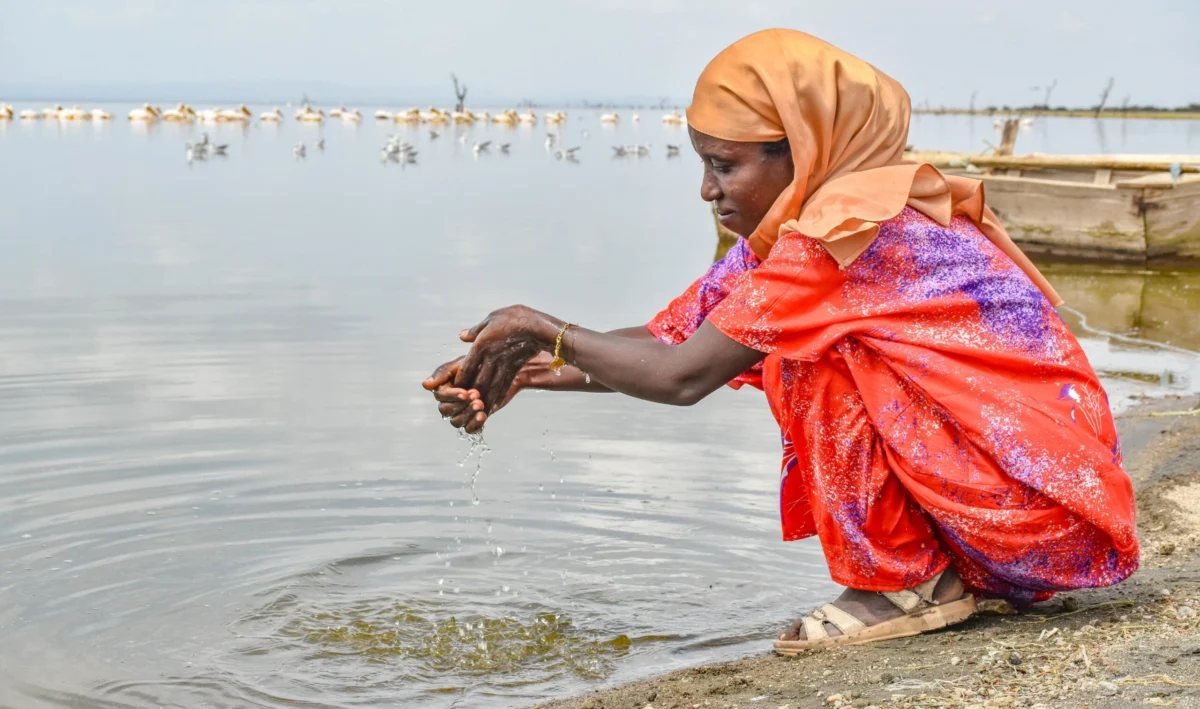
Addis Ababa, Ethiopia – June 22, 2026 – Wetlands International and Sher Ethiopia today unveiled a pivotal, three-year initiative aimed at revitalizing the ecological health of Lake Ziway and its surrounding landscapes. This ambitious project, christened "Ziway Lives and Landscapes," signifies a concerted effort to address the escalating environmental challenges threatening this crucial natural resource, which underpins the livelihoods of local communities, contributes significantly to the Ethiopian economy, and harbors rich biodiversity.
The initiative is generously supported by The Netherlands Embassy, underscoring a shared commitment to sustainable development and environmental stewardship in the region. The core objective of the Ziway Lives and Landscapes project is to confront and mitigate the most pressing threats facing the lake, including accelerated erosion and sedimentation, which are rapidly diminishing its water volume and ecological integrity. Through a multi-faceted approach that emphasizes improved water management, robust soil conservation practices, and dedicated wetland restoration efforts, the project seeks to reverse these detrimental trends.
This collaboration represents a powerful synergy, bringing together Wetlands International’s extensive global expertise and proven track record in the Ziway basin with the substantial technical prowess, agronomic knowledge, and resources of Sher Ethiopia, one of the area’s largest rose-growing companies. The partnership is designed to foster the co-creation and implementation of solutions that will yield measurable improvements on the ground and address the systemic drivers of environmental degradation.
Addressing Shared Risks and Fostering Collective Action
For businesses operating in the vicinity of Lake Ziway, the lake’s declining health constitutes a significant shared operational risk. Increasingly, customers and regulatory bodies are demanding credible, basin-wide actions to ensure environmental sustainability. The Ziway Lives and Landscapes initiative provides a practical and collaborative platform for these entities to unite, demonstrate tangible progress, and share valuable lessons learned.
A critical aspect of this initiative is its ambition to catalyze landscape-level action. By successfully demonstrating effective solutions within its initial scope, the project aims to attract and onboard additional partners. This expansion is crucial for replicating and scaling these restorative interventions across the entire Ziway basin, creating a ripple effect of positive environmental change.
Simeneh Shiferaw, Programme Coordinator for Wetlands International Ethiopia, articulated the vision behind this collaborative endeavor: "Reversing the degradation of Lake Ziway and its impacts on people and nature can only be tackled together – through a collaborative response that mobilizes everyone, including communities and companies. Our groundbreaking partnership with Sher Ethiopia is a pathway to a brighter future because it will not only showcase solutions but also inspire a broader collective effort, which will enhance the health of the landscape and drive sustainable development."
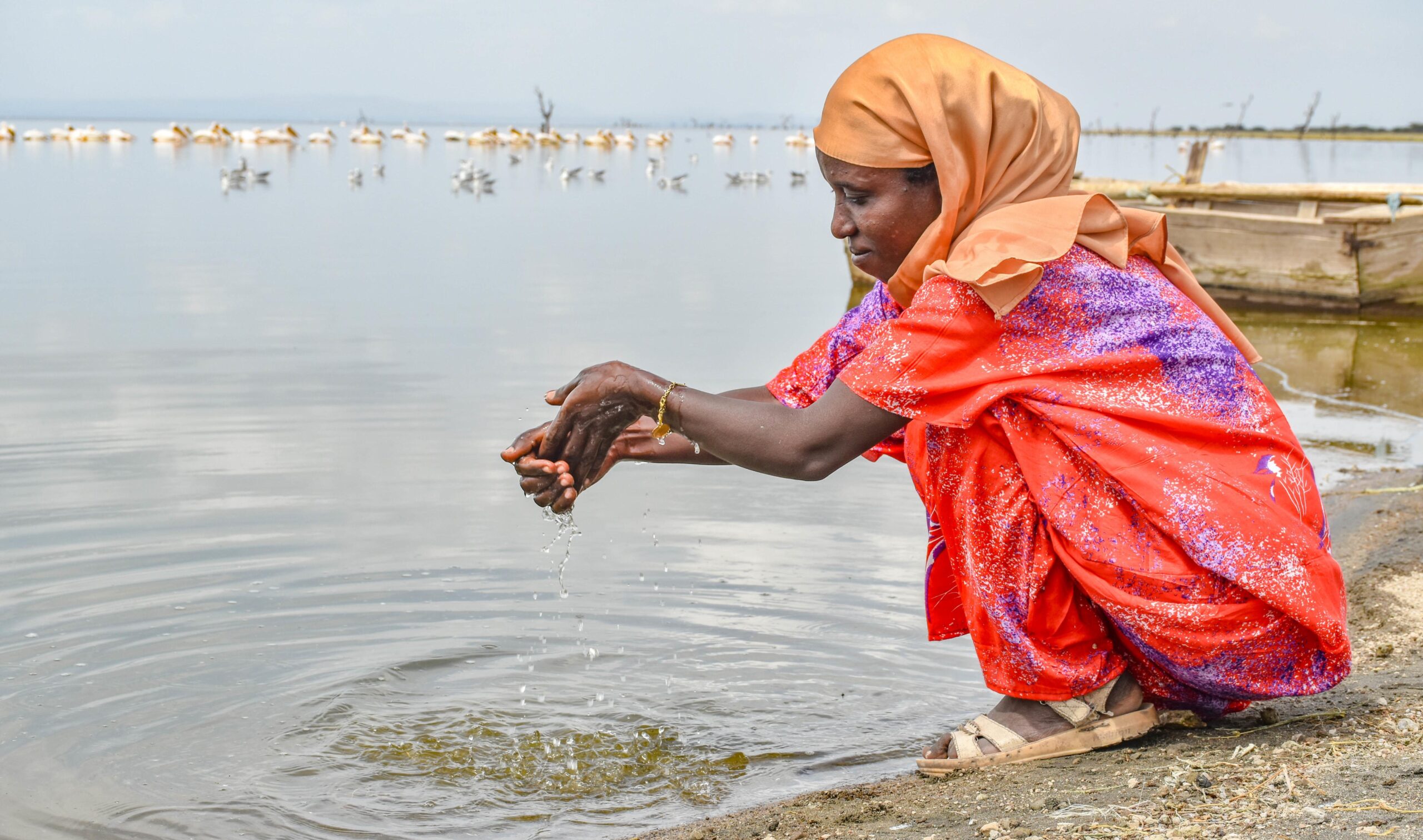
Pillars of Restoration: Water, Soil, and Wetlands
The Ziway Lives and Landscapes initiative is structured around three fundamental pillars, each designed to address critical aspects of the lake’s ecological balance:
- Sustainable Water Use: The project will actively engage with farmers to promote and implement improved agricultural practices that optimize water usage. This includes educating farmers on efficient irrigation techniques, water harvesting methods, and the adoption of drought-resistant crops, thereby reducing the strain on the lake’s water resources.
- Nature-Based Solutions for Watershed Rehabilitation: Significant investment will be directed towards nature-based solutions to restore the health of the watershed feeding into Lake Ziway. This involves activities such as reforestation, terracing on slopes, and the restoration of degraded wetlands. These interventions are vital for reducing soil erosion, preventing sediment from entering the lake, and improving overall water quality.
- Monitoring and Data-Driven Decision-Making: A robust system for monitoring water quantity and quality will be established. This continuous data collection will provide crucial insights into the lake’s condition, enabling more effective and informed decision-making for water resource management and conservation efforts.
A Commitment from the Private Sector
Lulit Tadele, Director of Sher Ethiopia, part of the Dutch flower company Afriflora, emphasized the company’s commitment to the project: "Ziway lake is critical for local communities, farmers, businesses, and biodiversity, and Sher Ethiopia is committed to playing our part in the collective effort to restore it and build resilience. This initiative will help underpin the health of the lake that underpins the future of our community, and opens the door to other companies to support the restoration of degraded landscapes and to help achieve national goals on climate, nature, and sustainable development."
The recognition of the lake’s importance extends beyond its ecological value. Lake Ziway is a vital hub for agriculture, fishing, and tourism, and its health directly impacts the economic prosperity of the surrounding regions. The horticultural sector, in particular, relies heavily on consistent water availability and quality.
A Scalable Model for Future Action
Recognizing that the challenges facing the Lake Ziway basin are system-wide – influenced by numerous pressures and actors across the landscape – the Ziway Lives and Landscapes project is deliberately designed as a scalable "proof-of-concept" and learning platform. The aim is to rigorously test what works in practice, generate credible and actionable lessons, and thereby accelerate broader collaboration and the widespread adoption of these successful solutions.
Alwin Quispel, Counsellor for Agriculture and Nature at the Embassy of the Kingdom of the Netherlands in Ethiopia, highlighted the innovative nature of the initiative: "There is no silver bullet for the challenges facing Lake Ziway. We believe the answer lies in unprecedented collective action that includes strong contributions from the private sector. This innovative initiative will kickstart a new era of cooperation and environmental restoration in the landscape, which will benefit communities and economies, reverse nature loss, and strengthen climate adaptation."

The initiative’s forward-thinking approach is grounded in the "4 Returns Framework," a methodology that prioritizes the restoration of natural, social, financial, and inspirational value within the landscape. This framework promotes an inclusive and collective approach, ensuring that restoration efforts yield holistic benefits for all stakeholders.
Call to Action: Expanding the Network of Stewards
Wetlands International and Sher Ethiopia are extending an open invitation to a wide array of stakeholders to join their efforts. "Join us," urged Simeneh Shiferaw. "If you’re a company, value chain actor, local institution, knowledge partner, donor, or community organization, you can contribute expertise, implementation capacity, data, convening power, or co-funding to help scale what works beyond the initial demonstration sites. Partners will help accelerate basin-level impact and shape a credible, shared pathway for long-term water stewardship and environmental health in Ziway."
This call to action underscores the understanding that sustainable water management and landscape restoration are not the sole responsibility of a few organizations. It requires a concerted, multi-stakeholder effort where each participant plays a vital role in safeguarding this invaluable natural asset for current and future generations.
Background and Context: The Ziway Basin’s Ecological Significance
The Ziway basin, located in the central Rift Valley of Ethiopia, is a critical component of the country’s water resources. Lake Ziway, the largest of the Rift Valley lakes, is a vital source of freshwater for domestic use, irrigation, and industry. It supports a diverse array of flora and fauna, including significant bird populations, making it an important site for biodiversity conservation. The lake and its surrounding wetlands play a crucial role in regulating water flow, filtering pollutants, and providing natural buffers against floods and droughts.
However, the basin has been subject to increasing environmental pressures over the past few decades. Rapid population growth, expansion of agricultural activities, deforestation in the upstream catchment areas, and inefficient water management practices have led to a significant decline in water levels, increased sedimentation, and a deterioration of water quality. These factors have negatively impacted the lake’s ecosystem, threatening its biodiversity and the livelihoods of the communities that depend on it.
The Abijatta-Shalla Lakes National Park, encompassing the adjacent Lakes Abijatta and Shalla, is a testament to the region’s ecological importance, though Lake Abijatta has experienced severe desiccation in recent years, highlighting the vulnerability of these interconnected water bodies.

Supporting Data and Trends
While specific data for the 2026 launch year will be continually updated, historical trends provide a stark picture of the challenges. Studies have indicated significant rates of soil erosion in the Ziway catchment, with estimates suggesting that millions of tons of sediment enter the lake annually. This sedimentation not only reduces the lake’s depth but also smothers aquatic habitats and degrades water quality, impacting fish populations and other aquatic life.
Water abstraction for irrigation, particularly for large-scale commercial agriculture, has also contributed to reduced water levels in the lake. Without effective water management strategies, the demand for water is likely to continue to outpace supply, exacerbating the crisis.
The economic implications of this degradation are substantial. The decline in fish stocks affects local fishing communities, while reduced water availability can hinder agricultural productivity and impact the viability of industries reliant on the lake. The ecological services provided by healthy wetlands, such as water purification and flood control, are also diminished, leading to increased vulnerability to natural disasters.
Broader Implications and Future Outlook
The Ziway Lives and Landscapes initiative represents a significant step towards a more sustainable future for the region. By fostering collaboration between international organizations, the private sector, and local communities, it sets a precedent for addressing complex environmental challenges through shared responsibility and innovative solutions.
The success of this project could serve as a model for other regions facing similar environmental pressures in Ethiopia and beyond. The emphasis on nature-based solutions, sustainable water management, and inclusive stakeholder engagement aligns with global efforts to achieve the Sustainable Development Goals, particularly those related to clean water and sanitation, climate action, and life on land.
The project’s commitment to transparency and knowledge sharing will be crucial in building trust and encouraging broader participation. By demonstrating tangible results and sharing lessons learned, the Ziway Lives and Landscapes initiative has the potential to inspire a new era of environmental stewardship and sustainable development in the Rift Valley and across Ethiopia. The long-term vision is not merely to restore Lake Ziway but to build resilient landscapes that can support thriving communities and a healthy environment for generations to come.
