

A pivotal gathering of mangrove conservationists, community leaders, youth advocates, technical experts, government officials, and non-governmental organizations recently convened in Kenya, marking the inception of the Kenya Mangrove Champions Initiative. Hosted collaboratively by Wetlands International and the Global Mangrove Alliance, this workshop signals a significant step towards bolstering mangrove restoration efforts by emphasizing science-based, locally driven approaches. As global commitments and investments in mangrove restoration surge, the initiative addresses the critical need to forge interconnected communities that can share knowledge and accelerate the adoption of effective, ground-up restoration strategies.
The workshop, held in late April 2026, brought together a diverse spectrum of stakeholders, from seasoned practitioners to emerging youth leaders, underscoring a shared commitment to the future of Kenya’s vital mangrove ecosystems. The urgency for such a coordinated effort is amplified by the escalating recognition of mangroves’ crucial role in climate change mitigation, coastal protection, and the sustenance of biodiversity and livelihoods.
Building a Collaborative Ecosystem for Mangrove Restoration
The core objective of the Mangrove Champions Initiative is to cultivate a robust network of practitioners capable of transitioning from fragmented, short-term restoration projects to more sustainable and community-centric endeavors. Participants repeatedly stressed that effective mangrove restoration cannot be a one-size-fits-all approach. Each mangrove landscape is ecologically, socially, economically, and culturally distinct, demanding tailored strategies that resonate with local realities.
"Restoration is intrinsically linked to livelihoods, cultural identity, and the established governance structures within communities," articulated one participant, a community elder from the Kenyan coast. "We cannot simply plant trees without understanding and respecting the existing social fabric and the aspirations of the people who depend on these ecosystems."
The initiative places a particular emphasis on recognizing and empowering local leaders – the designated "Mangrove Champions." These individuals are already at the forefront of driving change within their respective landscapes. Their invaluable lived experience, when integrated with scientific and technical expertise, is deemed essential for designing restoration approaches that are both efficacious and enduring. The challenge and opportunity lie in harmonizing these diverse dimensions to create lasting, impactful change.
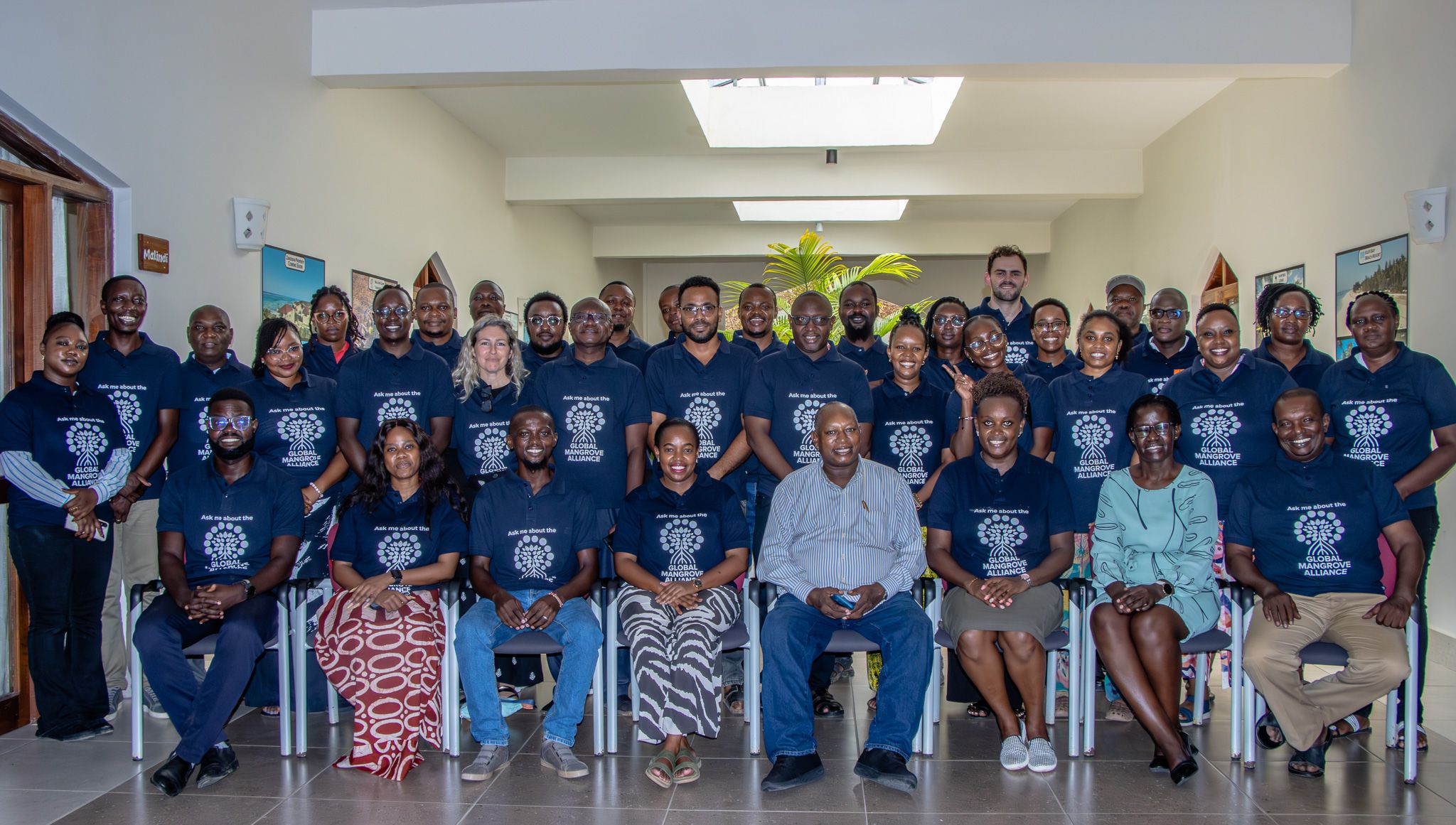
The Global Mangrove Alliance, with its established national chapters worldwide, including a presence in Kenya, plays a crucial role in facilitating effective mangrove conservation and restoration at the national level. Through the Mangrove Champions Initiative, these chapters are now actively bringing together a multitude of stakeholders, starting with Kenya, to foster a collaborative learning environment and disseminate best practices in mangrove restoration. This interconnected network of practitioners, spanning various sites, is dedicated to continuous learning, mutual collaboration, and action rooted in local contexts.
Elena Roddom of Wetlands International remarked on the workshop’s profound value: "This experience was incredibly enriching. All participants demonstrated immense commitment and a genuine eagerness to learn from one another. There was a palpable comfort in sharing local experiences and expertise. Consequently, established mangrove restoration experts, researchers, and government officials gained insights from young mangrove champions and community leaders who are pioneering experimental approaches in the field, and vice versa."
Groundbreaking Mangrove Restoration Expeditions
A cornerstone of the Mangrove Champions Initiative is the organization of locally tailored mangrove restoration expeditions. These immersive, field-based learning experiences are designed to bring theoretical knowledge directly into practice. The inaugural expedition is scheduled to take place in Kwale County, a region adjacent to Mombasa, in the coming weeks.
These expeditions will convene Mangrove Champions, technical experts, NGOs, and government implementing agencies, such as the Kenya Forest Service. The expeditions will focus on active restoration sites where members of the Global Mangrove Alliance Kenya are already engaged in mangrove restoration work. The "classroom in the field" approach aims to create highly participatory and immersive learning environments where participants feel empowered to discuss challenges, uncertainties, and lessons learned openly.
During these expeditions, participants will collaboratively analyze ecological conditions, evaluate various restoration methodologies, and dissect implementation challenges directly within the restoration landscapes. A significant focus will also be placed on exploring methods for respectful and effective engagement with local communities. This includes joint reflection on local realities, encompassing power dynamics, community priorities and traditional knowledge, prevailing governance contexts, and the critical importance of engaging stakeholders beyond immediate village leadership.
The expeditions are envisioned to strengthen both ongoing and future mangrove restoration projects across Kenya. Furthermore, they are designed to contribute to broader systemic changes that enhance the overall impact of mangrove restoration initiatives at scale. These expeditions transcend simple knowledge exchange; they aim to foster behavioral shifts within the restoration sector by elevating restoration quality, promoting collaborative learning, and encouraging decision-making informed by real-world field experiences.

The Genesis of a Global Movement
Throughout the workshop, participants consistently highlighted the imperative for continuous reflection and cross-learning, not only within Kenya but also between different projects and countries. Key questions emerged regarding the methodologies for gathering meaningful data in contexts where baseline information might be scarce, how insights gleaned from one expedition can inform another, and how storytelling can effectively contribute to a broader narrative of impact without sacrificing the nuances of local realities.
The workshop in Kenya serves as the inaugural step in a broader strategy to scale the Mangrove Champions Initiative to other countries and priority landscapes. The long-term vision is to cultivate a globally connected yet locally grounded community of practice. In this envisioned ecosystem, restoration knowledge will flow seamlessly across diverse landscapes, and the future of mangrove restoration will be shaped as profoundly by local experience and leadership as it is by scientific advancements and global ambitions.
The initiative’s strategic importance cannot be overstated. Mangrove ecosystems are estimated to store up to five times more carbon per hectare than tropical rainforests, making their conservation and restoration a critical component of global climate mitigation strategies. According to the World Wildlife Fund (WWF), mangroves provide vital coastal protection against storm surges and erosion, safeguarding communities and infrastructure. They also serve as nurseries for a vast array of marine life, supporting fisheries that are crucial for the livelihoods of millions worldwide.
The Global Mangrove Alliance reports that while mangrove deforestation continues at an alarming rate globally, there is a growing momentum towards restoration. However, many restoration projects struggle with long-term success due to a lack of community buy-in, inadequate scientific understanding, or insufficient integration with local socio-economic needs. The Mangrove Champions Initiative directly addresses these critical gaps by empowering local actors and fostering a culture of shared learning and adaptive management.
The emphasis on "Mangrove Champions" acknowledges the often-unsung heroes working on the ground. These individuals, deeply embedded within their communities, possess an intimate understanding of their local environment and the socio-cultural dynamics that influence conservation efforts. By equipping them with scientific knowledge, technical skills, and a supportive network, the initiative aims to amplify their impact and ensure that restoration efforts are both effective and sustainable.
Implications and Future Trajectory
The success of the Kenya Mangrove Champions Initiative is poised to have far-reaching implications. By demonstrating a model for locally led, science-informed restoration, it can inspire similar initiatives in other coastal nations facing similar environmental and socio-economic challenges. The collaborative framework established through this program has the potential to unlock significant new funding streams for mangrove conservation, as donors and international organizations increasingly prioritize projects with strong community engagement and demonstrable local ownership.
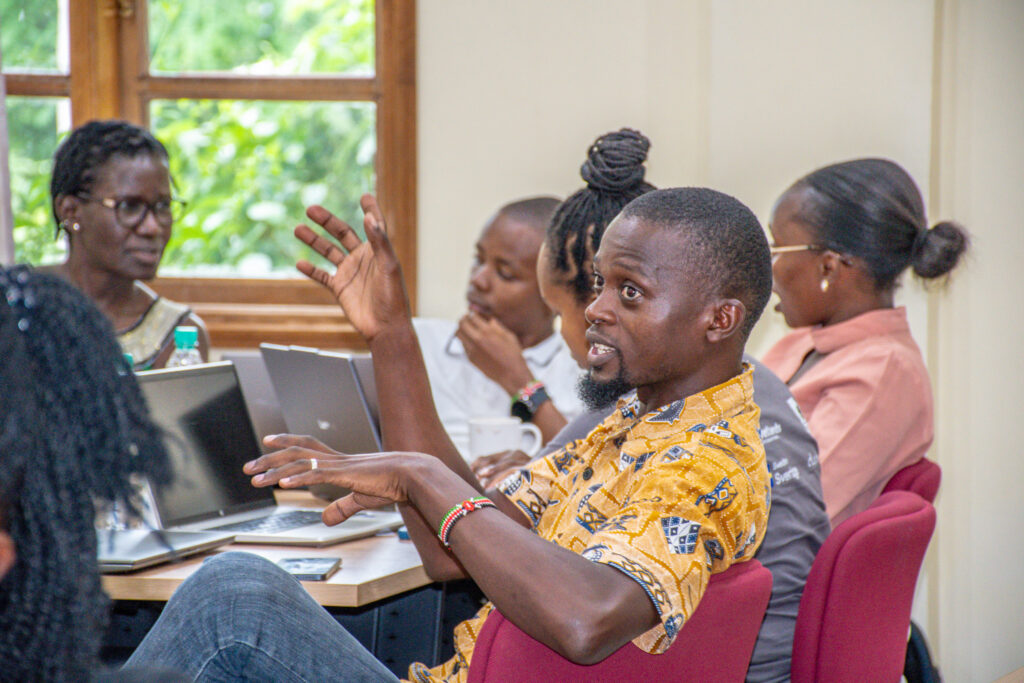
Moreover, the initiative’s focus on knowledge sharing and adaptive management contributes to building resilience in coastal communities. As climate change impacts intensify, the role of healthy mangrove ecosystems in buffering against extreme weather events and supporting sustainable livelihoods will become even more critical. The ability of these communities to learn from each other and adapt their restoration strategies based on real-world feedback is paramount to their long-term survival and prosperity.
The inclusion of youth mangrove champions is particularly significant, signaling a commitment to intergenerational knowledge transfer and fostering a new generation of environmental stewards. Empowering young people to take active roles in conservation ensures the long-term continuity of these vital efforts and taps into their innovative perspectives and energy.
The Global Mangrove Alliance and Wetlands International’s strategic partnership in launching this initiative underscores a growing recognition of the need for coordinated, multi-stakeholder approaches to complex environmental challenges. By leveraging their respective strengths – the Alliance’s global network and Wetlands International’s deep expertise in wetland ecosystems – they are creating a powerful platform for driving meaningful change in mangrove conservation and restoration. The ongoing expeditions and the continuous learning fostered within the network are expected to yield valuable data and best practices that will inform mangrove restoration efforts not only in Kenya but across the globe.
