
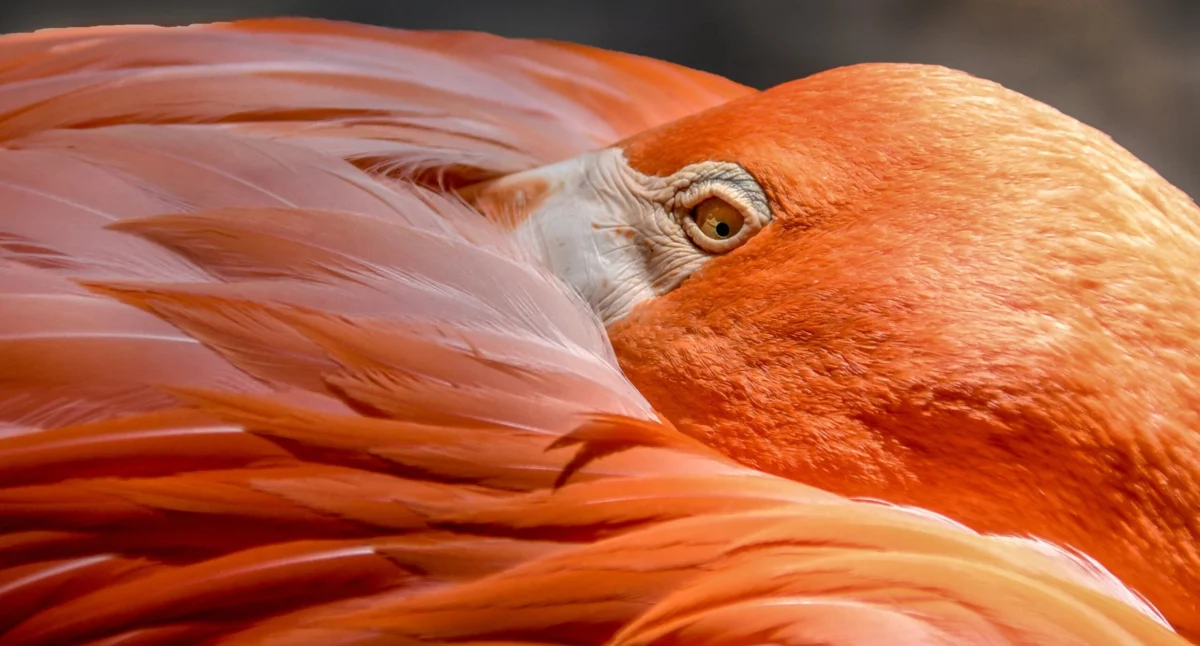
For decades, the American Flamingo (Phoenicopterus ruber) has served as the unofficial mascot of South Florida’s tropical identity. From the kitschy plastic lawn ornaments that once populated suburban landscapes to the branding of luxury hotels and sports franchises, the bird’s silhouette is synonymous with the region. However, for a significant portion of the 20th century, the presence of these birds in the wild was more myth than reality. Following a historic decision by the Miami-Dade County Commission, the American Flamingo has officially been elevated to the status of the county’s official bird, a designation that serves as both a cultural milestone and a scientific victory for the Everglades.
A History of Decline and Displacement
The story of the flamingo in Florida is one of tragic disappearance followed by a slow, calculated recovery. In the late 1800s and early 1900s, the American Flamingo was a common sight in the southern reaches of the state, particularly in the Florida Keys and the marshy expanses of the southern Everglades. During this era, however, the birds were decimated by the plume trade, which sought their feathers for high-fashion hats, and by the relentless destruction of their nesting habitats.
By the early 20th century, sightings of flamingos in the wild had become exceedingly rare. For decades, many scientists believed that any flamingos spotted in Florida were merely "escaped" captives from private collections or zoos. It was not until the modern era of ecosystem restoration that the narrative began to shift. Data collected by the Florida Fish and Wildlife Conservation Commission (FWC) and local environmental organizations suggest that the flamingos seen today are part of a naturally expanding population returning to their ancestral breeding and foraging grounds, aided by the improving water quality of the Everglades.
The Role of Everglades Restoration
The designation of the flamingo as the official county bird is inextricably linked to the Comprehensive Everglades Restoration Plan (CERP). Launched in 2000, CERP is widely considered the largest ecosystem restoration project in human history. The primary goal of the initiative is to "get the water right"—restoring the natural flow of water through the "River of Grass," which had been severely disrupted by drainage canals, flood control levees, and urban development.
When the water flow is restored, the resulting marsh conditions provide the ideal shallow-water habitat necessary for the American Flamingo to thrive. These birds require saline or brackish water with high concentrations of invertebrates and algae, which flourish in a healthy, functioning Everglades ecosystem. The recent sightings of these birds in Florida Bay and Biscayne Bay are viewed by ecologists as a primary biological indicator that the massive investments in wetland restoration are yielding tangible, measurable results.
Scientific Monitoring and Data Collection
The return of the flamingo is not merely a anecdotal success; it is backed by over a century of research. Audubon Florida’s Everglades Research Station has played a pivotal role in documenting this recovery. By maintaining one of the longest-running ecological datasets in North America, researchers have been able to correlate bird populations with specific water management practices.
Birds are often referred to as "nature’s report cards." Their presence or absence provides immediate feedback on the health of a habitat. When water levels are managed to mimic historical patterns, wading birds, including flamingos, roseate spoonbills, and wood storks, respond by increasing their foraging activity and, in some cases, nesting success. This dataset has been crucial for state and federal agencies in adjusting water release schedules from the Central and Southern Florida Flood Control Project to better align with the biological needs of the ecosystem.
Official Responses and Perspectives
The elevation of the flamingo to an official status has been met with broad support from environmental groups and public officials alike. Julie Wraithmell, Executive Director of Audubon Florida, emphasized that while the flamingo is a powerful symbol, it also represents a call to action.
"Asking us at Audubon Florida to choose our favorite species for state or county birds is too much like choosing amongst our children," Wraithmell noted. "What we do know is if people want to see more American Flamingos, they should advocate for wetlands conservation and Everglades restoration."
Local officials have echoed this sentiment, noting that the flamingo serves as a "bridge" species. Because the bird is so deeply ingrained in the popular consciousness of Miami-Dade residents, it makes the complex and often abstract concepts of hydrological restoration accessible to the general public. By protecting the flamingo, the county is effectively protecting the water supply for millions of Floridians, as the same wetlands that support the birds are responsible for filtering and storing the region’s drinking water.
Economic and Environmental Implications
The recovery of the flamingo is not just an environmental win; it is an economic asset. South Florida’s economy is heavily reliant on tourism, and the "nature-based" tourism sector is expanding rapidly. Birdwatching—or "birding"—is a multi-billion-dollar industry in the United States. The return of a charismatic megafauna like the flamingo to the public lands of Miami-Dade County provides a significant draw for eco-tourists, which in turn incentivizes further habitat protection.
Furthermore, the protection of the wetlands these birds inhabit provides essential infrastructure against climate change. Healthy mangroves and marshes act as natural buffers against storm surges and sea-level rise, providing a level of coastal protection that grey infrastructure, such as sea walls, cannot replicate. In this sense, the flamingo is a sentinel for a more resilient future.
Challenges Ahead
Despite the celebration, experts warn that the recovery is still in its infancy. The American Flamingo faces ongoing threats, including the encroachment of invasive species, the persistent impact of pollution from agricultural runoff, and the looming threat of rising sea levels.
The Everglades is still receiving only a fraction of the water it needs to be fully restored to its pre-drainage state. The success of the flamingo population depends on the completion of key projects, such as the EAA Reservoir and the various "bridges" that will allow water to flow freely under the Tamiami Trail. Without sustained funding and public pressure to complete these projects, the recent progress could be stalled or reversed.
A Symbol of Future Commitment
The decision to make the American Flamingo the official bird of Miami-Dade County is a declaration of intent. It signals that the region is no longer content to treat its natural heritage as a relic of the past, but rather as a vital component of its future.
As the county moves forward, the flamingo will continue to serve as a reminder of the delicate balance required to maintain a major metropolitan area adjacent to a globally significant wilderness. The bird is no longer just a lawn ornament or a postcard image; it is a living, breathing participant in the ongoing restoration of South Florida. The return of the flamingo suggests that, with the right scientific guidance and a sustained political commitment, nature is indeed capable of remarkable recovery.
The designation serves as a closing of a circle that began with the exploitation of the region’s natural beauty and is now transitioning toward a stewardship-based model. For the residents of Miami-Dade, the sight of these birds in the wild is a testament to the fact that the Everglades—and the species that call it home—are reclaiming their place in the landscape. The flamingo has always belonged to South Florida, and through the persistence of conservationists and the power of ecological restoration, South Florida is once again beginning to belong to the flamingo.
