
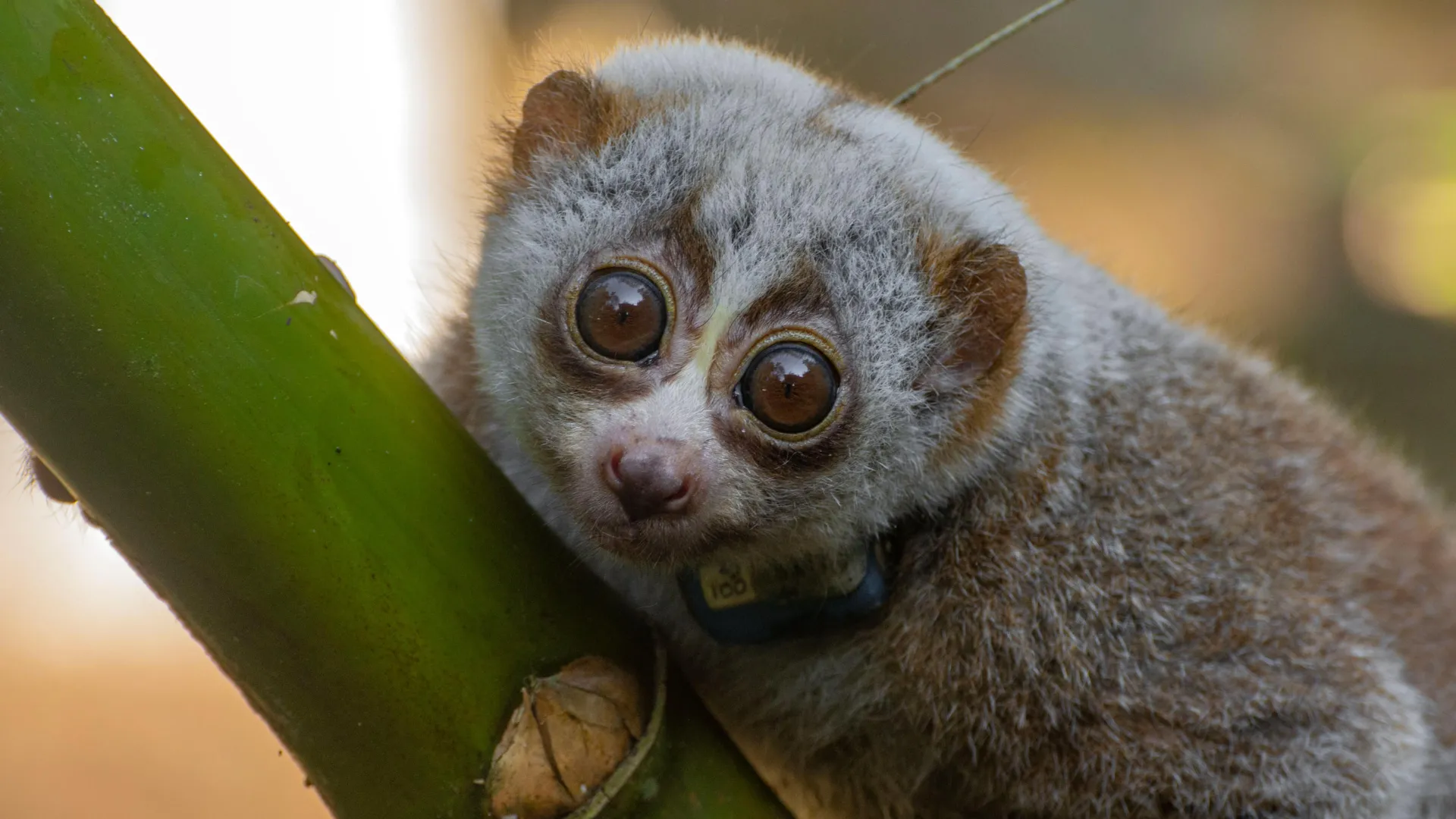
A groundbreaking scientific study has cast a critical light on the long-held assumption that returning rescued wildlife to their natural habitats is always a success story. The research, focusing on Bengal slow lorises released in Bangladesh, indicates that for some species, particularly those with strong territorial instincts, the wild can become a "death trap" for animals ill-prepared for its challenges after time in captivity. The findings, published in the esteemed journal Global Ecology and Conservation, highlight the urgent need for more rigorous scientific planning and monitoring in wildlife reintroduction initiatives globally.
The Genesis of a Critical Inquiry
The collaborative research effort was spearheaded by primatologist Professor Anna Nekaris OBE of Anglia Ruskin University, a renowned expert in slow loris biology and conservation, in conjunction with collaborators from the conservation group Plumploris e.V. and the University of Western Australia. Their investigation into the post-release fate of Bengal slow lorises ( Nycticebus bengalensis) in Bangladesh sought to bridge a significant knowledge gap concerning the efficacy of rescue and release programs for smaller, less-charismatic species.
Slow lorises, with their distinctive large eyes, gentle facial expressions, and nocturnal habits, have unfortunately become unwitting victims of their own charm. These features, coupled with a misguided perception of docility, have made them highly coveted in the illegal wildlife trade. As a result, they rank among the most heavily trafficked primates globally, driven by demand for exotic pets, components in traditional medicine, and tourist photo props. All eight recognized slow loris species are afforded protection under the Convention on International Trade in Endangered Species of Wild Fauna and Flora (CITES), with several listed on Appendix I, which prohibits international commercial trade. The International Union for Conservation of Nature (IUCN) classifies various slow loris species as Critically Endangered, Endangered, or Vulnerable, underscoring their precarious existence. Consequently, rescue operations that confiscate these animals from illegal trade networks are frequent, with subsequent release into natural habitats often undertaken as a primary conservation strategy aimed at bolstering dwindling wild populations.
A Sobering Reality: The Bangladesh Case Study
Despite the noble intentions underpinning these release efforts, the new research paints a stark and sobering picture of their outcomes. The study involved fitting nine Bengal slow lorises with specialized radio collars to meticulously track their movements and survival after their release into a national park located in northeastern Bangladesh. This particular park had been utilized for previous wildlife releases, suggesting it was considered a suitable environment.
The results, however, were alarming. A mere two of the nine animals managed to survive for an extended period after their return to the forest. A devastating three individuals perished within a mere 10 days of their release, signaling an immediate and acute vulnerability. Four additional lorises succumbed within six months, bringing the total fatalities to seven out of nine within a relatively short timeframe. Researchers were able to recover four of the seven deceased animals, and subsequent necropsies provided critical, unambiguous evidence regarding the cause of death: all recovered bodies displayed clear signs of having been killed by other slow lorises. This grim finding directly challenged the prevailing optimism surrounding reintroduction programs for this species.
The Venomous Truth: Territoriality and Lethal Encounters
The key to understanding these tragic outcomes lies in the inherent biology and behavior of slow lorises. Far from their often-perceived gentle demeanor, slow lorises are intensely territorial animals. They possess a unique and formidable defense mechanism: they are the only known venomous primates in the world. This venom is produced by a brachial gland on their upper arm, which, when licked, mixes with saliva to create a potent toxin. This venom is then delivered through specialized comb-like teeth, capable of inflicting a painful and often debilitating bite. The venom can cause swelling, necrosis, and even anaphylactic shock in humans, making it a powerful weapon in intraspecific conflicts.
The recovered slow loris carcasses bore unequivocal evidence of these deadly territorial encounters. Researchers observed obvious bite wounds on the head, face, and digits – common targets in close-quarters combat among primates. These wounds were consistent with lethal attacks by resident slow lorises defending their established territories against perceived intruders.
Beyond the immediate cause of death, the study uncovered crucial correlations influencing survival rates. Animals that had spent longer periods in captivity exhibited a significantly shorter survival duration post-release. This suggests that prolonged human care may diminish their natural survival instincts, territorial awareness, or ability to navigate complex social hierarchies in the wild. Furthermore, the released lorises displayed heightened movement patterns and appeared more alert than their wild counterparts typically do. This could indicate a state of perpetual stress, desperately searching for unoccupied territory or constantly evading established residents. The two surviving animals, notably, traveled across substantially larger areas than those that perished. This behavioral pattern strongly suggests that their survival was predicated on their ability to avoid direct confrontations by moving out of established territories and finding vacant niches, a strategy not successfully adopted by the majority.
A Broader Conservation Challenge: Beyond the Charismatic Megafauna
The study’s implications extend far beyond slow lorises. Large and highly charismatic animals, such as big cats, elephants, or great apes, frequently benefit from intensive monitoring regimes post-release. These programs often involve satellite tracking, dedicated field teams, and substantial financial investment, allowing researchers to gather detailed data on their adaptation and survival. In stark contrast, many smaller, less-charismatic species, despite being just as vulnerable to trafficking and habitat loss, receive little to no post-release tracking. This disparity means that the actual outcomes of countless reintroduction efforts for these species remain largely unknown, leading to a critical gap in conservation knowledge and potentially perpetuating ineffective or even harmful practices.
Rethinking Wildlife Rescue and Release: Towards Evidence-Based Conservation
The researchers involved in this study vehemently stress that successful wildlife releases are not arbitrary acts of good will but require meticulous planning, robust scientific assessment, and sustained commitment. Evaluating the ecological suitability of the release site is paramount, moving beyond mere logistical convenience to consider factors such as prey availability, predator presence, and, crucially, the existing density and social structure of resident populations of the target species. Equally important is a thorough assessment of each individual animal’s condition, including its health, behavioral repertoire, and psychological readiness for reintroduction.
Detailed habitat assessments, coupled with long-term monitoring using advanced techniques, are essential to truly understand post-release adaptation. Furthermore, species-specific rehabilitation guidelines, tailored to the unique behavioral and ecological needs of each animal, can significantly improve the chances of success. These guidelines should consider factors like duration of captivity, opportunities for skill development in a semi-wild environment, and gradual acclimatization protocols.
Professor Anna Nekaris OBE, the senior author and Professor of Ecology, Conservation and Environment at Anglia Ruskin University, as well as the head of the Little Fireface Project, articulated the core challenge: "It’s often assumed that returning confiscated or rescued animals to the wild is always a positive conservation story. Our research unequivocally shows that for highly territorial species like slow lorises, releasing them into areas that are already densely populated can, in fact, be a death trap. Many endangered species are released because there’s a strong public expectation for it, but for animals such as the Bengal slow loris, this is not always the most beneficial course of action. Without fully understanding the animal’s natural behavior, the impact of its time spent in captivity, and critically, the density of resident populations at the proposed release site, reintroductions may inadvertently do more harm than good, compromising both individual animal welfare and broader conservation goals."
Hassan Al-Razi, the lead author and team leader of Plumploris e.V. Bangladesh, underscored the regional implications of the findings: "Rescue and release programs have become an increasingly common practice across Bangladesh. Many wild animals, including slow lorises, are rescued from illegal trade or human-wildlife conflict situations and subsequently released back into what is perceived to be their natural habitat. However, in too many instances, these releases are conducted inappropriately. For forest-dwelling species, release sites are frequently selected based on logistical convenience – ease of access, proximity to rescue centers, or availability of land – rather than a rigorous assessment of ecological suitability. As a concerning consequence, certain forests have effectively become dumping grounds for rescued animals, losing their ecological appropriateness as genuine reintroduction sites. While our research specifically focused on the Bengal slow loris and clearly demonstrated the dire consequences of such practices, we have strong reason to believe that similar patterns of high mortality and ineffective reintroduction likely affect many other species caught in the same cycle."
Broader Implications and the Path Forward
The findings of this study resonate with a growing body of evidence highlighting the complexities of reintroduction biology. Conservation organizations like the Wildlife Conservation Society (WCS) and the International Rhino Foundation have long emphasized the need for comprehensive pre-release assessments and post-release monitoring for larger species, recognizing that successful reintroductions are multi-year, multi-faceted endeavors. The slow loris study adds a crucial dimension by underscoring the specific challenges for smaller, often overlooked species, particularly those with complex social behaviors or unique defense mechanisms like venom.
From a policy perspective, this research demands a critical review of existing wildlife release protocols, both nationally within countries like Bangladesh and internationally among conservation bodies. Governments and NGOs involved in rescue and rehabilitation must invest in greater scientific expertise, allocate resources for thorough habitat assessments, and implement robust, long-term monitoring programs for all reintroduced species, regardless of their size or perceived charisma. This would necessitate increased funding, specialized training for field staff, and a shift in public and political expectations towards evidence-based outcomes rather than merely the act of release itself.
Ethically, the study prompts a re-evaluation of the "do no harm" principle in conservation. If a release operation demonstrably leads to the death of a majority of the animals involved, the ethical imperative to intervene and protect individual welfare becomes paramount. This could mean exploring alternative long-term care solutions for animals deemed unsuitable for reintroduction, such as sanctuary programs that prioritize quality of life over an ill-fated return to the wild.
The chronology of wildlife conservation has seen an evolution from simple protection to sophisticated ecological restoration. Early efforts focused on direct intervention – rescuing animals. However, this study marks a critical juncture, demanding a more nuanced, scientific, and species-specific approach to reintroduction. It highlights that the success of a rescue operation cannot be measured solely by the act of release, but by the long-term survival and integration of the animal into a thriving wild population.
In conclusion, the challenging findings from the Bengal slow loris study serve as a powerful call to action for the global conservation community. It underscores that while the impulse to return rescued animals to their natural environment is commendable, the reality is far more complex. Moving forward, a paradigm shift is required: one that prioritizes rigorous scientific inquiry, meticulous planning, long-term monitoring, and species-specific protocols, ensuring that reintroduction efforts truly contribute to conservation success and do not inadvertently transform a hopeful return into a tragic "death trap." The fate of countless endangered species, including the enchanting slow loris, depends on our collective ability to learn from these critical lessons and adapt our conservation strategies accordingly.
