
March 3rd marks the annual observance of World Wildlife Day, a global platform dedicated to raising awareness and fostering action for the planet’s diverse flora and fauna. This year’s theme, "Partnerships for Wildlife Conservation," underscores a critical understanding in the modern conservation landscape: that the most effective strategies are born from collaboration, innovation, and shared commitment. From local sanctuaries to international organizations, the success of protecting endangered species hinges on forging strong alliances and engaging diverse stakeholders in the urgent mission of safeguarding our natural heritage.
The Crucial Role of Ambassador Animals: A Case Study of River the Fishing Cat
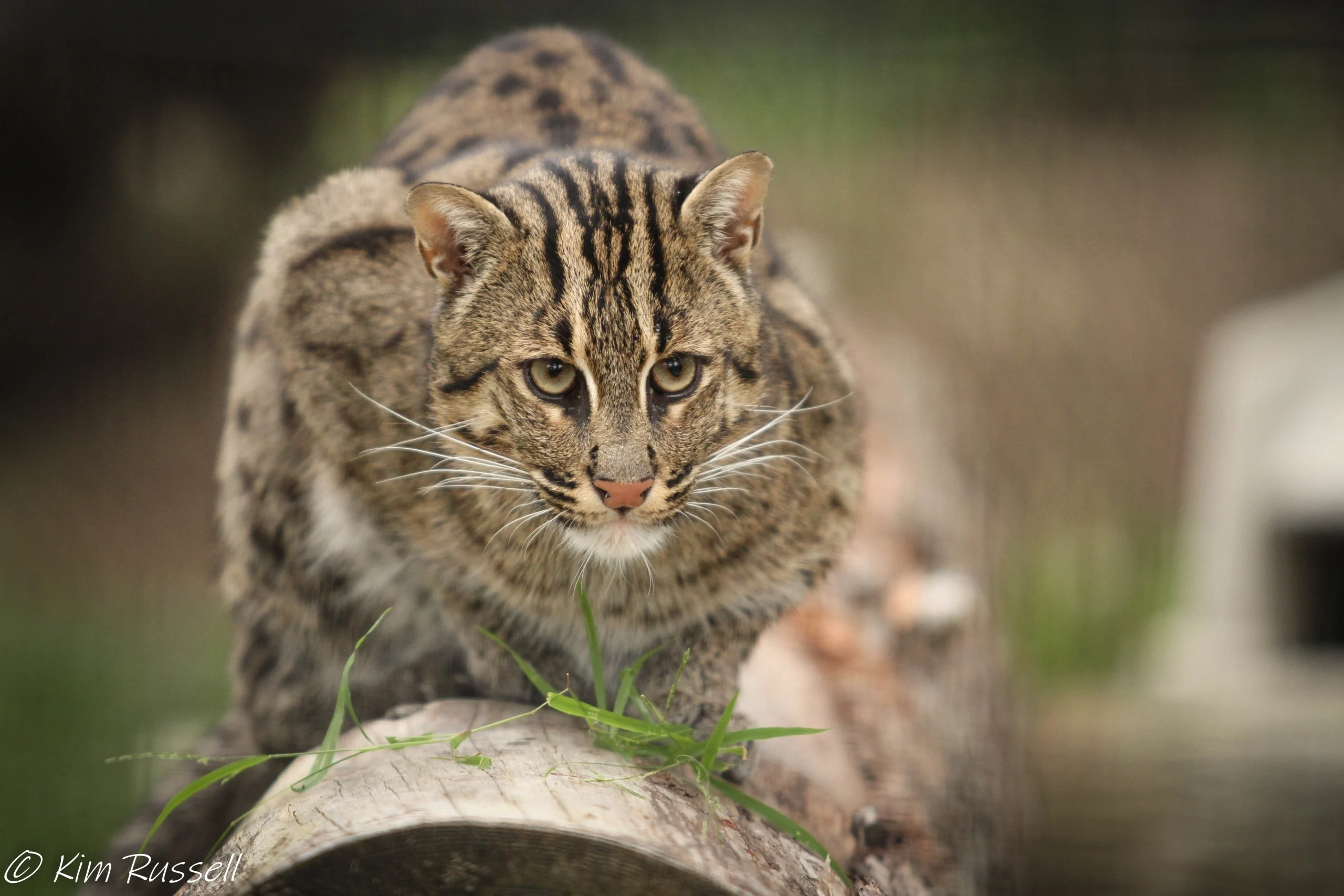
At the heart of this year’s World Wildlife Day theme lies the profound impact of ambassador animals, individuals that transcend their species’ plight to become powerful symbols of conservation. River, a charismatic six-year-old fishing cat residing at the Hawk Creek Wildlife Center, embodies this vital role. Her presence and interactions with the public serve as a crucial bridge, illuminating the existence and challenges faced by fishing cats, a species often overlooked in the broader conservation discourse.
Fishing cats, scientifically known as Prionailurus viverrinus, are a testament to the hidden wonders of the natural world. These medium-sized felines are uniquely adapted to a semi-aquatic lifestyle, thriving in wetland habitats across South and Southeast Asia. Their scientific name itself, derived from the Latin "viverra" meaning "to hunt," hints at their specialized predatory skills, particularly their prowess in catching fish. Despite their fascinating adaptations and ecological importance, fishing cats are categorized as vulnerable on the International Union for Conservation of Nature (IUCN) Red List. This designation signifies a high risk of extinction in the wild, a stark reality driven by a confluence of human-induced pressures.
The IUCN Red List, established in 1964, serves as the world’s most comprehensive inventory of the conservation status of biological species. The "vulnerable" classification for fishing cats means that while not critically endangered, their populations are facing significant decline, and without concerted conservation efforts, they are highly likely to become endangered in the future. Data from the IUCN indicates a substantial decrease in fishing cat populations over the past few decades, though precise figures are challenging to ascertain due to their elusive nature and the remote, often inaccessible habitats they occupy. Estimates suggest that their numbers could have declined by as much as 30% in the last 10 to 15 years.
The Power of Education and Engagement: River’s Impact
River’s role as an ambassador animal is therefore indispensable. For countless visitors to Hawk Creek Wildlife Center, River represents their first and often only encounter with a fishing cat. This direct connection fosters empathy and ignites a passion for conservation that can extend far beyond the sanctuary walls. By observing River, learning about her natural behaviors, and understanding the threats she and her wild counterparts face, individuals are empowered to become advocates for their protection. This educational outreach is not merely about raising awareness; it is about cultivating a generation of informed citizens who understand the interconnectedness of ecosystems and the vital need to preserve biodiversity.
The impact of ambassador programs like River’s is multifaceted. They provide essential funding for the centers that care for them, directly contributing to the operational costs of housing, feeding, and providing veterinary care. More importantly, they serve as potent educational tools, humanizing wildlife and making abstract conservation issues relatable and personal. This emotional connection is often the catalyst for tangible action, such as donations, volunteerism, and advocacy.
Fostering Partnerships: The Fishing Cat Conservancy and Hawk Creek
The symbiotic relationship between institutions like Hawk Creek Wildlife Center and specialized organizations such as the Fishing Cat Conservancy is a prime example of the "Partnerships for Wildlife Conservation" theme in action. The founder of the Fishing Cat Conservancy’s visit to Hawk Creek to observe River is a testament to the value of such collaborations. This visit was not merely a courtesy; it was a strategic opportunity to gather crucial scientific data.
Fishing cats are notoriously difficult to study in their natural environments. Their shy disposition, nocturnal habits, and preference for dense wetland vegetation make direct observation and tracking exceptionally challenging. Researchers often rely on camera traps, scat analysis, and indirect evidence to piece together information about their populations, behavior, and ecological needs. However, by studying ambassador cats like River in a controlled environment, scientists gain invaluable insights.
During his visit, the founder was able to meticulously observe River’s movements and her remarkable fishing techniques. This hands-on research allows for a detailed understanding of how fishing cats utilize their specialized paws, which are semi-webbed, to effectively capture prey from the water. Such detailed behavioral studies are critical for informing conservation strategies. For instance, understanding their preferred hunting grounds and dietary habits can help in identifying and protecting key habitats in the wild. This data can then be used to develop targeted conservation programs, such as habitat restoration initiatives and the establishment of protected areas that mimic the ecological conditions necessary for their survival.
The Fishing Cat Conservancy: A Model of Collaborative Conservation
The Fishing Cat Conservancy operates on a model that embodies the spirit of this year’s World Wildlife Day. Their mission extends beyond mere research to encompass a comprehensive approach to conservation that relies heavily on partnerships. They are actively engaged in:
- Creating Nature Preserves: Identifying and securing critical wetland habitats that serve as vital strongholds for fishing cat populations. This often involves land acquisition or working with local governments to establish protected areas.
- Forming Partnerships with Landowners: Recognizing that fishing cats often inhabit areas that are privately owned or adjacent to human settlements, the Conservancy engages with landowners to promote conservation-friendly practices. This can include providing guidance on sustainable land management, reducing pollution, and minimizing human-wildlife conflict.
- Inspiring Change: Through education, outreach, and advocacy, the Conservancy aims to foster a greater understanding and appreciation for fishing cats and their ecosystems among local communities, policymakers, and the broader public.
The Conservancy’s website, fishcat.org, serves as a hub for information and a call to action, providing resources for those who wish to learn more or contribute to their efforts. This online presence is crucial for disseminating knowledge and mobilizing support on a global scale.
Broader Implications of Partnerships in Wildlife Conservation
The success of initiatives involving ambassador animals like River and organizations like the Fishing Cat Conservancy highlights a fundamental truth about modern conservation: no single entity can effectively tackle the complex challenges of biodiversity loss alone. The theme "Partnerships for Wildlife Conservation" resonates deeply because it acknowledges the interconnectedness of our planet and the necessity of collective action.
The implications of such partnerships are far-reaching. They enable:
- Resource Pooling: Combining financial, human, and technical resources from various organizations and individuals amplifies the impact of conservation efforts.
- Knowledge Sharing: Different groups bring unique expertise and perspectives, leading to more innovative and effective solutions. For example, local knowledge from communities living alongside fishing cats can be invaluable when combined with the scientific expertise of researchers.
- Policy Influence: United voices are more powerful in advocating for policy changes that protect wildlife and their habitats.
- Global Reach: International collaborations allow for the sharing of best practices and the implementation of conservation strategies across national borders, which is essential for migratory species and those with wide geographical ranges.
- Increased Public Engagement: Partnerships can mobilize broader public support, fostering a sense of shared responsibility for conservation.
A Timeline of Conservation Efforts and the Rise of Ambassador Programs
While World Wildlife Day is an annual observance, the efforts to conserve species like the fishing cat are part of a long-standing global movement. The establishment of the IUCN Red List in the mid-20th century marked a significant step in systematically assessing the conservation status of species. Since then, numerous international agreements, such as the Convention on International Trade in Endangered Species of Wild Fauna and Flora (CITES), have been put in place to regulate the trade of endangered species and protect their habitats.
The concept of using ambassador animals in zoological institutions and wildlife centers gained prominence in the latter half of the 20th century. Initially focused on public display and education, these programs have evolved to become sophisticated tools for conservation advocacy and fundraising. The 21st century has seen a further refinement of these roles, with an increased emphasis on the ethical treatment of ambassador animals and a direct link between their presence and tangible conservation outcomes.
The Fishing Cat Conservancy, like many other specialized conservation groups, likely emerged in response to a growing recognition of the specific threats faced by particular species. The development of their work with landowners and the creation of nature preserves are strategic responses to the habitat fragmentation and degradation that plague many of the fishing cat’s natural environments.
Supporting Conservation: A Call to Action
On World Wildlife Day, and indeed throughout the year, supporting conservation efforts is paramount. Donations to organizations like Hawk Creek Wildlife Center and the Fishing Cat Conservancy directly contribute to the critical work of caring for ambassador animals, conducting vital research, and implementing on-the-ground conservation projects. These contributions are not just financial; they represent a tangible investment in the future of our planet’s biodiversity.
The photograph accompanying this report, credited to Kim Russell, likely captures a moment of connection between an observer and River, symbolizing the very essence of what ambassador animals offer: a visual reminder of the wild creatures we share our planet with and the urgent need to protect them.
The future of species like the fishing cat hinges on our collective ability to forge and strengthen partnerships. By understanding the challenges, supporting dedicated organizations, and recognizing the power of education and collaboration, we can ensure that these remarkable creatures continue to thrive in the wild for generations to come. World Wildlife Day serves as an annual reminder of this shared responsibility and an opportunity to recommit to the vital work of wildlife conservation.
