
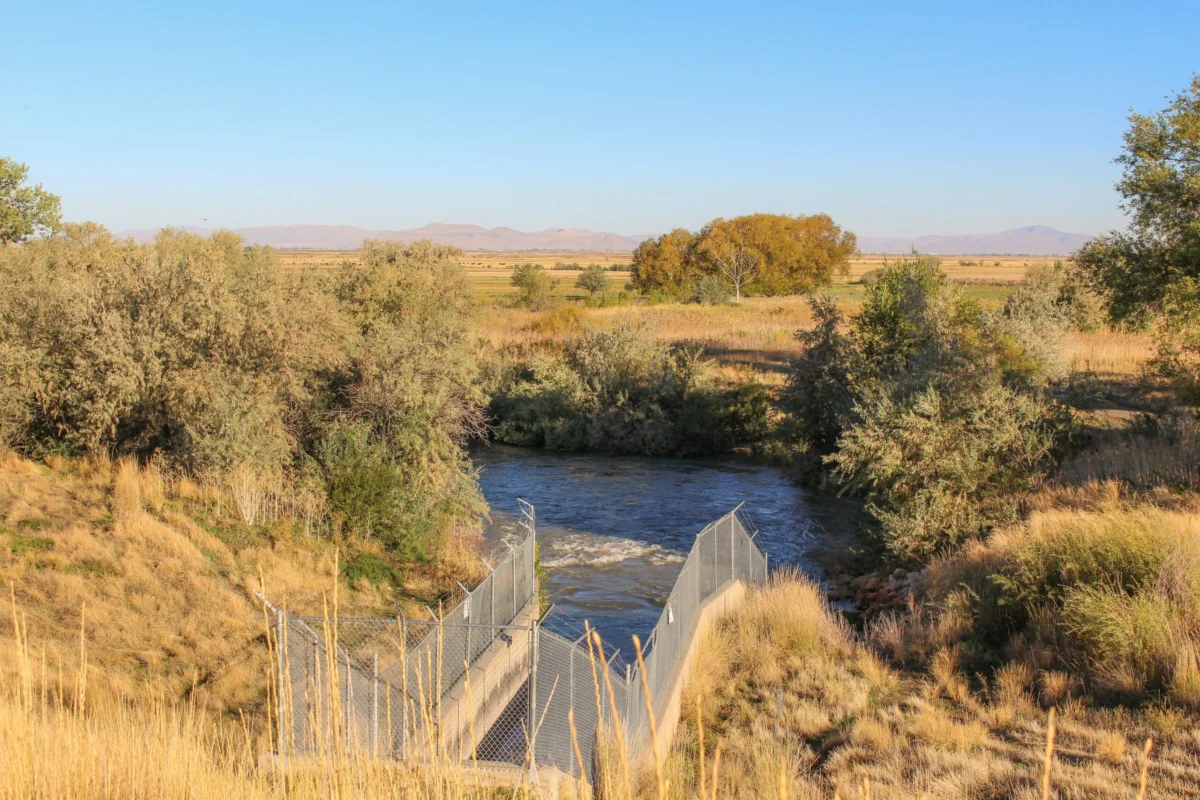
Despite facing one of the most challenging hydrological years in recent memory, marked by Utah’s lowest recorded snowpack and unrelenting summer temperatures, the Great Salt Lake has managed to avoid a repeat of the catastrophic historic low levels observed in 2022. This outcome is not the result of environmental luck, but rather the culmination of years of deliberate, flexible water-sharing agreements and a regional commitment to conservation that is fundamentally changing how the Great Salt Lake Basin manages its most precious resource.
The Great Salt Lake Watershed Enhancement Trust (the Trust), co-managed by the National Audubon Society and The Nature Conservancy, has emerged as the central architect of this strategy. By building a robust, voluntary leasing program, the Trust has successfully demonstrated that even in a climate characterized by increasing volatility and "record-breaking" heat, institutional flexibility can keep life-sustaining water flowing toward the lake.
A Chronology of Crisis and Response
To understand the significance of current efforts, one must look at the timeline of the lake’s recent decline. In 2022, the Great Salt Lake reached its lowest elevation in recorded history, a milestone that triggered widespread alarm regarding the ecological and economic consequences for the surrounding region, including the potential for toxic dust storms and the collapse of vital migratory bird habitats.
Following the 2022 crisis, state leadership and conservation organizations pivoted toward a model of active management. In 2023, high snowpack provided a temporary reprieve, but the subsequent 2024–2026 period reintroduced the harsh realities of aridity. Throughout these years, the Trust focused on shifting from emergency response to a systematic, permanent framework of water delivery. By 2025, the Trust had finalized several key water leases, creating a "water bank" of sorts that allowed for the strategic release of water during the driest months of the summer. As of late 2026, despite a lack of moisture in the system, the Trust is on track to match its 2025 transaction volumes, proving that the infrastructure for conservation is now durable enough to withstand low-water years.
The Mechanism of Flexibility: Strategic Water Leasing
The success of the Trust lies in its rejection of rigid, one-size-fits-all contracts. Traditional water rights in the Western United States are often tied to specific historical usage patterns that are difficult to alter. The Trust’s approach, however, emphasizes variable leasing—agreements where the volume of water delivered can fluctuate based on annual availability or specific seasonal needs.
A prime example of this innovation is the partnership with the Metropolitan Water District of Salt Lake & Sandy. This agreement secures an annual average of 2,500 acre-feet of water for the lake over a ten-year period. This water is not coming from a surplus that no one wanted; it is the direct result of municipal conservation efforts. By incentivizing residents and businesses in Salt Lake City and Sandy to reduce their daily consumption, the District creates a "saved" volume of water that can be legally redirected to the lake. This creates a tangible link between the individual water-saving habits of an urban resident and the ecological health of the terminal basin.
Supporting Data and Environmental Impact
The technical success of these efforts is measured in acre-feet and elevation markers. While the state of the lake remains precarious, the influx of leased water has provided essential base flows into the Farmington and Gilbert Bays. These areas are critical for the survival of brine shrimp and brine flies—the primary food sources for millions of migratory birds that rely on the Great Salt Lake as a stopover.
According to data tracked by the U.S. Geological Survey (USGS) and local basin managers, the water delivered through the Trust’s partnerships often reaches the system at times when natural flows have dwindled to near zero. This "late-season" delivery is particularly vital. By ensuring that water enters the lake in late summer, the Trust helps mitigate the spike in salinity that occurs as temperatures rise and evaporation accelerates. Maintaining a lower salinity level is the difference between a viable ecosystem and a biological desert.
Stakeholder Collaboration and Regional Networks
The complexity of the Great Salt Lake watershed requires a multi-jurisdictional approach. The Trust serves as a facilitator between state agencies and private entities, bridging the gap between regulatory requirements and physical water delivery.
Key partners in this effort include:
- The Great Salt Lake Commissioner’s Office: Providing the regulatory oversight necessary to ensure that water stays in the lake once it is released.
- Utah Division of Forestry, Fire and State Lands: Managing the lakebed and water rights associated with sovereign lands.
- Jordan Valley Water Conservancy District, Rio Tinto Kennecott, and The Church of Jesus Christ of Latter-day Saints: These entities provide the foundational infrastructure and volume necessary to sustain the Jordan River system’s input into the lake.
- Weber Basin Water Conservancy District and Huntsville Abbey Farm: Newer partners who are expanding the reach of the Trust into the Weber and Bear River systems, targeting vital habitats in the Ogden Bay and Willard Spur.
The involvement of these diverse partners signals a shift in the regional consensus: the health of the Great Salt Lake is no longer viewed as an isolated environmental issue, but as a fundamental component of the region’s economic and public health stability.
Implications for Future Water Policy
The current strategy offers a blueprint for other Western basins facing similar pressures. The implications of this model are three-fold:
- Scalability of Conservation: The Salt Lake and Sandy partnership proves that municipal water conservation can be monetized and directed toward environmental restoration. This provides a clear economic incentive for cities to invest in water-wise infrastructure, such as xeriscaping and leak detection.
- Resilience Through Diversification: By diversifying its water sources—pulling from the Jordan, Weber, and Bear rivers—the Trust ensures that a localized drought in one part of the watershed does not entirely halt deliveries to the lake.
- The Necessity of Agility: The "era of record-breaking climate events" demands that conservation organizations act more like financial managers than traditional NGOs. The ability to pivot delivery times and volumes based on real-time climate data is now a non-negotiable requirement for environmental management.
Looking Toward the Future
While the current season has seen successful mitigation, stakeholders emphasize that there is no room for complacency. The reliance on voluntary leases and conservation is a critical bridge, but long-term sustainability will require a more comprehensive structural overhaul of how water is allocated across the state.
Audubon and The Nature Conservancy have signaled that their primary goal for the coming years is to scale this voluntary leasing program further. They aim to engage a broader spectrum of agricultural and industrial water right holders, creating a marketplace where water can be moved toward the most beneficial uses during times of extreme stress.
As the region looks toward the upcoming winter, the focus remains on the accumulation of snowpack. However, the systems now in place—built on a foundation of flexibility, partnership, and innovation—provide a degree of insurance that was entirely absent just four years ago. The goal remains clear: to ensure that the Great Salt Lake continues to function as a vital ecological asset for generations to come, regardless of the climate challenges that lie ahead. The collaborative spirit shown by the Trust and its partners proves that even in the face of daunting environmental shifts, coordinated action can move the needle—and the water—in the right direction.
