
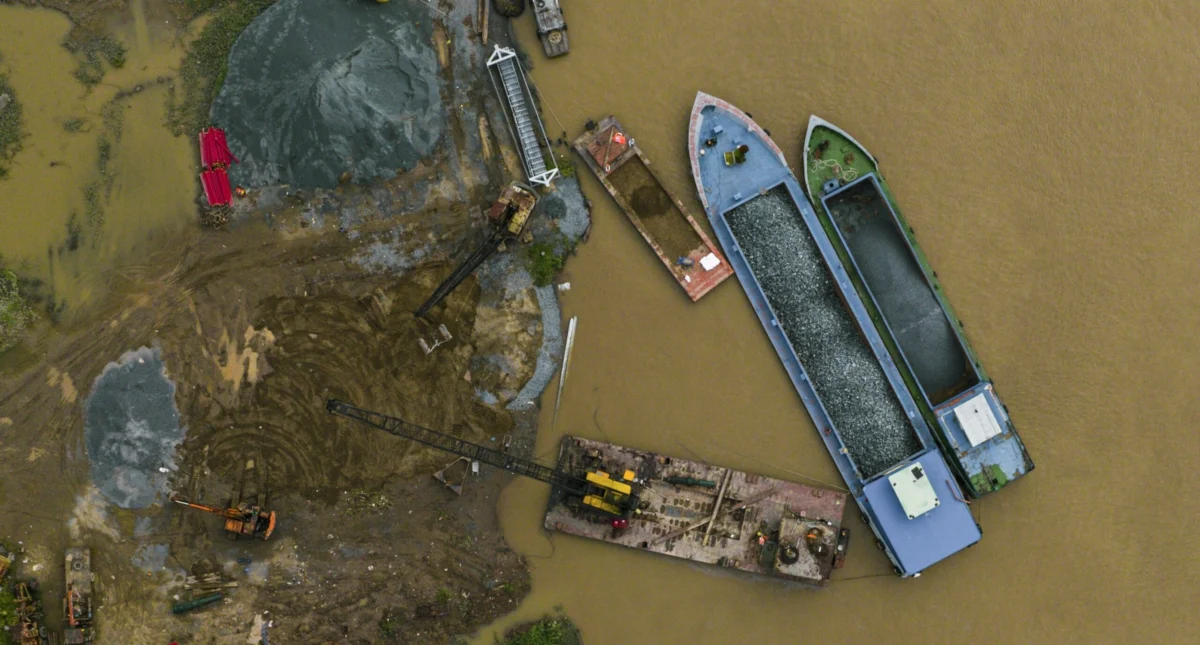
The insatiable global appetite for sand, fueled by relentless population growth, rapid economic expansion, and widespread urbanization, is now critically outpacing its sustainable supply. This alarming trend poses significant threats to fundamental pillars of human well-being and planetary health, including water and food security, the capacity for climate resilience, the preservation of biodiversity, and the very trajectory of global development. These stark warnings are meticulously detailed in a comprehensive new report from the United Nations Environment Programme (UNEP), titled "Sand and Sustainability: An Essential Resource for Nature and Development." The report urgently calls upon governments and industries worldwide to acknowledge the profound and multifaceted value of sand, not only as a cornerstone of modern societies and economies but also as an indispensable element for nature and climate resilience. It advocates for the full integration of these diverse values into the governance and management of sand resources.
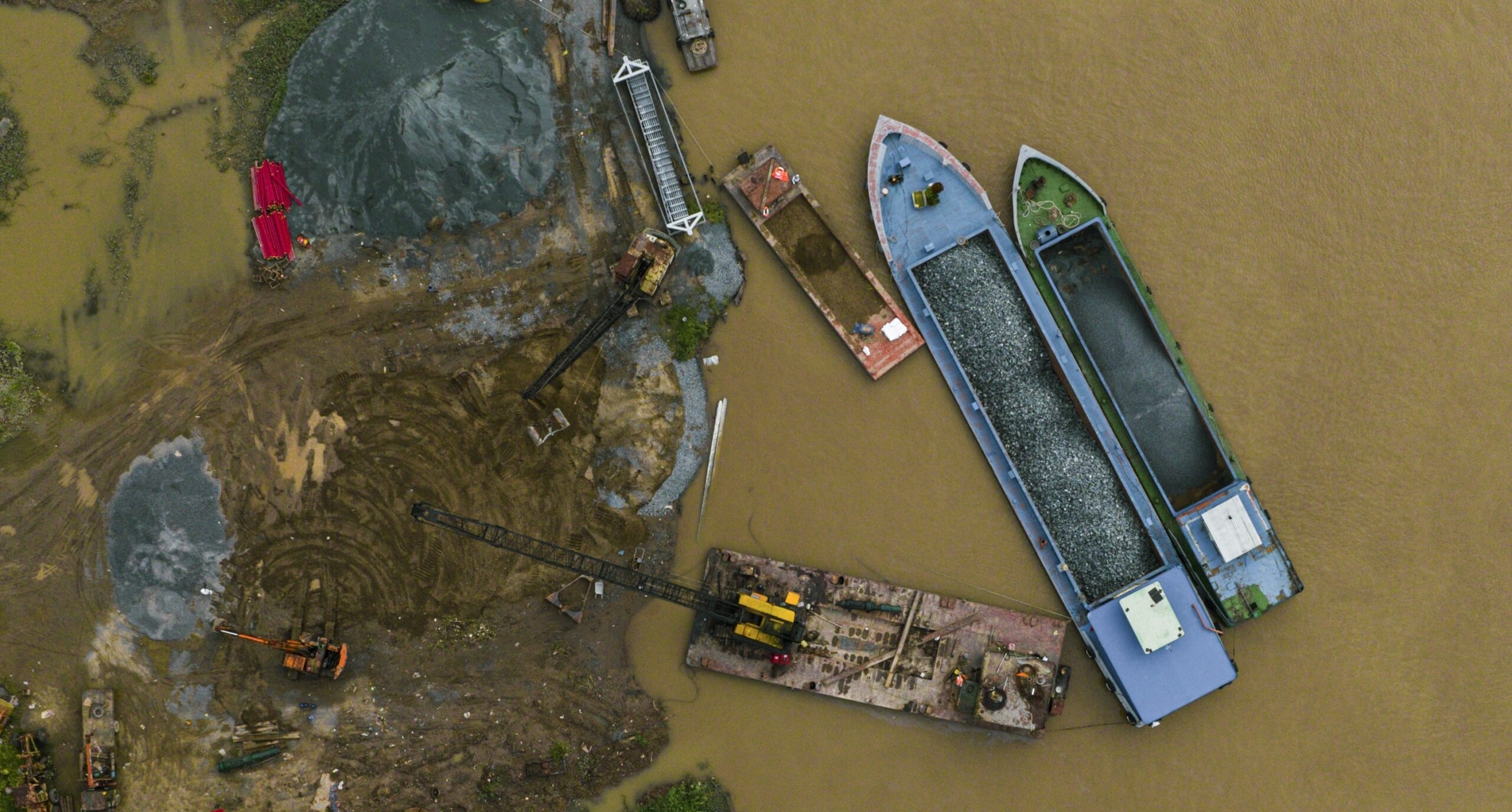
Sand stands as the single largest extractive industry on Earth. Annually, an astonishing 50 billion tonnes of sand are extracted globally, with the vast majority sourced from the world’s freshwater systems and coastal wetlands. This immense volume is primarily channeled into critical infrastructure projects that underpin contemporary civilization, from the concrete that forms our buildings to the asphalt that paves our roads. These are the very materials that enable modern societies, drive economic activity, and facilitate development.
The natural processes that create sand are painstakingly slow, occurring over geological timescales through gradual erosion. Humanity’s current rate of consumption far exceeds this natural replenishment. Projections indicate that the gargantuan scale of sand extraction is set to escalate further. The demand for sand solely for construction purposes is anticipated to surge by as much as 45 percent by 2060, underscoring the escalating pressure on this finite resource.
Pascal Peduzzi, Director of the UNEP Global Resource Information Database in Geneva (GRID-Geneva), highlighted the critical disconnect between sand’s perceived utility and its ecological significance. "Sand is sometimes referred to as the unrecognized hero of development," Peduzzi stated, "but its essential role in sustaining natural services that we depend on is even more overlooked. Sand is our first line of defense against sea level rise, storm surges, and salination of coastal aquifers – all hazards exacerbated by climate change."
The Dual Nature of Sand: "Dead" vs. "Alive"
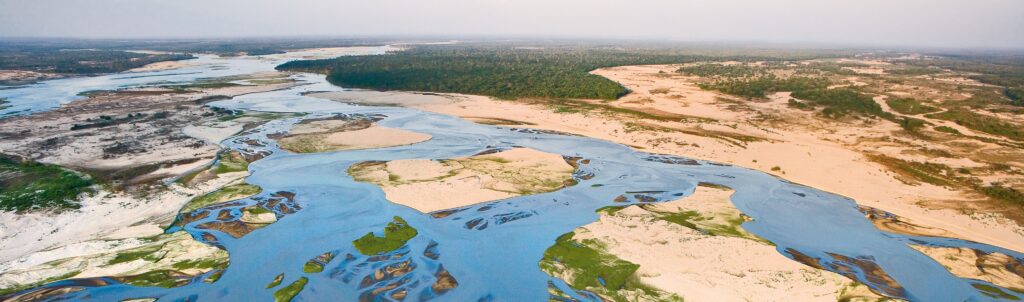
The UNEP report illuminates a fundamental tension inherent in sand’s usage: the dichotomy between "dead" sand and "alive" sand. Once extracted and processed into materials like concrete, asphalt, or glass, sand is effectively removed from natural systems, becoming "dead" sand. In contrast, sand found within rivers, deltas, and coastal zones, referred to as "alive" sand, continues to play a vital role in maintaining the stability of landscapes and essential ecosystem functions. These functions include filtering water, regulating river flows, protecting shorelines from erosion, sustaining the integrity of deltas, preventing the salinization of coastal aquifers, and supporting rich biodiversity.

Richard Lee, Global Head of Communications at Wetlands International, who reviewed the report, emphasized this crucial distinction. "Sand is not only a cornerstone of our societies and economies, but also a critical component of the very fabric of the ecosystems that our societies and economies are built on – in many cases, literally," Lee remarked. "Sand helps shape the structure of rivers, floodplains, beaches, and deltas, maintaining the land beneath hundreds of millions of people’s homes, fields, and feet."
The extraction of "alive" sand has profound ecological consequences. It provides critical habitats for a vast array of species, including fish, birds, and crustaceans, and is instrumental in maintaining ecological balance. Excessive extraction, as is currently occurring, can lead to disastrous outcomes. These include loss of life and livelihoods as river and coastal erosion undermines buildings and infrastructure, forced migration as deltas sink and shrink, escalating water insecurity due to falling water tables and saltwater intrusion, and worsening food security as fields flood and fisheries decline.
A Growing Crisis: Background and Timeline
The current global concern over sand extraction is not a sudden phenomenon but rather a culmination of decades of escalating demand driven by infrastructural development and population booms.
- Mid-20th Century Onwards: With the post-war economic boom and rapid urbanization, the demand for construction materials, including sand, began to increase significantly.
- Late 20th Century – Early 21st Century: The scale of sand extraction reached unprecedented levels, particularly in rapidly developing regions of Asia, Africa, and Latin America. Environmental impacts began to be noted, though often localized and not yet a subject of global policy concern.
- 2010s: The growing visibility of environmental degradation linked to sand mining, such as coastal erosion and riverbed damage, led to increased academic research and advocacy. Reports began to emerge detailing the scale of the problem.
- 2014: UNEP released its first major report on sand, "Sand: More than just sand," which brought the issue to a broader international audience, highlighting the ecological and social consequences.
- 2019: The United Nations Environment Assembly (UNEA) adopted a resolution recognizing the need for sustainable sand management, signaling a growing political will to address the issue.
- 2022: The second UNEP report on sand, "Sand and Sustainability: Challenges and Solutions," further elaborated on the complexities and potential solutions.
- May 12, 2026: The release of the latest UNEP report, "Sand and Sustainability: An Essential Resource for Nature and Development," underscores the urgency and escalating nature of the crisis, providing updated data and actionable policy recommendations.
This timeline illustrates a gradual but persistent increase in global awareness and action regarding sand extraction, moving from localized environmental concerns to a recognized global challenge requiring international cooperation and policy intervention.
Data and Supporting Evidence
The scale of sand extraction is staggering, with global figures consistently highlighting the immense volume removed annually. Beyond the 50 billion tonnes figure, specific data points from UNEP’s research provide a clearer picture:
- Global Consumption: The world consumes sand and gravel at a rate that dwarfs other material extractions. It is estimated that sand and gravel account for over 70% of all material extracted globally, exceeding cement, steel, and plastics combined.
- Source of Extraction: A significant portion of this extraction occurs in freshwater systems and coastal zones. This is particularly concerning as these environments are crucial for biodiversity, flood control, and freshwater provision.
- Projected Demand: The projected increase in construction sand demand by 45% by 2060 suggests that current unsustainable practices will likely intensify, exacerbating existing environmental and social problems.
- Marine Protected Areas (MPAs): Disturbingly, data from UNEP’s Marine Sand Watch initiative indicates that approximately half of dredging companies operate within Marine Protected Areas. These operations account for around 15% of the total volume of dredged sand, raising serious questions about the effectiveness of conservation efforts and the potential for MPAs to become de facto extraction zones.
Official Responses and Policy Recommendations
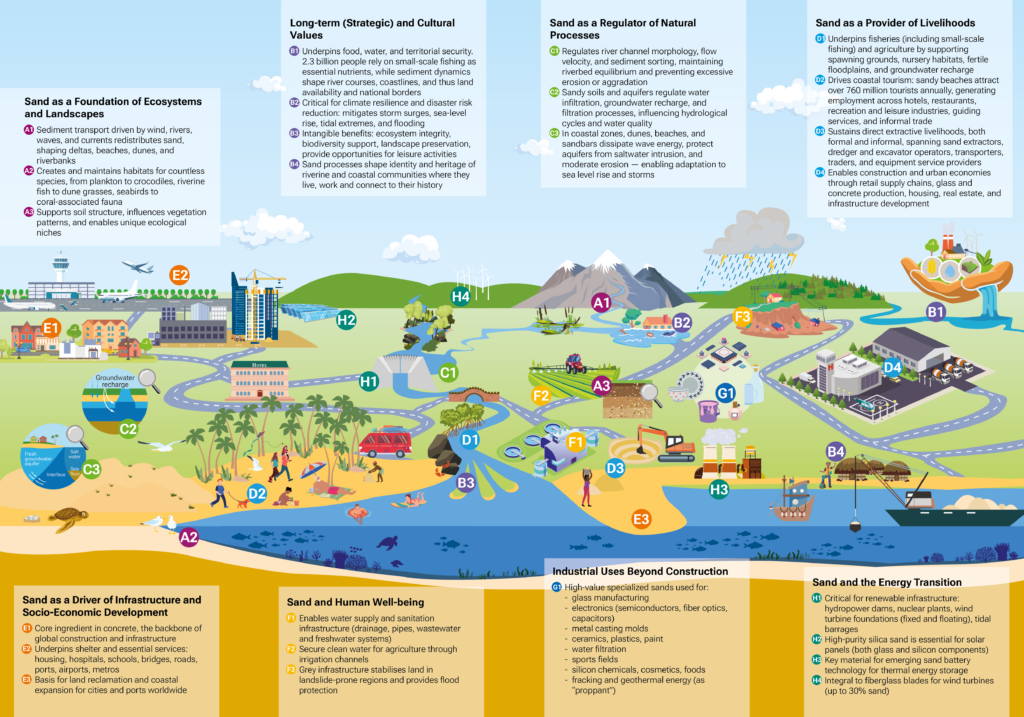
UNEP’s "Sand and Sustainability: An Essential Resource for Nature and Development" report is a direct call to action for governments, industries, and international bodies. The report advocates for a paradigm shift in how sand is perceived and managed, moving from a view of it as an inexhaustible commodity to a strategic resource with profound ecological and societal value.
Key recommendations include:
- Recognizing Multifaceted Values: Governments and industries must acknowledge sand’s intrinsic value to nature, climate resilience, and ecosystem services, in addition to its economic utility in construction and development.
- Integrated Governance: Coordinated governance structures are required across different sectors and at various scales (local, national, regional, and potentially global) to ensure comprehensive management.
- Long-Term Planning: Strategic, long-term planning is essential to balance the demand for sand with the imperative of ecosystem protection. This includes robust environmental impact assessments and the development of national and sectorial roadmaps for responsible sand management.
- Transparency and Monitoring: Enhanced transparency in the issuance of extraction permits, project approvals, and the flow of financing is crucial. This, coupled with improved mapping, monitoring of extraction sites, and assessment of cumulative impacts, will enable better decision-making.
- Sustainable Extraction Practices: The report encourages the development and adoption of more sustainable extraction techniques that minimize environmental damage and social disruption.
- Balancing "Dead" and "Alive" Sand: A critical aspect of sustainable management involves making informed decisions about whether to extract sand or leave it in place to perform its natural functions. This requires better data and understanding of the ecological value of specific sand deposits.
- Global and Regional Cooperation: Given sand’s global nature as a traded commodity and its role in transboundary river basins and coastal zones, enhanced regional coordination and potentially global governance mechanisms are needed to address sustainability challenges effectively.
Broader Impact and Implications
The implications of unsustainable sand extraction extend far beyond local environmental damage. They touch upon global challenges and threaten the achievement of Sustainable Development Goals (SDGs).
- Climate Change Adaptation: The degradation of coastal and riverine ecosystems due to sand mining directly undermines natural defenses against climate change impacts like sea-level rise and increased storm intensity, thus hindering climate resilience.
- Food Security: Damage to deltas and river systems can lead to saltwater intrusion into agricultural lands, reduced freshwater availability for irrigation, and the decline of fisheries, all of which have direct consequences for food security.
- Water Security: The alteration of river flows and groundwater systems due to sand extraction can impact water availability and quality for both human consumption and agricultural use.
- Biodiversity Loss: The destruction of habitats within rivers, wetlands, and coastal areas leads to a significant loss of biodiversity, impacting ecosystems that provide essential services.
- Socio-Economic Stability: Displacement of communities due to erosion, loss of livelihoods dependent on natural resources, and increased vulnerability to natural disasters can contribute to social unrest and migration.
- Economic Development: While sand is essential for development, its unsustainable extraction can ultimately undermine long-term economic stability by degrading the natural capital upon which economies depend.
The UNEP report offers an assessment tool to aid in more sustainable sand management at various levels. It concludes with a powerful reminder: "Be it for development or nature, sand is an essential resource for our future; we need to choose wisely and use it with care." The challenge now lies in translating these urgent recommendations into concrete, effective action on the ground. The future of our infrastructure, our environments, and our societies hinges on our ability to manage this fundamental resource sustainably.
