
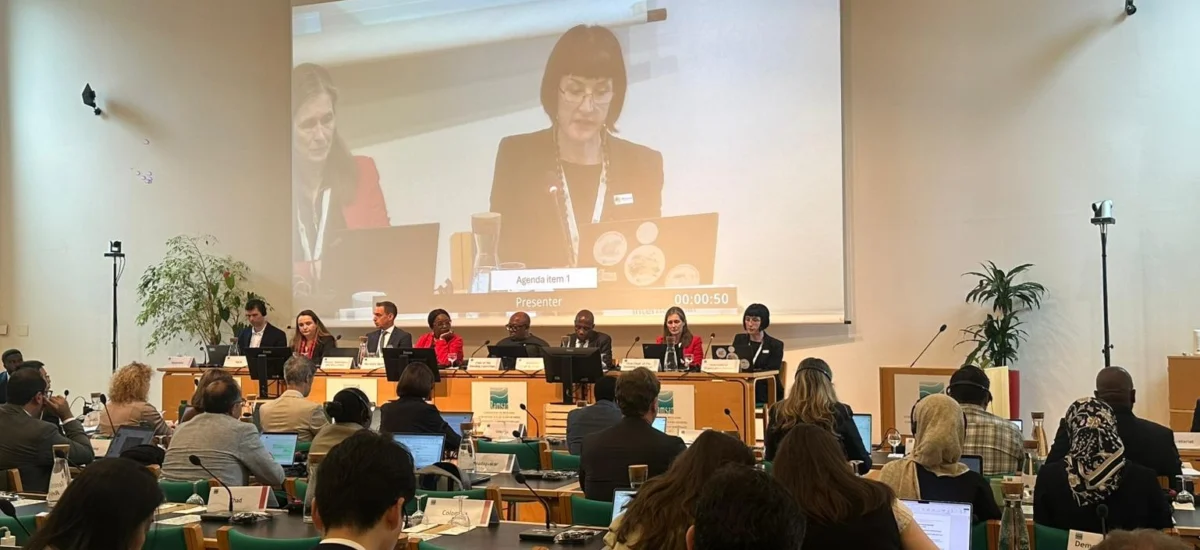
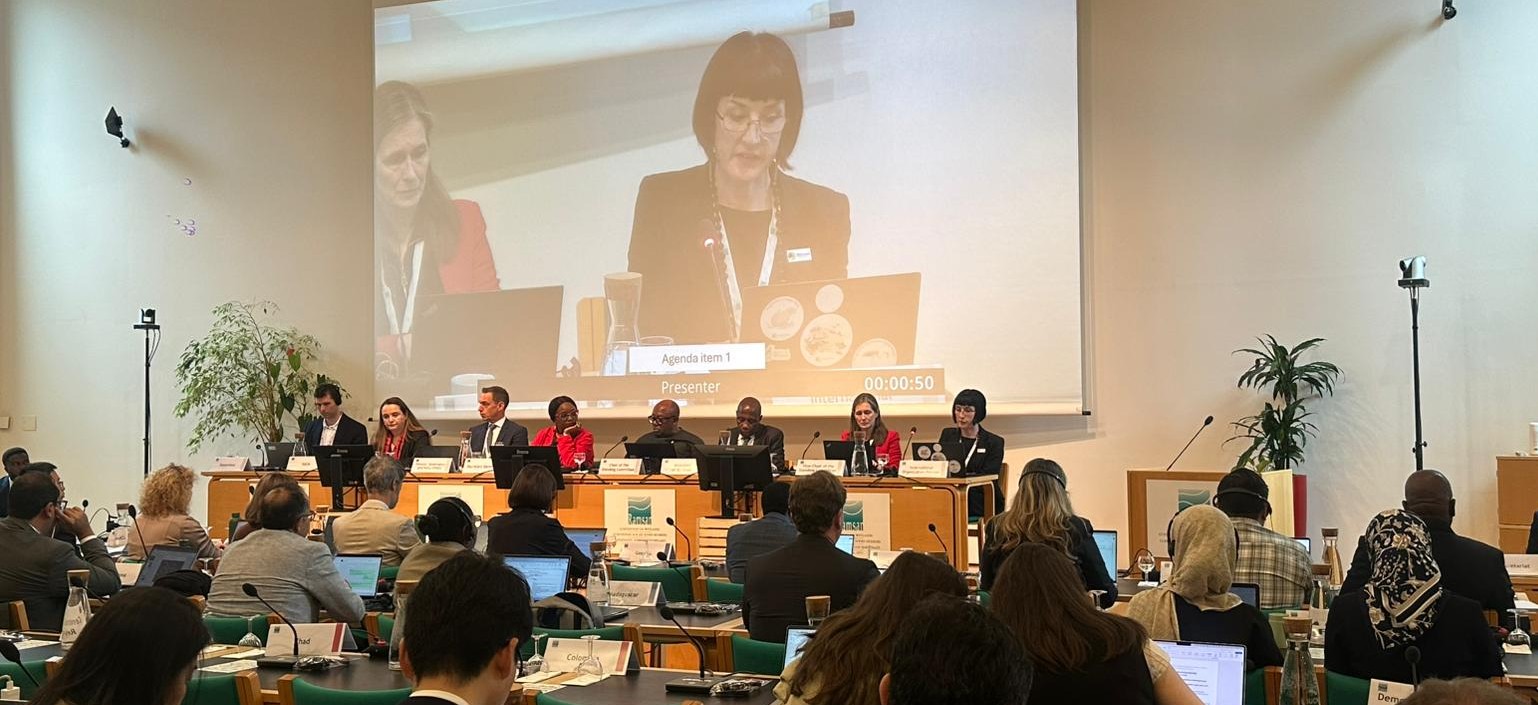
The 67th meeting of the Standing Committee of the Convention on Wetlands, held in early May 2026, served as a critical platform for international dialogue and strategic planning concerning the future of the world’s vital wetland ecosystems. Laura MacKenzie, Senior Advocacy Officer at Wetlands International, delivered a pivotal statement on behalf of the six International Organisation Partners – Birdlife International, IUCN, IWMI, Wetlands International, WWF, and WWT – underscoring the urgent need for enhanced global commitment to wetland conservation and restoration. The statement, delivered during the opening session, emphasized the momentum generated by COP15 in Victoria Falls and looked ahead to COP16 in Panama, while outlining three paramount priorities for concerted international action.
Building on COP15 Momentum: A Call for Implementation
The recent Conference of the Parties (COP15) to the Convention on Wetlands, hosted by Zimbabwe in Victoria Falls, was hailed as a significant success. Its adoption of the 5th Strategic Plan and numerous resolutions, covering crucial areas such as migratory flyways, freshwater ecosystems, Other Effective Area-based Conservation Measures (OECMs), and finance, has set a clear roadmap for the future. Wetlands International and its partner organizations acknowledged Zimbabwe’s leadership as COP president and extended congratulations to Panama for securing the host nation status for COP16.
"The success of COP15 in Victoria Falls paves the way for countries to scale up the protection and restoration of wetlands; safeguarding the irreplaceable benefits they provide for people, nature and climate," stated MacKenzie, setting the stage for the organization’s priorities. The focus, she emphasized, is now firmly on supporting the effective implementation of these commitments. Drawing on their extensive on-the-ground experience across diverse wetland landscapes globally, the International Organisation Partners identified three overarching priorities that demand immediate and sustained international attention.
Priority One: Tackling the Root Causes of Wetland Loss in Finance and Economic Decision-Making
A central theme of the statement was the urgent need to address the financial and economic drivers behind wetland destruction. MacKenzie highlighted that despite the growing recognition of wetlands’ value, global financial flows continue to undermine nature. The latest Global Wetland Outlook, a comprehensive assessment of the state of wetlands worldwide, paints a stark picture: nature-negative public and private financial flows have seen an increase. This alarming trend is further underscored by the UNEP State of Finance for Nature report, which reveals a deeply concerning imbalance, with approximately thirty dollars spent on destroying nature for every dollar invested in its protection.
This triennium, therefore, necessitates a significant shift in focus towards reducing and redirecting subsidies and financial flows that negatively impact wetlands. The statement drew upon the findings of the IPBES Business and Biodiversity Assessment, which emphasizes the critical role of governments in shaping the landscape of business and financial institution actions through robust policy, legal, and regulatory frameworks. Fiscal policies and incentives, it was argued, must be strategically aligned with biodiversity goals to foster sustainable practices.
Furthermore, there is a pressing need for rapid progress in integrating the true economic value of wetlands into policy-making. The current economic paradigm often fails to account for the manifold benefits wetlands provide, leading to their degradation in the pursuit of short-term development gains. MacKenzie cited specific examples to illustrate this point. The recent weakening of legislation protecting glacier areas, she noted, exacerbates the threats posed by lithium mining to wetlands and the vital water security of the High Andes region. Similarly, proposed dilutions of the EU Water Framework Directive have raised profound concerns among environmental stakeholders, signaling a potential step backward in safeguarding freshwater resources.
The economic valuation of ecosystem services provided by wetlands – such as water purification, flood control, carbon sequestration, and fisheries support – is a critical but often overlooked aspect of national accounting. For instance, studies have estimated that the global economic value of wetlands could be in the trillions of dollars annually, yet this is rarely reflected in national budgets or investment decisions. The failure to internalize these externalities leads to market failures where the destruction of wetlands appears economically rational in the short term, despite the long-term societal costs.
Priority Two: Reconfiguring Human-Wetland Relationships Through Rights-Based Approaches
The second key priority articulated by MacKenzie revolves around fundamentally reconfiguring the relationship between humans and wetlands. The statement welcomed the adoption of several IUCN resolutions concerning the rights of nature, including those pertaining to rivers, which were endorsed by governments, Indigenous Peoples’ Organizations, and NGOs in October. These resolutions signal a growing international recognition of the intrinsic value of natural ecosystems and the need for legal frameworks that reflect this.
Wetlands International and its partners expressed enthusiasm for exploring how "rights of wetlands" approaches can catalyze transformative change. This concept, which views wetlands not merely as resources to be exploited but as entities with inherent rights, aligns with the transformative change agenda highlighted by IPBES and referenced within the Ramsar Strategic Plan. By granting legal standing or recognition to wetlands, it becomes possible to advocate for their protection and restoration based on their own inherent value, independent of their direct utility to humans.
The implications of adopting rights-based approaches are far-reaching. It can empower local communities and Indigenous peoples, who often have deep cultural and spiritual connections to wetlands, to act as stewards and defenders of these ecosystems. It also challenges the anthropocentric view that has historically driven environmental degradation, promoting a more holistic and interconnected understanding of humanity’s place within the natural world. The integration of these principles into national legislation and international agreements could foster a more ethical and effective framework for wetland conservation.
Priority Three: Elevating Wetlands as Critical Connectors Across Multilateral Environmental Agreements (MEAs)
The third strategic priority focuses on establishing wetlands as indispensable components in the delivery of commitments under other Multilateral Environmental Agreements (MEAs). MacKenzie underscored their role as "critical watery connectors" that flow through the frameworks of the three Rio Conventions (on Climate Change, Biodiversity, and Desertification), the UN Water Conference, and various Sustainable Development Goals (SDGs). This perspective is strongly supported by Resolution XV.4 on synergies, which promotes a more integrated approach to environmental governance.
The UN SDG 6 Synthesis Report prominently features water as a "Super Connector," emphasizing its centrality to achieving all SDGs. Wetlands, with their profound connection to freshwater availability, climate regulation, and biodiversity, are unequivocally at the heart of this water nexus. Their role in supporting SDG 6 (Clean Water and Sanitation), SDG 13 (Climate Action), SDG 14 (Life Below Water), and SDG 15 (Life on Land) is undeniable.
The statement referenced recent positive developments, such as the decisions adopted by Parties to the Convention on Migratory Species (CMS) concerning flyways, connectivity, and migratory wetland species at the beginning of 2026. The Pantanal Declaration, which championed the central role of wetlands not only for biodiversity but also for climate regulation, water security, and community livelihoods, was cited as a powerful example of this integrated approach. These initiatives underscore the critical importance of cross-border cooperation and decisive political leadership in safeguarding shared wetland resources.
Looking ahead, the strengthening of coherence across monitoring and reporting systems is deemed essential. The International Organisation Partners expressed their support for the proposed indicator framework for the 5th Strategic Plan and encouraged the Standing Committee to adopt it, believing it will facilitate more robust and consistent tracking of progress in wetland conservation.
Strategic Opportunities and Future Commitments
The statement identified several key upcoming international meetings as crucial opportunities to accelerate action on wetland protection:

- UN Convention to Combat Desertification (UNCCD) COP17 in Mongolia: This meeting presents a vital platform to advance action on freshwater ecosystems and peatlands. Building on the incorporation of wetlands into land degradation neutrality targets and drought resilience plans, the UNCCD COP17 can solidify the role of wetlands in combating desertification and enhancing drought resilience.
- Convention on Biological Diversity (CBD) COP17 in Armenia: At this conference, the global review of progress towards the 2030 biodiversity targets should prominently showcase how reversing wetland loss and degradation is fundamental to achieving these ambitious goals.
- UNFCCC COP31 and the UN Water Conference: Discussions on water security, climate resilience, and mitigation at these forums must prioritize a significant shift in investment from "grey" (conventional) to "green and blue" infrastructure, recognizing the immense natural capital that wetlands represent.
The statement also highlighted the significant potential of "whole of society" voluntary initiatives. The Freshwater Challenge, featured in Resolution XV.15, alongside the Mangrove Breakthrough and the Peatland Breakthrough, were lauded as examples of collaborative efforts that can drive tangible change. Contracting Parties were warmly encouraged to participate more actively in these initiatives.
Finally, the exceptional value and importance of the Scientific and Technical Review Panel (STRP) outputs to the conservation and wise use of wetlands were acknowledged. Wetlands International expressed its pleasure in contributing to many priority tasks, including those related to GEOwetlands, the water cycle, transformative change pathways, and the upcoming Global Wetland Outlook on cities.
The statement concluded with an optimistic outlook, emphasizing the commitment of Wetlands International and its partner organizations to continued collaboration with Contracting Parties, the Ramsar Secretariat, and a broad range of stakeholders. The collective pursuit of shared wetland goals, it was asserted, is essential for ensuring a sustainable future for both people and the planet. The ongoing work of the STRP, for instance, in areas like the Global Wetland Outlook for cities, directly addresses the growing urbanization trend and its impact on these critical ecosystems, providing data-driven insights for policy and planning.
Broader Implications and the Path Forward
The statement from the International Organisation Partners at the Ramsar Standing Committee 67 meeting serves as a clear and urgent call to action. It underscores a global environmental challenge that requires a multifaceted and integrated approach. The reliance on financial flows that actively harm wetlands, coupled with the underestimation of their economic value, represents a fundamental flaw in current global development paradigms.
The push for rights-based approaches to nature, including wetlands, signals a potential paradigm shift in conservation thinking. If embraced and implemented effectively, these approaches could provide stronger legal recourse and a more profound ethical basis for protecting these vital ecosystems.
The emphasis on wetlands as critical connectors across MEAs is also a strategic imperative. By recognizing and leveraging the inherent links between wetland health and climate resilience, biodiversity conservation, and water security, countries can unlock synergistic benefits and achieve multiple global goals simultaneously. The success of initiatives like the Freshwater Challenge demonstrates the power of collaborative action and the potential for significant impact when diverse stakeholders unite around a common purpose.
The journey ahead is complex, requiring sustained political will, increased financial investment, and a fundamental re-evaluation of our relationship with the natural world. The priorities outlined by Wetlands International and its partners provide a clear roadmap for this journey, emphasizing that the fate of wetlands is inextricably linked to the health of our planet and the well-being of future generations. The commitment to continued collaboration offers a beacon of hope, suggesting that through concerted international effort, the tide can be turned in favor of these indispensable ecosystems.
