

The relentless global appetite for sand, fueled by escalating population growth, rapid economic expansion, and widespread urbanization, is now critically outpacing the planet’s ability to sustainably replenish this vital resource. This alarming trend poses profound threats to global water and food security, undermines climate resilience, jeopardizes biodiversity, and impedes sustainable development, according to a groundbreaking new report from the United Nations Environment Programme (UNEP).
The comprehensive report, titled "Sand and Sustainability: An Essential Resource for Nature and Development," issues a stark warning: governments and industries worldwide must urgently recognize the intrinsic value of sand, not only for their societies and economies but also for the health of natural ecosystems and the planet’s capacity to withstand climate change. This recognition must be translated into robust governance frameworks that fully incorporate these multifaceted values.
Sand stands as the largest extractive industry on Earth by sheer volume, with an astonishing 50 billion tonnes extracted annually. The vast majority of this sand is sourced from the world’s freshwater systems and coastal wetlands. Its primary use is in critical infrastructure projects that form the bedrock of modern societies, from the concrete that builds our homes and cities to the asphalt that paves our roads. Without sand, the intricate web of contemporary development would unravel.
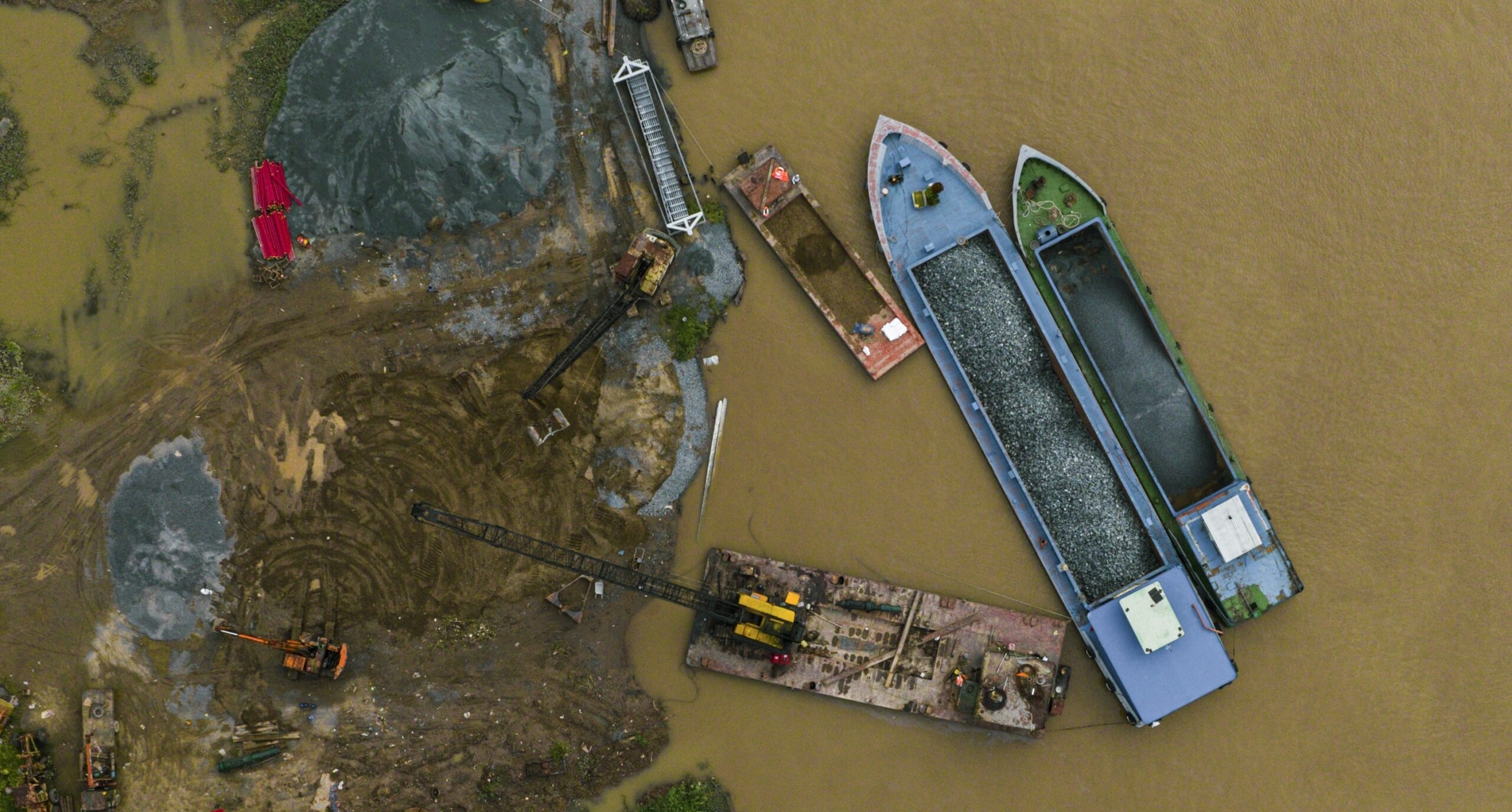
The geological processes that create sand are exceedingly slow, occurring over millennia through gradual erosion. Humanity’s current rate of consumption is exponentially faster than nature’s regenerative capacity. Projections indicate this trend will only intensify; demand for sand for construction alone is anticipated to surge by up to 45 percent by 2060, exacerbating the existing deficit.
Pascal Peduzzi, Director of the UNEP Global Resource Information Database in Geneva (GRID-Geneva), articulated the urgency of the situation. "Sand is often called the unrecognized hero of development," he stated, "but its essential role in sustaining the natural services we depend on is even more overlooked. Sand serves as our first line of defense against rising sea levels, storm surges, and the salinization of coastal aquifers – all hazards that are intensified by climate change."
The Dual Nature of Sand: A Resource Under Pressure
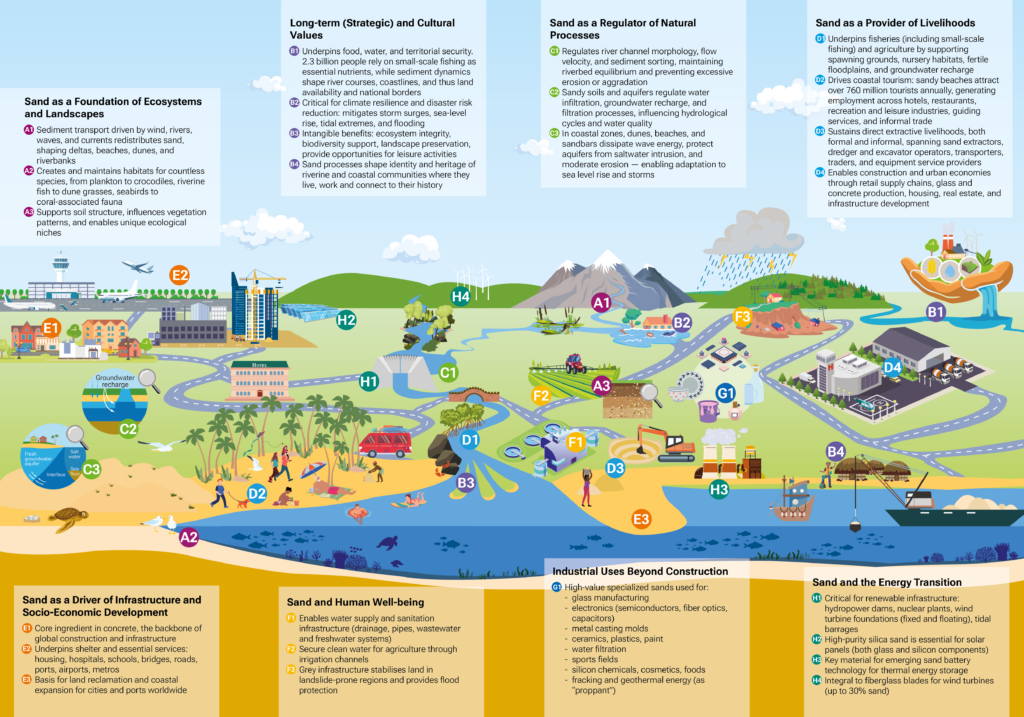
The UNEP report meticulously details a fundamental tension inherent in sand’s existence: its transformation from a living component of ecosystems to a "dead" resource. Once extracted and processed into materials like concrete, asphalt, and glass, sand is effectively removed from natural cycles. This "dead" sand fuels development but depletes natural reserves.
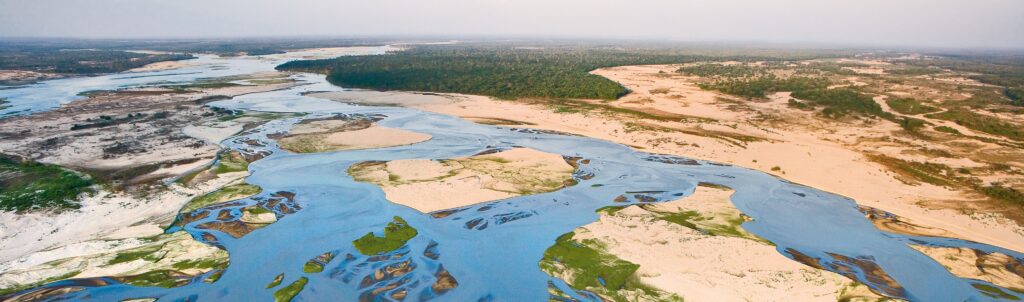
Conversely, sand found in rivers, deltas, and coastal zones – referred to as "alive" sand – plays a crucial role in maintaining landscape stability and supporting essential ecosystem functions. These functions include filtering water, regulating river flows, protecting shorelines from erosion, preserving the integrity of deltas, preventing the intrusion of saltwater into freshwater aquifers, and sustaining diverse biodiversity.

Richard Lee, Global Head of Communications at Wetlands International, who reviewed the report, emphasized this dual value. "Sand is not only a cornerstone of our societies and economies, but also a critical component of the very fabric of the ecosystems that our societies and economies are built on – in many cases, literally," Lee commented. "Sand helps shape the structure of rivers, floodplains, beaches, and deltas, maintaining the land beneath hundreds of millions of people’s homes, fields, and feet."
Ecological and Socio-Economic Ramifications of Unsustainable Extraction
The consequences of over-extraction are far-reaching and often catastrophic. "Sand also provides critical habitats for fish, birds, crabs, and countless other species, and helps maintain ecological balance," Lee continued. "Extract too much – as we are doing – and the results can be disastrous: lives and livelihoods lost as river and coastal erosion undermines buildings and infrastructure; families forced to migrate as deltas sink and shrink; water insecurity rises as the water table falls and saltwater intrudes further inland; and food security worsens as fields flood and fisheries decline."
The report highlights that the insatiable demand for sand, particularly for construction and land reclamation, pits human development needs directly against the preservation of vital natural systems. This conflict necessitates a fundamental shift in how sand is governed and managed.
A Call for Strategic Governance and Responsible Management
UNEP’s third "Sand and Sustainability" report advocates for a paradigm shift, urging governments and industries to treat sand not merely as a raw material but as a strategic resource. This requires acknowledging its integral role in underpinning both the built environment and economic development, while simultaneously recognizing its critical function in sustaining biodiversity and vital ecosystem services.
This necessitates coordinated governance across various sectors and administrative levels. Long-term planning must be implemented to strike a delicate balance between meeting supply needs and ensuring the protection of fragile ecosystems.
Timeline of Escalating Demand and Emerging Concerns:
- Mid-20th Century Onwards: Rapid global population growth and widespread urbanization begin to drive unprecedented demand for construction materials, including sand.
- Late 20th Century: Increasing recognition of environmental impacts from large-scale resource extraction, including sand mining, begins to emerge in scientific and environmental circles.
- Early 21st Century: Studies highlight the scale of global sand extraction and its ecological consequences. Reports from organizations like the UN Environment Programme start to quantify the problem and its systemic risks.
- 2010s: The scale of the issue becomes more apparent, with evidence of severe environmental degradation and social disruption linked to sand mining in various regions, particularly in Asia and Africa. International bodies begin to call for more coordinated global action.
- 2014: The first UNEP report on sand and sustainability is published, bringing greater attention to the issue.
- 2019: The second UNEP report is released, further detailing the environmental and economic consequences and advocating for improved governance.
- May 12, 2026: The latest UNEP report, "Sand and Sustainability: An Essential Resource for Nature and Development," is published, offering updated data, analysis, and actionable policy recommendations, emphasizing the critical need for integrated and forward-looking management strategies.
Evidence from the Frontlines: Africa and Southeast Asia
The report draws attention to alarming evidence from regions such as Africa and Southeast Asia, where unsustainable sand extraction practices have led to severe supply shortages. These practices are not only causing widespread environmental degradation but are also igniting growing opposition from affected communities whose livelihoods are directly threatened.
Data from UNEP’s Marine Sand Watch initiative reveals a disturbing trend: approximately half of the dredging companies are operating within designated Marine Protected Areas (MPAs). Alarmingly, these operations account for roughly 15% of the total volume of dredged sand. This indicates a critical failure in enforcing protection measures, potentially transforming MPAs into de facto extraction zones rather than havens for biodiversity. Ensuring that protection status translates into meaningful ecological outcomes requires rigorous impact assessments, transparent decision-making processes, and effective long-term monitoring systems.
Towards a Sustainable Future for Sand
The report underscores that early and coordinated intervention in addressing sand sustainability is not only possible but also cost-effective. Given sand’s status as a globally traded commodity and an essential resource for development, tackling its sustainability challenges will necessitate enhanced regional cooperation and, potentially, the establishment of global governance mechanisms.
UNEP urges countries to develop national and sector-specific roadmaps for responsible sand management, building upon existing tools and frameworks. The report provides concrete policy measures and introduces an assessment tool designed to support more sustainable sand management practices at local, national, and regional levels.
The publication, a collaborative effort by 27 international experts, concludes with a powerful plea for conscious consumption and careful stewardship. Whether destined for construction or left in its natural state to benefit ecosystems, sand is an indispensable resource for our collective future. The choices made today regarding its extraction and use will profoundly shape the planet’s ecological health and the trajectory of human development for generations to come. The call to action is clear: choose wisely and use it with care.
