
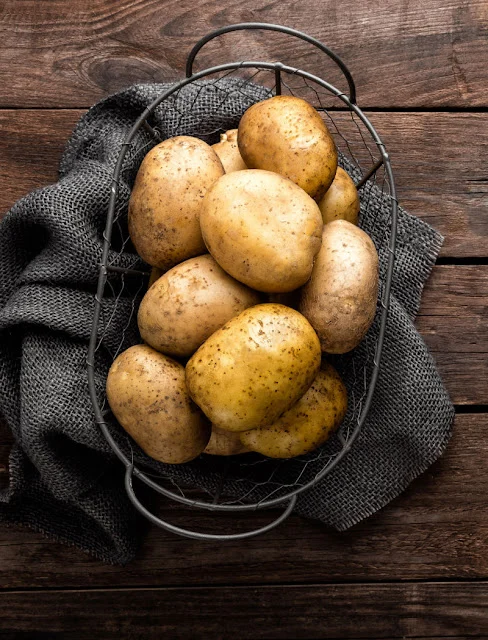
The nutritional management of poultry requires a nuanced understanding of botanical families, as common kitchen staples like white potatoes, sweet potatoes, and yams—often grouped together in culinary contexts—possess vastly different chemical profiles that can either enhance or compromise avian health. For the modern poultry keeper, the question of whether chickens can safely consume these tubers is not a simple binary; rather, it is a complex intersection of toxicology, nutrition, and agricultural science. While sweet potatoes are widely regarded as a nutritional powerhouse for livestock, white potatoes contain glycoalkaloids that pose a documented risk of solanine poisoning. Understanding these distinctions is critical for maintaining flock longevity and ensuring the quality of egg production.

Taxonomy and the Botanical Origins of Tuber Safety
To understand the dietary implications for chickens, one must first examine the divergent evolutionary paths of these plants. Despite the shared nomenclature, white potatoes, sweet potatoes, and yams are not biologically related, and their chemical defense mechanisms vary accordingly.
White potatoes (Solanum tuberosum) belong to the Solanaceae, or nightshade, family. This group includes tomatoes, peppers, and eggplants. Nightshades are characterized by the production of glycoalkaloids, specifically solanine and chaconine, which serve as natural pesticides to protect the plant from fungi and insects. These compounds are concentrated in the green parts of the plant, including the vines, leaves, and the skin of tubers exposed to sunlight.

In contrast, sweet potatoes (Ipomoea batatas) are members of the Convolvulaceae, or morning glory, family. This family does not produce solanine. Consequently, every part of the sweet potato plant—from the root to the vine and leaf—is non-toxic to poultry. Yams (Dioscorea), which are often confused with sweet potatoes in North American markets, belong to the Dioscoreaceae family. While yams are generally safe, they possess unique plant proteins and acids that require specific preparation to ensure they do not interfere with an avian’s metabolic processes.
The Science of Solanine Toxicity in Avian Species
The primary concern regarding white potatoes in a poultry diet is the presence of solanine, a potent neurotoxin. Solanine acts by inhibiting acetylcholinesterase, an enzyme essential for the breakdown of the neurotransmitter acetylcholine. When this enzyme is inhibited, the nervous system becomes overstimulated, leading to a range of physiological failures.

In chickens, the symptoms of solanine poisoning can manifest in several ways:
- Gastrointestinal Distress: Severe diarrhea, often accompanied by mucosal irritation and loss of appetite.
- Neurological Impairment: Lethargy, paralysis of the legs or wings, and lack of coordination.
- Respiratory and Circulatory Failure: Labored breathing and a decrease in heart rate, which can lead to death in high-exposure cases.
A critical point for poultry owners is that cooking does not reliably eliminate solanine. While high-heat methods like baking at temperatures exceeding 400 degrees Fahrenheit can partially degrade glycoalkaloids, boiling is largely ineffective. Solanine is heat-stable and remains within the potato flesh and skin even after the tuber has been softened. Furthermore, the toxin can accumulate in the bird’s system over time. While a single small serving of cooked white potato may not result in immediate fatality, chronic exposure can lead to organ damage and a weakened immune system, particularly in younger chicks or older, immunocompromised hens.

Comparative Nutritional Analysis: Sweet Potatoes vs. White Potatoes
When evaluating tubers as a supplemental feed source, the nutritional density of the sweet potato far surpasses that of the white potato. Sweet potatoes are classified as a "superfood" in avian nutrition due to their high concentration of antioxidants and essential vitamins.
Data from nutritional studies highlight the following benefits of sweet potatoes for poultry:

- Vitamin A and Beta-Carotene: Essential for the health of the respiratory tract and the mucosal linings of the gut. High beta-carotene intake is also linked to the production of vibrant, deep-orange egg yolks.
- Vitamin C: Acts as a vital antioxidant, helping the flock manage heat stress and environmental challenges.
- Potassium and Manganese: These minerals support bone density and heart function, which are particularly important for high-output laying hens.
- Fiber Content: Supports a healthy microbiome in the chicken’s digestive tract, aiding in nutrient absorption and preventing pathogenic bacterial overgrowth.
White potatoes, by comparison, are higher in simple carbohydrates and calories but lower in the critical vitamins required for long-term avian vitality. Given the potential toxicity of the nightshade family, the risk-to-reward ratio for feeding white potatoes is significantly less favorable than that of sweet potatoes.
The Role of Yams and the Impact of Oxalic Acid
Yams present a secondary set of considerations. While they are safe when prepared correctly, raw yams contain various plant proteins that can be difficult for chickens to digest. More importantly, yams contain oxalic acid.

In the context of poultry health, oxalic acid is a "calcium binder." It interferes with the absorption of calcium in the digestive tract by forming calcium oxalate. For laying hens, calcium is the most critical mineral in their diet, as it is the primary component of eggshells. Excessive consumption of oxalic acid-rich foods can lead to "calcium depletion," resulting in:
- Soft-shelled or "rubber" eggs.
- Skeletal weakness or osteoporosis in the hen.
- Egg binding (dystocia), a life-threatening condition where the hen cannot pass an egg.
Therefore, if yams are to be fed to a flock, they must be thoroughly peeled and cooked to reduce the concentration of these anti-nutrients. Even then, they should be offered only in strict moderation compared to the more beneficial sweet potato.

Recommended Feeding Protocols and Flock Management
Veterinary experts and poultry nutritionists generally recommend a conservative approach to supplemental treats. To maintain a balanced diet, treats should comprise no more than 10% of a chicken’s total daily intake. For an average-sized hen, this equates to approximately one tablespoon of supplemental food per day.
Based on the toxicological and nutritional data, the following chronology of best practices is recommended for backyard keepers:

- Phase One: Identification. Distinguish between nightshades (white, red, yellow potatoes) and morning glories (sweet potatoes).
- Phase Two: Preparation. All tubers should be checked for mold. Moldy potatoes of any variety contain mycotoxins that can be fatal to poultry.
- Phase Three: Processing. If feeding sweet potatoes, they may be served raw or cooked, with or without skins. If feeding yams, they must be peeled and boiled. If white potatoes must be used, they should be fully ripe (no green), peeled, and baked at high temperatures to minimize risk.
- Phase Four: Observation. After introducing any new tuber into the diet, monitor the flock for changes in droppings or behavior. Any sign of lethargy or neurological "staring" should result in the immediate removal of the food source.
Agricultural Perspectives and Broader Implications
The shift away from traditional "table scrap" feeding toward scientifically informed nutrition reflects a broader trend in the backyard poultry movement. As more households adopt chickens for self-sufficiency and egg production, the health of the individual bird becomes a priority.
From an agricultural standpoint, the use of sweet potato vines and leaves as a forage crop is gaining traction. Unlike the toxic vines of the white potato, sweet potato greens are highly palatable and provide a sustainable source of protein and vitamins during the summer months when other grasses may go dormant. This allows for a more circular farm economy, where garden waste is safely converted into high-quality protein in the form of eggs.

Final Summary of Dietary Safety
The evidence suggests a clear hierarchy of safety and nutritional value for tubers in an avian diet. Sweet potatoes stand as the safest and most beneficial option, providing a wealth of vitamins without the risk of glycoalkaloid poisoning. Yams are a viable secondary option, provided they are cooked and fed sparingly to protect the hen’s calcium reserves. White potatoes, however, remain a point of contention; while they may not cause immediate harm in small, well-cooked portions, the presence of solanine makes them a suboptimal choice for those prioritizing the long-term health of their flock.
By adhering to a diet centered on high-quality commercial feed and supplementing only with safe, nutrient-dense vegetables like sweet potatoes, poultry keepers can ensure their birds remain productive and healthy. The avoidance of nightshade toxins is a simple but effective strategy in the prevention of avoidable avian illness, ensuring that the backyard flock remains a robust and thriving component of the homestead.
