
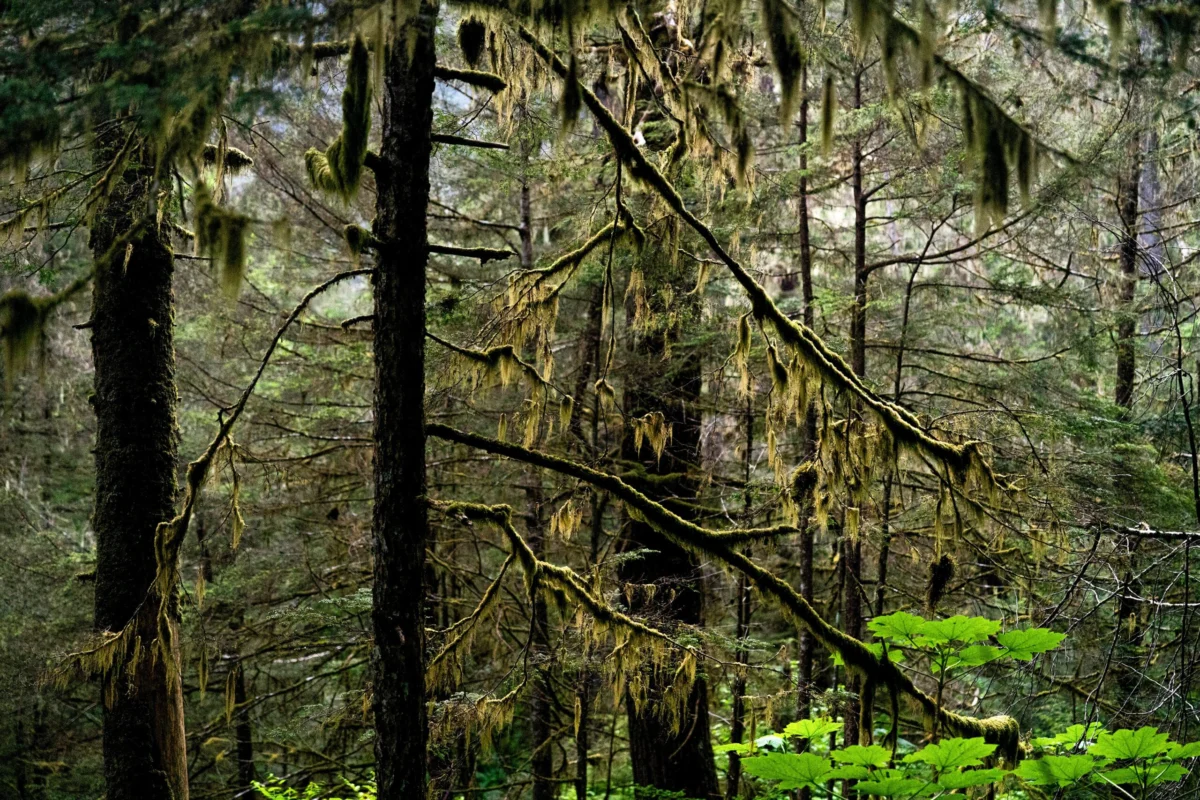
Nearly 45 million acres of the United States’ most pristine, ecologically vital forestland face an uncertain future following a proposal by the U.S. Forest Service to dismantle the Roadless Area Conservation Rule. This administrative maneuver, which would effectively rescind a policy that has served as a cornerstone of American conservation for a quarter-century, threatens to open vast swathes of remote wilderness to industrial logging, mineral extraction, and extensive road network construction. An area larger than the state of Oklahoma, these lands currently function as critical carbon sinks, wildlife refuges, and headwaters for the nation’s drinking supply.
A Legacy of Protection: The 2001 Roadless Rule
The Roadless Area Conservation Rule was finalized in early 2001 following one of the most extensive public comment processes in the history of the federal government. At the time, the mandate was designed to address two primary concerns: the irreversible ecological damage caused by habitat fragmentation and the ballooning financial liability associated with maintaining thousands of miles of logging roads.
Prior to the rule’s implementation, the Forest Service struggled with a massive maintenance backlog. Decades of unmanaged road construction had left the agency with a deficit that rendered the transportation system within national forests increasingly hazardous and expensive. By prohibiting road construction and timber harvesting in designated "inventoried roadless areas," the 2001 rule aimed to prioritize the preservation of intact ecosystems. Today, these areas represent only about 2 percent of the continental United States, yet they provide essential habitat for approximately 25 percent of all animal species listed or proposed for protection under the Endangered Species Act.
The Chronology of Conflict
The debate over the Roadless Rule has been a recurring flashpoint in American natural resource policy for two decades.
- 2001: The Roadless Area Conservation Rule is finalized, protecting 58.5 million acres of National Forest System lands.
- 2001–2005: The rule faces immediate legal challenges from timber industry groups and several state governments, leading to years of litigation.
- 2009: The Supreme Court declines to hear an appeal, effectively cementing the rule’s status as federal law.
- 2020: The Forest Service releases an analysis reaffirming that roadless areas have not hindered fire management and that fuel reduction activities are statistically more frequent in roadless zones than in managed areas.
- 2025: The Department of Agriculture signals its intent to review and potentially rescind the rule, citing outdated management strategies.
- 2026: The agency formally announces the proposal to remove the protections, triggering a nationwide public comment period, recently extended through October 6.
The Economic and Fiscal Argument
One of the most contentious aspects of the proposed repeal involves the financial implications for the American taxpayer. Critics of the repeal, including the nonpartisan watchdog group Taxpayers for Common Sense, argue that the move is fiscally irresponsible.
"Repealing the 2001 Roadless Area Conservation Rule in its entirety would recklessly expose taxpayers to billions in new liabilities from subsidized roads and money-losing timber sales," stated Autumn Hanna, a vice president at the organization. The agency’s current road maintenance backlog remains a staggering $6.9 billion. Opponents argue that building new roads into remote, rugged terrain will only exacerbate this deficit, as these roads are often expensive to construct and require constant, costly upkeep to prevent erosion and structural failure.
Furthermore, former chiefs of the U.S. Forest Service—representing leadership from both Democratic and Republican administrations—have formally voiced their opposition. In a joint letter, they warned that a wholesale repeal would result in "many more problems than it fixes" and would ultimately place a greater financial burden on the agency’s already stretched budget.
Forest Health vs. Road Access
The U.S. Forest Service, under the leadership of Agriculture Secretary Brooke Rollins, maintains that the current restrictions are antiquated. The agency argues that the inability to build roads prevents essential "active management" required to mitigate the growing threat of catastrophic wildfire, drought, and insect infestations.
"For too long, outdated restrictions have kept tens of millions of forested acres off-limits to the very treatments that improve forest health and reduce wildfire risk to our communities," Secretary Rollins said in a statement.
However, environmental scientists and former forestry officials contend that this narrative misrepresents the existing regulatory framework. The 2001 rule already contains clear provisions that allow for mechanical thinning, prescribed burning, and emergency road construction when human life or property is at immediate risk.
Data supports the assertion that roads are not a prerequisite for effective fire management. A 2020 Forest Service study noted that fuel management activities in roadless areas are more numerous on a per-square-kilometer basis than in the wider National Forest System. Moreover, experts like Chris Wood, CEO of Trout Unlimited, argue that the presence of roads often correlates with an increase in fire ignitions. Statistics indicate that the vast majority of human-caused wildfires in national forests occur within half a mile of an existing road, frequently ignited by vehicle exhaust or debris.
Ecological Implications and Biodiversity
The environmental stakes of this proposal are profound. In Southeast Alaska, the Tongass National Forest stands as the world’s largest remaining intact temperate rainforest. More than half of its 17 million acres are currently roadless. These areas are vital for the survival of the Queen Charlotte Goshawk, the Prince of Wales Spruce Grouse, and countless species of Pacific salmon.
In the lower 48 states, the impact would be equally severe. In Utah, 99 percent of roadless areas serve as essential habitat for mule deer; in Montana, 93 percent of such areas provide critical summer range for elk. The fragmentation of these landscapes through road building would inevitably lead to a decline in biodiversity, as sensitive species—such as the Cerulean Warbler and the federally threatened Red-cockaded Woodpecker—require large, undisturbed tracts of habitat to breed and survive.
Beyond biodiversity, the preservation of these lands is a matter of public health. A study published in July 2026 underscored that roadless areas safeguard the drinking water for approximately 25 million Americans. Furthermore, the carbon sequestration potential of these forests is immense. The Tongass National Forest alone holds roughly one-fifth of all carbon stored by the entire National Forest System. By keeping these forests intact, the nation maintains a natural, high-efficiency system for capturing greenhouse gases—a service that would be compromised by large-scale logging operations.
The Path Forward: A Call for Public Input
While industry trade groups, such as the American Forest Resource Council, applaud the move as a necessary step to "meet the moment" and adapt to modern climate pressures, a wide coalition of conservationists, fiscal hawks, and retired public servants continue to push for the preservation of the status quo.
The proposal has sparked a significant national debate over what constitutes the "best use" of public lands. Proponents of the repeal argue that the federal government must prioritize local economic interests and forest productivity. Conversely, opponents argue that the intrinsic value of these lands—as water filters, carbon sinks, and climate-resilient wildlife corridors—far outweighs the short-term gains of resource extraction.
As the October 6 deadline for public comment approaches, the Forest Service faces a deluge of feedback. The outcome of this process will likely determine the management trajectory of the American wilderness for decades to come. Whether the administration will proceed with a total repeal or pivot to a more nuanced, site-specific management strategy remains to be seen. What is clear, however, is that the decision to potentially dismantle one of the most significant conservation policies in U.S. history is viewed by many as a defining environmental challenge of the current era.
