
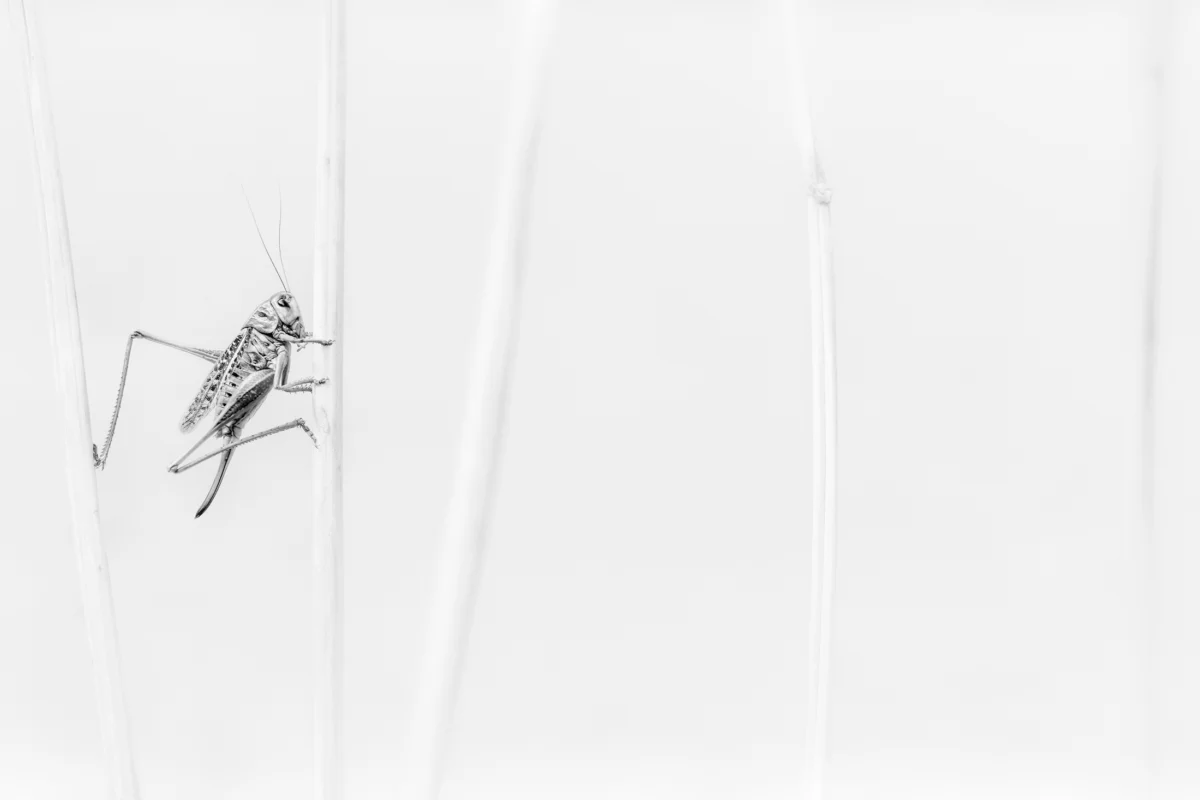
Elisa Confortini, a renowned nature photographer, has cultivated a profound passion for documenting the natural world through the lens of macro photography, with a particular focus on arthropods. Her artistic journey began by capturing these often-overlooked creatures, finding them to be remarkably accessible subjects even in her immediate surroundings. Through meticulous observation, Confortini has discovered that these miniature beings offer an endless source of fascination and instruction, revealing behaviors and intricate details that frequently elude the casual observer. Each year, she embarks on a quest to rediscover cherished subjects or unearth new ones, employing long-term observation to capture fleeting behaviors that might otherwise go unnoticed. Her goal is to portray these creatures in diverse ways, aiming to convey their unique characteristics and habits in a manner that deeply captivates and educates the viewer.
The Allure of the Miniature: A Photographer’s Dedication

Arthropods, a phylum encompassing insects, arachnids, and crustaceans, represent the most diverse group of animals on Earth, with over a million described species, and countless more awaiting discovery. Their sheer variety, ranging from the iridescent wings of a butterfly to the formidable mandibles of a stag beetle, presents an inexhaustible canvas for a macro photographer like Confortini. Her dedication to these subjects stems from their accessibility; unlike many larger wildlife species, arthropods can be found in gardens, parks, and even urban environments, democratizing the pursuit of nature photography. This proximity allows for extended, intimate sessions, fostering a deeper understanding of their intricate lives.
Confortini’s approach transcends mere documentation. By immersing herself in the observation of these tiny worlds, she photographs complex behaviors—such as hunting, mating rituals, camouflage, and social interactions—that are often too subtle or rapid for the human eye to grasp without specialized equipment and patience. This long-term engagement transforms photography into a form of biological study, where each click of the shutter contributes to a visual narrative of the microcosm. The resulting images are not just aesthetically pleasing but also instructive, shedding light on the ecological roles and adaptations of these critical components of our ecosystems.
Humans and Insects: A Complex Tapestry of Emotion and Art

Throughout human history, insects have held a complex and often contradictory place in our collective consciousness. From ancient veneration in Egyptian scarab beetles and Japanese cicada poetry to widespread fear and loathing of pests and venomous spiders, our relationship with these creatures is a rich tapestry of love, hate, veneration, and fear. This intricate dynamic is mirrored in art and culture worldwide, where insects have inspired countless works, symbolizing themes from fragility and transformation to industry and destruction.
The sheer diversity and complexity of arthropods continue to ignite the imaginations of artists globally, serving as an inexhaustible source of wonder. Their representation in various artistic mediums, including photography, serves as a powerful reflection of humanity’s evolving relationship with the natural world. In an era where biodiversity faces unprecedented threats, Confortini’s work becomes particularly poignant. By drawing attention to the beauty and complexity of these small creatures, her photographs subtly advocate for their protection, reminding us of the interconnectedness of all life and the intrinsic value of every species. This artistic exploration contributes to a broader understanding and appreciation of nature, transforming perceived insignificance into profound significance.
The Timeless Power of Black and White in a Vivid World

In an age dominated by vibrant, often digitally enhanced colors, where technology allows for instantaneous chromatic manipulation, black and white photography remains a powerful and timeless medium. Far from being an anachronism, monochrome continues to thrive, offering a distinct aesthetic and stylistic choice for photographers like Confortini seeking to express and convey emotion in a unique way.
The decision to work in black and white today is a deliberate artistic statement. It strips away the distractions of color, forcing both the photographer and the viewer to engage with the fundamental elements of an image: light, shadow, texture, form, and composition. This reductionist approach can amplify the emotional resonance of a photograph, creating a sense of drama, mystery, or profound intimacy that might be diluted by the presence of color. Black and white photography taps into a rich historical legacy, echoing the early days of the medium, yet it finds renewed relevance in the digital era as artists explore its capacity for nuance and expression.
Why Monochrome? Unpacking the Artistic Rationale

For Elisa Confortini, the choice to embrace monochrome in her macro photography is driven by several compelling artistic and technical considerations:
- Undivided Focus on the Subject: Color, while often beautiful, can be a potent attractor of attention, potentially distracting from the primary subject. In the often chaotic natural environments where arthropods reside, the absence of color allows the viewer’s eye to lock onto the intricate details of the creature, emphasizing its form and presence without the visual noise of a multi-hued background.
- Highlighting Texture, Contrast, and Form: Without the interpretive layer of color, the inherent textures, stark contrasts, and definitive shapes within an image become profoundly accentuated. The delicate hairs on an insect’s leg, the segmented armor of a beetle, or the intricate venation of a wing are revealed with a tactile quality that can evoke emotions often overlooked in color photographs.
- Evoking Drama and Mystery: The nuanced tonal scale of black and white, ranging from the deepest blacks to the purest whites, lends itself naturally to conveying feelings of drama, solemnity, or mystery. Shadows become more profound, highlights more ethereal, transforming mundane scenes into evocative visual narratives.
- Emphasis on Composition, Light, and Shadow: Monochrome photography inherently demands a greater focus on the foundational elements of visual art: composition, the interplay of light and shadow, and contrast. These elements, crucial for any effective image, are brought to the forefront, challenging the photographer to master their arrangement and manipulation.
- Discovering the True Essence: By removing color, both the photographer during creation and the viewer during appreciation are compelled to look beyond superficial hues and delve into the true essence of the image, seeking out underlying structures, patterns, and emotional content.
- Enhanced Post-Processing Control: In the digital darkroom, black and white conversion offers unparalleled control over tonal nuances. Photographers can precisely sculpt light and shadow, manipulate contrast, and selectively brighten or darken areas in ways that would be impossible or significantly less effective when working with color, allowing for a highly refined artistic vision.
In essence, monochrome enables a fundamentally different mode of visual storytelling, shifting the emphasis from literal representation to an interpretive expression of reality.
Approaches to Monochrome: From Vision to Execution

There are two primary methodologies for engaging with black and white photography, each offering distinct advantages. The first approach involves photographing scenes as one normally would, maintaining an awareness of compositions and lighting conditions that might translate effectively into monochrome. This method offers flexibility, allowing the photographer to decide later in post-processing whether color or black and white best serves the image.
The second approach is a more deliberate commitment: to decide to work exclusively in black and white from the outset. For photographers adopting this method, setting the camera to monochrome mode can be an invaluable training tool. It forces the eye and brain to perceive the world not in terms of vibrant hues, but in a continuous scale of grays, focusing intently on tones, contrasts, and forms. This practice cultivates a new visual sensitivity, significantly enhancing one’s ability to conceive and create impactful monochrome images. Learning to "see" in black and white, especially amidst the riot of colors found in grasses, flowers, and insects, is a challenging but rewarding endeavor. It requires understanding how different colors translate into varying shades of gray, a skill developed through practice and experimentation.
Elisa Confortini, however, reveals a preference for converting her images to black and white during the post-processing phase. This method affords her more precise control over the intricate tonal nuances and fine details of her photographs. Since monochrome is not her exclusive mode of expression, this approach also grants her the flexibility to calmly assess which images are best served by their original color palette and which are profoundly enhanced by the transformative power of black and white. Some images instantly register in her mind as monochrome compositions, while others require careful conversion and extensive work before their true monochromatic potential is fully realized.

Reimagining the Archive: New Perspectives on Old Images
The practice of revisiting older photographs within one’s archive and converting them to black and white can be a surprisingly illuminating exercise. This retrospective process often reveals entirely new dimensions to familiar images, uncovering latent emotional qualities or graphic strengths that were obscured by color. Such an exploration can generate fresh creative ideas, inspire future photographic projects, and even refine a photographer’s understanding of their own evolving style. It is a powerful way to re-engage with past work and discover unexpected artistic opportunities.
However, Confortini stresses the importance of a critical eye in this process. Not every image is suitable for monochrome conversion. A photograph whose narrative relies heavily on specific color information or whose aesthetic impact is inextricably linked to its chromatic palette will likely lose its power when desaturated. Her personal rule is clear: if color contributes meaningfully to the story she intends to tell, she will never convert the image to black and white. Conversely, when the atmosphere, mood, or graphic qualities are paramount, monochrome can elevate the photograph, allowing its essential elements to shine through with enhanced clarity and emotional depth. This discerning approach ensures that black and white is chosen not as a default, but as a deliberate artistic enhancement.

Strategic Applications: When Monochrome Illuminates Best
In her specialized field of macro photography, Elisa Confortini identifies several specific scenarios where monochrome proves to be an exceptionally effective artistic tool:
- Reducing Distractions and Focusing on the Subject: Arthropod environments are frequently characterized by dense, intricate, and often visually chaotic backgrounds. By eliminating color, monochrome allows Confortini to isolate the subject, reducing environmental clutter and emphasizing the creature itself. This chromatic simplification helps to draw the viewer’s gaze directly to the minute details of the arthropod.
- Working with Harsh Light and Shadow: Conditions of strong, direct sunlight can often create jarring contrasts and overexposed highlights in color photography. Monochrome, however, can adeptly handle these extremes, accentuating deep shadows and bright highlights to create dramatic visual effects. It allows for a more effective utilization of negative space, turning what might be a photographic challenge into an artistic opportunity.
- Transforming High-ISO Noise into Atmosphere: In low-light macro photography, high ISO settings are often necessary, leading to increased digital noise or "grain." While chromatic noise can be distracting in color images, in black and white, this noise can be transformed into a textural element, adding a gritty, atmospheric quality that enhances the mood and depth of the photograph.
- Correcting Unwanted Color Casts: Sometimes, environmental factors like the color of water in certain ponds or unusual lighting conditions can introduce undesirable color casts that are difficult to correct satisfactorily in post-processing. Monochrome conversion provides an elegant solution, neutralizing these problematic hues and allowing the underlying composition and subject matter to emerge cleanly.
- Enhancing Experimental Techniques: When employing experimental techniques such as double exposures or intentional camera movement (ICM), the introduction of color can sometimes appear unnatural or distract from the intended compositional effect. Monochrome allows these abstract and expressive methods to be explored with greater focus on form, movement, and graphic impact, unburdened by potentially jarring color clashes.
It might seem, at first glance, that monochrome serves as a convenient means to "rescue" technically imperfect images. However, Confortini’s experience suggests the opposite. She meticulously selects only a small fraction of her images for black and white conversion—those that inherently possess significant strength, graphic clarity, or expressive potential that transcends their original color. This rigorous selection process ensures that her monochrome work is not a compromise, but a deliberate elevation of already compelling visuals.

Minimalism and Abstraction in the Microcosm
In the realm of macro photography, monochrome becomes a potent instrument for exploring minimalism. By systematically reducing visual clutter, complexity, and distraction, Confortini can focus on simple, yet powerful, compositions. The elimination of color naturally guides the eye towards lines, patterns, and the interplay of light and shadow, allowing the essential forms of the arthropods to command attention.
Enhancing the silhouette of an arthropod against a plain background is perhaps the most intuitive application of black and white in this context, creating stark, graphic images. However, many other creative possibilities abound. Exploring various shapes—both geometric and irregular—to construct compelling compositions is particularly effective. Geometric forms provide a sense of order and structure, while irregular shapes can introduce dynamic movement and unpredictability. Without the interference of color, differences in light and shadow become more pronounced, allowing contrast to emerge with striking clarity and defining the forms with precision.

Composition, Confortini emphasizes, often holds the key to unlocking creative expression. Even in macro photography, the subject need not always fill the frame. In close-up work, abstraction can become an incredibly powerful tool. A small, focused detail, or an artfully blurred background, can transform a literal depiction into an evocative piece of art.
Limited depth of field, a characteristic feature of macro photography, can be used creatively in monochrome. By isolating a single sharp element—perhaps an insect’s eye or a segment of its antenna—everything else dissolves into an elegant blur. This selective focus guides the viewer’s eye, creating a sense of intimacy and offering unexpected, often dreamlike, perspectives.
The introduction of grain, whether inherent from high ISO or added in post-processing, can also evoke strong emotional responses. In black and white macro photography, grain can enhance the atmosphere and mood, especially when the environment and feeling take precedence over razor-sharp detail. While grain can result from underexposure or high ISO settings, Confortini prefers to maintain the cleanest possible images during capture, adding grain subtly and experimentally during editing to precisely control its intensity and effect.

Beyond the Technical: A Philosophical Choice
It is frequently asserted that black and white photography serves as a valuable learning tool, particularly for beginners. However, in the nuanced world of macro photography, Elisa Confortini posits that the deliberate choice of monochrome often emerges at a later stage in a photographer’s journey, once a distinct personal visual language has already begun to develop. For her, it became a profound path worthy of deeper exploration. She finds that in certain situations, the presence of color can paradoxically limit creative interpretation, inadvertently distracting from the raw atmosphere, the deep emotion, and the profound sensations experienced during the act of photographing.
While it is entirely possible to create vibrant, intricately detailed close-ups of insects that celebrate their natural colors, Confortini champions the alternative: expressing their beauty by evoking their environment, behavior, or character in a more interpretive, evocative way through monochrome. This choice is, ultimately, a deeply personal creative decision. It is an artistic lens through which to reveal a small yet immense universe—a world that is rich, often unfamiliar, endlessly fascinating, and sometimes unsettling, viewed from an entirely different, more introspective perspective. By stripping away the superficiality of color, Confortini invites us to connect with the essence of these tiny beings, fostering a deeper appreciation for the wonders that exist just beyond our everyday gaze.
