
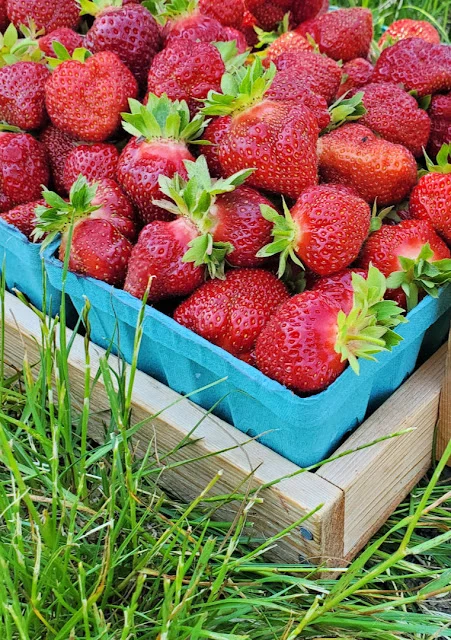
The integration of fresh produce into the diets of backyard poultry has transitioned from a casual hobbyist practice to a subject of rigorous nutritional scrutiny, with strawberries emerging as a premier supplemental treat for domestic chickens. While the primary diet of a laying hen or meat bird consists of balanced commercial grains, the inclusion of berries—specifically strawberries—offers a complex profile of vitamins, minerals, and antioxidants that can significantly enhance avian wellness when administered within specific parameters. Leading experts in the field of natural poultry management, including fifth-generation specialist Lisa Steele, have long advocated for the use of "old-timer" methods that utilize garden scraps to bolster the immune systems of flocks. This journalistic inquiry explores the physiological benefits, potential risks, and broader agricultural implications of feeding strawberries to backyard chickens.
Nutritional Composition and Avian Physiology
Strawberries (Fragaria × ananassa) are not merely a palatable snack for poultry; they are a dense source of essential micronutrients that support various biological functions. For the average chicken, maintaining a robust immune system is critical for resisting common pathogens such as Salmonella or Coccidiosis. Strawberries contribute to this defense through high concentrations of Vitamin C, Vitamin K, and Vitamin B6. While chickens can endogenously synthesize Vitamin C, supplemental intake during periods of heat stress or molting has been shown to improve recovery times and eggshell quality.

The mineral profile of strawberries includes manganese, potassium, folate, and calcium. Manganese is vital for bone development and the prevention of perosis (slipped tendon) in growing chicks, while potassium plays a crucial role in maintaining electrolyte balance, especially during the peak of summer. Furthermore, the presence of folate supports DNA synthesis and cell division, which is particularly important for high-production laying hens.
One of the most significant attributes of the strawberry is its antioxidant capacity. Anthocyanins, the pigments responsible for the fruit’s red color, act as powerful agents in neutralizing free radicals within the chicken’s bloodstream. This reduction in oxidative stress is linked to improved longevity and sustained reproductive health in older hens.
The Role of Botanical Components: Fruit, Caps, and Tannins
Unlike many garden plants where only the fruit is safe for consumption, the entire strawberry plant is non-toxic to chickens. This includes the fruit, the calyx (green cap), the stems, and the leaves. From a waste-reduction perspective, this allows poultry keepers to utilize "strawberry tops"—the portions often discarded during human food preparation—as a functional feed additive.

The green components of the strawberry plant are particularly rich in iron and tannins. In the context of avian digestion, tannins serve a dual purpose. While excessive tannins can interfere with protein absorption, the moderate levels found in strawberry leaves and stems act as a natural digestive aid. Tannins possess antimicrobial properties that can help regulate the gut microbiome of the bird, potentially reducing the load of harmful bacteria in the digestive tract. Iron, meanwhile, is a cornerstone of hemoglobin production, ensuring efficient oxygen transport throughout the bird’s body.
Dietary Moderation: The 10 Percent Rule
Despite the myriad benefits, strawberries contain significant amounts of fructose (fruit sugar). The avian digestive system is not designed to process large quantities of sugar, and an overabundance can lead to a disruption of the crop’s pH balance or cause osmotic diarrhea. To mitigate these risks, poultry nutritionists adhere to the "10 Percent Rule."
This guideline dictates that treats, including fruits, vegetables, and scratch grains, should not exceed 10% of a chicken’s total daily caloric intake. For an average adult hen, this equates to approximately one to two tablespoons of supplemental food per day. The remaining 90% of the diet must consist of a high-quality, nutritionally complete commercial feed to ensure the bird receives the necessary protein, amino acids, and calcium levels required for egg production and skeletal maintenance.

Chronology of Seasonal Feeding and Sourcing
The practice of feeding strawberries typically follows a seasonal chronology aligned with the agricultural harvest. In the Northern Hemisphere, this peak occurs between late spring and early summer.
- Spring Emergence: As temperatures rise, chickens begin to forage more actively. The introduction of the first strawberry harvests provides a hydration boost due to the fruit’s high water content.
- Peak Summer: During periods of extreme heat, frozen strawberries are often utilized by keepers as a cooling mechanism. Providing frozen berries in water pans encourages hydration and helps lower the bird’s internal body temperature.
- Post-Harvest Cleanup: Once the primary harvest concludes, chickens are often allowed into strawberry patches to forage on leftover runners and leaves, providing a natural method of pest control and garden bed clearing.
Sourcing remains a critical safety concern. Strawberries consistently rank at the top of the Environmental Working Group’s (EWG) "Dirty Dozen" list, a ranking of produce with the highest pesticide residues. Chickens, due to their small body mass, are highly susceptible to chemical toxicity. Experts recommend that any berries provided to poultry be thoroughly washed to remove herbicides or pesticides. Ideally, keepers are encouraged to source organic berries or grow their own to ensure the flock is not exposed to synthetic chemicals that could be sequestered into the eggs.
Broader Implications for Sustainable Agriculture
The shift toward incorporating garden residuals like strawberries into poultry diets reflects a larger movement toward circular economies in small-scale farming. By diverting strawberry scraps from landfills to the chicken coop, keepers reduce methane emissions associated with organic waste and convert those scraps into high-quality protein (eggs) and nutrient-rich fertilizer (manure).

From a behavioral standpoint, the introduction of strawberries serves as a form of environmental enrichment. Chickens are highly inquisitive animals; the act of pecking at a bright red berry provides mental stimulation and encourages natural foraging behaviors. This can lead to a reduction in stress-induced behaviors, such as feather picking or egg eating, within the flock.
Analysis of Expert Recommendations
Lisa Steele, a prominent figure in the backyard poultry community, emphasizes the synergy between traditional husbandry and modern nutritional science. Her advocacy for "old-timer" methods is rooted in the observation that diversified diets often produce hardier birds. However, she balances this with the caution that modern high-production breeds, such as Rhode Island Reds or Leghorns, have specific metabolic demands that "scraps alone" cannot satisfy.
The consensus among avian experts is that strawberries represent a "low-risk, high-reward" supplement. Unlike members of the nightshade family (such as raw potato skins or tomato leaves) or avocados, which contain toxins like solanine and persin, strawberries offer a safe profile for all ages of poultry, including ducks and geese, provided the sugar content is managed.

Conclusion and Outlook
The use of strawberries in poultry management is a testament to the evolving understanding of avian dietetics. While commercial feed remains the bedrock of flock health, the strategic use of antioxidant-rich fruits like strawberries provides a holistic boost to immune function and vitality. As the trend toward backyard food sovereignty continues to grow, the demand for detailed nutritional data regarding supplemental feeding will likely increase.
For the modern poultry keeper, the directive is clear: strawberries are a valuable asset in the pursuit of a healthy flock. By adhering to the 10% moderation rule, ensuring the fruit is free from chemical contaminants, and utilizing the entire plant to harness the benefits of tannins and iron, keepers can significantly enhance the quality of life for their birds. This intersection of waste reduction, behavioral enrichment, and nutritional fortification underscores the sophistication of contemporary backyard farming practices. In the broader context of sustainable living, the simple act of sharing a strawberry top with a hen becomes a meaningful contribution to a more integrated and health-conscious agricultural model.
