
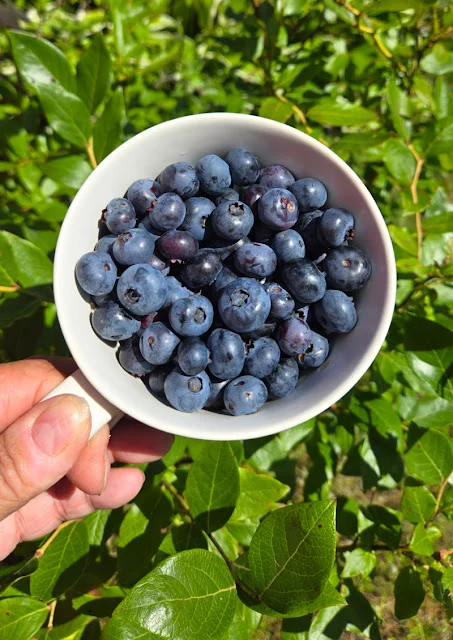
The Nutritional Impact and Strategic Implementation of Blueberries in Poultry Diets represents a significant area of interest for both commercial poultry operations and backyard flock owners seeking to optimize avian health through targeted nutritional supplementation. Blueberries, often categorized as a "superfood" in human nutrition, have increasingly been recognized for their dense concentration of bioactive compounds that offer a wide array of physiological benefits for Gallus gallus domesticus. These small, nutrient-dense fruits are rich in essential vitamins, minerals, and antioxidants, specifically anthocyanins, which play a critical role in mitigating oxidative stress and supporting the immune system of chickens and ducks. As the poultry industry shifts toward more natural and holistic management practices, the integration of blueberries into a balanced diet serves as a prime example of how dietary diversity can enhance the longevity, productivity, and welfare of domestic birds.
The Biochemical Composition of Blueberries in Avian Nutrition
The nutritional profile of blueberries is characterized by a high concentration of Vitamin C and Vitamin K, alongside significant levels of dietary fiber, manganese, and potassium. In the context of avian physiology, Vitamin K is indispensable for the synthesis of proteins required for blood coagulation and bone metabolism. For laying hens, maintaining robust bone density is a primary concern, as the calcium demands for eggshell production can often deplete skeletal reserves. The presence of Vitamin K in blueberries assists in the regulation of bone mineralization, potentially reducing the risk of osteoporosis in aging flocks.

Furthermore, Vitamin C, while synthesized endogenously by chickens under normal conditions, becomes a "conditionally essential" nutrient during periods of environmental or physiological stress. High ambient temperatures, transport, or disease challenges can deplete Vitamin C levels, leading to suppressed immune function. Supplementing the diet with blueberries provides an exogenous source of this vital antioxidant, helping to stabilize the birds’ internal homeostatic mechanisms.
The most notable components of blueberries are the anthocyanins—the pigments responsible for the fruit’s deep blue and purple hues. These flavonoids are potent antioxidants that neutralize free radicals, thereby protecting cellular integrity. In poultry, this translates to reduced systemic inflammation and a lower incidence of chronic conditions. Research into avian oncology and pathology suggests that these antioxidants may also offer protective barriers against certain types of cellular mutations and cancerous growths, although more species-specific longitudinal studies are required to quantify these effects definitively.
Digestive Health and the Prebiotic Effect
The gastrointestinal tract of a chicken is a complex ecosystem where the balance of microflora determines the overall health of the bird. Blueberries contain specific fibers that function as prebiotics. Unlike probiotics, which are live beneficial bacteria, prebiotics serve as the non-digestible food source for these beneficial microbes. By providing a substrate for "good" bacteria like Lactobacillus and Bifidobacterium, the consumption of blueberries promotes a healthy gut microbiome.

Optimal gut health is directly correlated with improved nutrient absorption and a more resilient immune response. In the poultry sector, where enteric diseases can lead to significant mortality and economic loss, the use of prebiotic-rich supplements like blueberries can serve as a preventative measure. A healthy gut lining acts as a physical and biological barrier against pathogens such as Salmonella and E. coli. Additionally, the fiber content in blueberries aids in the mechanical aspects of digestion, ensuring that the passage of feed through the digestive tract remains consistent and efficient.
Strategic Feeding Protocols and Safety Considerations
While the benefits of blueberries are extensive, agricultural experts emphasize the importance of moderation and proper delivery. The "10% Rule" is a standard guideline in poultry management, stating that treats and supplemental foods should not exceed 10% of a bird’s total daily caloric intake. For an average adult chicken, this equates to approximately one to two tablespoons of supplemental food per day. Over-supplementation can lead to nutritional imbalances, as it may displace the consumption of professionally formulated layer pellets which contain the precise ratios of protein, calcium, and amino acids required for egg production.
Physical safety is another consideration for flock owners. Although blueberries are generally safe, their size and spherical shape can occasionally present a choking hazard, particularly for smaller breeds or younger pullets. To mitigate this risk, it is recommended that the berries be sliced or crushed before being offered to the birds. This is especially relevant when feeding cultivated high-bush blueberries, which tend to be larger than the wild, low-bush varieties native to regions like Maine.

Comparative Analysis: Wild vs. Cultivated Varieties
In the agricultural landscape, there is a distinction between native low-bush blueberries (Vaccinium angustifolium) and cultivated high-bush blueberries (Vaccinium corymbosum). Both varieties are suitable for poultry consumption, but they offer slightly different nutritional densities. Wild blueberries are often smaller and have a higher skin-to-pulp ratio. Since the majority of the antioxidant compounds are concentrated in the skin, wild varieties may provide a more potent dose of anthocyanins per gram of fruit.
Cultivated varieties, however, are more widely available and often preferred for their consistent sugar content and moisture. For poultry, the high water content in cultivated blueberries can provide a secondary benefit of hydration during the summer months. On diversified farms where both types are grown, rotating the variety offered to the flock can provide a broader spectrum of phytochemicals, contributing to a more robust nutritional profile.
The Role of Blueberries in Cognitive and Sensory Support
Recent observations in avian behavior and physiology have highlighted the potential cognitive benefits of antioxidant-rich diets. Blueberries are known to support mental cognitive abilities in various species by protecting the brain from oxidative damage and improving neuronal signaling. In a flock setting, cognitive health is essential for social hierarchy management, foraging efficiency, and predator awareness.

Furthermore, the impact of blueberries on eye health cannot be overlooked. The high levels of Vitamin A precursors and specific antioxidants like lutein and zeaxanthin found in berries are critical for maintaining the health of the avian retina. Since chickens are highly visual animals, relying on sight for everything from finding food to identifying flock mates, supporting ocular health through diet is a key component of holistic welfare.
Broader Implications for the Poultry Industry and Small-Scale Farming
The trend of feeding "superfoods" like blueberries to poultry reflects a broader shift in consumer and producer behavior. There is an increasing demand for "functional eggs"—eggs that are enriched with higher levels of Omega-3 fatty acids, vitamins, and antioxidants through the hen’s diet. While the direct transfer of blueberry-derived antioxidants into the egg yolk is a subject of ongoing research, it is well-established that a healthier hen produces a higher-quality egg with a stronger shell and more vibrant yolk.
From an economic perspective, the use of blueberries as a supplement is often most viable for small-scale farmers or backyard enthusiasts who have access to seasonal surpluses or "seconds" (fruit that is not aesthetically suitable for retail sale). By utilizing these agricultural byproducts, farmers can reduce waste while simultaneously improving the health of their livestock.

Chronology of Seasonal Supplementation
The implementation of blueberries into a flock’s diet often follows a seasonal chronology aligned with the harvest cycles of the fruit:
- Early Spring (Growth Phase): As pullets begin to mature, small amounts of blueberries can be introduced to stimulate the development of a healthy gut microbiome.
- Summer (Peak Harvest): This period provides the highest availability of fresh berries. During heat waves, frozen blueberries are often used by poultry keepers to help birds regulate their internal body temperature.
- Late Autumn (Molting Season): As chickens lose their feathers and require high levels of nutrients for regrowth, the vitamins and minerals in blueberries support the metabolic demands of feather synthesis.
- Winter (Maintenance): Dried or preserved blueberries may be used as a high-energy supplement to keep birds engaged and provide mental stimulation during periods of confinement due to inclement weather.
Expert Perspectives and Industry Consensus
Agricultural experts and avian nutritionists, such as Lisa Steele, a fifth-generation chicken-keeping expert and author, have long advocated for the inclusion of fresh fruits and vegetables in poultry diets. The consensus among these professionals is that while formulated feed must remain the cornerstone of nutrition, the psychological and physiological variety provided by treats like blueberries is invaluable.
The host of "Welcome to my Farm" on CreateTV, Steele has emphasized that the joy and engagement birds show when receiving blueberries also contributes to their overall welfare. Stress reduction is a major factor in poultry health; a stimulated, happy flock is less likely to engage in destructive behaviors like feather pecking or egg eating.

Conclusion and Future Outlook
The integration of blueberries into the diets of chickens and ducks is more than a simple treat; it is a strategic nutritional intervention. By providing a complex array of vitamins, minerals, prebiotics, and antioxidants, blueberries support almost every major bodily system in poultry—from the cardiovascular and skeletal systems to the digestive and immune frameworks.
As the scientific community continues to explore the nuances of avian nutrition, it is likely that the role of specific phytochemicals found in berries will be further elucidated. For now, the evidence remains clear: when fed in moderation and prepared with safety in mind, blueberries are an exceptional "superfood" that can significantly enhance the quality of life and productivity of domestic poultry. The practice underscores the importance of a diverse, nutrient-rich diet in the pursuit of sustainable and humane animal husbandry.
