
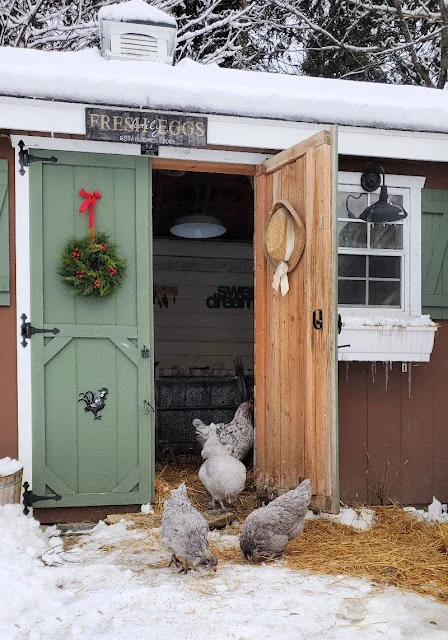
As temperatures drop across the Northern Hemisphere, backyard poultry keepers and small-scale farmers face the annual challenge of maintaining flock health and egg production through the winter months. While chickens are biologically more resilient to cold than to extreme heat, the combination of moisture, wind, and freezing temperatures presents significant physiological stressors. Agricultural experts and seasoned poultry specialists, including Lisa Steele, a fifth-generation chicken keeping authority, emphasize that winterizing a flock requires a multifaceted approach involving infrastructure adjustments, nutritional shifts, and behavioral management. Successful winter management not only ensures the survival of the birds but also stabilizes the local micro-economies of small-farm egg production.
The Biological Reality of Poultry in Cold Climates
To understand the necessity of winter preparation, it is essential to examine the physiological mechanisms chickens use to regulate their body temperature. A chicken’s internal body temperature typically ranges between 105°F and 107°F (40.5°C to 41.7°C). To maintain this high metabolic rate during the winter, chickens utilize their feathers as natural insulation, trapping air close to the body. When a chicken "puffs up" in the cold, it is creating a thicker layer of trapped air to retain heat.

However, this biological mechanism is only effective if the bird remains dry and out of direct wind. Once feathers become wet or ruffled by heavy drafts, their insulating properties vanish, leaving the bird susceptible to hypothermia. Furthermore, smaller breeds or those with large, single combs—such as Leghorns—are more prone to frostbite, a condition that can lead to permanent tissue damage and decreased vitality.
Chronology of Winter Preparation: A Seasonal Timeline
Effective winter care does not begin with the first snowfall; it is a process that should commence in the late autumn to ensure the flock is stabilized before the "Lower Critical Temperature" (LCT) is reached. The LCT is the ambient temperature below which a bird must increase its metabolic rate to maintain body temperature.
Phase 1: Early Autumn Assessment (September – October)
During this period, keepers should conduct a thorough inspection of the coop. This includes checking for leaks in the roof and gaps in the walls that could create drafts. It is also the time when most chickens undergo their annual molt—shedding old feathers and growing new ones. Because feather production is protein-intensive, this phase is critical for nutritional fortification to ensure the birds have a full "winter coat" before the freeze.

Phase 2: Structural Fortification (November)
As the first frosts appear, the focus shifts to the "Deep Litter Method" and ventilation management. The Deep Litter Method involves allowing organic matter (bedding and droppings) to accumulate and decompose inside the coop. This decomposition process generates a small but consistent amount of natural heat and beneficial microbes. Simultaneously, keepers must ensure that while drafts are blocked at the level where birds roost, ventilation remains open near the roofline to allow moisture and ammonia to escape.
Phase 3: Active Winter Management (December – February)
This is the maintenance phase where the focus is on preventing water from freezing, providing high-energy supplemental feed, and monitoring for signs of stress or illness. It is during these months that the risk of "boredom-induced pecking" is highest, as birds spend more time confined to the coop or run.
Critical Infrastructure: The Balance of Insulation and Ventilation
One of the most common mistakes in winter chicken care is the total sealing of the coop. Professional agriculturalists warn that a sealed coop is a "death trap" for poultry. Chickens exhale a significant amount of moisture, and their droppings are high in water content. Without proper ventilation, this moisture condenses on the birds’ combs and wattles, leading to frostbite.

The objective is to achieve a "draft-free" environment rather than an "air-tight" one. Vents should be located high above the roosting bars so that fresh air can circulate without blowing directly on the sleeping birds. Data suggests that humidity levels inside a coop should ideally remain below 70% to prevent respiratory issues and frostbite.
In the outdoor run, providing a "windbreak"—often made from clear plastic sheeting or plywood—allows chickens to spend time outside even on blustery days. Exposure to UV light, even in winter, is vital for the birds’ circadian rhythms and overall immune health.
Nutritional Requirements and Metabolic Fueling
In winter, a chicken’s caloric requirement increases by approximately 25% to 30%. The energy that would normally go toward egg production is diverted to thermoregulation. To support this, poultry keepers often adjust the flock’s diet.

- Scratch Grains and Corn: Feeding cracked corn or scratch grains shortly before dusk is a tactical move. The process of digesting these complex carbohydrates takes several hours, acting as an internal "heater" for the bird as it sleeps.
- Protein Boosts: While carbohydrates provide heat, protein is necessary for maintaining muscle mass and feather health. Mealworms, black soldier fly larvae, and high-quality pellets are essential components.
- Hydration Management: Water is the most overlooked aspect of winter care. A chicken cannot digest food properly without adequate water intake. Furthermore, chickens will drink less if the water is near-freezing, which leads to dehydration and a drop in body temperature. The use of heated water bases or frequent water changes is mandatory in sub-freezing environments.
Behavioral Health and Environmental Enrichment
Winter confinement often leads to behavioral pathologies such as feather pulling or aggressive pecking. In a natural setting, chickens spend up to 90% of their waking hours foraging. When snow covers the ground, this instinctual drive is frustrated.
To mitigate this, experts recommend "boredom busters." These can include:
- Hanging Cabbages: Forcing the birds to jump or stretch to peck at a vegetable.
- Dust Baths: Even in winter, chickens need to "bathe" in dry dirt or wood ash to prevent mites and lice. Providing an indoor dust bath container is crucial for plumage maintenance.
- Increased Roosting Space: Cold weather encourages huddling. Ensuring there is enough space for all birds to sit together on a flat roost (which allows them to cover their feet with their feathers) is a primary defense against frozen toes.
Analysis of Egg Production and Economic Impact
A frequent concern for poultry owners is the dramatic decrease in egg production during the winter. This is primarily a response to "photoperiodism"—the reaction of an organism to the length of day or night. Chickens require roughly 14 to 16 hours of light to stimulate the pituitary gland, which in turn signals the ovaries to release an egg.

While some commercial operations use supplemental lighting to maintain year-round production, many "natural" practitioners, including Lisa Steele, advocate for allowing the birds a seasonal rest. Forcing production during the winter can lead to premature reproductive burnout. However, for small-scale farmers who rely on egg sales, the winter lull represents a significant economic challenge. This has led to a growing market for "winter-hardy" breeds like Orpingtons, Rhode Island Reds, and Brahmas, which are known to continue laying more consistently in colder climates than their Mediterranean counterparts.
Safety Warnings Regarding Supplemental Heat
A critical point of consensus among poultry experts is the danger of heat lamps. Every year, thousands of coops are lost to fires caused by heat lamps that were either knocked over by birds or malfunctioned due to dust accumulation.
Furthermore, supplemental heat can be detrimental to the birds’ natural acclimatization. If a flock becomes accustomed to a heated coop and the power fails during a blizzard, the sudden temperature drop can be fatal. Most experts suggest that if a coop is dry and draft-free, supplemental heat is unnecessary for healthy, adult birds, even in temperatures reaching -10°F.

Broader Implications for the Poultry Industry
The rise in backyard chicken keeping over the last decade has shifted the focus of avian veterinary science toward small-flock management. As more urban and suburban residents take up the mantle of poultry husbandry, the demand for "natural" and "old-timer" methods has surged. This movement emphasizes the resilience of the animal when provided with the correct environment, rather than relying on high-energy industrial interventions.
The "Ultimate Winter Chicken Care Guide" serves as a blueprint for this sustainable approach. By focusing on the fundamentals—dry housing, high-quality calories, and behavioral enrichment—keepers can ensure their flocks emerge from the winter season healthy, robust, and ready for the peak production of spring. This proactive management not only protects the welfare of the animals but also reinforces the food security and self-sufficiency of the modern homestead.
